Choosing the right flooring for your gymnasium is more than just about aesthetics—it’s about ensuring the safety, performance, and durability of the space for all types of activities. Whether you’re outfitting a high school gym, a multi-use recreational center, or a dedicated Pickleball court, the floor you select plays a crucial role in both player performance and the longevity of the gym. In this article, we’ll explore the various flooring options available and provide a guide on how to select the best choice based on your specific needs, especially when considering sports like Pickleball.
Understanding Your Gymnasium’s Needs
Type of Sports and Activities
Different sports and activities place unique demands on gymnasium floors. When it comes to Pickleball, for instance, the floor needs to offer a combination of smoothness for fast-paced play, but also some cushioning to reduce the impact on players’ joints. Some sports require a more rigid surface, while others benefit from added shock absorption. Understanding these requirements is the first step in choosing the right flooring.
For Pickleball, which is played both indoors and outdoors, you need a surface that’s both durable and forgiving. Players require optimal traction to maintain fast lateral movements, while avoiding any sudden slips that could lead to injury. The flooring material should also support extended play, with resistance to wear and tear from the constant movement of players.
Frequency of Use
If your gymnasium hosts daily activities, such as regular Pickleball matches, school tournaments, or open recreational sessions, then durability becomes even more important. High-traffic areas are likely to experience increased wear, which can reduce the lifespan of flooring materials. Choosing a flooring type that holds up over time, while maintaining its appearance and functionality, is essential for a long-term investment.
For gymnasiums used frequently for sports like Pickleball, investing in high-quality, durable flooring—whether it be PVC or rubber—is a decision that can save you money in the long run, as it minimizes the need for frequent replacements or costly repairs.
Flooring Material Options for Gymnasiums
Choosing the best flooring material involves considering several factors, including durability, ease of maintenance, player safety, and overall cost. Below are the top flooring materials typically used in gymnasiums, each with its unique advantages:
Wood Flooring
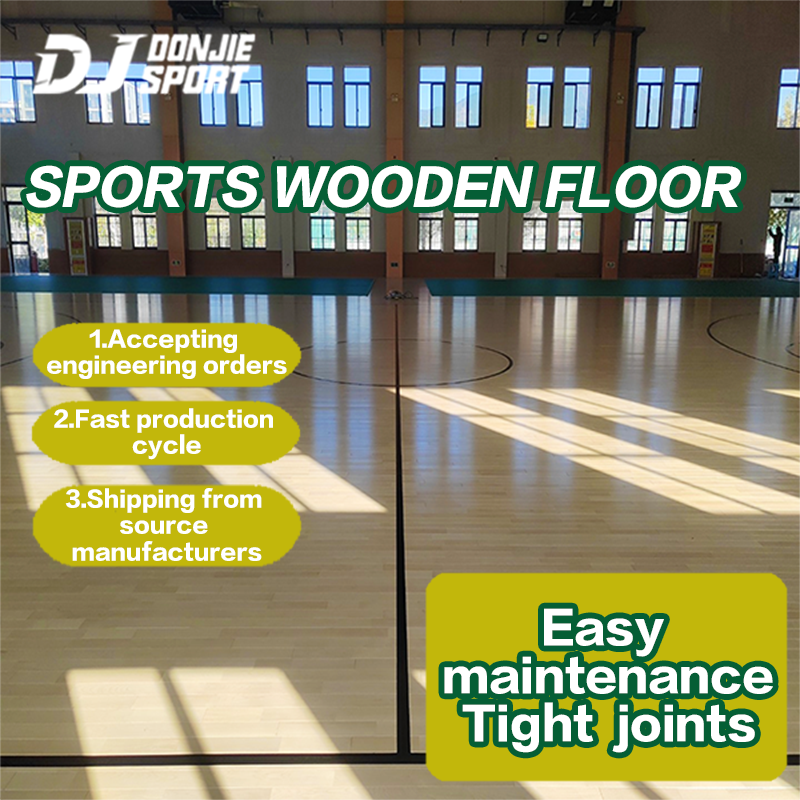
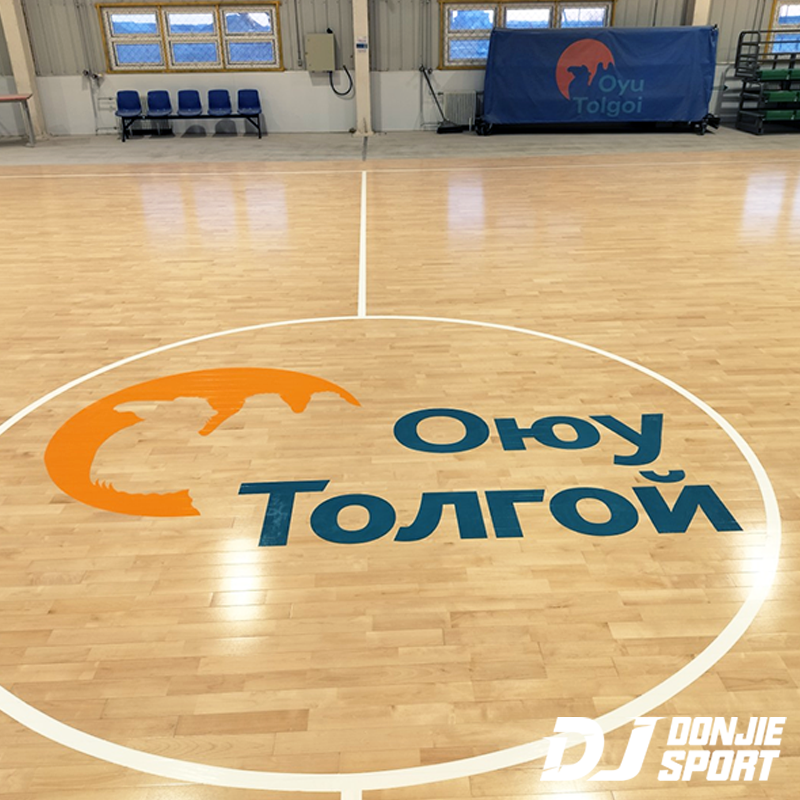
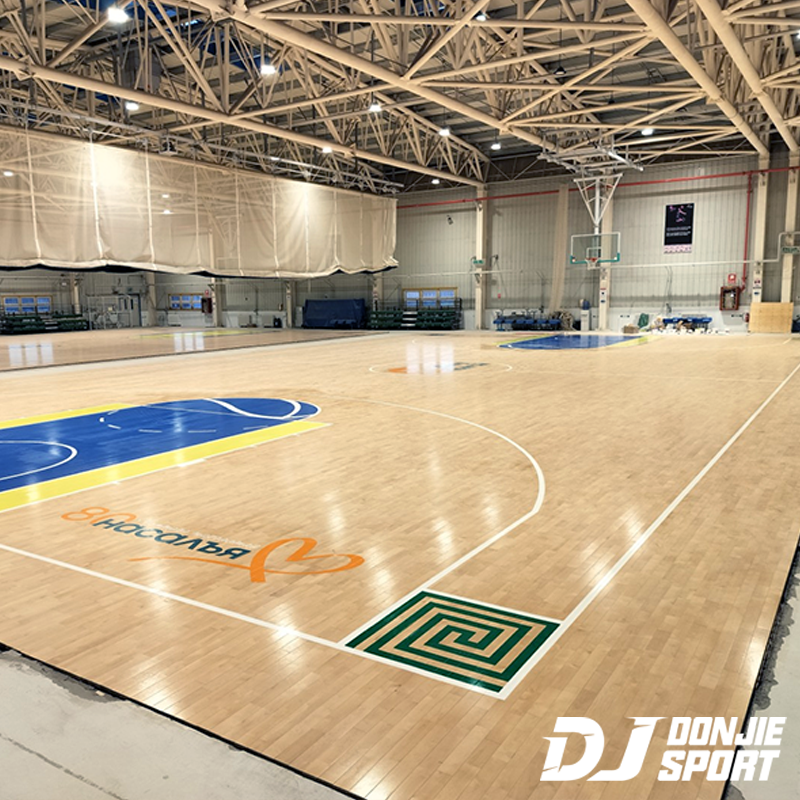
Wood flooring is a classic and aesthetically pleasing option for gymnasiums, particularly for sports like basketball and Pickleball. Wood offers a high level of comfort and excellent shock absorption, which is crucial for reducing joint strain during gameplay. Additionally, the natural aesthetic appeal of wooden floors can elevate the gym’s visual appeal.
However, wood floors require maintenance and care, especially in a high-traffic environment. Regular sanding and refinishing may be necessary to maintain their smoothness and integrity. For Pickleball courts, wood floors can provide a slightly slower ball bounce compared to other surfaces, which some players may prefer.
PVC Sports Flooring
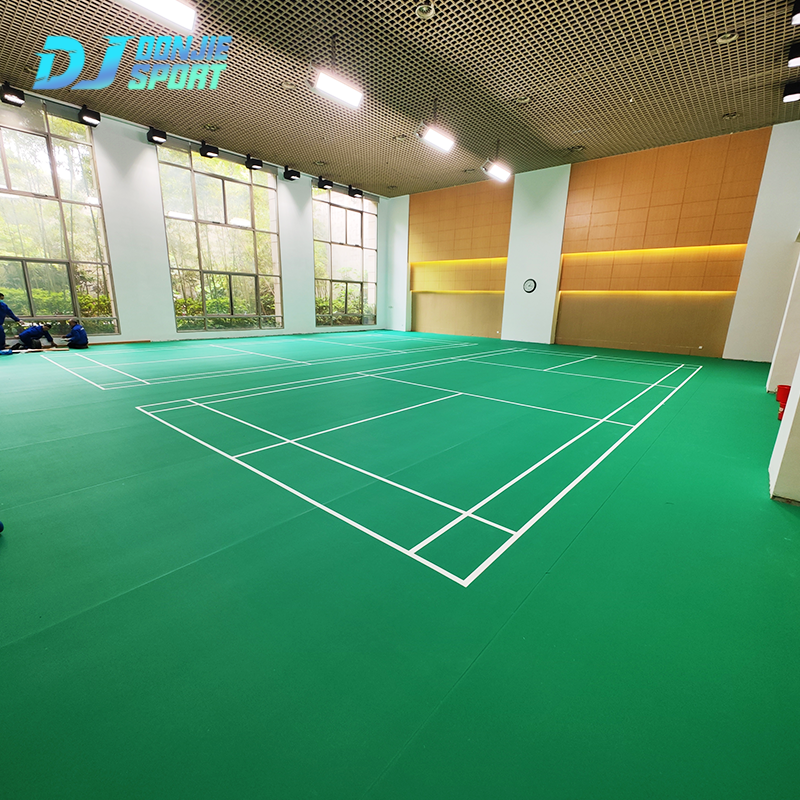
PVC sports flooring is a highly versatile material that’s becoming increasingly popular for gymnasiums. It offers exceptional durability and resistance to wear and tear, making it ideal for high-traffic areas. PVC flooring is also easy to clean and maintain, which reduces the time and effort needed for upkeep.
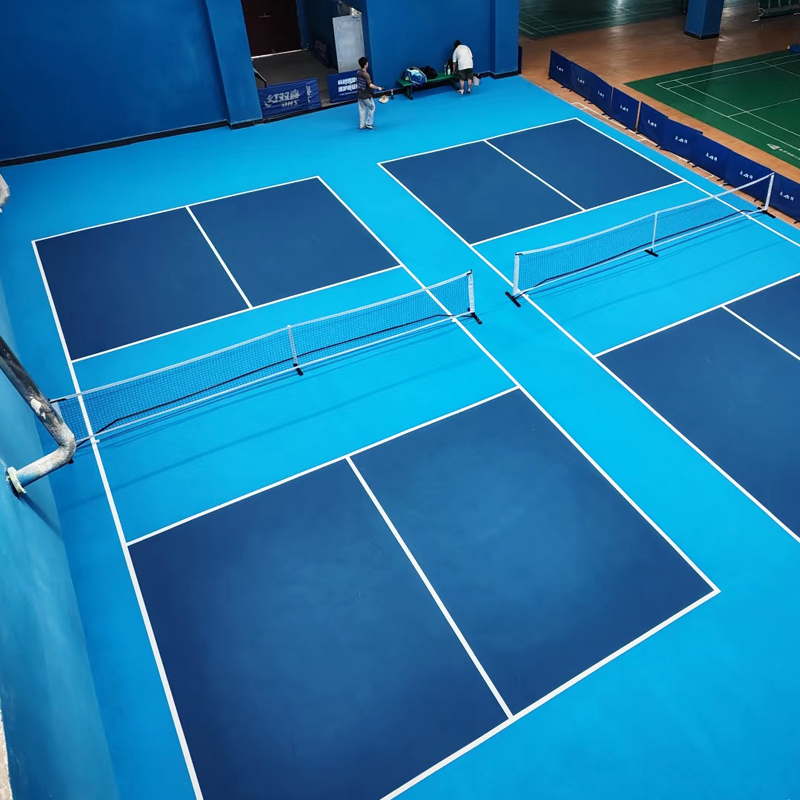
For Pickleball, PVC flooring provides the right combination of traction and cushion, allowing players to move quickly without compromising on safety. It’s also known for its ability to handle constant impacts from fast-moving balls, making it a great choice for fast-paced sports. This type of flooring is also relatively affordable and can be installed with minimal downtime.
Rubber Flooring
Rubber flooring offers an excellent solution for sports that require additional shock absorption, such as Pickleball. Its superior cushioning makes it an ideal choice for gymnasiums where injury prevention is a priority. Rubber floors are also non-slip, providing a secure surface for players, even in fast-moving sports.
However, while rubber flooring is durable, it may not offer the same level of performance as wood or PVC flooring for some sports. The bounce of the ball may be slightly different, and the overall feel of the surface can be softer, which may not be ideal for certain gym activities. But for Pickleball, where comfort and safety are paramount, rubber flooring can be a great choice.
Vinyl Flooring
Vinyl flooring is a cost-effective alternative that still provides good durability for gymnasiums. It’s easy to install, maintain, and is available in a variety of styles and colors, making it a flexible option for any gym setup. For Pickleball courts, vinyl flooring provides a smooth and consistent surface that’s both comfortable and durable.
Vinyl flooring also has the benefit of being highly resistant to scratches, stains, and scuffs, which makes it suitable for environments with high usage. The low maintenance requirements are another attractive feature, ensuring that the floor stays in top condition without much effort.
Key Features to Consider in Gymnasium Flooring
When choosing flooring for your gymnasium, especially if it’s designed for Pickleball, there are several critical features that you need to keep in mind. These factors ensure the flooring is not only functional but also enhances the safety and performance of players.
Cushioning and Shock Absorption
One of the most important factors to consider when selecting flooring is the level of cushioning and shock absorption it offers. For Pickleball, the surface must absorb enough shock to prevent injuries, especially for players involved in quick lateral movements or sudden stops. Floors with high shock absorption, like rubber or PVC flooring, are ideal in such cases. They help reduce the impact on the joints, providing greater comfort and preventing long-term injury.
Wooden floors can also provide good shock absorption, but they require more maintenance and may not be as forgiving as rubber or PVC over time. Additionally, the right amount of cushioning enhances player performance by allowing for better foot movement, which is critical in fast-paced games like Pickleball.
Traction and Grip
Traction is another vital aspect of gymnasium flooring. The surface needs to offer just the right amount of grip to ensure players can move freely and safely without the risk of slipping. For Pickleball courts, too much traction can cause players to trip, while too little can make them slide uncontrollably.
PVC and rubber flooring both offer excellent traction while still allowing for quick movements. Rubber floors, in particular, have the added benefit of being slip-resistant even when wet, making them a safer option for sports played indoors, like Pickleball. Vinyl floors, while more affordable, can sometimes be less effective in providing enough grip.
Noise Reduction
Noise reduction is often overlooked when choosing gymnasium flooring, but it plays an essential role in creating a comfortable environment for both players and spectators. In sports like Pickleball, where the ball can bounce and make a significant sound, flooring that absorbs noise can help reduce distractions.
Rubber flooring is particularly effective in noise reduction, absorbing both impact and sound. PVC floors also offer some soundproofing, but not to the same extent as rubber. Wood floors, on the other hand, tend to amplify sound, making them less suitable for spaces where noise could become an issue.
Aesthetic Appeal
The aesthetic appeal of your gymnasium floor is another factor to consider, especially if the space will be used for events or tournaments. A well-designed, attractive floor not only creates a welcoming atmosphere but also enhances the overall appeal of your facility.
While functionality is the priority, floors such as wood and vinyl are visually appealing and can be customized with different patterns and colors. For Pickleball courts, you can choose a design that reflects your branding or your gym’s theme. PVC flooring is also available in various designs, making it a versatile choice for those looking to maintain both form and function.
Installation and Maintenance
Once you’ve selected the right flooring material, proper installation and maintenance are crucial for ensuring its longevity and performance.
Professional Installation vs. DIY
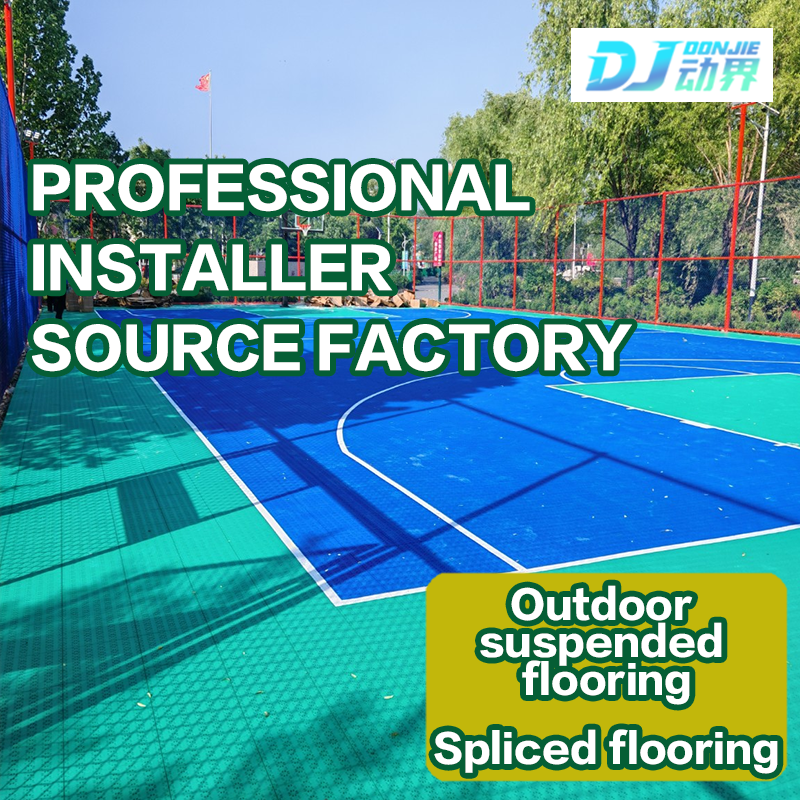
Professional installation is generally recommended, particularly for complex flooring options like wood and PVC. While DIY installation is possible for some types of flooring, such as vinyl or interlocking tiles, professional installers will ensure the surface is properly laid, without imperfections that could affect performance, especially for sports like Pickleball.
For Pickleball courts, precision in installation is key, as any misalignment or unevenness in the surface can alter the game experience. PVC and rubber floors often require specific subfloor preparation, which is best handled by experts to avoid long-term issues.
Regular Maintenance Requirements
Maintenance is an ongoing concern, especially for high-traffic areas. The maintenance needs vary depending on the flooring material you choose.
-
Wood floors require periodic sanding, refinishing, and cleaning to keep them in top shape. This is necessary to maintain their smoothness and appearance but can be costly and time-consuming.
-
PVC flooring is relatively low-maintenance, only needing regular sweeping and occasional cleaning with a mild detergent.
-
Rubber flooring also requires minimal maintenance. Regular cleaning and occasional deep cleaning are enough to keep it in good condition.
-
Vinyl flooring is the easiest to maintain, with basic cleaning being enough to prevent wear.
For Pickleball courts, keeping the surface clean is important to ensure optimal traction and performance. Regular maintenance extends the lifespan of the flooring and keeps it looking great for years to come.
Budget Considerations
While it’s important to select the best flooring for performance, budget constraints also play a role in the decision-making process. Flooring materials vary greatly in price, so it’s important to choose an option that offers the best value for your money.
Cost of Different Flooring Materials
-
Wood flooring tends to be the most expensive option due to its aesthetic appeal and installation complexity. The price can range significantly depending on the wood type and installation requirements.
-
PVC flooring is a mid-range option, offering durability and ease of maintenance without breaking the bank.
-
Rubber flooring is typically affordable and a great option for gymnasiums on a budget.
-
Vinyl flooring is the most cost-effective choice, providing a good balance of durability, maintenance, and affordability.
Long-term Value and ROI
Although initial costs vary, it’s important to consider the long-term return on investment. High-quality floors, such as PVC and rubber, may cost more upfront but can save you money in repairs and maintenance over time. For Pickleball courts, investing in flooring that’s durable and easy to maintain can also enhance player safety, improve game performance, and attract more users, making it a wise investment for your gymnasium’s future.
Conclusion
Choosing the right flooring for your gymnasium, particularly if you’re setting up a Pickleball court, requires careful consideration of various factors, including material, durability, performance features, installation, and budget. Each flooring option offers unique advantages, but PVC and rubber flooring are standout choices for their durability, shock absorption, and low maintenance requirements. By evaluating the specific needs of your facility and the sports it will host, you can make a well-informed decision that enhances player performance, safety, and the longevity of your gymnasium floor.