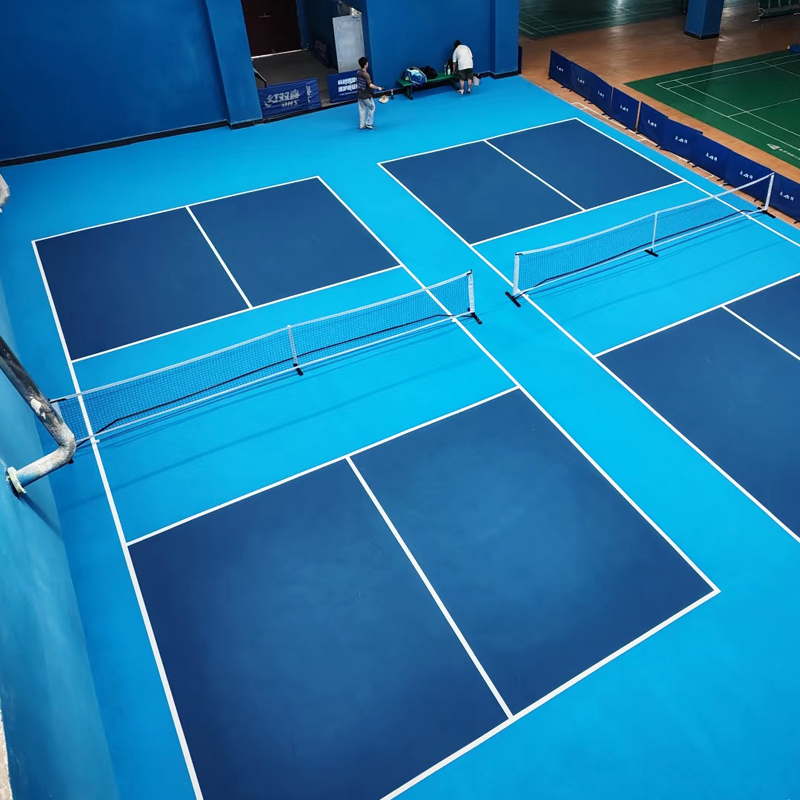
Choosing the right flooring material for your sports hall is crucial for ensuring safety, enhancing performance, and maintaining the longevity of your facility. When it comes to pickleball, a sport that has surged in popularity, the right flooring becomes even more important. Pickleball courts require specific characteristics in their flooring—traction, shock absorption, durability, and low maintenance. In this blog post, we’ll explore the different types of sports hall flooring materials, their pros and cons, and how to choose the best option for your pickleball facility. Whether you’re upgrading an existing court or building a new one, making an informed choice is essential for providing the best environment for players.
Understanding Sports Hall Flooring Material
Sports hall flooring material refers to the type of surface used in multi-purpose sports halls, which must support a wide range of sports, from basketball to badminton, and of course, pickleball. The flooring material you select plays a critical role in performance, player safety, and the overall aesthetic of the space. For pickleball courts, this is especially important since the sport involves rapid lateral movements, quick pivots, and a high level of ball impact. The right flooring can improve the bounce of the ball, reduce injury risk, and offer comfort for players during long matches.
Common Flooring Materials Used for Pickleball Courts
-
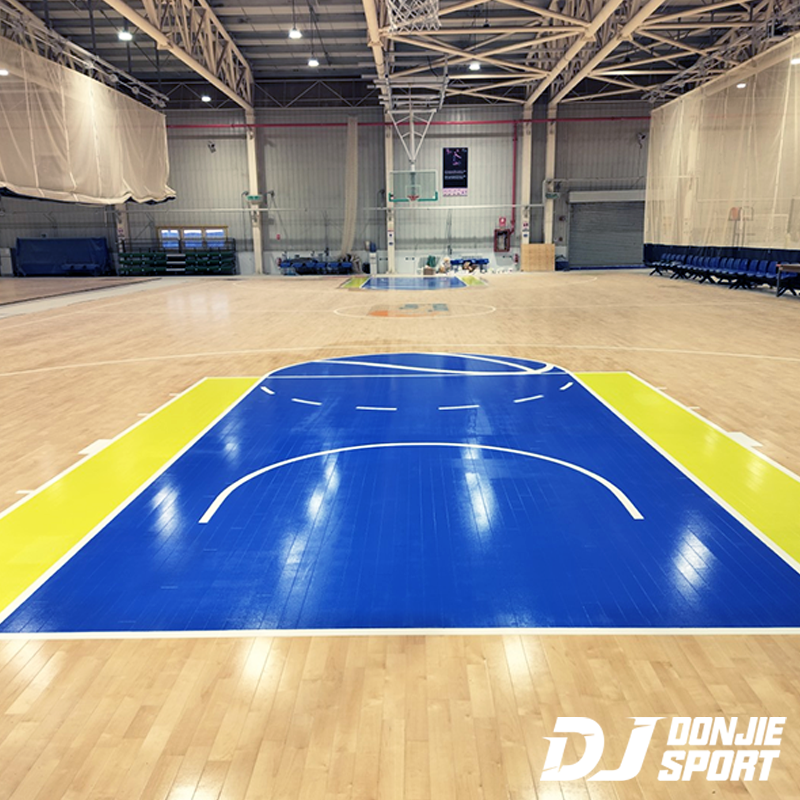
Wooden Flooring
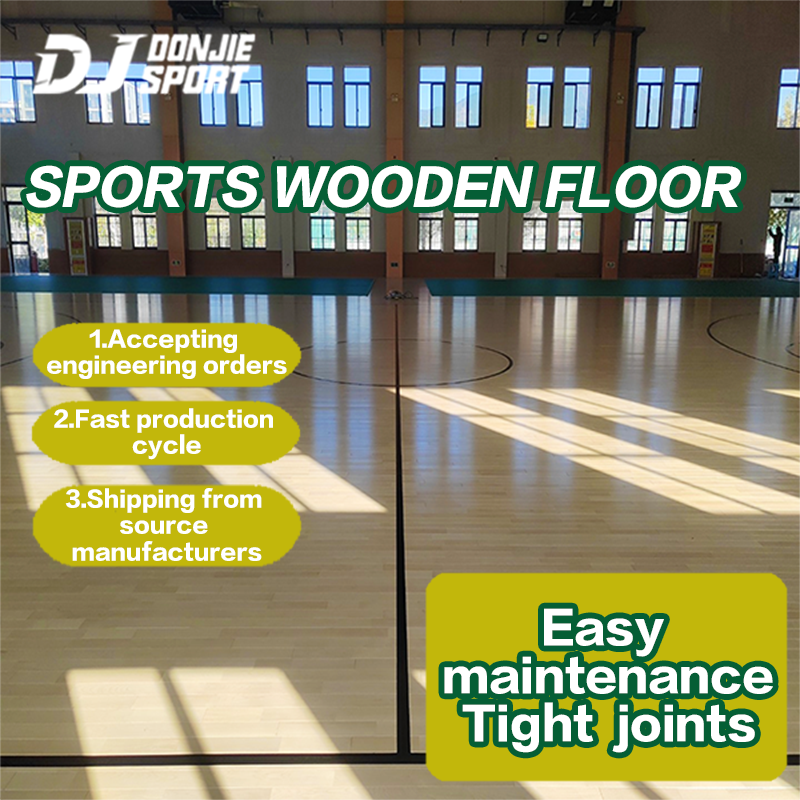
Wooden flooring has long been a popular choice for indoor sports courts, including pickleball. It provides excellent shock absorption, which reduces the strain on players’ joints during intense play. Wooden surfaces also offer great traction, which is crucial for the fast-paced movements in pickleball. However, they are more susceptible to wear and tear, particularly in high-traffic areas. Additionally, wooden floors require regular maintenance, such as refinishing, to maintain their appearance and functionality. -
PVC Flooring
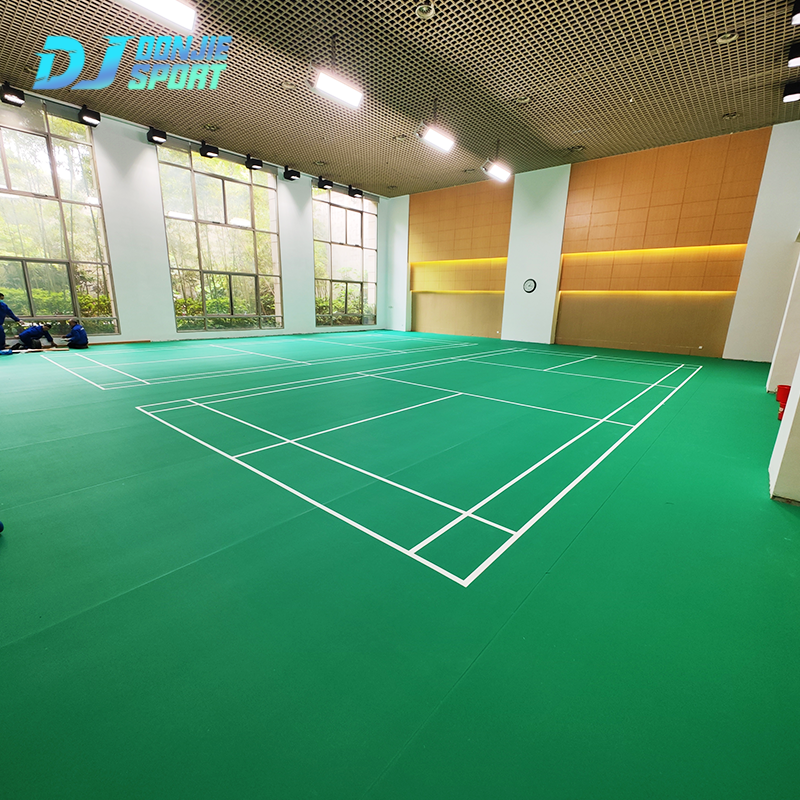
PVC flooring has become increasingly popular for pickleball courts due to its durability and low maintenance. This type of flooring offers excellent resilience and can withstand the high-impact nature of the game without degrading quickly. PVC flooring is also known for providing consistent ball bounce and excellent traction. It’s highly resistant to moisture, which is an important consideration for indoor sports facilities that may have humidity concerns. Its long lifespan and ease of maintenance make it a cost-effective option for pickleball courts. -
Rubber Flooring
Rubber flooring is another great option for sports halls, especially for its comfort and safety benefits. It’s an excellent choice for pickleball courts because it absorbs shock and minimizes the risk of injury from falls. The surface offers moderate traction, but its key strength is its ability to reduce fatigue by providing a softer landing during play. While rubber flooring can be a bit slippery compared to other materials, when combined with textured surfaces, it offers a balanced performance suitable for pickleball. -
Polyurethane Flooring
Polyurethane flooring is a high-performance material that is durable, smooth, and provides an excellent playing experience. Its seamless nature reduces the risk of injury, and it offers good shock absorption, which is beneficial for players’ knees and ankles. Polyurethane flooring also provides consistent bounce and is highly resistant to wear. However, it is one of the more expensive flooring options, and it may require professional installation, which could be a consideration for facilities on a budget.
Factors to Consider When Choosing Flooring for Pickleball Courts
-
Traction and Grip
For pickleball players, having the right amount of traction on the floor is essential. A surface that is too slippery can cause players to lose their footing, leading to falls and injuries. Flooring materials like PVC and polyurethane often provide excellent grip, which helps players move quickly without compromising safety. -
Shock Absorption
Shock absorption is crucial for reducing the impact on players’ joints, particularly in a sport like pickleball that requires a lot of lateral movement. Floors with good shock absorption, such as wooden or rubber flooring, help to cushion players’ steps, allowing them to move comfortably while reducing the risk of stress injuries. -
Durability
Pickleball courts experience high traffic, with frequent movements, jumps, and fast-paced action. Choosing a flooring material that can withstand these conditions without deteriorating is important. PVC and polyurethane floors are particularly known for their long-lasting durability, even under heavy use. -
Maintenance
Flooring maintenance is an essential consideration, especially in sports facilities with limited staff. PVC flooring is generally very low-maintenance, requiring only occasional cleaning to maintain its appearance and performance. Wooden floors, on the other hand, may need regular sanding and refinishing to preserve their quality.
The Impact of Flooring on Pickleball Game Performance
The right flooring can significantly impact the overall performance of a pickleball game. Flooring materials such as PVC and polyurethane provide consistent ball bounce, allowing players to experience more predictable and precise shots. A surface with proper shock absorption also enables better movement control, which is crucial for fast and agile plays. Additionally, high-quality flooring helps minimize player fatigue, enabling them to maintain peak performance throughout long matches.
The texture and feel of the floor also play a role in player comfort and speed. Floors that offer sufficient grip without being overly sticky allow for quick, reactive movements. In pickleball, this type of balance is essential for preventing injuries and enhancing the overall game experience.
Cost Considerations for Sports Hall Flooring Materials
While some flooring materials, like wood and polyurethane, offer superior performance, they can come with a hefty price tag. PVC flooring is generally a more affordable option while still providing excellent durability and performance for pickleball courts. Rubber flooring, while a bit more expensive than PVC, offers a good balance of comfort and performance. When selecting a flooring material, it’s important to factor in both upfront costs and long-term maintenance expenses to make an informed decision.
Recommendations for the Best Flooring Material for Pickleball Courts
After considering the various flooring options, PVC flooring stands out as the best choice for most pickleball courts. Its durability, low maintenance, and consistent performance make it ideal for high-traffic indoor pickleball courts. Polyurethane flooring is an excellent choice for high-end facilities looking for top-tier performance, though it may come at a higher initial cost. Rubber flooring can also be a great option for gyms focused on player comfort and injury prevention, though it may require more care when it comes to traction.
Conclusion
Choosing the right sports hall flooring material for your pickleball court is essential for ensuring both player safety and optimal performance. By evaluating factors like traction, shock absorption, durability, and maintenance, you can make an informed decision that supports both your facility’s needs and your players’ experience. Ultimately, PVC flooring offers the best balance of cost, durability, and performance, making it the ideal option for most pickleball courts.