When it comes to sports halls, choosing the right floor covering is not just a matter of aesthetics—it’s essential for performance and safety. The floor of a sports hall plays a significant role in how athletes move, the safety measures in place, and even the longevity of the facility itself. If you’re looking to upgrade or build a sports hall with a focus on pickleball, understanding your flooring options will ensure you select the best solution for your needs.
In this ultimate guide, we’ll explore the different types of sports hall floor coverings, focusing on options best suited for pickleball courts. You’ll learn about their features, installation processes, and maintenance requirements, helping you make an informed decision to enhance your sports facility.
Types of Sports Hall Floor Coverings for Pickleball
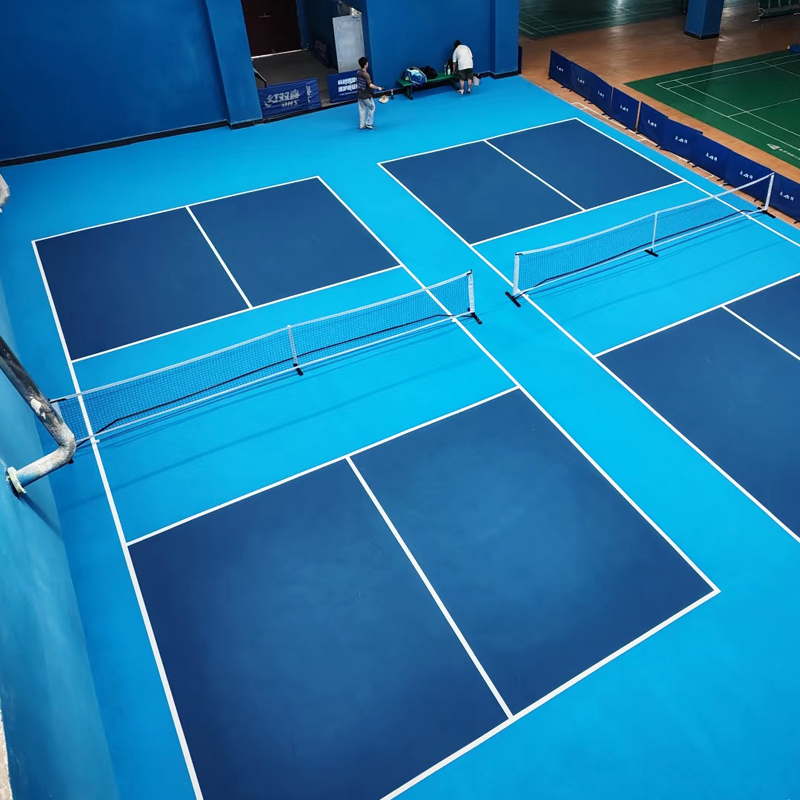
When choosing flooring for pickleball courts, you need to consider the unique demands of the sport. The flooring should provide optimal traction, impact absorption, and durability to support fast movements, jumps, and quick pivots. Below are the most popular flooring options for sports halls that host pickleball games:
-
PVC Flooring for Pickleball Courts
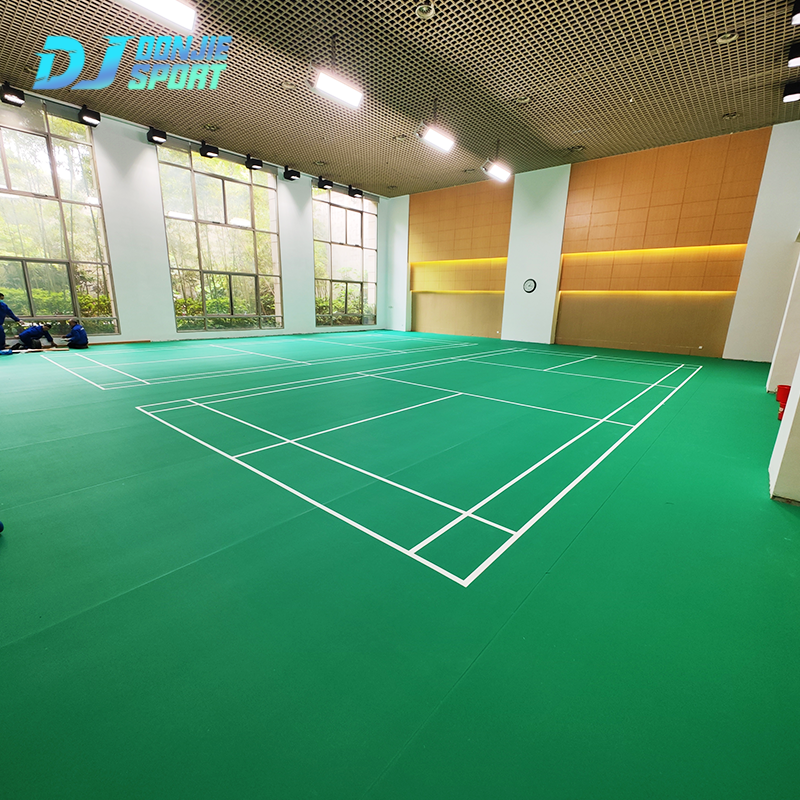
PVC sports flooring is a top choice for pickleball courts due to its durability and ease of maintenance. It offers excellent shock absorption, which is essential for reducing the impact on players’ joints during long matches. PVC floors are available in various colors and designs, allowing you to match your facility’s aesthetics while providing high-performance features. This flooring option is also highly resistant to wear and tear, ensuring a long-lasting solution for busy sports halls. -
Rubber Flooring: A Safe Option for Pickleball
Rubber flooring is another popular choice for pickleball courts. Known for its exceptional slip resistance and shock absorption, rubber flooring provides a high level of safety for athletes. It helps to minimize the risk of injuries by offering a cushioning effect during gameplay. Rubber is also soundproof, which can be an added advantage in sports halls where noise levels are a concern. However, it may require more maintenance compared to PVC flooring, as rubber can stain and absorb moisture over time. -
Interlocking Floor Tiles: Convenience Meets Quality
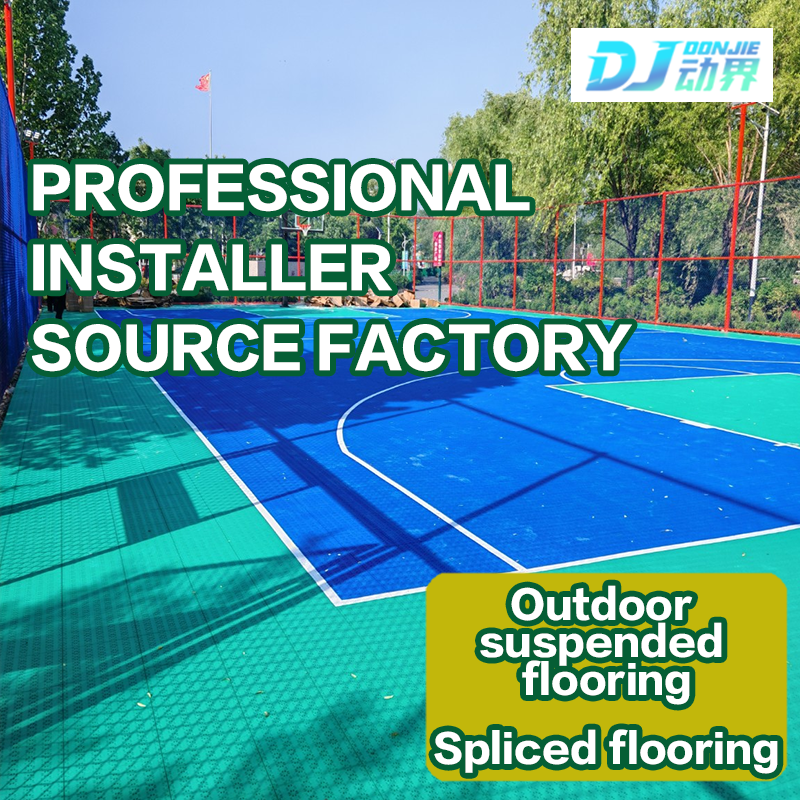
Interlocking floor tiles offer great flexibility and convenience. These tiles are easy to install and replace, making them a practical choice for sports facilities with limited downtime for installation. Made from durable materials such as PVC or rubber, interlocking tiles provide excellent support and comfort for players. These tiles are also designed to withstand heavy foot traffic, making them ideal for sports halls hosting multiple sports, including pickleball. -
Wood vs Synthetic Flooring: Which is Better for Pickleball?
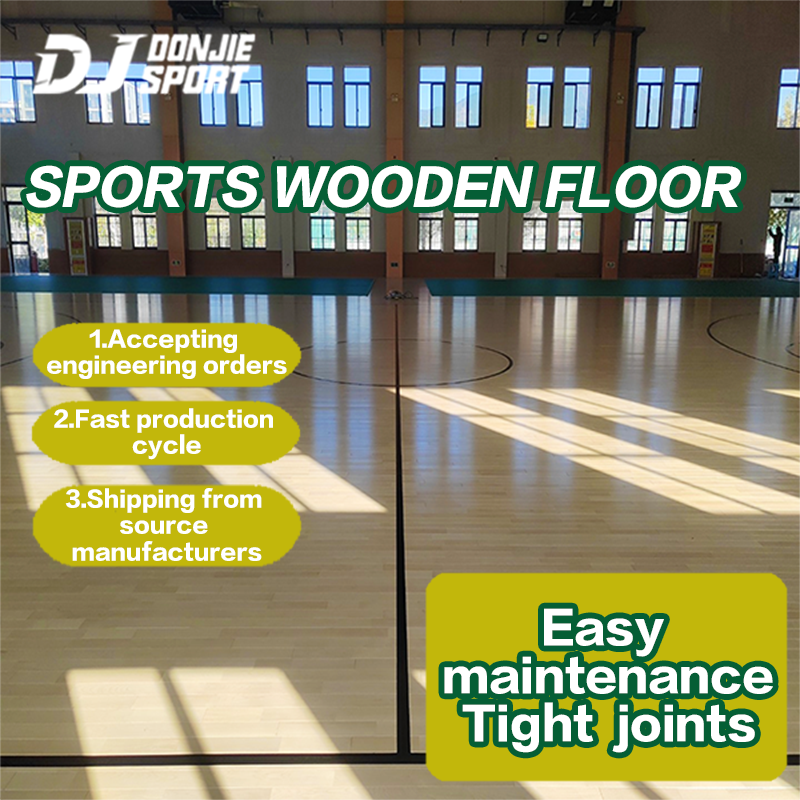
Traditional wooden floors are often associated with high-end sports facilities and are known for their aesthetic appeal. However, for pickleball courts, synthetic floors are typically a better choice. Wood is prone to warping and requires regular maintenance to preserve its quality, while synthetic options like PVC and rubber are more resilient and easier to maintain. Synthetic flooring offers better traction and cushioning, making it a safer and more practical option for pickleball players.
Key Features of High-Quality Sports Hall Flooring
Selecting the right sports hall floor covering for pickleball requires understanding the key features that make a flooring option suitable for athletic use. Here are the critical aspects to consider when evaluating sports hall flooring:
-
Durability
Durability is one of the most important factors to consider when choosing sports hall flooring. Given the high-impact nature of pickleball, the floor must withstand constant wear and tear. High-quality flooring should be resistant to scratches, dents, and fading, ensuring it remains in excellent condition even after years of use. -
Slip Resistance
A safe playing surface is paramount in any sports facility. The floor should offer adequate grip to prevent players from slipping during intense matches. High-quality sports hall flooring materials, such as textured PVC or rubber, provide the necessary traction for safe and secure movement. -
Cushioning
Cushioning is essential for reducing the impact on players’ bodies, particularly the joints. Flooring that offers adequate shock absorption can help prevent injuries and enhance player comfort during long matches. Look for materials with a layer of cushioning that offers both comfort and performance. -
Maintenance
Ease of maintenance is a significant consideration for busy sports halls. Flooring options such as PVC and rubber are generally easier to clean and maintain compared to traditional wood floors. Regular sweeping, mopping, and occasional resealing can keep your floor in great condition. -
Aesthetic Appeal
While performance is crucial, aesthetics should not be overlooked. Flooring options come in various colors and designs, allowing you to customize your sports hall to reflect your branding or personal taste. Many sports hall floors, especially PVC and rubber options, come in vibrant colors and patterns that enhance the visual appeal of the space.
Installation of Sports Hall Floor Coverings
Once you’ve chosen the perfect flooring for your sports hall, the next step is installation. Proper installation ensures that the floor will perform at its best and last for years to come. Here’s a brief guide to the installation process:
-
Preparation
Before installation, make sure the surface is clean, dry, and level. Any debris, bumps, or unevenness can affect the performance of your sports hall floor. For wooden floors, it’s essential to check for moisture, as this can lead to warping or buckling. -
Installation Process
Depending on the flooring type, the installation process will vary. PVC flooring, for example, can be rolled out in large sheets or interlocked, while rubber flooring may need to be laid in tiles or mats. For interlocking tiles, simply lay them out on the prepared surface, ensuring each piece fits securely. -
Common Mistakes to Avoid
One of the most common installation mistakes is poor alignment of the floor tiles. This can lead to uneven surfaces, which are not only visually unappealing but can also be unsafe for players. Always double-check the alignment before securing the tiles or sheets in place. Another mistake to avoid is neglecting to leave enough space for floor expansion, especially in environments with fluctuating temperatures.
Benefits of Sports Hall Floor Coverings for Pickleball
High-quality sports hall flooring brings numerous benefits to facilities that host pickleball. These advantages extend beyond aesthetics to player performance and safety.
-
Enhanced Performance
The right flooring improves gameplay by providing better traction, comfort, and support. It enhances movement efficiency, allowing players to move swiftly without worrying about slipping or injuring themselves. -
Injury Prevention
Flooring designed for pickleball provides a cushioning effect, reducing the impact on players’ joints and muscles. This can significantly lower the risk of strains, sprains, and other injuries that can occur from high-impact sports. -
Longevity
Durable sports hall flooring options like PVC and rubber are built to last. With proper care, these floors will withstand years of heavy use while maintaining their appearance and performance, making them a smart investment for any sports facility.
The Cost of Sports Hall Floor Coverings
The cost of installing sports hall flooring can vary depending on the material you choose and the size of your sports hall. High-quality options like PVC and rubber flooring tend to be more expensive initially, but their durability and low maintenance costs make them cost-effective in the long run.
-
Factors Affecting the Cost
The size of the sports hall, the type of flooring material, and the complexity of the installation process all contribute to the overall cost. For example, interlocking tiles may cost more upfront due to the labor required for installation but can save money in the long run due to their ease of replacement. -
Budget-Friendly Options vs Premium Choices
PVC and rubber floors offer excellent performance at a reasonable price, making them suitable for a wide range of budgets. However, if you’re looking for a more premium option, wood floors may offer superior aesthetics but come with a higher price tag. -
Cost-Benefit Analysis
While higher-end flooring options like wood may be tempting, the cost benefits of synthetic options like PVC are hard to beat. These floors provide great performance, require minimal maintenance, and are designed to last for years, ensuring that your investment pays off in the long term.
How to Maintain Your Sports Hall Floor Covering
Proper maintenance is essential for keeping your sports hall flooring in good condition and ensuring its longevity. Here are some tips to help you care for your sports hall floor:
-
Regular Cleaning Tips
Sweep the floor regularly to remove dirt and debris. For deeper cleaning, use a mild detergent and warm water. Avoid harsh chemicals that can damage the surface. -
Protecting Your Flooring
Use floor mats at entrances to prevent dirt and moisture from being tracked onto the court. If you have a high-traffic area, consider using protective coatings to preserve the floor’s surface. -
Seasonal Maintenance Considerations
Depending on the climate, you may need to adjust your maintenance schedule. For instance, in humid conditions, wood floors require extra attention to prevent warping, while PVC and rubber floors perform well in varying temperatures.
Choosing the Right Sports Hall Floor Covering for Your Facility
Choosing the right sports hall floor covering involves assessing your facility’s specific needs. If your sports hall is primarily used for pickleball, factors such as traction, cushioning, and durability should be top priorities.
-
Understanding Your Needs
Think about how often the court will be used, the level of play, and your facility’s budget. For high-traffic areas or professional tournaments, investing in high-performance flooring is crucial. -
Factors to Consider
Budget, usage frequency, and the types of sports played in the hall will all influence your decision. Pickleball-specific flooring needs to prioritize cushioning and slip resistance. -
Expert Tips for Making the Right Choice
Consult with flooring experts or suppliers who can guide you in choosing the best option based on your facility’s requirements. They can also assist with the installation and maintenance process.
Why the Right Flooring Matters for Your Pickleball Court
Selecting the right sports hall flooring is essential for creating a safe, functional, and aesthetically pleasing environment. Whether you’re upgrading an existing facility or building a new one, choosing high-quality flooring designed for pickleball will enhance both player safety and performance. Investing in durable, easy-to-maintain flooring ensures that your sports hall remains a top-tier venue for years to come.