When it comes to sports facilities, the quality and maintenance of the floor can significantly impact both the safety and performance of athletes. Whether it’s basketball, volleyball, badminton, or any other indoor sport, maintaining your sports hall floor in top condition is essential for providing a safe and optimal playing environment. Not only does proper maintenance help in extending the life of the floor, but it also reduces the risk of injuries caused by surface imperfections.
A well-maintained sports hall floor contributes to the overall appeal of the venue, ensuring that players and spectators enjoy an enhanced experience. Regular cleaning and maintenance will also prevent the accumulation of dirt and debris that can cause slippery or uneven surfaces, ultimately improving both performance and safety.
In this article, we’ll guide you through the best practices for maintaining your sports hall floor, from routine cleaning to more advanced repair techniques. By following these tips, you can ensure that your sports hall floor remains in excellent condition for years to come.
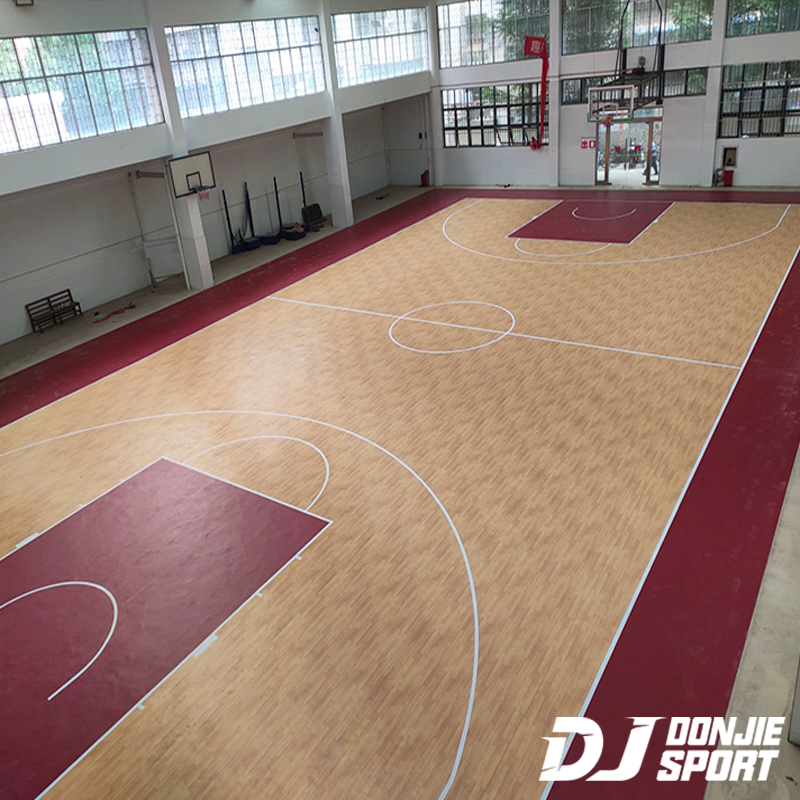
Regular Cleaning Routine for Sports Hall Floors
Maintaining a clean sports hall floor is essential for preserving its longevity and ensuring a safe playing surface. Dirt, dust, and debris can accumulate quickly, especially in high-traffic areas. These particles can cause friction, wear down the floor’s surface, and potentially increase the risk of injuries.
Types of Dirt and Debris That Accumulate
The most common types of dirt that accumulate on sports floors include:
-
Dirt and mud: Carried in from the outside or on players’ shoes.
-
Sweat and oils: From athletes’ skin and equipment.
-
Food and drink spills: Often unavoidable in sports settings.
-
Rubber residue: From shoe soles, which can build up over time.
Choosing the Right Cleaning Equipment and Products
To avoid damaging the surface, it’s essential to choose the right cleaning tools and products. Avoid using harsh chemicals or abrasive tools that can strip away protective coatings. Instead, opt for:
-
Microfiber mops: These are gentle on the surface while effectively picking up dirt.
-
Soft-bristled brooms: Ideal for sweeping dust and larger debris without scratching the floor.
-
Non-toxic cleaners: Safe, pH-balanced cleaners designed specifically for sports flooring.
Step-by-Step Cleaning Process
A thorough cleaning routine should be followed regularly:
-
Sweep the floor to remove loose dirt and debris.
-
Mop using a microfiber mop and a recommended cleaner, ensuring the mop is damp, not wet, to avoid excess moisture.
-
Dry the surface: After mopping, allow the floor to dry completely to avoid slips and damage.
-
Buff the floor: Use a buffer to maintain the floor’s shine and smoothness, helping to restore its finish.
Regular cleaning not only keeps the floor looking great but also protects it from long-term damage caused by dirt and debris buildup.
Preventing Damage: Tips for Long-Lasting Sports Hall Floors
Preventing damage to your sports hall floor is just as important as regular cleaning. By being mindful of certain behaviors and environmental factors, you can extend the life of your floor significantly.
Importance of Proper Footwear
One of the most significant contributors to floor wear and tear is improper footwear. Encourage athletes to wear shoes with clean, rubber soles that provide good grip without being too abrasive. Avoid shoes with high heels or rough soles, as they can cause scratches and scuffs.
Avoiding Heavy Impacts or Furniture that Could Damage the Floor
Sports hall floors are designed to withstand a lot of impact, but repeated heavy impacts from furniture or equipment can lead to permanent damage. Ensure that heavy objects are placed on protective mats or wheels to distribute the weight evenly and prevent dents or cracks.
Dealing with Spills and Stains Promptly
Spills and stains can cause both aesthetic and functional problems for your sports floor. Whether it’s a drink spill or mud from outside, it’s important to clean up the mess immediately to prevent staining or slipping hazards. Use a clean cloth or mop to soak up spills and follow with a gentle cleaning solution to remove stains.
Maintaining Floor Finish: Keeping the Gloss and Protection
The finish of a sports hall floor plays a vital role in its appearance, protection, and safety. A high-quality finish not only improves the floor’s aesthetic appeal but also creates a protective layer that guards against moisture, dirt, and wear.
Why Floor Finish Is Important
A floor finish protects the surface from daily wear and tear and extends the lifespan of the flooring. It also provides the floor with a smooth, glossy finish, which enhances the playing experience for athletes. Moreover, the finish can make the floor easier to clean and maintain, preventing debris from adhering to the surface.
How to Maintain and Restore the Shine on Your Sports Floor
Maintaining the floor’s shine requires regular attention. Here are the steps to keep it looking its best:
-
Clean regularly: Dirt and debris can quickly dull the floor’s shine, so make sure to clean the floor thoroughly.
-
Polish the floor: Use a high-quality floor polish designed for sports floors to restore the gloss. Apply evenly and buff the surface using a mechanical floor buffer.
-
Reseal the floor: Over time, the protective coating may wear thin. Resealing the floor every few years helps protect it from moisture and stains.
Recommended Products for Resealing and Polishing
Choose a finish that’s compatible with your specific floor type (e.g., wood, vinyl, or polyurethane). Products designed for sports hall flooring should be durable and non-slip. Always follow the manufacturer’s guidelines for application to ensure the best results.
Repairing Minor Damages Quickly
Even with regular maintenance, sports hall floors can experience minor damage. Whether it’s from a dropped object or heavy foot traffic, addressing these issues promptly can prevent them from becoming larger problems.
Common Types of Wear and Tear
-
Scratches and scuffs: Often caused by shoes or dropped objects.
-
Dents and gouges: Can happen if heavy equipment is dropped or dragged across the floor.
-
Cracks: These can develop due to changes in temperature or humidity or from structural issues.
How to Handle Minor Chips, Scratches, or Dents
For minor scratches or scuffs, simply buffing the area with a floor buffer can help. For deeper gouges or dents, it may be necessary to apply a repair kit designed for your floor type. These kits typically include putty or fillers that can be applied to the damaged area, then sanded and polished to blend seamlessly with the surrounding floor.
When to Consult a Professional for Repairs
If the damage is significant or if you’re unsure how to repair it, consulting a professional is the best course of action. Professionals can assess the damage and perform repairs that restore the floor’s functionality and appearance without further risk of damage.
Environmental Considerations: Keeping Your Sports Floor in Optimal Condition
Environmental factors such as humidity and temperature fluctuations can significantly impact the condition of your sports hall floor.
Impact of Humidity and Temperature on Sports Hall Floors
Extreme humidity or temperature changes can cause wood floors to expand or contract, leading to cracks or warping. Vinyl floors can become brittle or fade in direct sunlight. To protect your floor:
-
Control humidity: Maintain consistent humidity levels (ideally between 40-60%) to prevent wood floors from expanding or contracting.
-
Control temperature: Keep the temperature stable to avoid any expansion or contraction of the flooring materials.
How to Maintain the Right Environment for the Floor
Use dehumidifiers or HVAC systems to regulate indoor air quality. Avoid placing the floor in direct sunlight, especially if it’s a wood or vinyl floor, as exposure to UV light can cause fading.
Using Mats and Rugs to Protect High-Traffic Areas
High-traffic areas, such as entryways or seating areas, are prone to more dirt and damage. Consider using mats or rugs in these areas to protect the floor. Ensure they’re cleaned regularly to prevent dirt buildup underneath.

Professional Maintenance: When to Call the Experts
While regular maintenance can go a long way in preserving your sports hall floor, there are times when professional help is required.
Why and When to Hire Professional Floor Maintenance Services
Professionals are trained to handle complex repairs, deep cleaning, and floor refinishing. They can also apply high-quality finishes and protective coatings that may be difficult to do correctly without the right equipment.
Benefits of Professional Floor Restoration
Professional services can restore a worn-out floor to its original condition, preventing further damage and extending its lifespan. They have access to specialized equipment and products that can provide better results than DIY methods.
Ensuring Longevity and Safety for Your Sports Hall Floor
Maintaining your sports hall floor is essential not only for its appearance but also for the safety and performance of athletes. Regular cleaning, damage prevention, and proper maintenance of the floor’s finish can help keep your floor in top condition. By taking a proactive approach to floor care and consulting professionals when necessary, you can ensure that your sports hall floor lasts for many years, providing a safe and optimal environment for all who use it.