Selecting the right flooring for your sports hall is a crucial decision that impacts not only the safety and comfort of athletes but also the long-term maintenance and overall aesthetics of the space. Sports hall flooring materials must be durable enough to withstand high traffic, provide a safe environment for sports activities, and maintain their quality over time without breaking the budget. Whether you’re outfitting a multi-purpose gymnasium or a dedicated basketball court, the flooring choice will significantly affect performance, player safety, and maintenance costs.
In this guide, we will compare the best sports hall flooring materials, taking into account factors such as durability, maintenance requirements, cost, and performance, so you can make an informed decision for your facility’s needs and budget. Let’s dive into the top flooring options available and explore their advantages and drawbacks.
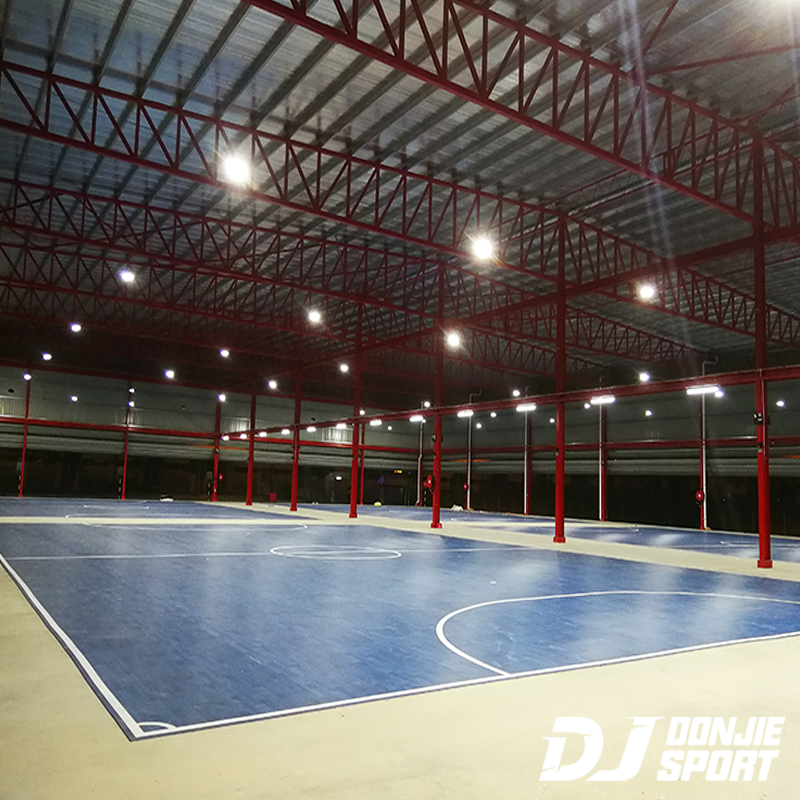
Key Factors to Consider When Choosing Sports Hall Flooring Materials
Before diving into specific flooring options, it’s important to understand the key factors that will influence your decision. These factors help ensure that your chosen flooring material not only fits within your budget but also meets the needs of the sports hall.
Durability
Sports halls are subject to heavy foot traffic, high-impact activities, and sometimes even extreme weather conditions if they are indoor-outdoor spaces. Therefore, durability is a critical factor. A durable floor will withstand wear and tear, retain its appearance, and avoid costly repairs or replacements over time.
Safety
The safety of athletes is paramount. Flooring materials must provide proper traction, cushioning, and shock absorption. A floor that’s too slippery or too hard can result in injury. The best materials will offer a balance of these elements, providing a safe playing surface for various sports, including basketball, volleyball, and badminton.
Maintenance
Over the course of a flooring’s lifespan, regular maintenance is inevitable. Choose a material that is easy to clean and maintain. Flooring that requires minimal upkeep will save you money on long-term maintenance costs. Also, consider whether the flooring material is resistant to stains, spills, and abrasion, which can extend its lifespan.
Aesthetic and Design
Sports halls often serve as multi-functional spaces. Therefore, the flooring must match the overall design and aesthetic of the facility. Whether you’re designing a modern, high-end gym or a more traditional sports hall, the flooring should complement the environment. Flooring that allows for customizable designs can help you match the branding and functionality of the space.
Top Sports Hall Flooring Materials: Pros and Cons
Now, let’s compare the top sports hall flooring materials, weighing their pros and cons based on factors like cost, durability, and performance.
Wood Flooring: The Traditional Choice
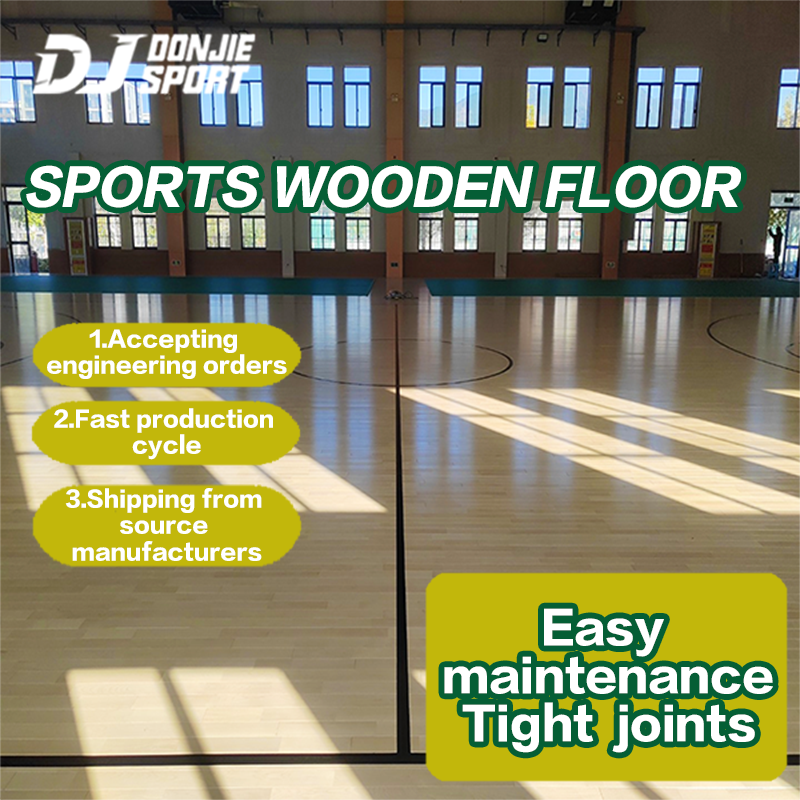
Wooden floors have been the traditional choice for many sports halls, especially in indoor facilities like basketball courts, volleyball courts, and even gymnasiums. They offer a classic, high-quality aesthetic and a smooth, cushioned surface for athletes.
-
Pros:
-
Classic Aesthetic: Wood floors provide a timeless, professional look that works well in high-end gyms and multipurpose sports facilities.
-
Cushioning and Traction: Wood floors offer good cushioning, reducing the risk of injury. They also provide excellent traction for indoor sports.
-
Longevity: With proper care, wooden floors can last for decades.
-
-
Cons:
-
Cost: Wood floors tend to be more expensive than other options, both in terms of initial installation and maintenance.
-
Maintenance: Wood requires regular maintenance, including polishing and refinishing. It’s also prone to damage from moisture or heavy impacts.
-
PVC Flooring: Durable and Low Maintenance
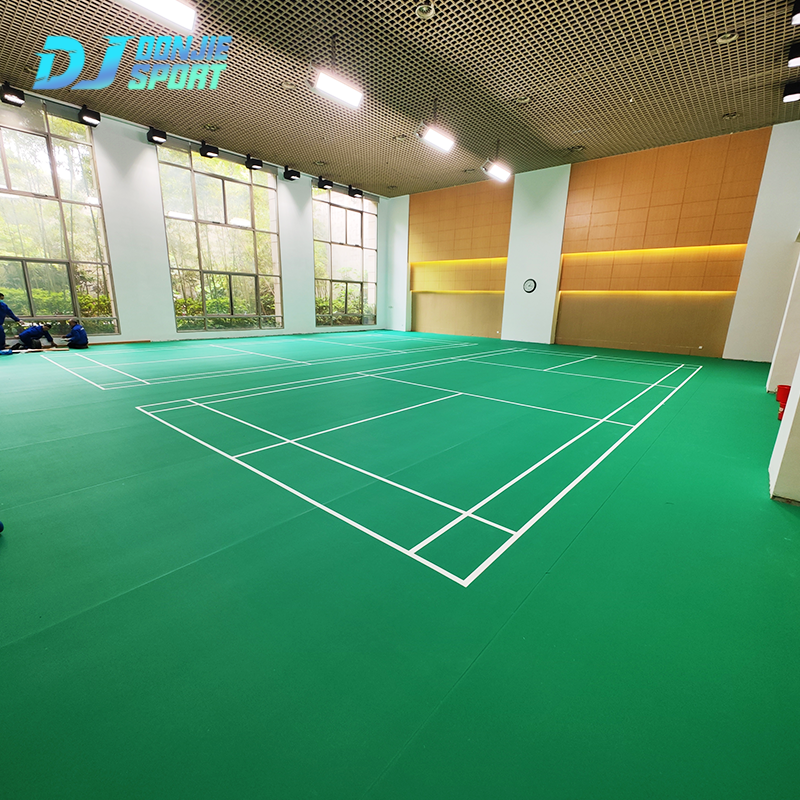
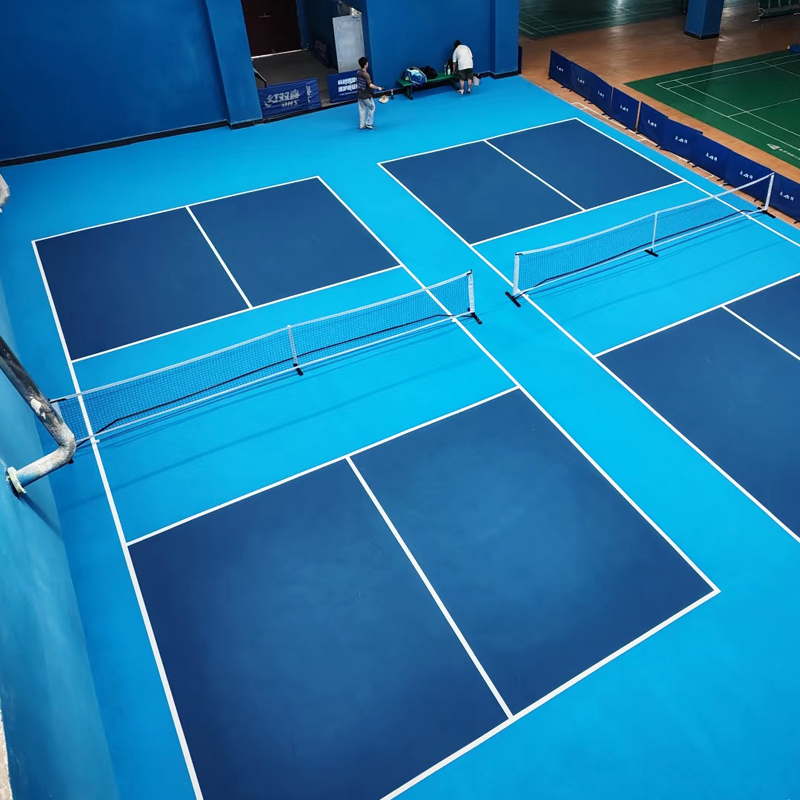
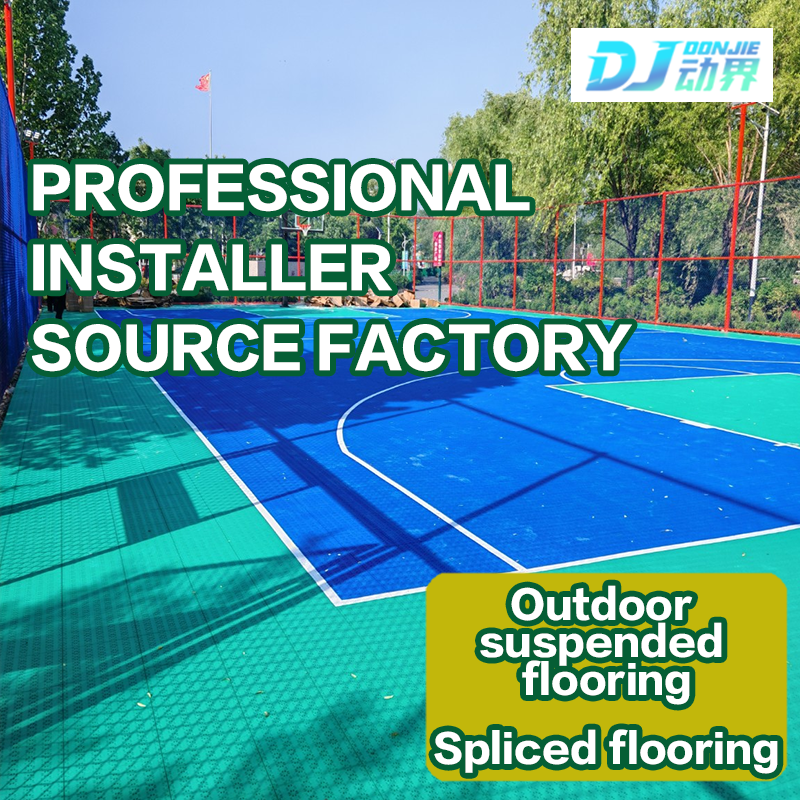
Polyvinyl Chloride (PVC) flooring is a popular choice for sports halls due to its durability, ease of maintenance, and cost-effectiveness. PVC flooring is available in a range of styles, from sheet to interlocking tiles.
-
Pros:
-
Affordable: PVC flooring is generally more budget-friendly than wood or polyurethane.
-
Low Maintenance: It’s easy to clean and maintain, requiring only regular sweeping and occasional mopping.
-
Durable: PVC flooring is resistant to abrasions and can handle heavy foot traffic and impacts without significant damage.
-
Versatile: It’s available in various colors and designs, offering flexibility for aesthetic purposes.
-
-
Cons:
-
Less Aesthetic Appeal: While durable, PVC lacks the warm, high-end appearance of wood floors.
-
Limited Cushioning: PVC flooring may not provide as much cushioning as wood or rubber, potentially increasing the risk of injury for athletes.
-
Rubber Flooring: A Versatile Option for Multi-Sport Halls
Rubber flooring is another budget-friendly option that is gaining popularity in sports halls. It’s particularly favored for multi-purpose spaces where different sports and activities take place.
-
Pros:
-
Shock Absorption: Rubber flooring offers excellent shock absorption, which can help protect athletes’ joints.
-
Durability: Rubber is highly resistant to wear and tear, especially in high-traffic areas.
-
Cost-Effective: Rubber flooring is often cheaper than wood and polyurethane, making it a great option for facilities on a budget.
-
Noise Reduction: It helps in reducing noise, which is particularly useful in gyms and fitness centers.
-
-
Cons:
-
Aesthetic Limitations: Rubber flooring often lacks the sophisticated look of wood or vinyl options, and design options can be limited.
-
Odor: Rubber floors may emit an odor, particularly in the first few months after installation.
-
Hard to Repair: If damaged, rubber flooring can be difficult to repair seamlessly.
-
Polyurethane Flooring: High-End Solution for Premium Facilities
Polyurethane flooring is considered a premium option for sports halls. It’s known for its superior durability and high performance, especially in elite sports facilities.
-
Pros:
-
Excellent Durability: Polyurethane flooring is extremely durable and can withstand the wear and tear of even the most intense sports.
-
Smooth Surface: It provides a smooth, even surface that’s perfect for sports like basketball, volleyball, and badminton.
-
Flexible: This material is highly flexible, offering good shock absorption and reducing impact on athletes’ joints.
-
-
Cons:
-
Expensive: Polyurethane flooring is one of the most expensive options, both in terms of initial installation and maintenance.
-
Requires Professional Installation: To ensure the quality of the installation, a professional is required, adding to the overall cost.
-
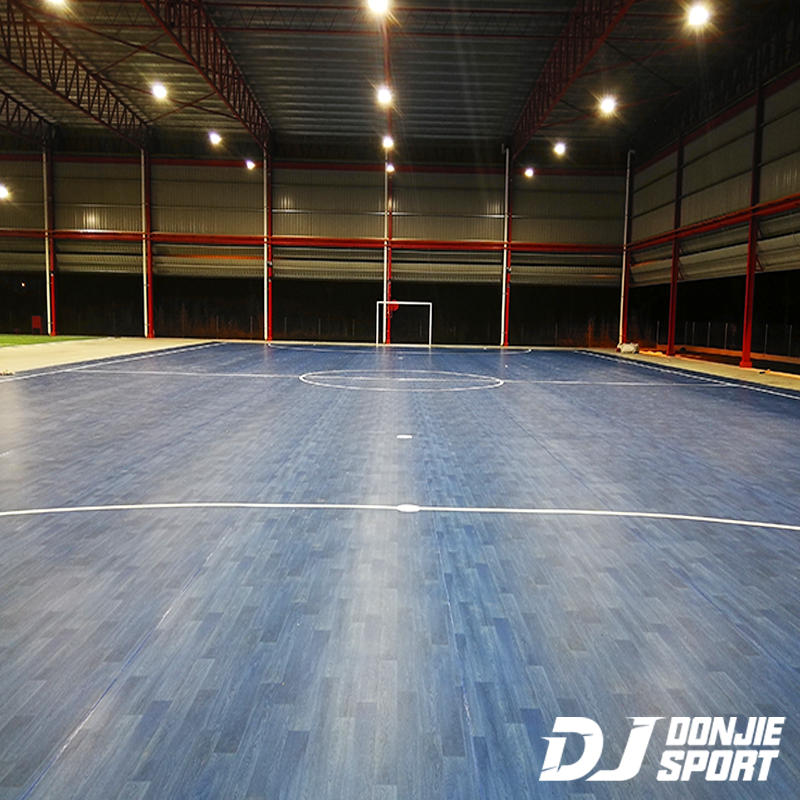
How to Balance Quality and Budget with the Right Flooring Choice
When comparing the various sports hall flooring materials, the key is to balance quality with your available budget. Here are some tips:
-
Cost vs. Longevity: If you have a limited budget, PVC or rubber flooring can offer great value for money, providing a good balance between cost and durability. If you can afford higher initial costs, wood or polyurethane may be a better long-term investment due to their durability and performance.
-
Prioritize Safety: No matter your budget, ensure that the flooring you choose provides a safe surface for athletes. Shock absorption, traction, and a non-slippery surface are essential for injury prevention.
-
Maintenance Considerations: Think about the long-term maintenance costs of your flooring. Materials like PVC and rubber are low-maintenance, while wood and polyurethane require more frequent upkeep.
Making an Informed Decision for Your Sports Hall Flooring Materials
Choosing the right sports hall flooring material is a multifaceted decision. It requires balancing your budget with the needs of your facility, the type of sports played, and the maintenance you’re willing to invest in. Wood floors offer elegance and cushioning, while PVC and rubber provide cost-effective and durable options. For premium facilities, polyurethane delivers top-tier performance, though at a higher price point.
By considering durability, safety, aesthetics, and long-term maintenance, you can select the flooring that best suits your needs and budget. The key is to choose a flooring material that ensures both the longevity of your facility and the safety and performance of the athletes who use it.