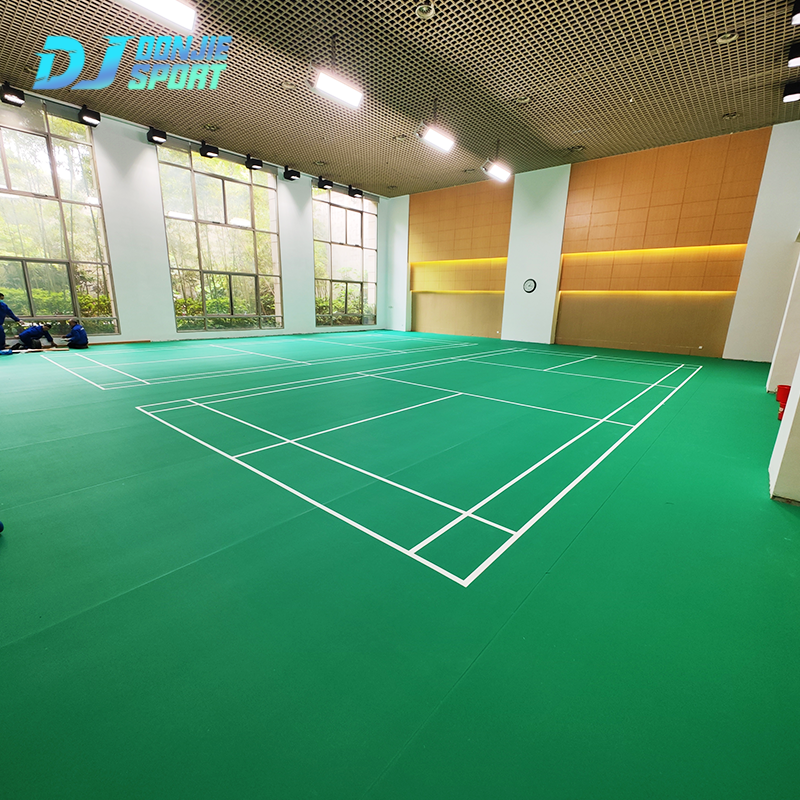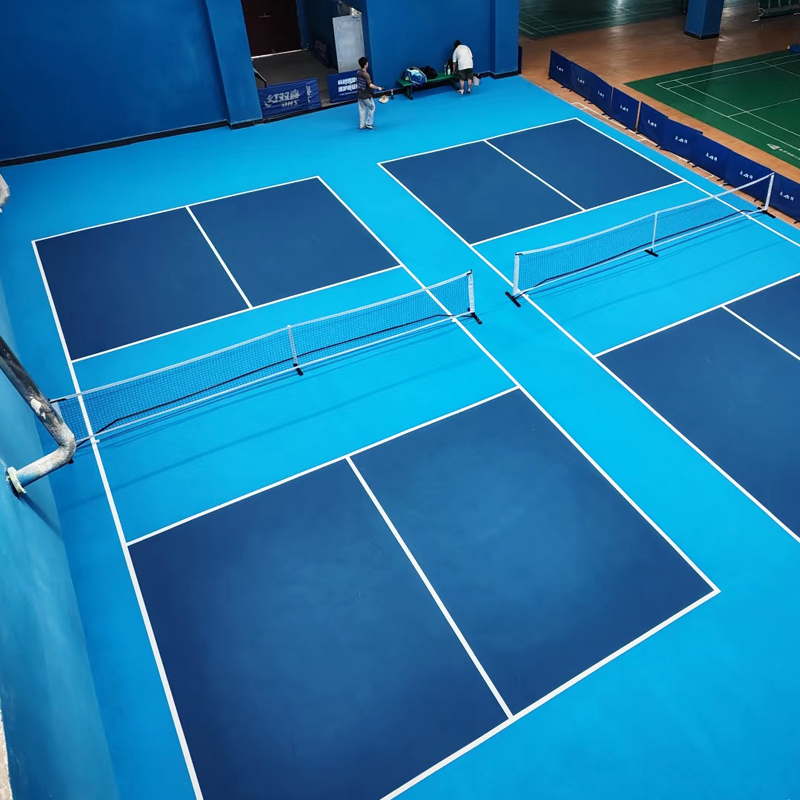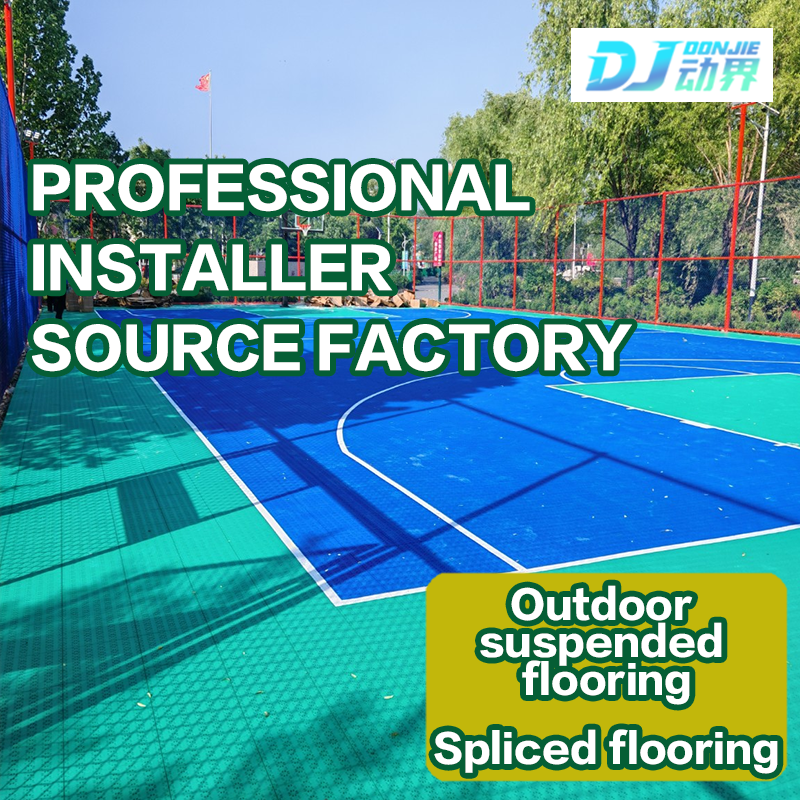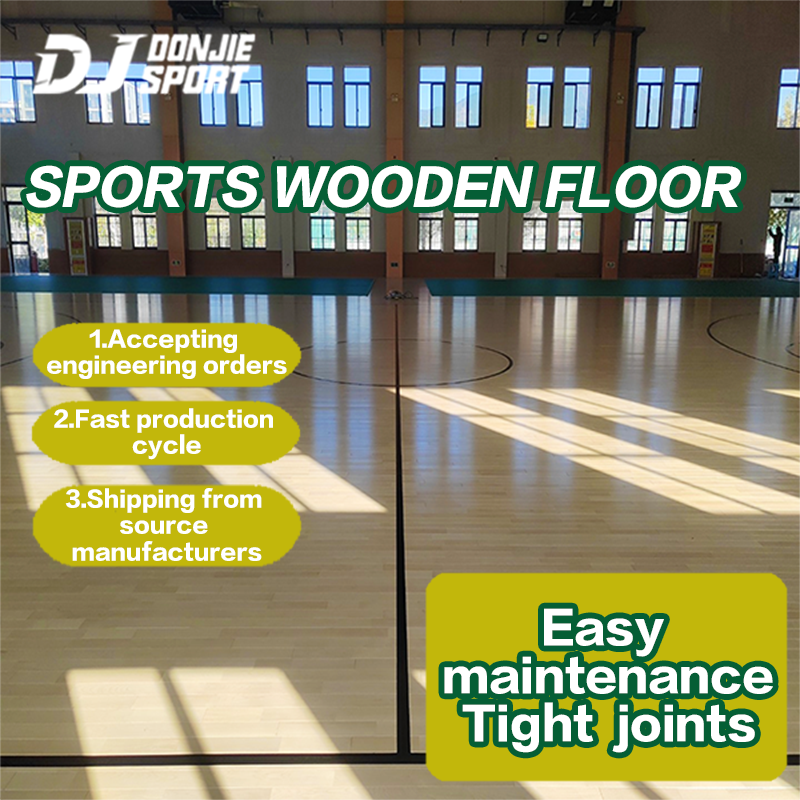
When it comes to building or upgrading sports halls, one of the most significant expenses is the flooring installation. High-quality flooring is essential for safety, performance, and longevity, but the cost of installation can often surprise facility owners or managers. Fortunately, there are several ways to reduce these costs without compromising on quality. In this article, we will explore some of the best strategies for saving money on sports hall flooring installation, while still ensuring a durable and functional surface for your athletes.
By understanding the different flooring materials, installation techniques, and potential cost-saving opportunities, you can make informed decisions that benefit your budget. From comparing contractors’ quotes to choosing the right flooring materials, these tips will help you minimize expenses and maximize value for your sports hall flooring installation.
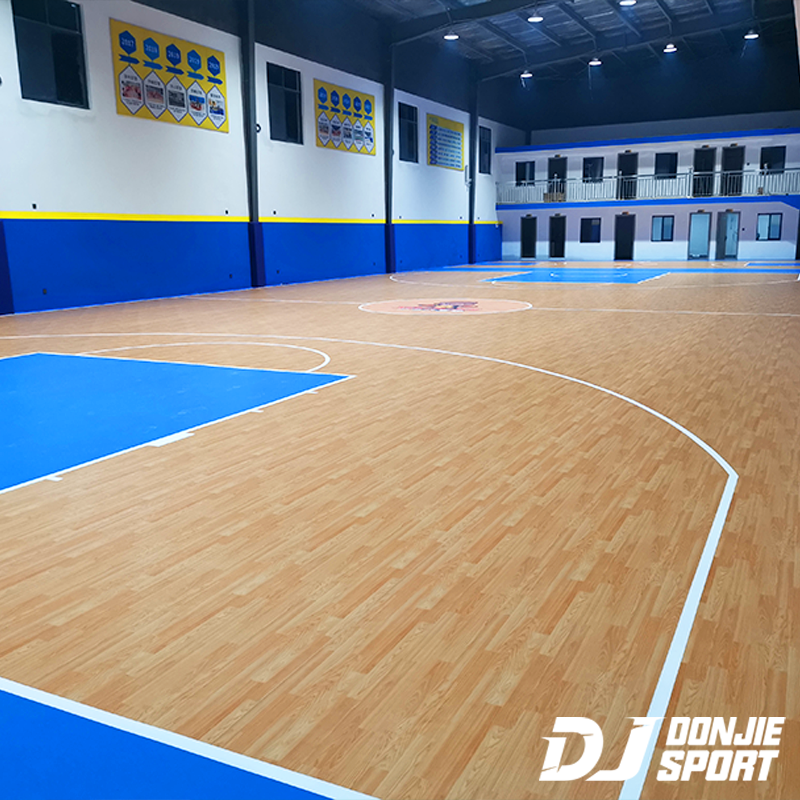
Choose the Right Type of Flooring for Your Needs
Selecting the right flooring material is the first step in ensuring that you don’t overspend on your sports hall flooring installation. There are several options to choose from, each with its own benefits and price points. Here’s how to decide on the best flooring material for your sports hall that also saves you money.
-
Consider Different Sports Hall Flooring Materials: PVC and vinyl are popular, budget-friendly choices for sports halls. These materials are durable, low-maintenance, and often more affordable than hardwood or specialized court flooring. Rubber flooring, another viable option, is durable and provides excellent shock absorption, but it can be pricier than vinyl or PVC options.
-
Factors to Consider When Choosing Flooring: When selecting your flooring, consider the specific sports that will be played in the hall. Some sports, such as basketball and volleyball, require flooring that offers high impact resistance and consistent traction. While hardwood floors are the traditional choice for indoor courts, PVC and vinyl flooring can deliver similar performance at a fraction of the cost. Always consider the long-term costs of maintenance and repair, as some flooring options, although initially cheaper, may require more frequent upkeep, increasing overall costs.
Plan and Prepare the Space Properly
A little preparation can go a long way when it comes to reducing installation costs. If you take the time to get the space ready beforehand, the actual flooring installation can proceed smoothly, reducing labor costs and potential delays.
-
Measure Your Space Accurately: It’s crucial to take accurate measurements of the area that needs flooring. Incorrect measurements can lead to buying too much or too little material, resulting in waste and additional expenses. Most flooring suppliers offer free measurement consultations, so be sure to utilize this service if available.
-
Ensure the Subfloor is Ready: The condition of the subfloor is one of the most critical factors in the cost of installation. If the subfloor needs repairs or leveling, it can add substantial costs to the project. Addressing any issues beforehand, such as fixing cracks or ensuring the floor is smooth, will help the installation process go faster and reduce overall labor costs.
-
Clear Obstacles and Prepare the Environment: Having a clean and clear space for the installers will speed up the installation process. If there are obstacles such as furniture or debris, it may delay work and increase labor charges. Make sure the area is prepped and ready to go before the installers arrive.
Compare Quotes from Multiple Flooring Contractors
Hiring an experienced contractor is essential to ensuring that the installation goes smoothly and lasts for years, but the cost of contractors can vary significantly. Here’s how to make sure you’re getting the best value for your money.
-
Get Multiple Quotes: It’s always a good idea to get quotes from at least three contractors. This gives you a clear idea of the market rate and provides the opportunity to find a more affordable option without sacrificing quality.
-
Negotiate with Contractors: Don’t hesitate to negotiate with contractors to bring down the price. Many contractors are willing to work within your budget if you are flexible with your installation schedule or materials.
-
Ensure Contractors Are Experienced in Sports Hall Flooring: Sports hall flooring installation requires specific expertise. Ensure that the contractor has experience with sports hall floors, as poorly installed floors can lead to costly repairs and replacements. It’s worth paying a slightly higher fee for a contractor who understands the unique needs of sports flooring.
Choose an Efficient Installation Method
The method of installation you choose can also impact the total cost of your flooring project. Some installation methods are quicker and more cost-effective than others.
-
Interlocking vs. Glue-Down Systems: One way to save money is by choosing interlocking flooring systems, which are often cheaper and easier to install than glue-down options. These systems don’t require adhesive and can be installed more quickly, saving both time and money on labor.
-
DIY Installation (If Feasible): If you have a small sports hall or are working with a straightforward flooring option, DIY installation could be a cost-effective choice. Interlocking tiles, in particular, are easy for a team to install without professional help, allowing you to save money on labor.
-
Pre-Installation Preparation for Faster Completion: Make sure all the necessary preparation steps are completed before installation begins. If you take care of subfloor issues and clearing the space beforehand, the installation can be completed faster, which means lower labor costs.
Opt for Budget-Friendly Flooring Options
One of the easiest ways to save money on sports hall flooring installation is to choose a more affordable material. While it’s tempting to choose premium hardwood or specialized flooring, there are many budget-friendly options that are still highly durable and functional.
-
Choosing Low-Cost Yet Durable Options: PVC and vinyl flooring options are often much more affordable than traditional hardwood floors while still offering the performance required for sports halls. These materials are durable, long-lasting, and relatively low-maintenance, making them an excellent choice for cost-conscious buyers.
-
Avoid Over-Engineering the Flooring: While it may be tempting to choose extra features or premium materials, sometimes a simple flooring solution will meet all your needs. Opting for features that are not essential for your specific facility can result in unnecessary expenses.
Consider Long-Term Maintenance Costs
Although initial installation costs are important, it’s also essential to consider how much you’ll spend on maintaining the flooring over time. Some flooring options may seem affordable upfront but require more frequent repairs, cleaning, or replacement, ultimately costing you more in the long run.
-
Lower Maintenance Flooring Options: Flooring materials like vinyl and PVC tend to require less upkeep than wood or rubber floors, which can save money over time. These floors are easier to clean and maintain, reducing the frequency and cost of repairs.
-
Invest in Protective Coatings: Some sports hall flooring options can be protected with coatings that make them more resistant to wear and tear. While this may be an upfront cost, it can extend the lifespan of your flooring and reduce the need for repairs or replacements.
Look for Discounts and Deals
Just like any other purchase, you can save money on sports hall flooring installation by taking advantage of discounts and deals from suppliers.
-
Bulk Purchase Discounts: If you’re purchasing flooring for a large area, consider buying in bulk. Many suppliers offer discounts for bulk purchases, which can lower the overall cost of your project.
-
Seasonal Sales and Promotions: Many flooring suppliers offer discounts during certain times of the year, such as the end of a season or during promotional events. Keeping an eye on these deals can help you save money on both materials and installation.
Financing Options
For larger sports hall flooring projects, financing may be a good option. This allows you to spread out the costs of installation over time, making it easier to manage your budget.
-
Exploring Financing Options for Large Installations: Many flooring suppliers and contractors offer financing options to help spread the costs. This can help make the installation more affordable in the short term while allowing you to pay over a longer period.
-
Government Grants and Subsidies for Sports Facilities: Depending on your location, there may be grants or subsidies available to help fund the installation of sports hall flooring. Research available funding options and apply for assistance if you qualify.
Conclusion
Saving money on sports hall flooring installation doesn’t mean sacrificing quality. By choosing the right materials, comparing contractors, preparing your space, and taking advantage of bulk purchasing and discounts, you can keep costs under control while still getting a high-quality, durable flooring solution for your sports hall. Whether you’re renovating an existing facility or building a new one, these strategies will help ensure you get the best value for your investment.