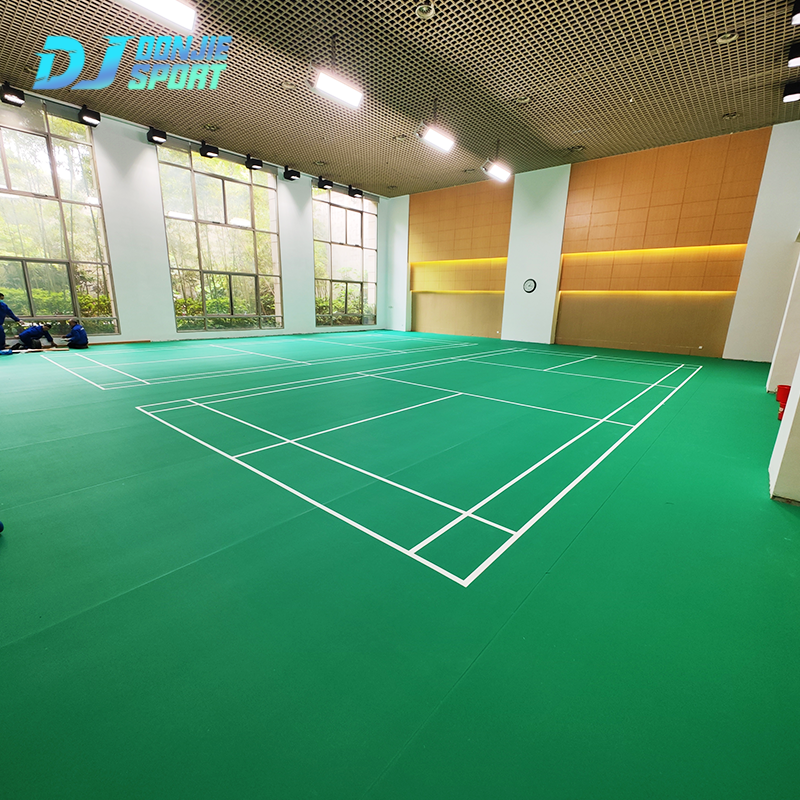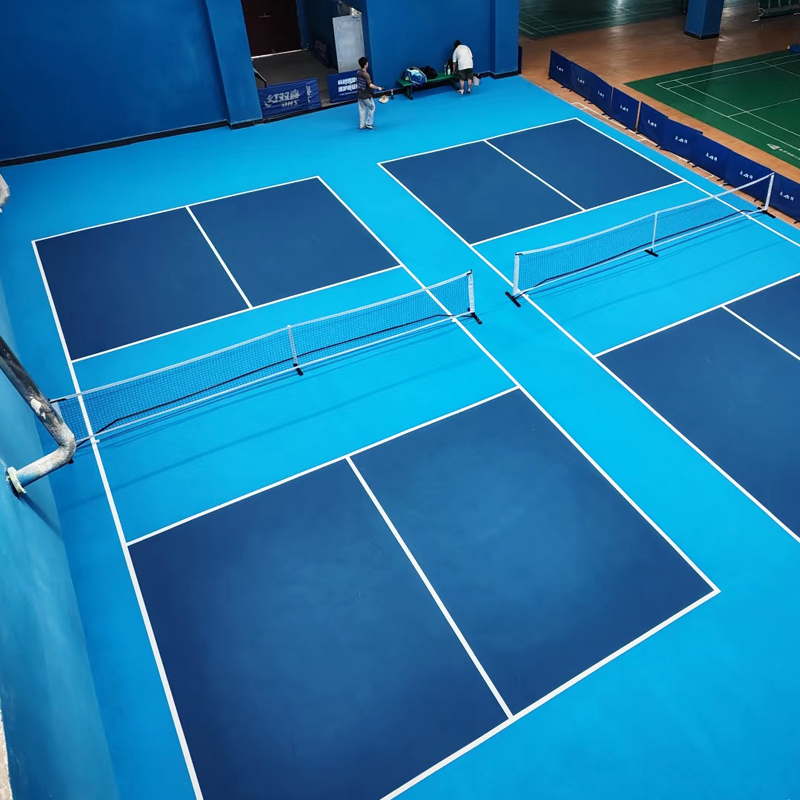
As we look ahead to 2026, sports hall flooring continues to evolve, driven by advances in technology, sustainability, and performance. In an industry where durability and safety are paramount, staying on top of the latest trends in flooring can significantly impact the functionality and longevity of sports facilities. This article explores the key flooring trends that will shape sports halls in the coming years, from eco-friendly innovations to the integration of smart technologies. Whether you’re building a new facility or refurbishing an existing one, understanding these trends will help you make informed decisions about the best flooring options for your sports hall.
Eco-Friendly Materials in Sports Hall Flooring
Sustainability is no longer a buzzword—it’s a necessity, especially in the sports industry. As environmental concerns continue to grow, more sports hall flooring manufacturers are turning to eco-friendly materials that reduce the carbon footprint and improve sustainability.
Recycled rubber, cork, and bamboo are gaining popularity as flooring options due to their natural properties and renewability. Additionally, advanced PVC options are being designed with recycled content, ensuring high-performance surfaces while minimizing waste. These materials not only reduce environmental impact but also offer excellent durability, making them suitable for high-traffic areas like sports halls.
The demand for eco-friendly sports hall flooring aligns with the growing regulatory pressures for sustainable practices, providing a dual benefit: reducing environmental harm while meeting environmental standards.
Smart Flooring: Integrating Technology into Sports Halls
Technology is rapidly changing how sports facilities are designed, and flooring is no exception. Smart flooring solutions that incorporate sensors and tracking systems are becoming increasingly common in sports halls. These systems provide valuable data on player performance, as well as the wear and tear of the flooring itself.
For example, sensors embedded in the flooring can track the intensity of foot traffic, monitor athletes’ movements, and even detect areas of high wear. This data is valuable for maintenance teams, allowing them to schedule repairs or replacements before any significant damage occurs. In addition, some smart flooring systems feature lighting that adjusts based on the time of day or activity level, further enhancing the user experience.
While the concept of smart flooring is still relatively new, its potential to revolutionize sports facility management and performance analysis is immense.
Multi-Purpose Flooring for Flexible Use
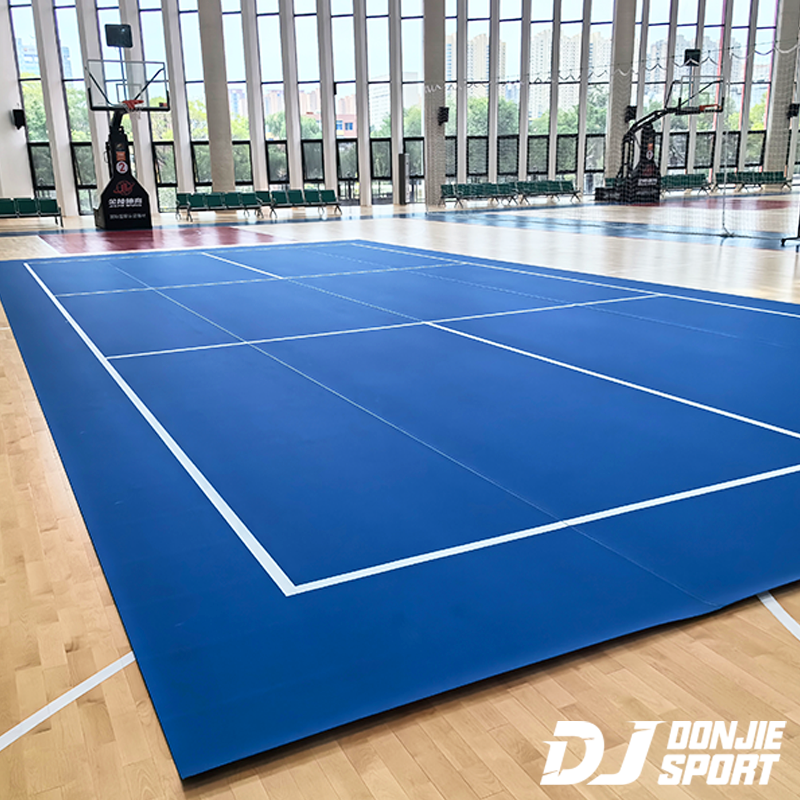
Gone are the days when sports halls were designed exclusively for one sport. Today’s sports facilities are designed with versatility in mind, making multi-purpose flooring an essential trend for 2026. These floors are engineered to accommodate a variety of sports, from basketball and volleyball to badminton and table tennis.
The flexibility of multi-purpose flooring not only maximizes the use of space but also reduces costs associated with having multiple specialized floors. These floors are designed with reversible patterns or interlocking tiles that can be adapted to various sports requirements, ensuring optimal safety and performance for athletes.
For schools, universities, and community centers that need to make the most out of their limited space, multi-purpose sports hall flooring is the perfect solution.
Durability and Performance Improvements in Flooring
As sports halls face constant high traffic, durability remains a key consideration for 2026 flooring trends. Flooring solutions that are resistant to wear, tear, and heavy impacts will continue to dominate the market. One notable trend is the increased use of high-density materials, such as polyurethane and reinforced PVC, which offer superior durability while maintaining an ideal balance of comfort and grip for athletes.
Moreover, performance-oriented features such as enhanced shock absorption, better grip, and energy return will be a focal point. These materials reduce the risk of injury and improve athletes’ overall performance by providing a stable and responsive surface. With ongoing innovation in materials science, sports flooring is becoming not only more durable but also more performance-enhancing.
Aesthetic and Customization Trends in Sports Hall Flooring
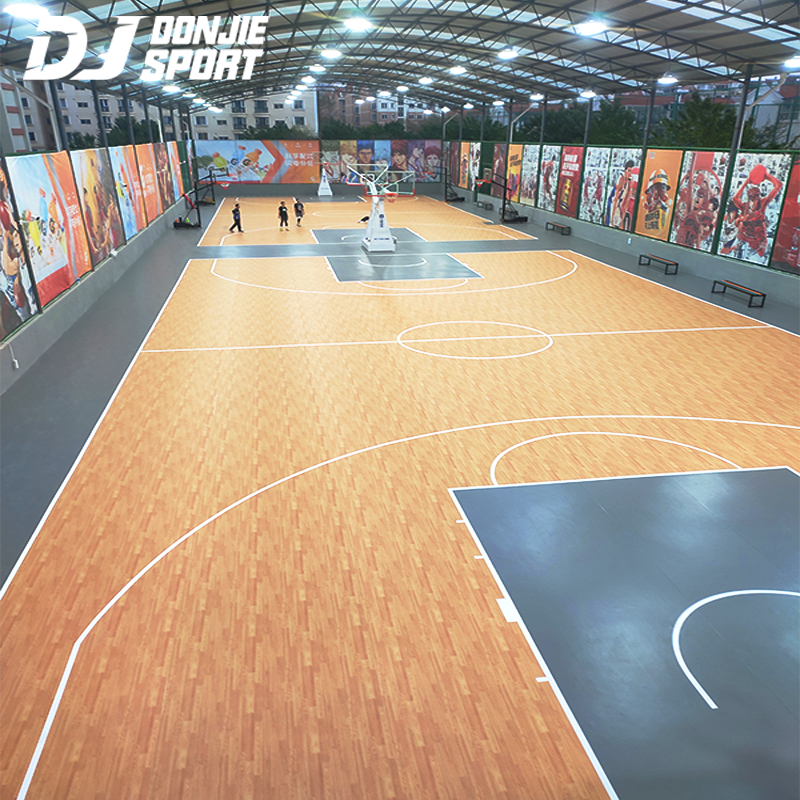
In 2026, aesthetics are playing an increasingly important role in sports hall design. Flooring is no longer just functional; it’s a key part of creating a visually appealing and motivating environment for athletes. Sports facilities are opting for customized flooring solutions that reflect their branding or team spirit.
Color choices, patterns, and logos can now be incorporated directly into the flooring design, creating an immersive experience for athletes and spectators alike. Whether it’s a school gymnasium or a professional sports arena, the ability to personalize the flooring gives each space a unique identity while enhancing the atmosphere.
Additionally, the growing focus on wellness and mental health in sports environments means that aesthetics will continue to play a role in creating motivating and inspiring spaces for athletes.
Innovations in Maintenance and Cleaning for Sports Flooring
Maintaining a sports hall floor in top condition can be a daunting task, especially in high-traffic environments. Fortunately, innovations in floor coatings and finishes are making cleaning and maintenance easier than ever before.
New flooring technologies are being developed with built-in features that minimize the need for frequent cleaning. For instance, anti-static and dirt-resistant coatings help keep floors cleaner for longer, reducing the frequency and intensity of maintenance needed. These innovations allow sports halls to operate more efficiently, saving time and money on maintenance.
As facilities continue to prioritize cost-efficiency, floors that require less upkeep will become increasingly popular.
Anti-Microbial and Hygiene-Focused Flooring Solutions
In a post-pandemic world, hygiene and cleanliness are more important than ever. Anti-microbial flooring solutions are at the forefront of this trend, offering built-in protection against harmful bacteria and viruses. These floors are treated with antimicrobial agents that inhibit the growth of microorganisms, ensuring a healthier environment for athletes.
In sports halls, where physical activity and close contact are common, these flooring solutions offer an added layer of protection against infections and diseases. As hygiene becomes a top priority in sports facility management, antimicrobial flooring solutions are likely to become the standard in 2026 and beyond.
Conclusion
The latest trends in sports hall flooring for 2026 reflect the growing demand for sustainability, technology, versatility, and performance. From eco-friendly materials to smart flooring systems and multi-purpose designs, these innovations are transforming sports facilities into high-performing, aesthetically pleasing, and more sustainable spaces. By staying ahead of these trends, sports facility managers can ensure that their flooring solutions meet the needs of athletes and the environment while optimizing cost and functionality.