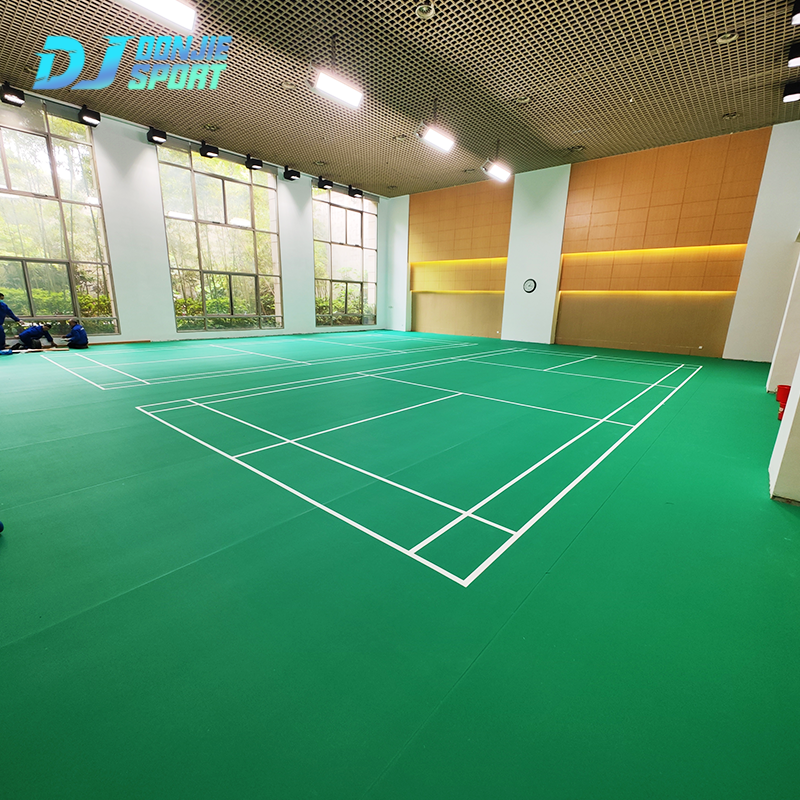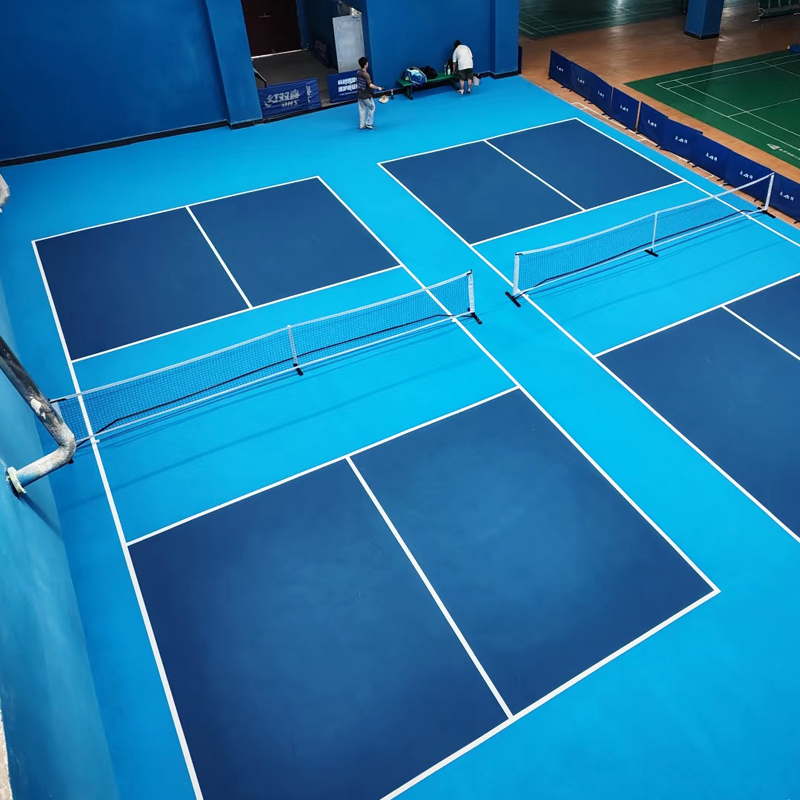
Sports facilities, whether they are gyms, multi-purpose halls, or specialized courts, are spaces where athletes push their limits to perform their best. However, one of the most overlooked yet critical components of any sports venue is the flooring. Proper sports hall flooring plays a pivotal role in preventing injuries, making it a key factor in athlete safety. A well-designed floor does more than provide a playing surface—it can significantly reduce the likelihood of accidents and long-term physical strain.
In this article, we’ll explore how the right sports hall flooring helps minimize injury risks, enhance performance, and ensure a safe environment for both amateur and professional athletes. We’ll also provide insights into the various flooring options available and how they contribute to creating a safer sports experience.
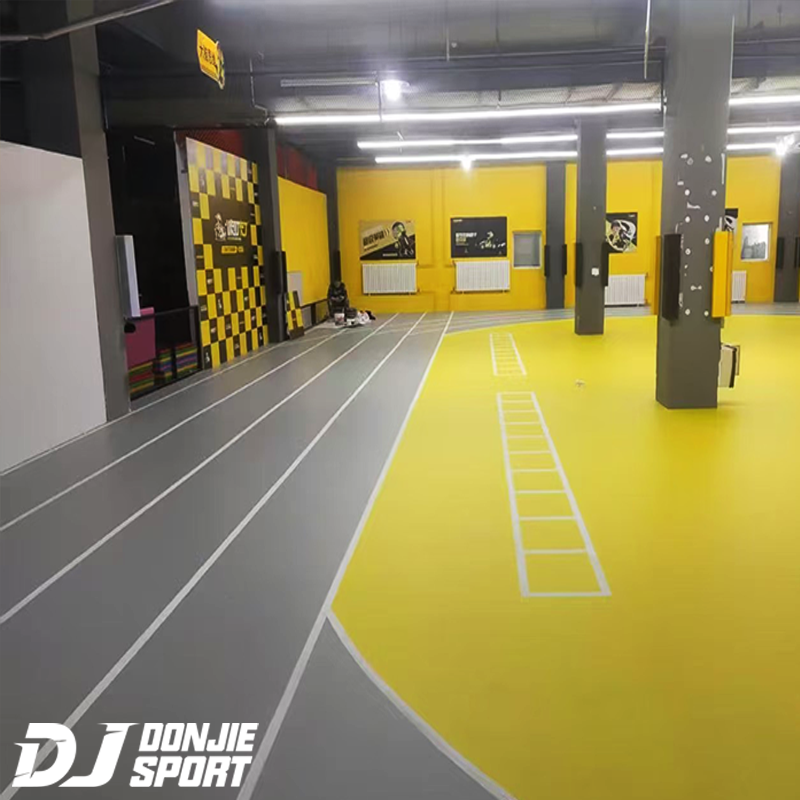
Understanding Sports Hall Flooring: Key Features and Benefits
Sports hall flooring comes in various materials, each with unique characteristics tailored to specific needs and types of sports. The choice of material is crucial not just for aesthetic reasons but for safety, comfort, and performance enhancement. Some of the most common materials used in sports flooring include PVC, rubber, wood, and polyurethane.
One of the most important aspects of sports hall flooring is its cushioning and shock absorption properties. Flooring that offers superior shock absorption helps reduce the impact on joints and muscles, preventing injuries such as stress fractures and sprains. The flooring’s ability to absorb shock directly influences how well athletes’ bodies respond to high-impact movements, such as jumping or sudden pivots.
Additionally, the grip or texture of the flooring is a critical factor in preventing injuries. Sports such as basketball, badminton, and indoor soccer require a surface that provides traction without being too abrasive. Flooring with an optimal grip prevents athletes from slipping or sliding unexpectedly, which is a leading cause of falls and injuries during play.
How Sports Hall Flooring Prevents Common Sports Injuries
Injury prevention is perhaps the most crucial factor in selecting sports hall flooring. Certain injuries, like sprains, strains, and fractures, often occur due to the repetitive nature of high-impact sports. The right flooring can mitigate these risks by offering the following:
-
Prevention of Sprains and Strains
Flooring with proper cushioning reduces the risk of sprains and strains by absorbing the shock from high-impact movements. Sports like basketball, volleyball, and handball involve sudden directional changes and jumps that put a lot of strain on the ankles, knees, and hips. Flooring designed to absorb shock can significantly lower the risk of these injuries. -
Protection Against Joint Injuries
As athletes continuously jump and land during a game, their joints—particularly knees and ankles—take the brunt of the impact. Flooring that provides sufficient cushioning, such as PVC or rubber-based options, reduces the shock on these joints and minimizes the chances of long-term wear and tear or acute injuries. -
Reducing Slip and Fall Risks
Slips and falls can result in a wide range of injuries, from minor bruises to serious fractures. The texture and grip of sports flooring are designed to prevent slips, even during rapid movements or abrupt stops. Non-slip surfaces made of materials like rubber or textured PVC are ideal for providing athletes with secure footing, even when they sweat or the environment is damp.
The Impact of Flooring on Athlete Performance
While safety is paramount, the right flooring also enhances performance. Poorly chosen flooring can hinder an athlete’s ability to perform at their best, affecting everything from agility to comfort. Here’s how the right sports hall flooring supports athlete performance:
-
Optimal Comfort
Athletes need a floor that supports their bodies without causing fatigue or discomfort. Flooring that offers too much bounce or rigidity can cause discomfort during prolonged periods of activity. Properly balanced floors, such as well-installed wood or PVC flooring, offer the ideal combination of comfort and support. -
Enhanced Stability
Sports like basketball and tennis require rapid, lateral movements, and flooring that provides stability ensures athletes can pivot, stop, and change direction without fear of slipping. Stability also reduces the risk of ankle sprains or joint injuries, allowing athletes to focus on their game rather than worry about the floor’s condition. -
Improved Movement Efficiency
High-quality sports flooring facilitates smoother movements, reducing the friction that can slow athletes down. Whether it’s a basketball court or a badminton hall, flooring that enables fast footwork allows athletes to perform at their peak. This is particularly important for sports that require swift sprints or precise foot placement.
Factors to Consider When Choosing Sports Hall Flooring for Injury Prevention
When selecting sports hall flooring, there are several factors to keep in mind to ensure safety and performance optimization:
-
Material Choice
The choice of material directly influences injury prevention. PVC flooring, for example, is often favored for its durability and shock-absorbing properties. Wood floors, common in basketball courts, offer a natural surface that balances cushioning with grip. Rubber flooring, on the other hand, excels at minimizing joint impact, making it ideal for multipurpose gyms and fitness centers. -
Thickness and Underlay Considerations
Flooring thickness plays a crucial role in cushioning. Thicker floors with appropriate underlays provide better shock absorption, helping to reduce the strain on athletes’ joints. The underlay also helps with noise reduction, ensuring a quieter, more focused environment. -
Surface Texture and Grip
As mentioned earlier, the texture of the surface can prevent slips and falls. Flooring designed for specific sports should have the right level of grip. For instance, basketball courts require surfaces with more traction, while courts for sports like badminton may have a smoother surface to facilitate easier sliding.
Maintenance and Upkeep of Sports Hall Flooring for Safety
Maintaining sports hall flooring is essential to ensuring it remains safe and functional over time. Regular maintenance and inspections are necessary to preserve the flooring’s shock-absorbing capabilities and prevent deterioration.
-
Cleaning and Maintenance
Proper cleaning routines not only keep the sports hall looking neat but also ensure that the flooring’s surface remains non-slip. Regularly cleaning the floors removes dirt, debris, and moisture, which can compromise traction. -
Inspection and Repair
Over time, flooring may experience wear and tear, especially in high-traffic areas. It’s important to conduct routine inspections to check for cracks, uneven surfaces, or loss of cushioning. Timely repairs ensure the flooring continues to offer protection against injuries. -
Periodic Renovation
In some cases, flooring might need to be fully renovated or replaced. This is especially true for older sports halls where the flooring may have lost its shock-absorbing properties. Investing in high-quality, durable materials from the start ensures that the flooring remains an asset for years.
Conclusion
In conclusion, the role of sports hall flooring in injury prevention cannot be overstated. It not only protects athletes from common injuries such as sprains and fractures but also contributes to overall performance by offering comfort, stability, and support. By carefully considering the type of flooring, material quality, and maintenance practices, sports facilities can create safer, more efficient spaces that promote athletic excellence. Choosing the right flooring is an investment in both the athletes’ safety and the longevity of the sports hall.