The construction of a sports hall floor is far more than just a functional necessity. It plays a significant role in enhancing the performance of athletes, ensuring their safety, and creating an overall optimal environment for various sports. Whether it’s a basketball court, a badminton hall, or a multi-purpose sports facility, the type and quality of flooring chosen for these spaces will influence the speed, agility, and balance of players. In this article, we explore how sports hall floor construction directly impacts the performance of athletes and why it should be a priority for facility owners and managers.
Understanding the Role of Sports Hall Flooring
The choice of flooring in a sports hall is critical in influencing both the comfort and performance of athletes. In any sports facility, the flooring must support the physical demands of the sport while providing a safe, comfortable environment for players. Sports hall floor construction involves more than just aesthetic considerations—it’s about ensuring a surface that can withstand intense activity, provide adequate shock absorption, and deliver the right level of grip.
The quality of flooring can impact a player’s ability to pivot, jump, or make quick movements, which are fundamental to performance in sports like basketball, volleyball, and badminton. An inadequate surface can lead to fatigue, poor performance, or even injuries. As a result, the right construction and material selection will greatly contribute to maximizing performance levels.
Types of Sports Hall Floor Materials and Their Impact
Different sports require different types of flooring to provide the best performance and safety. The most common materials used in sports hall floor construction are:
-
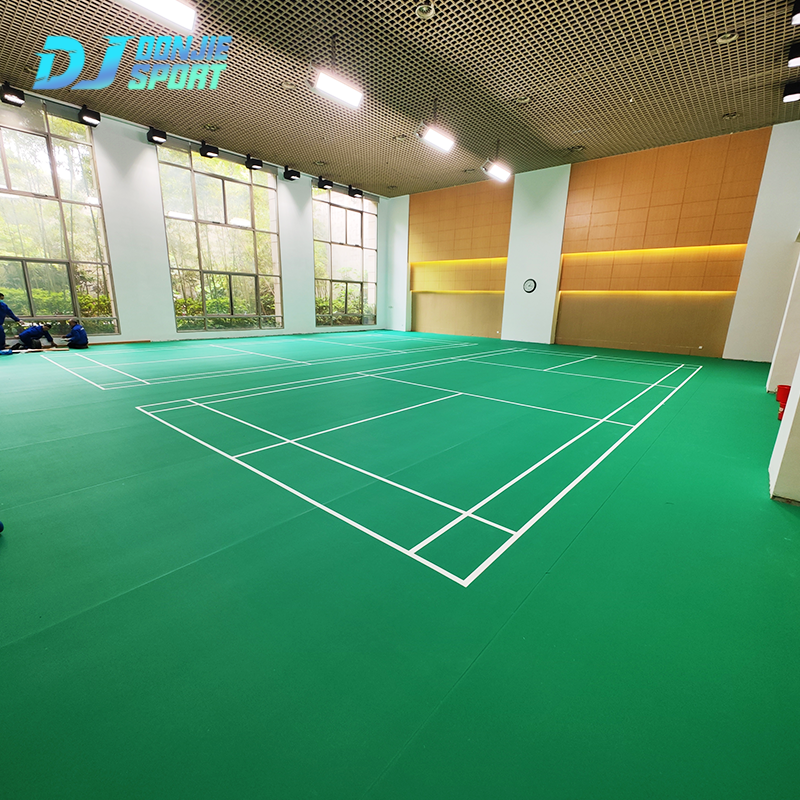
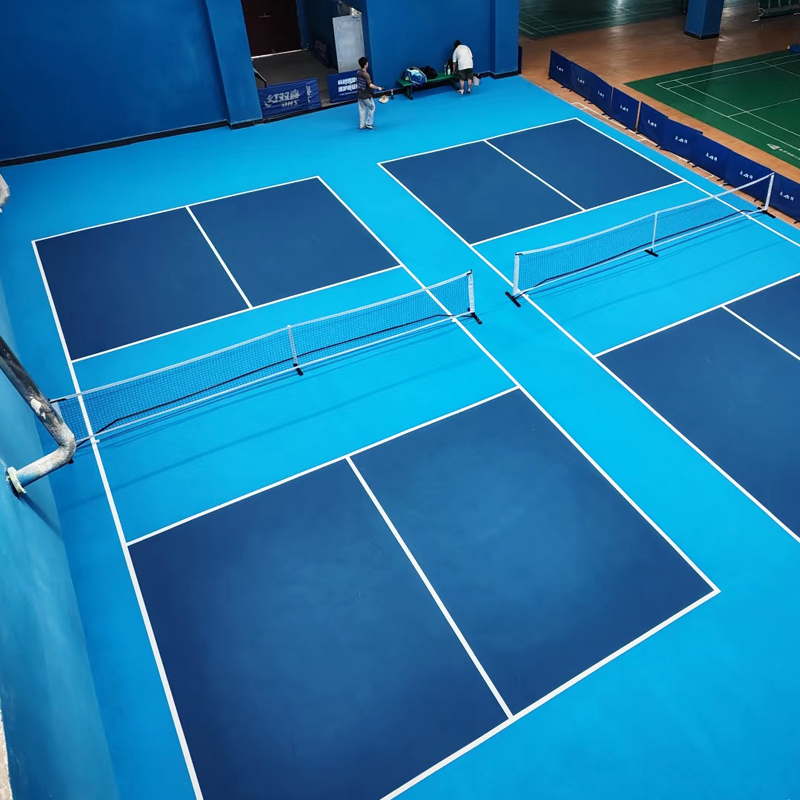
PVC (Polyvinyl Chloride) Flooring: Known for its durability and shock absorption, PVC flooring is a popular choice for many indoor sports venues. It provides a consistent and even surface that enhances player comfort and performance. Its flexibility helps to reduce the impact on joints during high-intensity movements, such as jumps and quick turns. PVC flooring also offers excellent grip, which is crucial in preventing slips during fast-paced games.
-
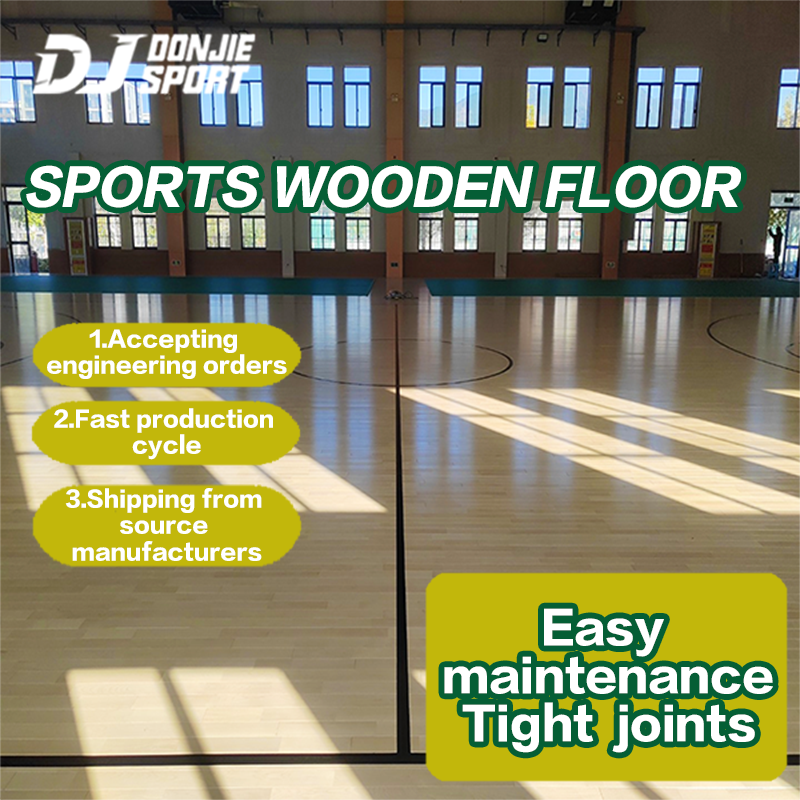
Wood Flooring: Traditional wooden floors, especially in basketball courts, are favored for their bounce and natural aesthetic. Wood is ideal for sports that require ball bounce consistency and player comfort. It is also appreciated for its aesthetic appeal and long lifespan, but it can be susceptible to wear and tear over time, requiring regular maintenance.
-
Rubber Flooring: Often used in multi-purpose halls, rubber flooring is highly durable and offers superior shock absorption. It is ideal for high-impact sports, where minimizing strain on the body is essential. Rubber floors are also quieter, making them a good choice for gyms and fitness centers.
Each material has its strengths and weaknesses, and understanding the specific needs of the sports being played is crucial for selecting the right one. The choice of flooring material directly impacts how athletes perform, as it influences movement efficiency, comfort, and safety.
The Significance of Proper Floor Construction for Injury Prevention
Proper sports hall floor construction plays a vital role in reducing the risk of injuries. When a floor is poorly constructed or made from subpar materials, it can increase the risk of accidents such as sprains, strains, and fractures. A well-designed and correctly installed floor ensures that the surface is even, smooth, and safe for players.
The key to injury prevention lies in the ability of the flooring to provide shock absorption and traction. Floors that absorb impact reduce the strain on players’ joints and muscles. For instance, basketball players often perform high jumps, and without proper shock absorption, this could lead to knee or ankle injuries. Furthermore, the right amount of traction ensures that athletes can stop and start quickly without slipping or losing balance.
Sports flooring that is too hard or too slippery can lead to unnecessary risks, affecting overall performance. A correctly constructed floor, with the right materials, ensures that athletes have the best environment to perform at their peak while reducing the potential for injury.
Performance Enhancement Through Sports Hall Flooring
The quality of the sports hall floor construction significantly influences an athlete’s performance. Flooring that offers a balance of grip, comfort, and resilience allows athletes to reach their full potential in terms of speed, agility, and accuracy. For example, basketball courts require flooring that provides a consistent bounce and grip to allow players to make quick cuts, leap effectively, and execute precise movements.
Similarly, sports like badminton and volleyball demand floors that provide the right amount of cushion while maintaining surface firmness for proper footing. Badminton players rely on a floor that allows them to make fast, precise footwork without the risk of slipping, while volleyball players need a surface that absorbs some of the shock from jumps while ensuring stable traction.
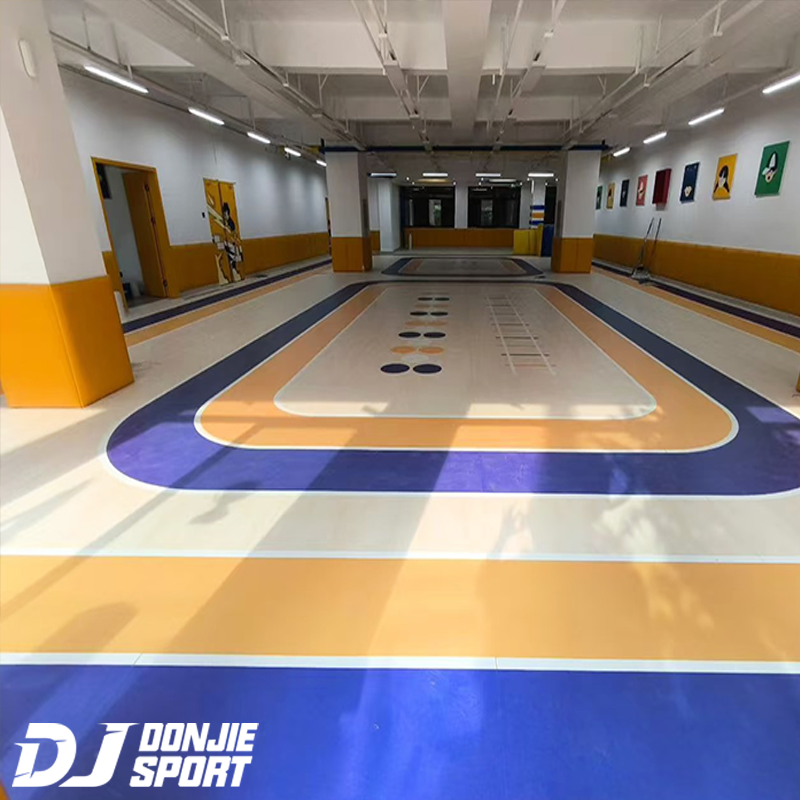
For multi-purpose halls, the flooring must be versatile, supporting a variety of sports. Flooring that enhances player performance by supporting various movements—whether it’s running, jumping, or pivoting—is essential in maximizing athletic output.
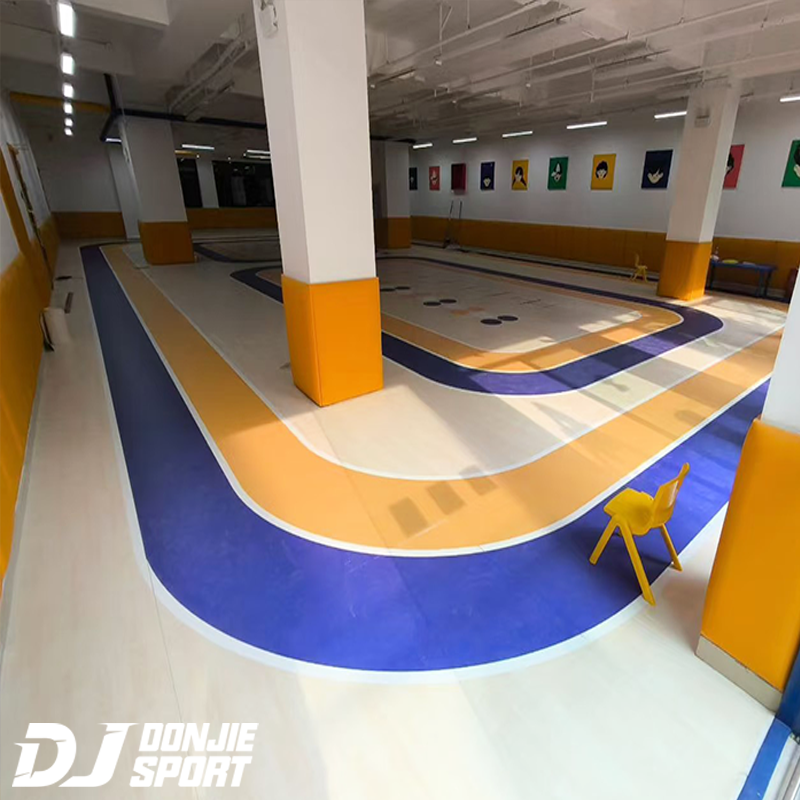
The Aesthetic and Functional Benefits of High-Quality Floor Construction
A well-constructed sports hall floor isn’t just about functionality—it also adds aesthetic value to the venue. The appearance of the floor can contribute to the atmosphere and morale of athletes. A professional, high-quality floor creates a sense of pride for players and can even boost performance.
Moreover, high-quality flooring is a long-term investment. Though the initial construction costs may be higher, a durable floor can save money in the long run due to its longevity and reduced need for repairs. A strong, well-maintained floor prevents excessive wear and tear, which reduces the likelihood of costly replacements. It also requires less maintenance, as materials like PVC and rubber are less prone to damage than traditional wood floors.
The Importance of Maintenance and Upkeep in Performance
Floor maintenance is an often overlooked but crucial part of keeping a sports hall’s performance at its best. Regular cleaning and care of the floor ensure that it remains smooth, durable, and safe. Neglecting to maintain the floor can lead to safety hazards like loose tiles, cracks, or uneven surfaces, which could impact performance or cause injuries.
Maintaining the floor involves periodic cleaning, refinishing, and, in some cases, re-coating the surface to restore its original qualities. For example, wood floors require refinishing to maintain their smoothness and prevent surface wear. Similarly, rubber and PVC floors must be checked for cracks or signs of wear, and any issues should be addressed immediately to preserve their integrity.
Conclusion
In conclusion, the construction of sports hall flooring has a profound impact on the overall performance of athletes. The right floor construction ensures safety, enhances performance, and contributes to the aesthetic value of the facility. Whether it’s a high-impact sport like basketball or a precision-based sport like badminton, the quality of the flooring plays a crucial role in the comfort, agility, and speed of athletes. By investing in the right materials, proper construction, and regular maintenance, sports facility owners can create an environment that supports top-tier athletic performance for years to come.