Selecting the right flooring for an indoor sports hall or court is crucial for both the safety of athletes and the longevity of the facility. The type of flooring you choose directly affects the performance of the athletes, the maintenance of the sports hall, and the overall experience of the players. With various flooring materials available, it’s essential to consider multiple factors such as durability, safety, comfort, cost, and maintenance requirements.
In this article, we will explore the best flooring options for indoor sports halls and courts. We’ll provide a comprehensive overview of each flooring type, its benefits, and how to choose the one that best suits your sports facility. Whether you’re outfitting a professional basketball court, a multipurpose gymnasium, or a specialized badminton hall, understanding the pros and cons of each flooring material is key to making an informed decision.
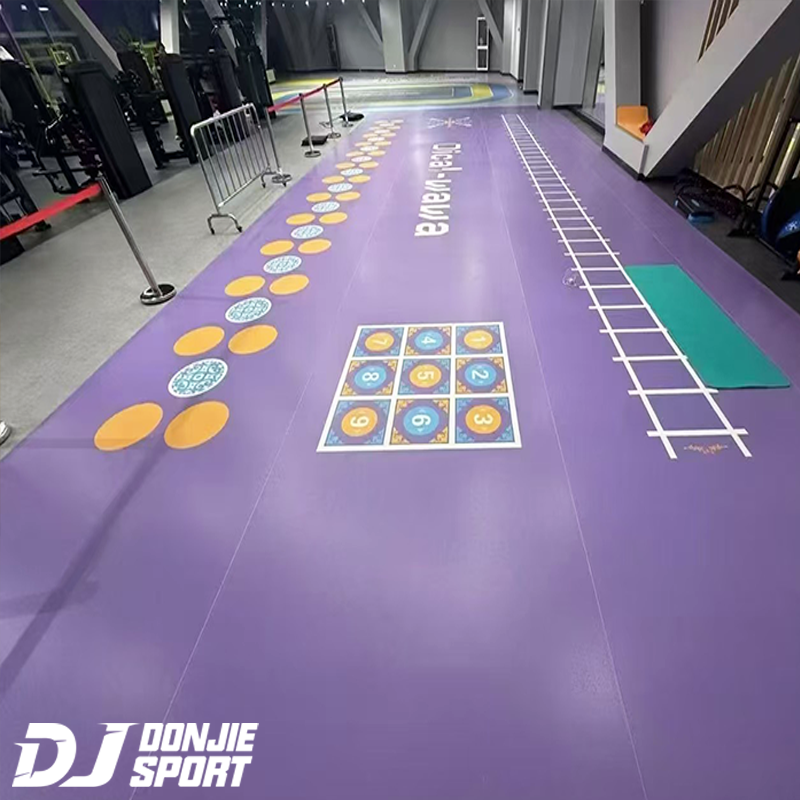
Key Considerations in Choosing the Best Sports Hall Floor
When it comes to sports hall flooring, a few key considerations must be taken into account to ensure both functionality and safety:
Durability and Longevity
The durability of the flooring is one of the most important factors to consider, especially in high-traffic sports environments. Floors that are exposed to constant wear and tear need to withstand heavy usage and occasional impacts from athletic activities. Flooring that can handle foot traffic, equipment, and the physical demands of the sport will provide long-term value to the facility.
Safety and Injury Prevention
The safety of athletes should always be a top priority. Flooring that provides adequate cushioning and shock absorption is crucial in preventing injuries. Hard surfaces can increase the risk of sprains, strains, or impact-related injuries, which is why selecting a floor with the right amount of resilience and traction is essential for protecting players.
Performance and Gameplay Enhancement
Different sports require varying levels of grip and rebound. A basketball court, for example, needs a floor that offers optimal traction for quick lateral movements, while a badminton court benefits from a smooth, high-performance surface for agility. Choosing the right flooring material can enhance the performance of the players and improve the overall gameplay experience.
Cost-Effectiveness and Maintenance Requirements
Budget considerations are an unavoidable aspect of any flooring decision. Some materials, while durable and high-performing, may come with a higher upfront cost. However, lower maintenance needs or longer lifespans can make these materials more cost-effective in the long run. On the other hand, budget-friendly options might incur higher maintenance costs down the road if they require frequent repairs or refinishing.
Top Flooring Options for Sports Halls and Courts
PVC Flooring
Features and Benefits
PVC flooring has become a popular choice for indoor sports halls due to its durability and versatility. Made from a synthetic material, PVC flooring offers exceptional resistance to wear, moisture, and staining. It is particularly well-suited for multipurpose sports facilities, where the floor may be used for various activities like basketball, volleyball, and aerobics.
Ideal Use Cases for Indoor Sports Courts
PVC flooring is commonly used in gymnasiums and indoor courts due to its ability to handle high-impact activities without deteriorating. Its non-porous surface makes it easy to clean and maintain, while the variety of designs allows for customization to fit the aesthetic needs of the space.
Advantages of PVC Flooring
-
Durability: Resistant to scratches, dents, and wear, making it ideal for high-traffic areas.
-
Safety: PVC flooring provides adequate shock absorption, reducing the risk of injury.
-
Cost-Effective: It is generally less expensive than many other types of flooring, offering great value for money.
-
Easy Maintenance: Cleaning and upkeep are relatively simple, requiring minimal effort.
Wood Flooring
Traditional Choice for Many Indoor Sports
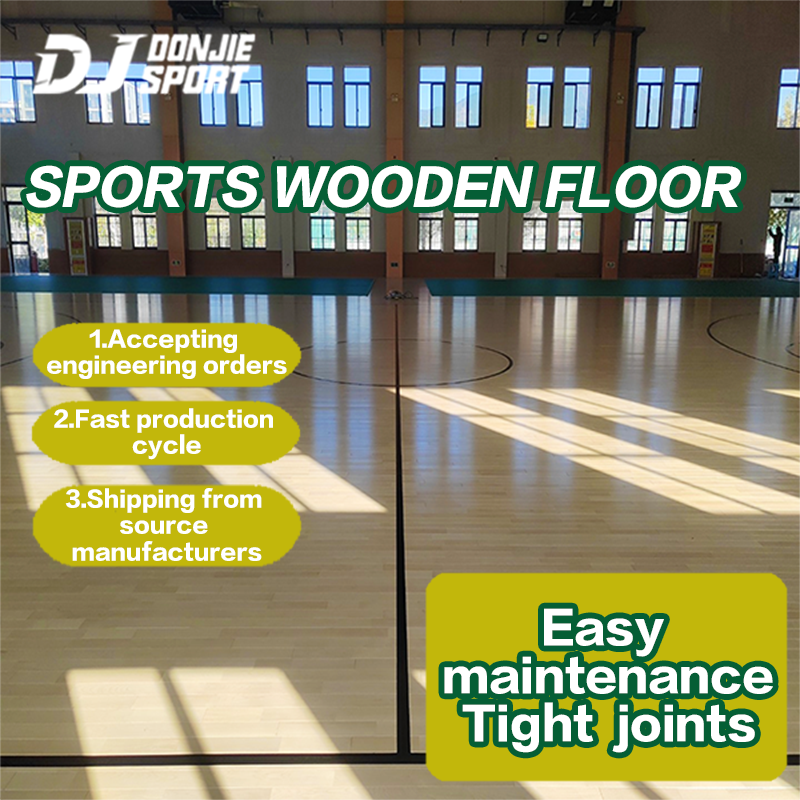
Wooden floors are often seen as the gold standard for sports courts, particularly in high-profile sports like basketball. They have been used for decades due to their superior aesthetic appeal, comfortable feel, and excellent performance.
How Wood Flooring Enhances Game Performance
Wood floors offer a high level of resilience and a natural level of grip, which is beneficial for fast-paced sports. The smooth surface helps players to pivot and move quickly without fear of slipping, and the flooring absorbs impact, making it easier on the joints during high-impact activities.
Maintenance and Care Tips for Wood Floors
Wood floors, while providing excellent performance, require regular maintenance to maintain their longevity. This includes periodic refinishing, ensuring the surface remains smooth and free of blemishes. They also require care in terms of moisture control and protection from excessive wear.
Rubber Flooring
Benefits for Multi-Purpose Sports Halls
Rubber flooring is another great choice for sports halls that host a variety of activities. Its superior shock absorption makes it ideal for sports such as gymnastics, volleyball, and even weightlifting areas. It also offers noise reduction benefits, making it a suitable option for areas where sound insulation is a priority.
Impact Resistance and Shock Absorption
One of the key advantages of rubber flooring is its ability to absorb shock, which can help prevent injuries caused by falls or sudden impacts. It’s also relatively low-maintenance, requiring just occasional sweeping and mopping.
Durability in High-Traffic Areas
Rubber flooring is highly durable and can withstand heavy foot traffic and even equipment like gymnastic apparatus or heavy sports equipment. It’s particularly effective in environments where versatility and long-term resilience are necessary.
Polyurethane Flooring
Advantages in Terms of Flexibility and Resilience
Polyurethane flooring offers a highly resilient surface, making it suitable for both high-impact sports and general-use courts. It has an elastic surface that provides excellent cushioning and support, reducing the risk of injury during physical activities.
Common Applications for Indoor Sports
Polyurethane is often used in professional sports venues or multi-use gyms. It can handle the rigors of intense sports like basketball and volleyball while remaining durable and stable under different conditions.
Pros and Cons Compared to Other Flooring Options
Polyurethane flooring is generally more expensive than PVC or rubber but offers superior performance. It is also easy to maintain and provides a high degree of comfort and safety for athletes.
Vinyl Flooring
Cost-Effective Option with High Performance
Vinyl flooring is a popular option for those looking for an affordable yet durable flooring solution. It’s known for its high performance, versatility, and variety of styles. Vinyl is a great choice for sports halls on a budget, especially in facilities that host a variety of activities.
Versatility in Various Indoor Sports Facilities
Vinyl flooring comes in a wide range of colors and designs, allowing for customization. It’s suitable for sports like badminton, table tennis, and general fitness activities. It is also relatively easy to clean and maintain.
Features of Modern Vinyl Flooring for Sports Halls
Modern vinyl flooring often includes features like slip resistance, enhanced cushioning, and moisture resistance, making it ideal for indoor sports.
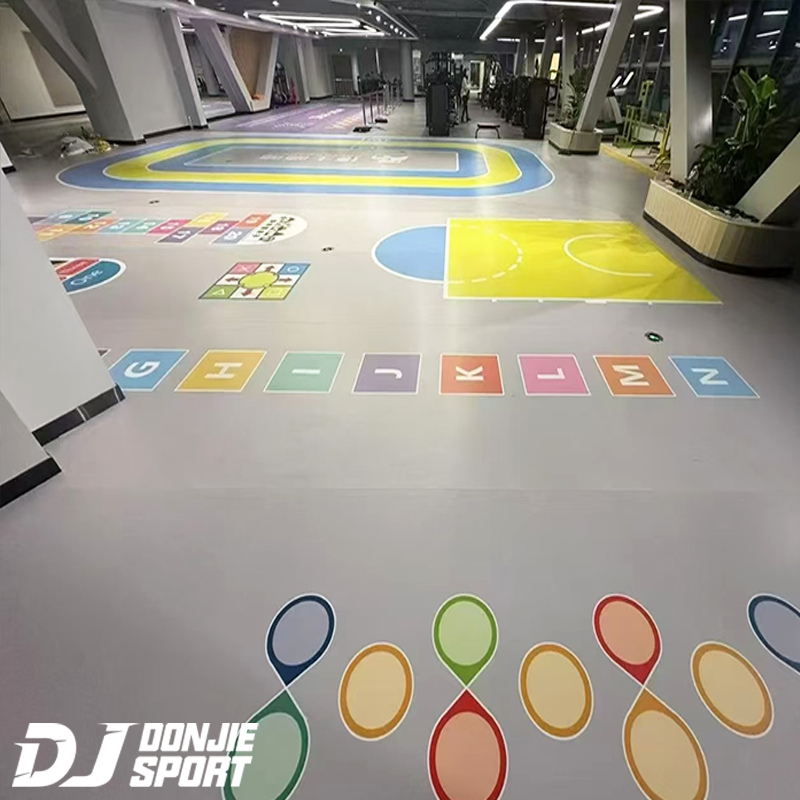
How to Choose the Right Flooring Based on Sports Activities
Different sports have varying demands on flooring materials, and choosing the right one can significantly impact both performance and safety. Here’s a guide to selecting the best flooring for specific sports:
Flooring for Basketball Courts
Basketball is a fast-paced sport requiring floors with excellent traction and cushioning. The best choice for basketball courts is wooden flooring or high-quality PVC flooring. Wooden floors provide the right amount of grip for quick movements, while their shock absorption properties protect players’ joints during jumps and landings. PVC flooring is also a solid choice, offering durability and resistance to wear while ensuring a stable surface.
Flooring for Volleyball Courts
Volleyball, like basketball, requires flooring that minimizes impact and provides adequate traction. Wooden floors are commonly used for volleyball due to their resilience and grip. However, rubber flooring or polyurethane flooring could also be a good choice in multi-use facilities where volleyball is one of many activities.
Flooring for Badminton Courts
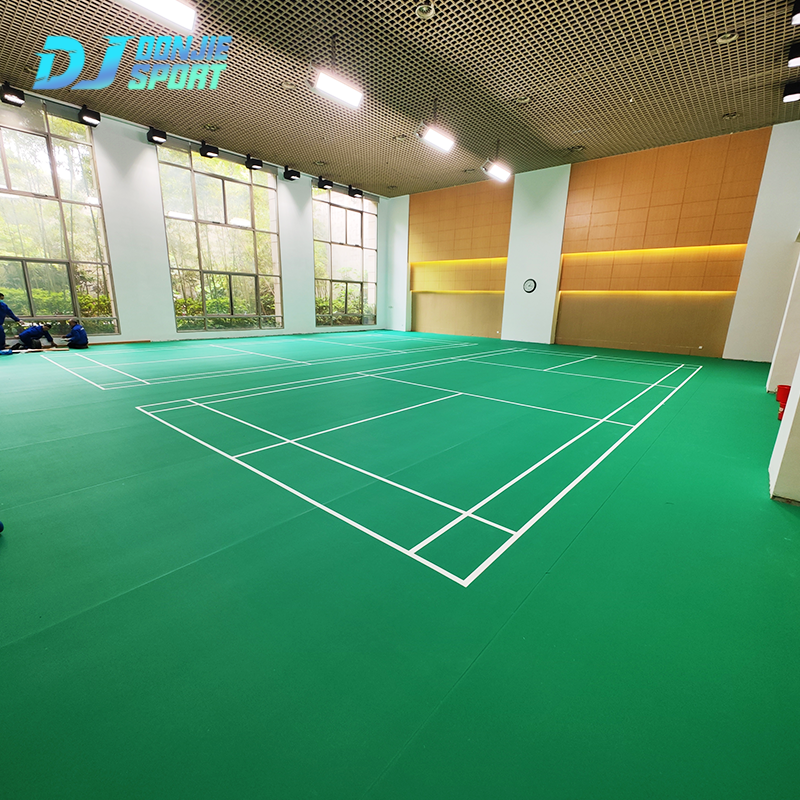
Badminton players need a surface that is smooth and slip-resistant for quick lateral movements. Vinyl flooring or high-quality PVC flooring is the most common option, as it provides a consistent and smooth surface while maintaining a good balance of grip and cushioning.
Flooring for Multi-Purpose Gymnasiums
For facilities that host multiple sports and activities, rubber flooring or polyurethane flooring may be the best options. These materials offer versatile performance and provide ample shock absorption. Rubber flooring is particularly useful for multi-purpose gyms where heavy weights or equipment are used, while polyurethane flooring provides a more professional-grade surface suitable for various sports like basketball, volleyball, and indoor soccer.
Environmental and Sustainability Considerations
When selecting sports hall flooring, it’s also important to think about environmental impact and sustainability. As more sports facilities aim to reduce their ecological footprint, choosing eco-friendly materials is a growing trend.
Eco-Friendly Flooring Options
Many modern flooring solutions are made from sustainable materials or incorporate recycled elements. Rubber flooring, for example, is often produced using recycled tires, making it an eco-friendly choice. Additionally, PVC flooring can be manufactured with fewer harmful chemicals and is highly durable, reducing the need for frequent replacement.
Benefits of Sustainable Materials for Sports Halls and Courts
By opting for environmentally friendly flooring, sports facilities can contribute to the broader sustainability movement while still enjoying the benefits of durable, high-performance flooring. Sustainable materials like recycled rubber or water-based polyurethane coatings can also improve the air quality inside sports halls by reducing volatile organic compound (VOC) emissions.
Long-Term Environmental Impact of Flooring Choices
Choosing durable, long-lasting flooring materials helps reduce the environmental impact over time, as it minimizes the need for constant replacements and repairs. Polyurethane and rubber floors, for example, can last for years with minimal maintenance, contributing to fewer waste products and less environmental strain.
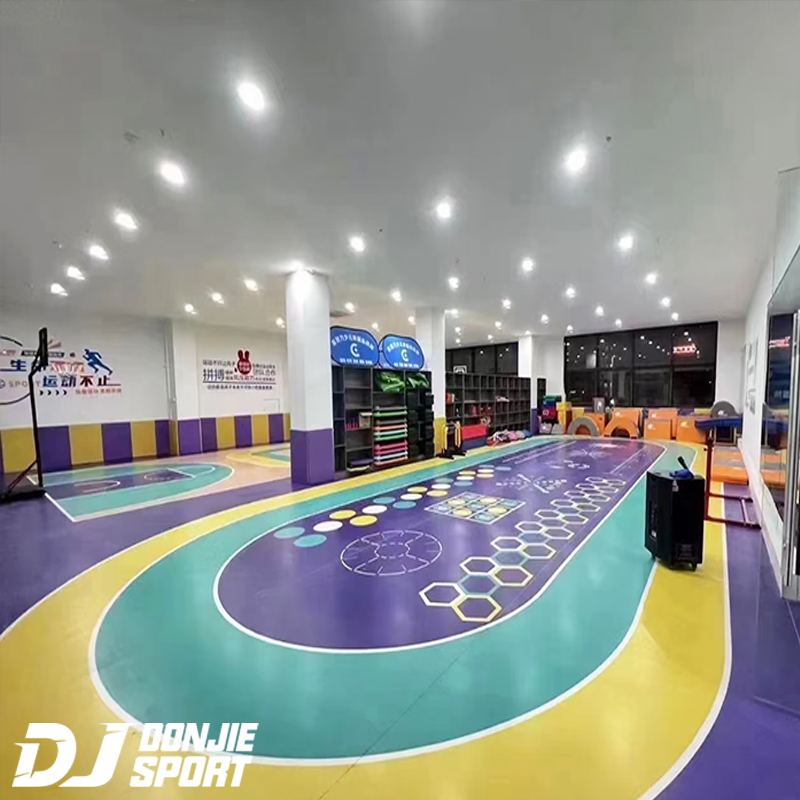
Installation and Maintenance of Sports Hall Flooring
Overview of Installation Processes for Various Flooring Types
The installation process for sports hall flooring can vary significantly depending on the material chosen. Here’s an overview of the installation requirements for different types:
-
PVC and Vinyl Flooring: These floors are relatively easy to install and can be laid quickly, making them ideal for time-sensitive projects. They are generally available in interlocking tiles or rolls, which simplifies the process.
-
Wooden Flooring: Installing a wooden floor requires a more complex process, including subfloor preparation, laying down wooden panels, and finishing the surface. The installation time is longer, and specialized contractors are often required.
-
Rubber Flooring: Rubber tiles or rolls are typically easy to install, but the surface beneath them needs to be level and prepared. Some rubber floors require adhesive for installation, while others use interlocking edges for a more straightforward setup.
-
Polyurethane Flooring: Polyurethane installation involves applying multiple layers of liquid resin, which must be left to cure before use. The process is more labor-intensive and may take several days to complete, depending on the size of the area.
Tips for Maintaining Different Types of Flooring
Regular maintenance is essential for prolonging the lifespan of sports hall flooring:
-
PVC and Vinyl Floors: Clean with a damp mop and mild detergent. Avoid harsh chemicals that may degrade the surface.
-
Wooden Floors: Regularly sweep and use a wooden floor cleaner. Refinishing may be required every few years to maintain the surface quality.
-
Rubber Floors: Rubber flooring can be easily cleaned with a vacuum or damp mop. Heavy-duty cleaners can be used for deeper cleaning.
-
Polyurethane Floors: Polyurethane requires periodic polishing and re-coating to maintain its shine and durability. Gentle cleaning methods should be used to prevent damage.
How to Maximize the Lifespan of Your Sports Hall Floor
To maximize the lifespan of your sports hall flooring, consider using area rugs or mats in high-traffic zones. Regular cleaning and timely repairs will prevent premature wear and tear. Choosing flooring that suits the specific needs of your facility, coupled with proper care, will ensure the longevity of your investment.
Conclusion
Selecting the best flooring for your sports hall or court is an investment in both safety and performance. Each flooring option, from PVC and rubber to wood and vinyl, offers unique benefits that cater to different sports and activity needs. By carefully evaluating factors such as durability, safety, and cost, you can make an informed decision that enhances both the aesthetic and functional aspects of your sports facility.
Whether you are outfitting a professional basketball court or a multipurpose gymnasium, choosing the right sports hall floor is essential for creating an environment that supports high-performance sports and minimizes the risk of injury. Always prioritize quality, safety, and long-term value to ensure the best outcome for your facility.