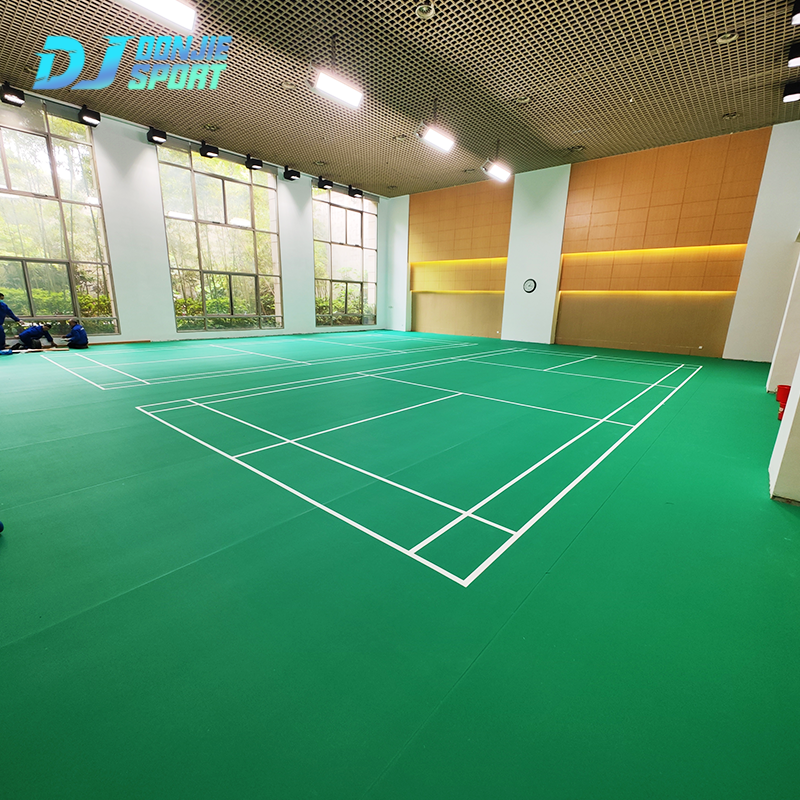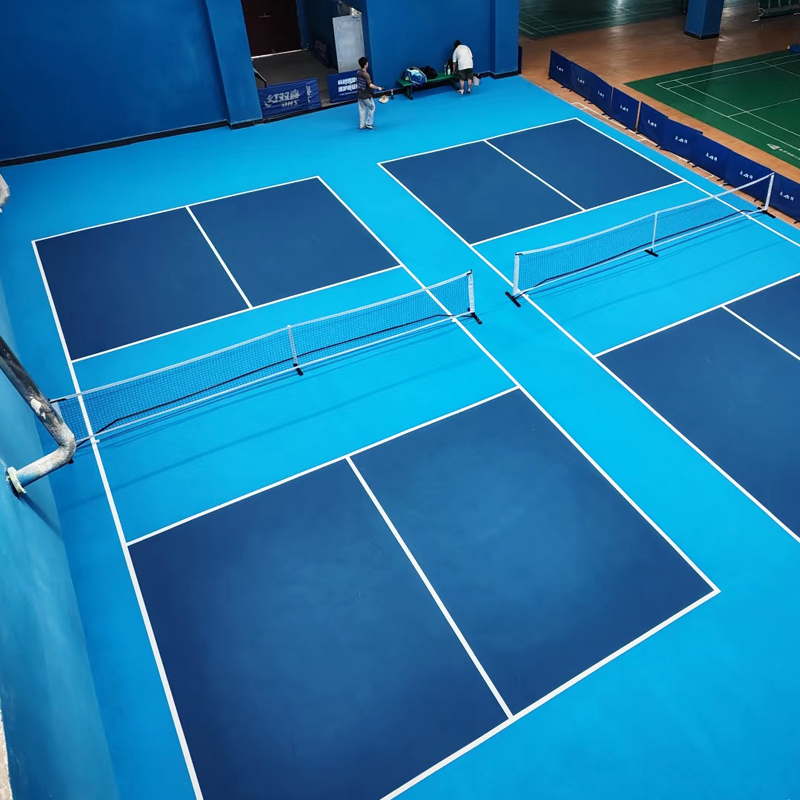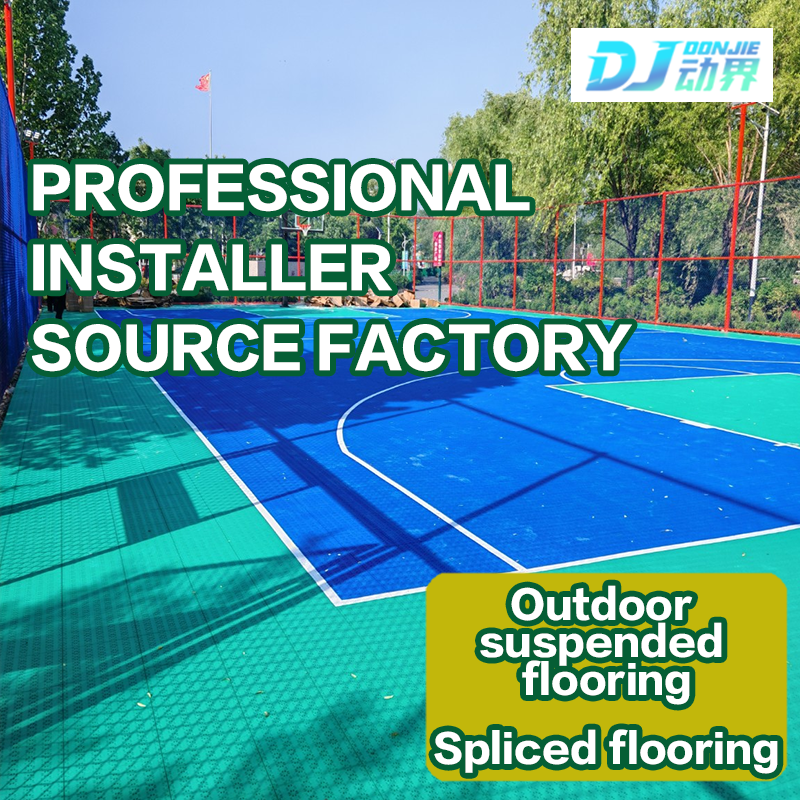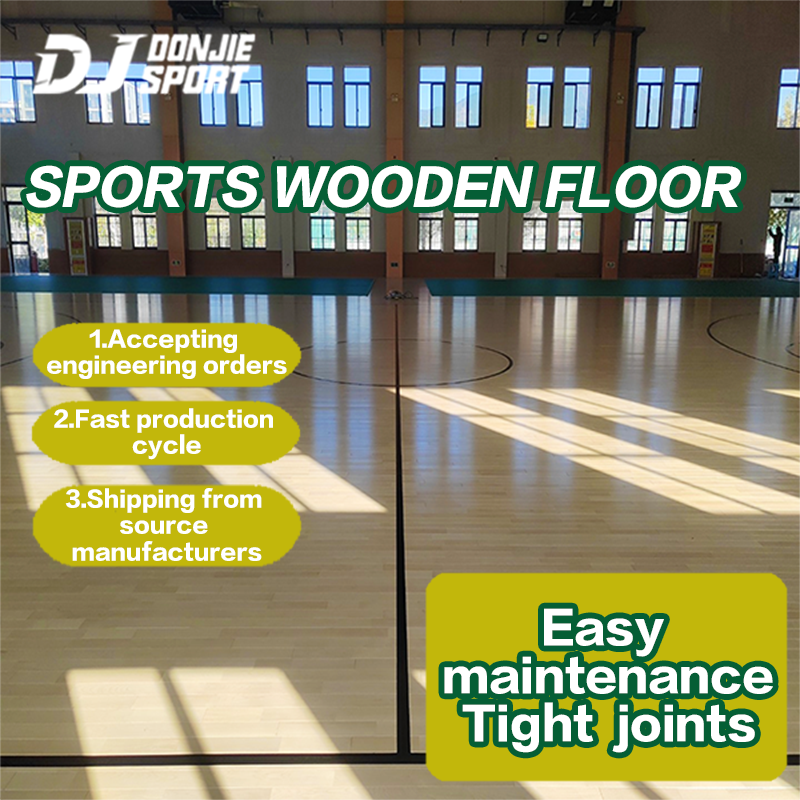
When planning a sports hall flooring installation, most people are aware of the direct costs: the material, installation fees, and potentially the cost of professional labor. However, many are unaware of the hidden costs that can quickly add up and impact the overall budget. These hidden costs often go unnoticed until it’s too late, and can make a significant difference in the financial planning of the entire project.
In this article, we’ll explore what these hidden costs are, how they can affect your installation process, and tips on how to avoid them. From material selection to installation complexity, maintenance, and environmental factors, understanding these costs will help you plan a more efficient and cost-effective sports hall flooring installation.
Understanding the Basics of Sports Hall Floors
Before diving into the hidden costs, it’s important to understand the basics of sports hall flooring. The type of flooring you choose plays a major role in determining both upfront and hidden costs. Sports hall floors are designed to withstand heavy use, impact, and varying conditions. Depending on the specific sports the hall will cater to, the choice of material may vary. Common materials include hardwood, vinyl, rubber, and synthetic materials like PVC.
Each of these materials comes with its own set of benefits and challenges, which can significantly affect both the initial and ongoing costs. For example, while hardwood floors are often preferred for their aesthetic appeal and durability, they come with a higher initial cost and may require more maintenance over time compared to other options like vinyl.
Additionally, understanding the installation process is key. A professional installer will need to ensure the floor is properly prepared and installed to meet safety standards and durability requirements. However, it’s during this phase that many hidden costs begin to emerge. Let’s take a closer look at the impact of material costs in the next section.
Hidden Costs of Materials
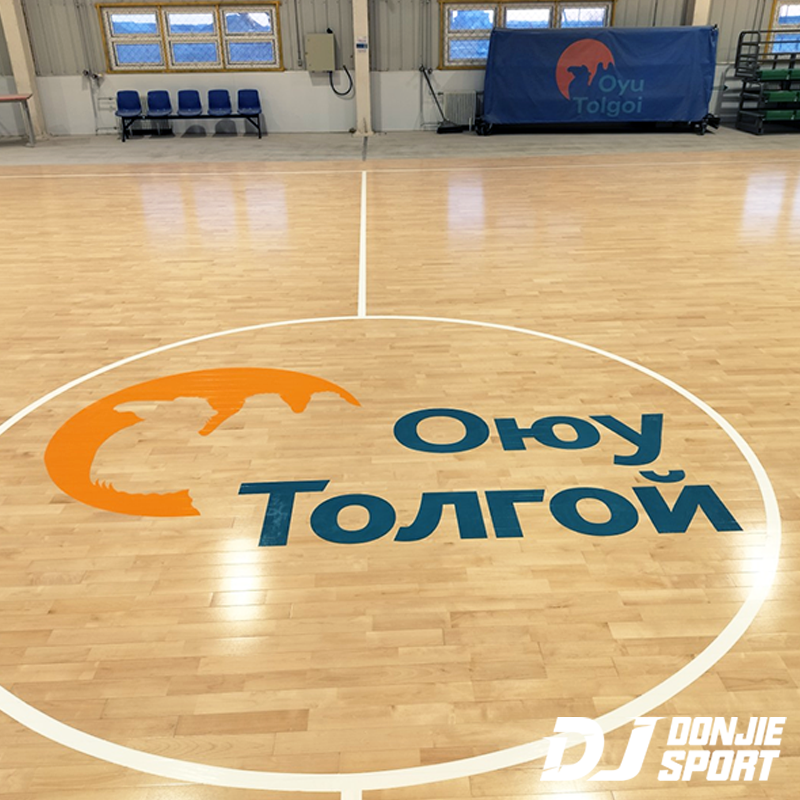
When choosing the right material for your sports hall flooring, it’s easy to focus on the immediate cost. However, it’s essential to consider the hidden costs that materials can introduce. While options like vinyl and rubber may seem affordable at first glance, their long-term durability—or lack thereof—can lead to higher maintenance or replacement costs.
For example, premium materials such as hardwood or high-quality synthetic options often come with a higher upfront price. These materials might offer superior performance in terms of traction, durability, and aesthetics, but their initial cost can be a significant hidden cost. On top of that, the installation process for such premium materials can also be more complex and time-consuming, which adds to the overall expense.
Another factor to consider is the lifespan of the material. Cheaper options may wear out faster, requiring you to replace or repair them sooner than expected. In contrast, more durable flooring options can save you money in the long run, as they may require fewer repairs and replacements. When budgeting for your sports hall floor installation, make sure to factor in the long-term cost of materials—not just the initial outlay.
Installation and Labor Costs
While the cost of materials is a significant factor, installation and labor are where many hidden costs lurk. Depending on the complexity of the installation process, labor costs can vary widely. Simple installations may require only basic floor laying, while more complex projects may involve special subfloor preparation, leveling, or custom designs.
Professional installers often charge based on the size of the area and the complexity of the job. Unforeseen complications can lead to additional labor costs. For example, if the subfloor is uneven or damaged, additional preparation work will be required before installing the new floor. This is a common issue, especially in older sports halls or buildings with existing flooring.
Moreover, the time of year can also influence labor costs. Installers may charge a premium for working during busy seasons, such as just before the start of school or sports seasons. Planning ahead and allowing for enough time to schedule installation during the off-season can help reduce these costs.
Maintenance and Longevity Considerations
One of the most significant hidden costs is the ongoing maintenance required to keep your sports hall floors in top condition. While some materials require little maintenance, others, such as hardwood, need regular cleaning, resealing, and refinishing to maintain their quality. This can add to your budget over time.
The frequency and cost of maintenance can vary based on the type of flooring you choose. For example, vinyl floors may require periodic deep cleaning and occasional repairs, but their maintenance costs are generally lower than those of wood or rubber flooring, which require more intensive care. Additionally, the cost of maintenance can also be influenced by the amount of use your sports hall receives. High-traffic areas may need more frequent repairs or replacement of damaged tiles.
In the long run, poorly maintained floors can pose safety risks and degrade the performance of your sports activities, making timely maintenance essential. When budgeting for your installation, remember to include a long-term maintenance plan to avoid unexpected costs down the line.
Environmental Impact and Sustainability Factors
As more people prioritize sustainability, the environmental impact of sports hall flooring is becoming a significant factor in the overall cost. Eco-friendly flooring options, such as those made from recycled materials or sustainable resources, often come with a higher initial cost compared to conventional flooring materials. However, these materials can provide long-term benefits by reducing the carbon footprint of the facility.
Another hidden environmental cost to consider is the transportation and manufacturing process of flooring materials. The farther the materials need to be shipped, the higher the associated transportation costs, which are often passed on to the buyer. Similarly, flooring materials with a high carbon footprint during production can contribute to higher long-term costs for sustainability-conscious buyers.
Ultimately, while opting for environmentally friendly flooring can be an investment, it’s important to evaluate the total cost—including long-term energy efficiency, maintenance, and environmental considerations—when making your decision.
Permitting, Insurance, and Legal Fees
In some regions, the installation of sports hall floors requires specific permits and inspections. These may not be immediately obvious, but they can add up quickly. The cost of obtaining these permits, as well as any inspection fees, should be considered when planning your budget.
Additionally, insurance coverage for the flooring installation process is another often overlooked cost. If the installation process damages any part of the building, the costs may be covered by your insurance, but ensuring the appropriate insurance coverage is in place could require an additional expense.
Finally, compliance with local building codes and safety regulations can add legal fees to the project. If your flooring doesn’t meet the required standards, you might need to make costly adjustments, or face fines for non-compliance. Therefore, it’s important to work with professionals who understand the legal aspects of flooring installation to avoid these hidden costs.
The Cost of Downtime
For sports halls that are frequently used for events, practices, or tournaments, the installation process can lead to significant downtime. During this period, your facility may be out of commission, which could result in lost revenue from cancelled bookings or missed opportunities for hosting events.
The downtime required for floor installation can vary depending on the size of the area and the type of flooring being installed. In some cases, installations can take weeks, especially if there are unforeseen complications or custom designs involved. Planning the installation during an off-season or when the sports hall is less in demand can minimize the financial impact of this downtime.
Hidden Costs in Design and Customization
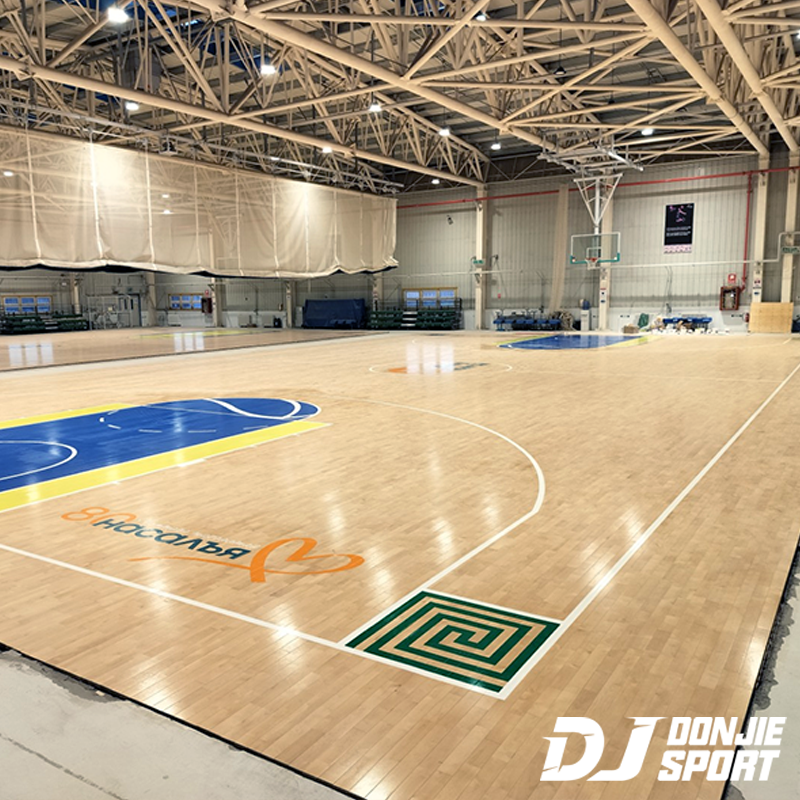
Many sports halls opt for customized designs in their flooring, such as logos, specific color patterns, or intricate designs. While these can enhance the look and feel of the space, they come with additional hidden costs. Custom designs require more intricate planning, specialized materials, and often additional installation time, all of which contribute to the overall cost.
Special finishes, such as glossy or textured coatings, can also add to the cost. Customization adds value to the space but be sure to account for these extra expenses when planning your budget.
Conclusion
In conclusion, installing sports hall floors involves more than just the upfront material and installation costs. Hidden expenses such as maintenance, labor complications, environmental impact, and legal fees can significantly increase the overall budget. By understanding these hidden costs and planning accordingly, you can ensure a smoother installation process and avoid unexpected financial surprises.
It’s essential to consult with professionals who can help you navigate these hidden costs, choose the right materials for your needs, and provide accurate estimates. With the right planning, you can create a functional, safe, and long-lasting sports hall flooring solution without breaking the bank.