When it comes to sports halls, the focus is often on functionality and performance. However, one crucial aspect that is often overlooked is acoustic quality. The way sound behaves in a sports facility can significantly affect the experience of athletes, coaches, and spectators. Echoes, excessive noise, and unclear communication can all disrupt the flow of an event and hinder performance.
The role of sports hall flooring in managing acoustics is more significant than one might think. The flooring material impacts how sound travels, how it is absorbed, and how noise is diffused within the space. In this article, we will explore the ways in which sports hall flooring affects acoustic quality and why choosing the right flooring material is essential for creating an optimal environment for sports activities. Whether it’s a basketball court, a badminton hall, or a gymnasium, flooring choices are a critical factor in sound management within these spaces.
The Connection Between Flooring and Acoustics in Sports Facilities
In any sports hall, the acoustics play a crucial role in ensuring effective communication and providing a comfortable environment for everyone. The choice of sports hall flooring can either enhance or detract from the overall sound quality. Flooring materials act as a sound barrier, absorbing or reflecting sound waves depending on their properties.
When sound waves hit a floor surface, they can either be absorbed, reflected, or diffused. Flooring materials with high sound absorption properties, such as rubber or soft vinyl, help reduce reverberation, creating a quieter and more controlled acoustic environment. On the other hand, hard surfaces like wood or concrete reflect sound, which may contribute to unwanted echoes or excessive noise in the facility.
Each type of flooring material influences how sound behaves in a sports hall, affecting everything from verbal communication between players to the experience of spectators. Understanding this relationship is key to selecting flooring that will optimize the acoustics for your specific needs.
Key Flooring Materials and Their Acoustic Properties
The type of flooring used in a sports hall can significantly impact its acoustic performance. Let’s examine some common flooring materials and their influence on sound:
-
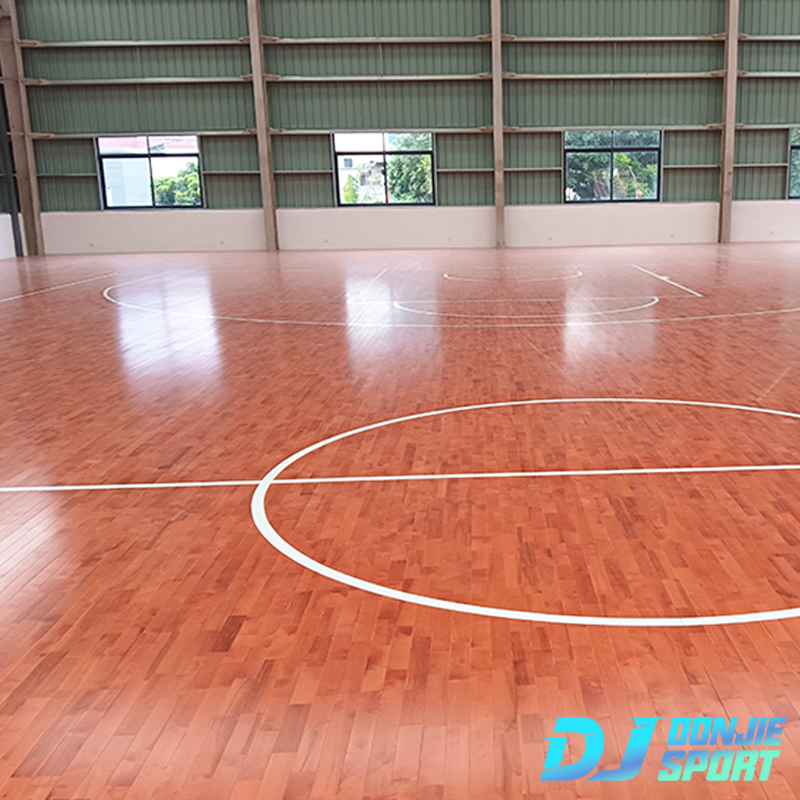
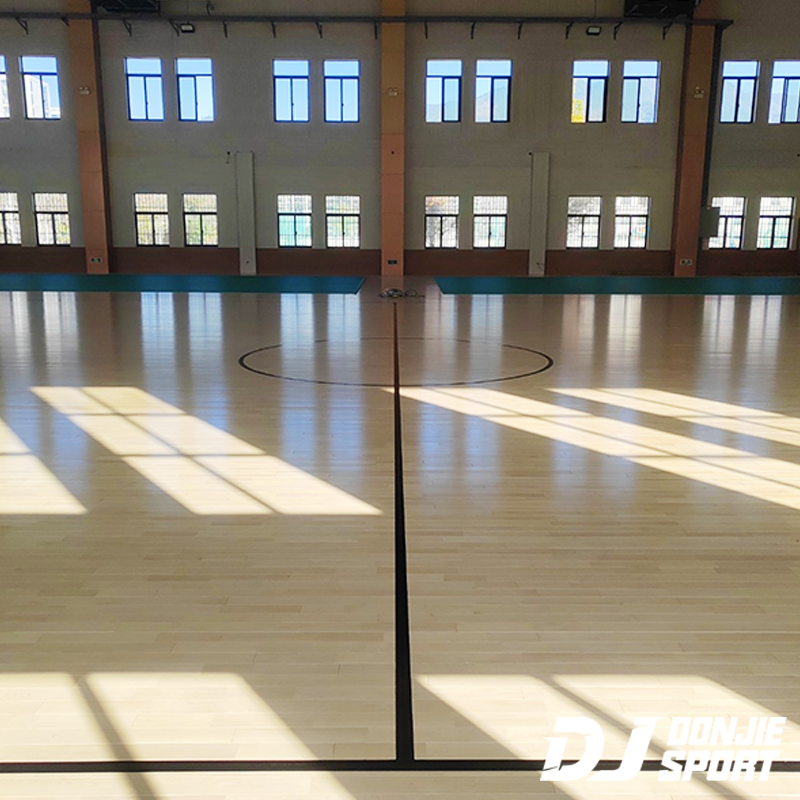
Wood Flooring: Wood is a popular choice for sports halls due to its durability and aesthetic appeal. However, when it comes to acoustics, wood flooring tends to reflect sound more than absorb it. This can lead to increased reverberation, especially in large halls with high ceilings. While this may be suitable for certain environments, such as indoor basketball courts, it may not be ideal for spaces that require sound control, like auditoriums or multi-purpose halls.
-
PVC Flooring: PVC sports flooring, especially the cushioned types, is excellent for reducing noise levels. The material naturally absorbs sound, helping to dampen reverberation and reduce overall noise. This makes it an ideal choice for areas that need to minimize distractions, such as gyms and training facilities.
-
Rubber Flooring: Rubber is another material that excels in sound absorption. Its dense, flexible structure makes it an effective option for reducing noise and controlling acoustics. In sports halls, rubber flooring helps manage sound levels, particularly in high-impact areas like fitness studios and weight rooms.
-
Vinyl Flooring: Vinyl floors, particularly those designed with acoustic backing, offer a balance between durability and sound control. While they don’t provide as much sound absorption as rubber, they are often chosen for their low-maintenance qualities and cost-effectiveness.
Choosing the right material depends on the type of sports hall, the activities taking place, and the level of acoustic control required.
The Science Behind Sound and Flooring
Understanding how sound interacts with different flooring materials requires a deeper dive into the science of acoustics. Sound travels through air in waves, and when these waves encounter a surface like a floor, they are either absorbed, reflected, or diffused.
-
Absorption: Materials with porous or flexible surfaces, like rubber or cushioned PVC, absorb sound waves, reducing echo and reverberation. This is particularly important in large, open spaces where excessive noise can be distracting.
-
Reflection: Harder, denser materials like wood or concrete reflect sound waves, which can cause echoes and increase the overall noise level in the facility. In sports halls with high ceilings or large open spaces, this effect can be amplified, leading to a more chaotic sound environment.
-
Diffusion: Some flooring materials, such as those with textured surfaces, scatter sound waves in multiple directions. This can help create a more evenly distributed sound environment, reducing hotspots of excessive noise.
By understanding the acoustic properties of different flooring types, sports facility managers can choose the best flooring material to meet their specific sound management needs.
Choosing the Right Flooring to Optimize Acoustic Quality
Selecting the right sports hall flooring for acoustic performance requires careful consideration of several factors. Here are some key points to keep in mind:
-
Purpose of the Facility: The type of activities that will take place in the sports hall plays a significant role in determining the best flooring. For example, a basketball court may benefit from a reflective wooden floor to enhance the sounds of ball bounces and player communication. However, for a multi-purpose hall or gym, flooring that absorbs sound may be a better choice to minimize distractions.
-
Size of the Facility: Larger sports halls with high ceilings can amplify sound reflection, so acoustically absorbent flooring materials like rubber or cushioned PVC would be more effective in controlling sound.
-
Budget: While acoustic-quality flooring can be more expensive, the investment often pays off in terms of improved facility usage and comfort. Consider the long-term benefits when weighing the cost of flooring materials.
-
Consulting with Professionals: Acoustics can be complex, so it’s always a good idea to work with acoustic consultants or flooring experts when making your decision. They can help you select the best materials and installation techniques for optimal sound management.
Acoustic Challenges in Sports Halls and How Flooring Can Help Solve Them
Sports halls often face common acoustic challenges, such as:
-
Excessive Echoes: In large halls, sound tends to bounce off hard surfaces, causing unwanted echoes. This can be particularly distracting during games and events.
-
Noise Pollution: High levels of ambient noise can interfere with communication between athletes, coaches, and spectators. This is a common problem in multi-purpose halls that host both sports and community events.
-
Speech Clarity: In training environments or fitness studios, clear communication is essential. Flooring that reduces sound reverberation helps ensure that verbal instructions can be heard clearly.
The right flooring material can mitigate these issues by absorbing sound, reducing echoes, and controlling overall noise levels. For example, rubber or cushioned PVC flooring would be ideal in areas where noise control and speech clarity are critical.
Additional Factors to Consider in Flooring Installation for Acoustic Benefits
While the type of flooring is crucial, other factors can also influence the acoustic quality of your sports hall:
-
Underlays: Adding a sound-dampening underlay beneath the flooring can enhance its acoustic performance, especially for hard surfaces like wood or vinyl.
-
Installation Methods: The way the flooring is installed can also affect its acoustic properties. Floating floors or interlocking tiles, for example, can reduce sound transmission through the subfloor, offering better noise isolation.
-
Maintenance: Regular cleaning and maintenance are necessary to preserve the acoustic benefits of your flooring. Dirt, dust, and wear can diminish the sound absorption qualities of certain materials over time.
Enhancing Sports Hall Experience with Acoustic-Optimized Flooring
In conclusion, the right sports hall flooring is essential not only for athletic performance but also for optimizing the acoustic quality of the facility. By carefully selecting the flooring material based on its sound absorption, reflection, and diffusion properties, facility managers can create a more comfortable and effective environment for everyone. Whether reducing echoes in a gymnasium or controlling noise in a multi-purpose hall, acoustic-optimized flooring plays a critical role in enhancing the overall experience.
Choosing the right sports hall flooring will not only improve sound quality but also contribute to the longevity and functionality of the facility. Take the time to consider all factors, consult with professionals, and select a flooring solution that meets your acoustic needs.