When it comes to designing a sports hall, the flooring is one of the most crucial elements to consider. Sports hall flooring plays a vital role in ensuring that athletes can perform at their best, while also providing safety, comfort, and aesthetic value to the space. From high school gyms to professional arenas, the right flooring design can enhance both the functionality and atmosphere of any sports facility.
The floor serves not only as the base for the athletes’ movements but also as an essential factor in reducing the risk of injury. A well-designed sports hall floor should meet specific performance requirements tailored to the activities taking place, such as basketball, badminton, or multi-sport use. In addition, the visual appeal of the floor can contribute to creating a vibrant and engaging environment for both players and spectators.
In this guide, we will explore the key factors to consider when designing sports hall flooring, focusing on the importance of durability, safety, and material selection. We will also delve into how the floor can enhance the overall performance of athletes while offering long-term value for the facility.
Factors to Consider in Sports Hall Flooring Design
Designing sports hall flooring involves several important considerations that directly impact performance, safety, and maintenance. Let’s explore these factors in detail:
Durability
The durability of sports hall flooring is perhaps the most critical factor in the design process. Given the high foot traffic, intense physical activity, and wear-and-tear from sporting equipment, the flooring needs to withstand constant use without showing signs of damage. Durable floors reduce the need for frequent repairs or replacements, making them a long-term investment for sports facilities.
Materials like hardwood, rubber, and PVC are renowned for their longevity. A sports hall floor should be able to resist heavy impacts, abrasions, and even chemical spills from sports drinks or cleaning agents. Therefore, when selecting a material, you must prioritize its ability to handle such stress while maintaining its appearance and functionality over time.
Performance
The performance of the flooring directly affects the athletes’ movements and their overall experience. For instance, basketball floors need to offer a perfect balance of grip and smoothness to support quick pivots and high-impact jumps. Meanwhile, badminton courts require more responsiveness and slight cushioning to protect joints from repetitive stress.
The right sports hall flooring can enhance player performance by providing the ideal level of shock absorption, friction, and comfort. Flooring that is too slippery or too rough can hinder an athlete’s performance, while the right balance of features promotes safer, more effective play.
Aesthetic Appeal
While functionality is crucial, the aesthetic aspect of sports hall flooring cannot be overlooked. The appearance of the floor contributes to the atmosphere of the venue and can enhance the overall sports experience. Bright, vibrant flooring designs are not only visually appealing but can also promote team spirit and pride.
Moreover, the visual aspect of the flooring can help with branding and creating a professional environment. Whether you choose custom team colors, logos, or sleek, modern designs, the floor serves as a focal point that sets the tone for the sports hall.
Functionality
Different sports require different flooring features. For example, a basketball court floor must allow for quick directional changes and provide excellent grip. Conversely, a gymnastics or dance floor might prioritize shock absorption for comfort and safety during tumbling or high-impact routines. The versatility of the flooring material and its adaptability to various sports will significantly influence the overall utility of the sports hall.
Types of Flooring Materials for Sports Halls
Choosing the right material for sports hall flooring depends on several factors, including the type of sport, budget, and facility requirements. Below are some of the most popular materials used in sports hall flooring:
Wooden Sports Floors
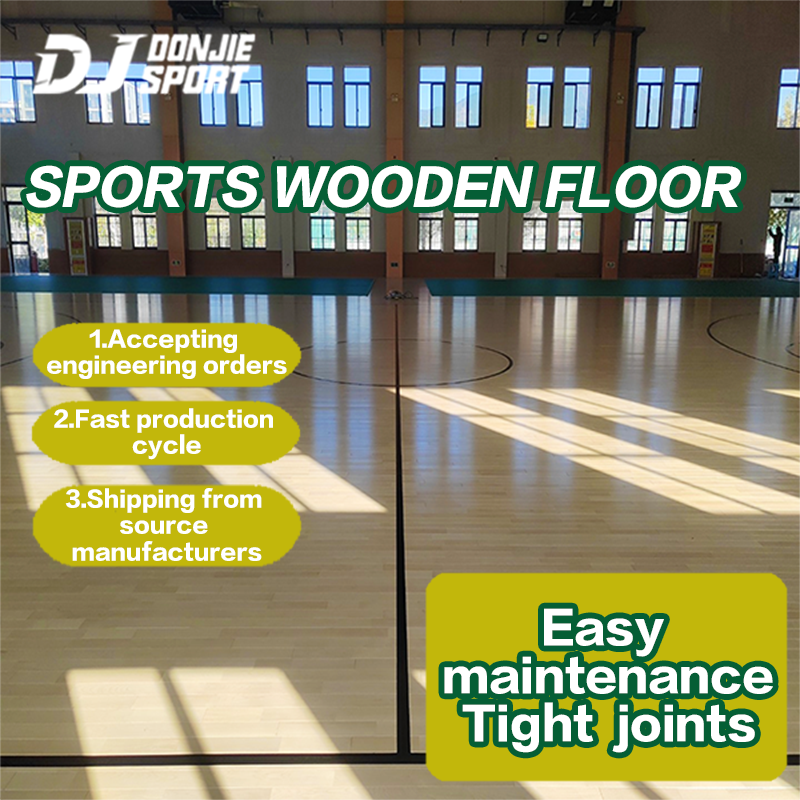
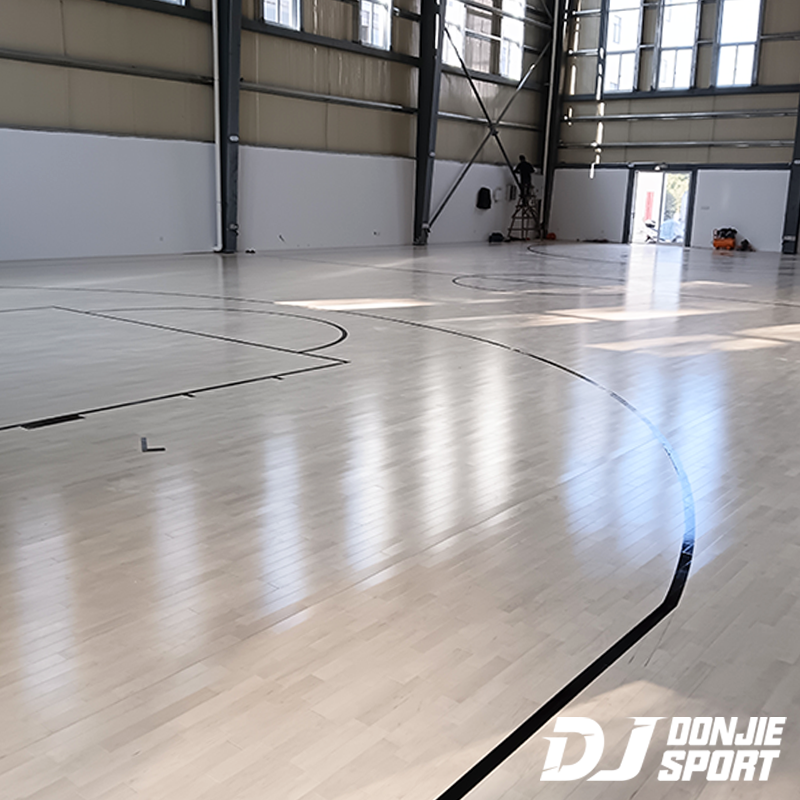
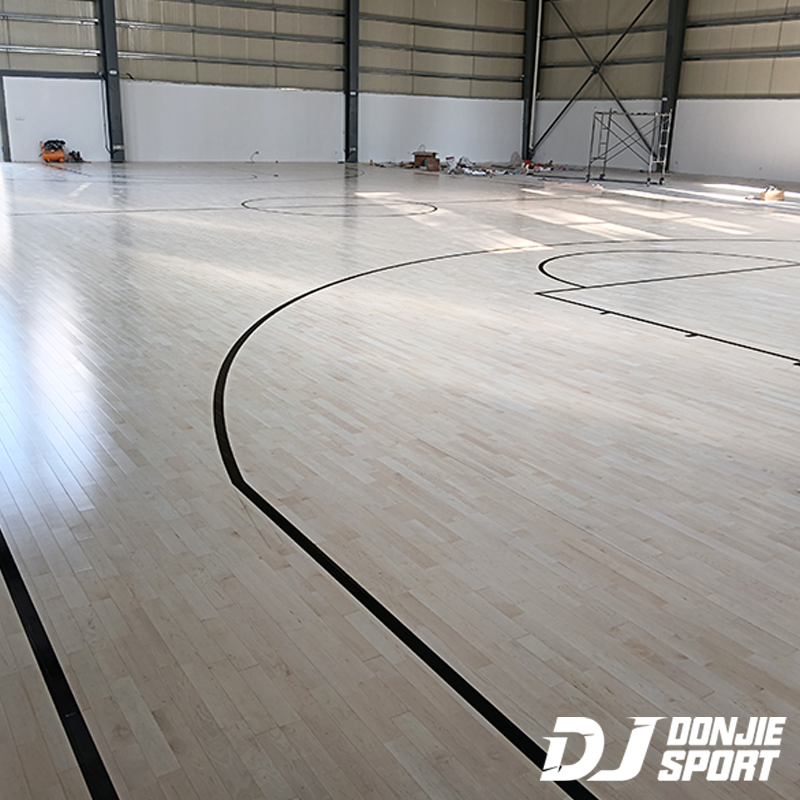
Wooden flooring is a traditional choice for sports halls and is most commonly used in basketball courts. This type of flooring is prized for its aesthetics, providing a classic, professional look. It also offers excellent shock absorption, which reduces the risk of injury from high-impact movements. However, wooden floors can be expensive and require regular maintenance, including refinishing and resealing to maintain their performance.
Rubber Flooring
Rubber flooring is often used in multi-purpose sports halls because of its durability, slip resistance, and ability to absorb impact. It’s ideal for areas that experience heavy foot traffic and where safety is a priority, such as gyms, fitness centers, and indoor arenas. Rubber floors are also low-maintenance, which makes them a cost-effective option in the long term.
PVC and Vinyl Sports Flooring
PVC and vinyl flooring are versatile, easy-to-clean options that are widely used in sports halls. They offer good traction and shock absorption, making them ideal for a wide range of activities, including volleyball, badminton, and other indoor sports. This type of flooring is affordable, available in various designs, and often comes with advanced wear layers that increase its lifespan.
Polyurethane Flooring
Polyurethane flooring is typically found in more high-performance environments. It provides an excellent balance of durability, comfort, and flexibility. Polyurethane floors are resistant to wear and tear, and their smooth surface makes them ideal for sports that require speed and precision, such as table tennis or badminton.
Designing Sports Hall Flooring for Specific Sports
Different sports have unique requirements for sports hall flooring. Let’s take a closer look at how flooring design can be tailored to specific sports:
Basketball Courts
Basketball courts demand flooring that can handle high-impact jumps and quick directional changes. Wooden floors are often preferred for indoor basketball courts because they offer the right amount of grip and shock absorption. The floor should also feature clear boundary markings for the game, which are often integrated into the design.
Badminton and Table Tennis
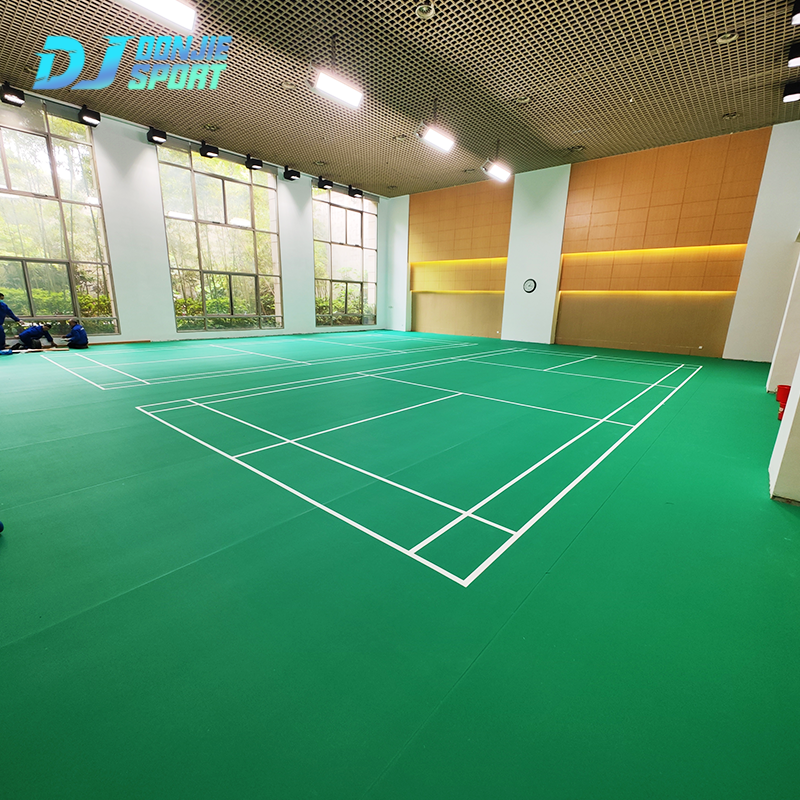
For badminton and table tennis, floors need to offer some flexibility and cushioning to minimize joint strain during intense movements. Vinyl or PVC flooring is commonly used in these courts because of its smooth yet slightly elastic surface, which provides comfort without compromising speed or precision.
Multi-sport Venues
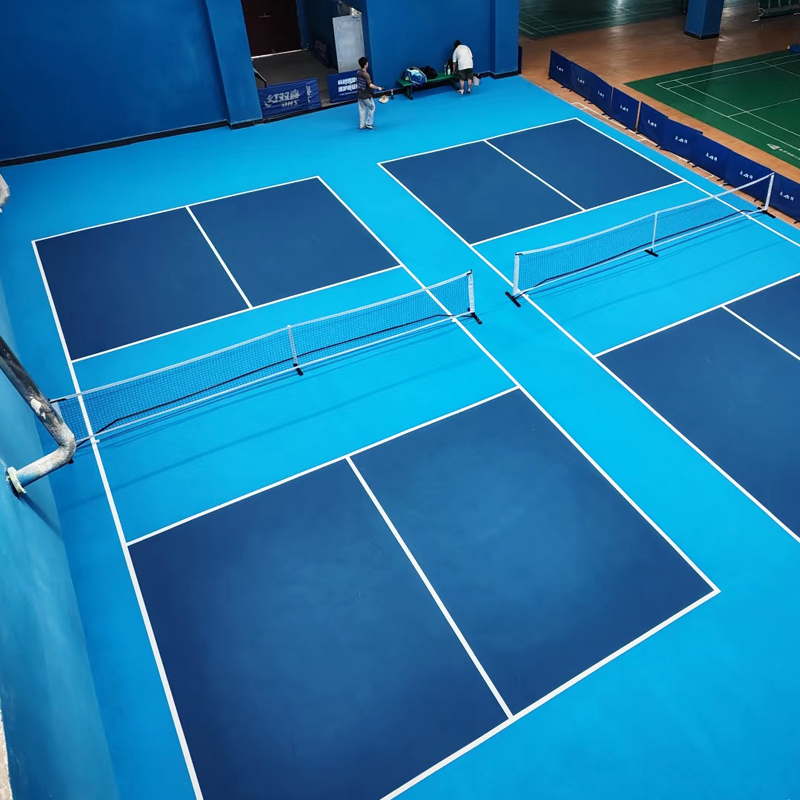
In multi-sport venues, flexibility is key. The flooring should be durable and versatile enough to handle different sports, including basketball, badminton, volleyball, and more. A combination of materials, like high-quality PVC or rubber, can be used to create a flooring system that adapts to various sports requirements.
Safety Features in Sports Hall Floor Design
Safety is a top priority in sports hall floor design. The right floor can help prevent injuries by offering proper shock absorption, slip resistance, and joint protection.
Slip Resistance and Cushioning
To ensure that athletes maintain good traction while minimizing the risk of falls, the floor must have a high slip resistance. Floors with proper cushioning also help absorb impact, reducing the strain on joints, particularly in sports involving jumping or sudden movements.
Compliance with International Safety Standards
Many sports organizations and governing bodies require flooring to meet specific safety standards, including slip resistance, fire resistance, and impact absorption. Be sure that your chosen flooring complies with the relevant regulations to ensure a safe environment for players.
The Installation Process of Sports Hall Flooring
Proper installation of sports hall flooring is crucial for ensuring durability, safety, and functionality. Whether you opt for hardwood, PVC, or rubber, the installation should be done by professionals with expertise in sports flooring.
Step-by-Step Guide to Installation
The installation process typically involves preparing the subfloor, laying down underlayment (if needed), and installing the flooring material. For wooden floors, this may include sanding, sealing, and finishing the surface.
Professional Installation
Hiring professional installers ensures that the floor is laid down correctly and adheres to safety standards. Proper installation not only guarantees the longevity of the floor but also ensures that it performs at its best.
Maintenance and Care of Sports Hall Flooring
Regular maintenance is essential to keeping sports hall flooring in top condition. Routine cleaning and repairs will extend the life of your flooring and maintain its safety features.
Routine Cleaning
Depending on the material, flooring may need to be swept, mopped, or vacuumed regularly. It’s important to avoid harsh cleaning products that can damage the surface. For wooden floors, waxing and polishing may be required periodically to maintain their shine and protective coating.
Dealing with Wear and Tear
Over time, all sports floors will show signs of wear. Wooden floors may require refinishing, while vinyl or rubber floors may need patching or resealing.
Cost Considerations in Sports Hall Flooring Design
When designing sports hall flooring, consider the total cost of installation, maintenance, and long-term care. Although high-quality flooring materials might have a higher upfront cost, they tend to provide better durability and performance, making them a worthwhile investment.
Budgeting for Flooring
It’s important to factor in not only the initial installation cost but also the maintenance and repair expenses over time. For instance, while wooden floors may be more expensive upfront, they require less frequent replacement compared to other materials.
Sustainability in Sports Hall Flooring Design
Eco-friendly materials are becoming increasingly popular in sports hall flooring design. Sustainable flooring options reduce the carbon footprint and contribute to greener building practices.
Eco-friendly Materials
Many flooring manufacturers now offer eco-conscious options, such as recycled rubber or bamboo, which provide the same benefits as traditional flooring materials but with less environmental impact.
Final Thoughts on Designing Your Sports Hall Flooring
In conclusion, sports hall flooring plays a crucial role in the success of any sports facility. By considering factors such as durability, performance, safety, and aesthetics, you can design a floor that enhances both athlete experience and facility functionality. Whether you choose wood, rubber, or PVC, the key is selecting a material that meets your needs and budget while maintaining high standards of safety and comfort.