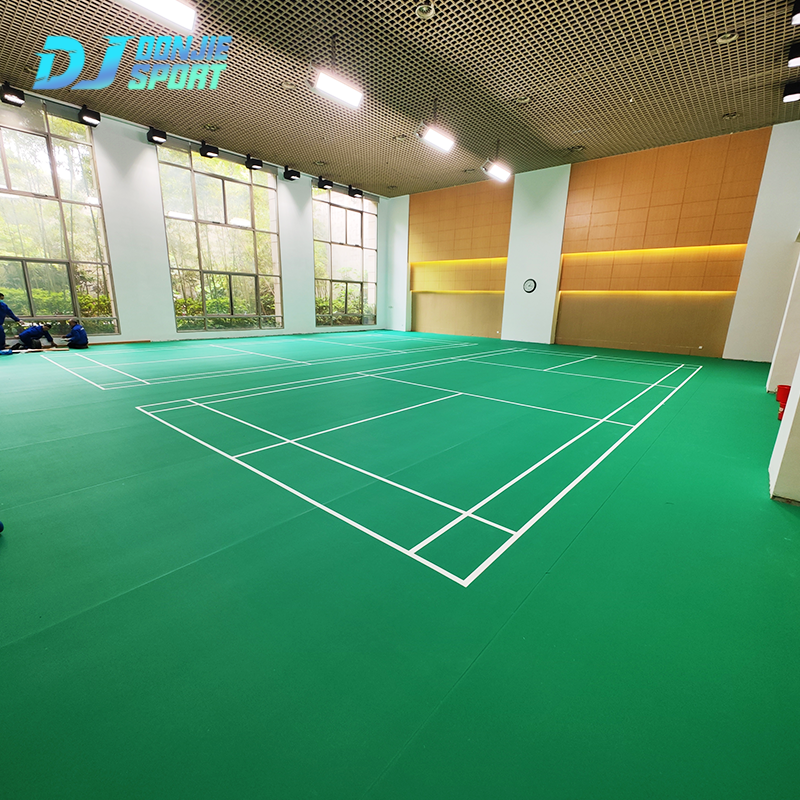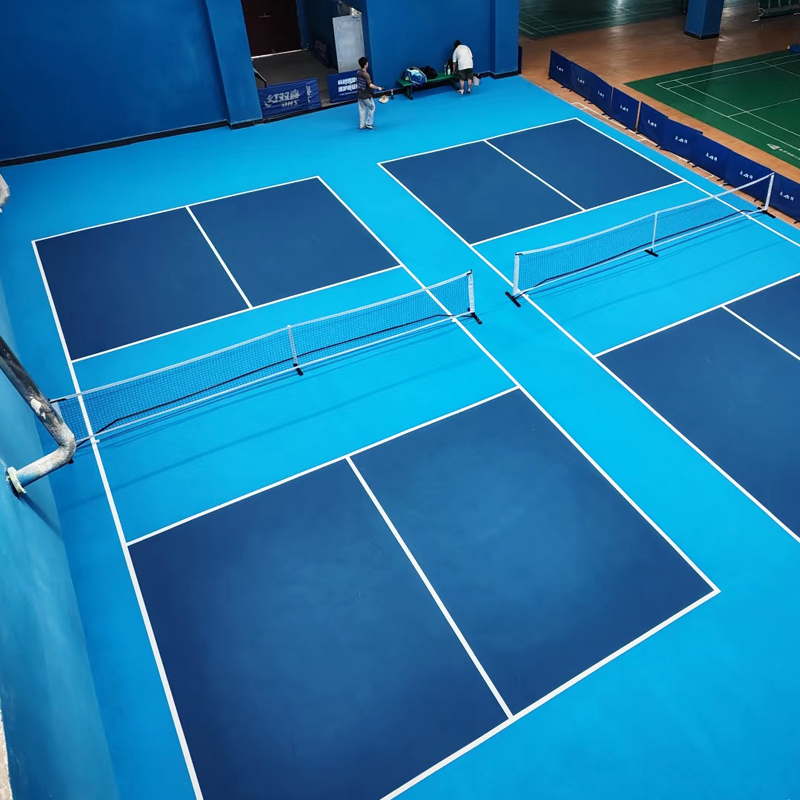
Sports hall flooring plays a crucial role in the performance, safety, and aesthetics of any sports venue. As the needs of athletes and facility managers evolve, so too must the materials and technologies that make up these surfaces. Modern sports halls are no longer just places for physical activity—they are multifunctional spaces that need to meet diverse demands. Whether it’s for basketball, badminton, volleyball, or even dance, the flooring must be versatile, durable, and safe for all kinds of sports and activities. With innovations in materials and technology, the future of sports hall flooring is looking brighter than ever.

Key Trends Shaping the Future of Sports Hall Flooring
The future of sports hall flooring is being defined by several key trends, each addressing the growing need for performance, sustainability, and adaptability in sports venues.
-
Sustainable Materials for Sports Flooring
As the world becomes more environmentally conscious, the demand for eco-friendly flooring materials is on the rise. Flooring manufacturers are investing in sustainable materials that reduce environmental impact without sacrificing performance. From recycled rubber to non-toxic PVC options, sports hall flooring is becoming greener, more sustainable, and eco-friendly. -
Increasing Demand for Multi-Purpose Surfaces
Gone are the days when sports halls were designed for a single use. Today’s sports venues often cater to a range of activities, requiring versatile flooring solutions. Multi-purpose surfaces, which can easily adapt to different sports like basketball, badminton, and even indoor fitness, are becoming a standard feature in many modern sports halls. -
Advanced Surface Technologies for Enhanced Performance
Flooring technology is advancing rapidly, offering surfaces that not only improve player performance but also enhance their safety. New materials like polyurethane and advanced PVC options provide excellent shock absorption and grip, reducing the risk of injury and optimizing player performance. -
Smart Flooring Solutions for Monitoring Player Activity
As technology continues to permeate every aspect of sports, it’s no surprise that smart flooring is becoming part of the sports hall experience. Future floors could integrate sensors that monitor player movement, performance, and even injury risks, providing real-time data to coaches and players. These innovations will transform how athletes train, improving both safety and performance tracking.
Innovations in Materials: From Vinyl to Eco-Friendly Options
The materials used in sports hall flooring are evolving to meet the demands of both athletes and environmental standards.
-
Traditional vs. Modern Flooring Materials
Traditionally, vinyl and wood have been the go-to materials for sports flooring. While both have their advantages, they also come with limitations. Vinyl flooring is cost-effective and offers a smooth, durable surface, but it can lack the shock-absorbing qualities that wood provides. Wood, on the other hand, offers excellent resilience but is more susceptible to wear and environmental conditions. -
The Rise of Eco-Friendly Sports Flooring Options
In response to growing environmental concerns, manufacturers are introducing flooring options that prioritize sustainability. For example, recycled rubber flooring is not only durable but also reduces waste. Bio-based materials, such as cork or bamboo, are also being used in sports halls, offering a renewable and eco-friendly alternative to traditional flooring. -
Durability and Performance Considerations of New Materials
Newer materials focus on durability while enhancing performance. Advanced PVC and polyurethane floors are designed to last longer, withstand heavy foot traffic, and provide superior shock absorption. These materials offer the perfect balance of performance and sustainability.
Enhanced Safety Features in Flooring Design
Safety is paramount in any sports facility. As such, the future of sports hall flooring is heavily focused on injury prevention and ensuring that athletes can perform to their best abilities without the risk of harm.
-
Impact-Absorbing Surfaces and Injury Prevention
Modern sports hall floors are designed with impact absorption in mind. With materials like rubber and high-density PVC, these floors provide the necessary cushioning to reduce the stress on athletes’ joints and muscles, lowering the risk of injuries such as sprains and fractures. The integration of multi-layer systems with shock-absorbing properties is also a major advancement in flooring technology. -
Anti-Slip Technologies for Added Safety
Anti-slip coatings are becoming standard in sports hall flooring. These coatings prevent athletes from slipping during high-intensity movements, reducing the risk of falls and injuries. With innovations in texture and surface design, flooring now offers both comfort and grip without compromising speed or performance. -
The Role of Ergonomic Design in Enhancing Performance
Flooring that prioritizes ergonomics is not just about injury prevention; it also enhances performance. Designs that reduce strain on an athlete’s body contribute to longer training sessions and better outcomes. Features such as flexibility and elasticity in flooring are helping to create surfaces that support the natural movement of athletes while preventing fatigue.
Multi-Functional Flooring: Meeting Diverse Sports Needs
Sports halls are no longer single-purpose spaces. To maximize the use of these venues, flooring systems are now being designed with flexibility in mind.
-
Flooring Solutions Designed for Multi-Sport Use
Whether it’s for basketball, badminton, indoor tennis, or fitness classes, the flooring in a sports hall must cater to a range of activities. Multi-purpose flooring is a growing trend, allowing venues to switch between sports without compromising performance. Modular flooring systems, in particular, are gaining popularity for their flexibility and ease of installation. -
The Benefits of Modular Flooring Systems
Modular flooring systems are becoming an attractive option for sports hall owners. These interlocking tiles allow quick reconfiguration of the space, making it easy to switch between different types of activities. They also make maintenance easier, as individual tiles can be replaced if damaged. -
How Flexible Flooring Supports Different Activities in Sports Halls
In addition to multi-sport functionality, flexible flooring solutions provide the ability to cater to various training or recreational activities. These versatile surfaces adapt to the specific needs of each activity, providing optimal conditions for everything from high-impact sports to low-intensity exercise.
The Role of Technology in Sports Flooring
Technology is rapidly changing the way we view and interact with sports hall flooring.
-
Smart Flooring That Tracks Player Movement and Data
Imagine a floor that can track the movements of players and provide valuable data in real time. Smart flooring technology is already being integrated into some advanced sports halls, allowing coaches to monitor player performance and health. These systems offer insights into movement patterns, fatigue levels, and injury prevention. -
Integration with Sports Performance Analytics Systems
Smart flooring systems can be integrated with analytics software to provide coaches with data on player performance, such as speed, agility, and even balance. This integration will allow for a more data-driven approach to training, helping athletes improve their game while preventing injuries. -
The Future of Interactive Flooring for Enhanced Training
Interactive flooring solutions are becoming more sophisticated, with features such as virtual training aids, dynamic lighting, and even responsive floor surfaces that change based on the player’s movements. These innovations will make training sessions more immersive and engaging for athletes.
Aesthetic and Customization Options in Sports Hall Flooring
In addition to functionality, the visual appeal of sports hall flooring is becoming increasingly important.
-
The Importance of Aesthetic Appeal in Sports Venue Design
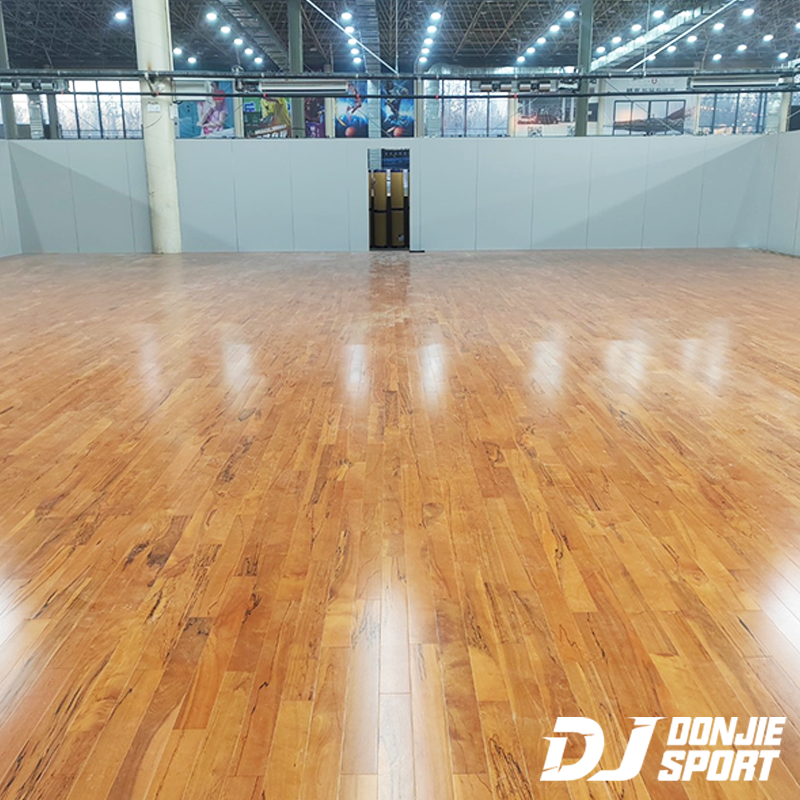
Designing a sports hall is not just about performance—it’s also about creating a space that inspires athletes and impresses visitors. Flooring options are now available in a variety of colors, patterns, and textures to enhance the aesthetic appeal of the venue. -
Customizable Designs and Branding Opportunities
Custom branding options allow sports venues to showcase their unique identity. Logos, team colors, and custom patterns can be integrated into the flooring design, making the space feel more personalized and professional. -
Future Trends in Floor Patterns and Colors
Expect to see more innovative designs that incorporate bold patterns, custom textures, and even interactive elements. These flooring designs will play a significant role in defining the atmosphere of the venue.
Cost-Effective Solutions: Balancing Quality and Budget
While innovation is essential, cost remains a significant factor in any flooring decision.
-
How to Achieve Long-Term Savings with Quality Flooring
Investing in high-quality sports flooring is not just about upfront costs; it’s about long-term value. Durable materials that require less maintenance and last longer can save sports hall owners money in the long run. -
The Cost-Benefit of Investing in Innovative Materials
Though innovative flooring options may come with a higher initial price tag, their long-term benefits—such as improved performance, safety, and sustainability—often outweigh the costs. Owners should consider the long-term savings and advantages when choosing flooring materials. -
Understanding the Lifecycle Costs of Different Flooring Options
It’s essential to evaluate the entire lifecycle of sports hall flooring. This includes installation, maintenance, durability, and eventual replacement costs. Flooring that performs well and requires less upkeep will ultimately save money over time.
What the Future Holds for Sports Hall Flooring
The future of sports hall flooring is exciting, with trends and innovations that promise to elevate performance, safety, and sustainability. From eco-friendly materials to smart technology and multi-purpose systems, the possibilities are endless. As sports halls continue to evolve, so too will the flooring that supports them, offering athletes and venue owners alike a brighter, more efficient future.