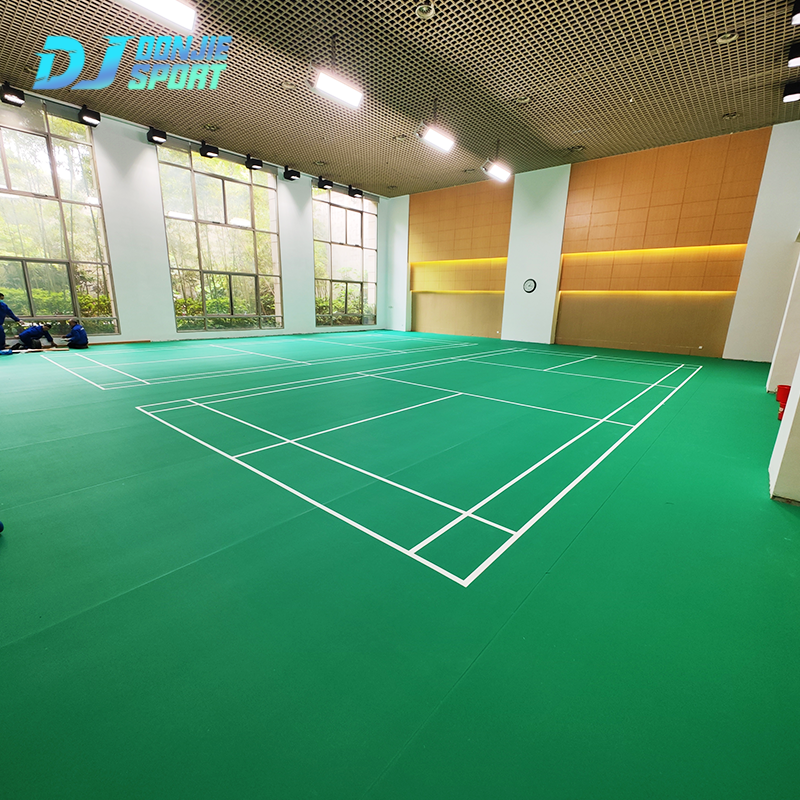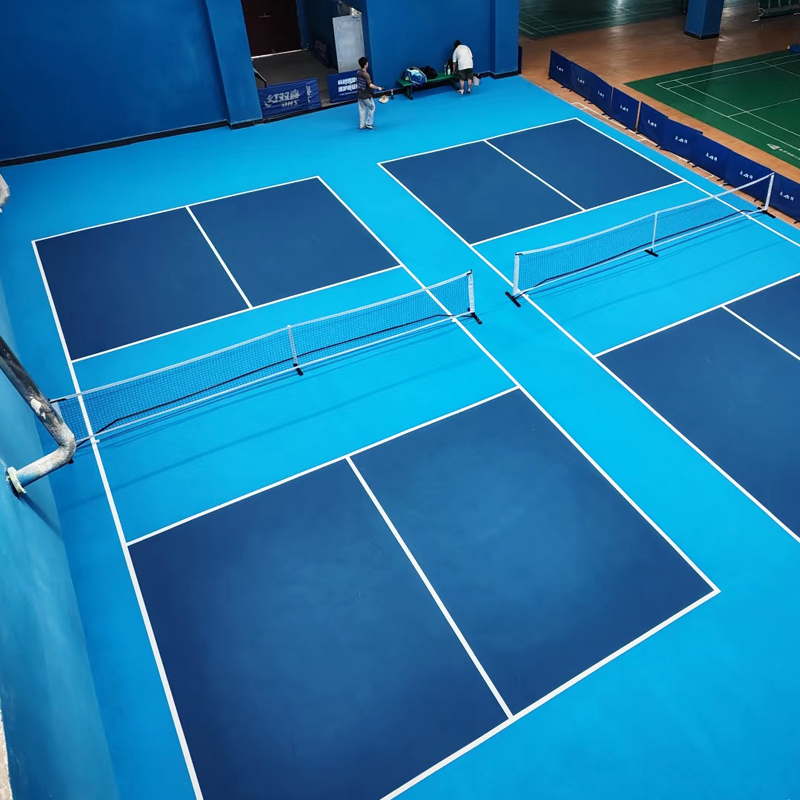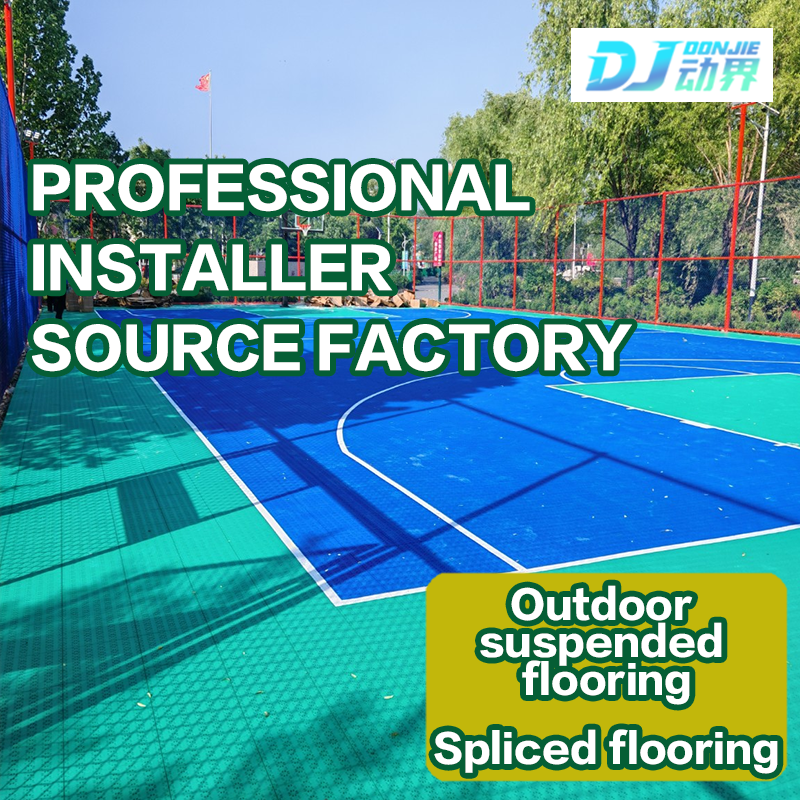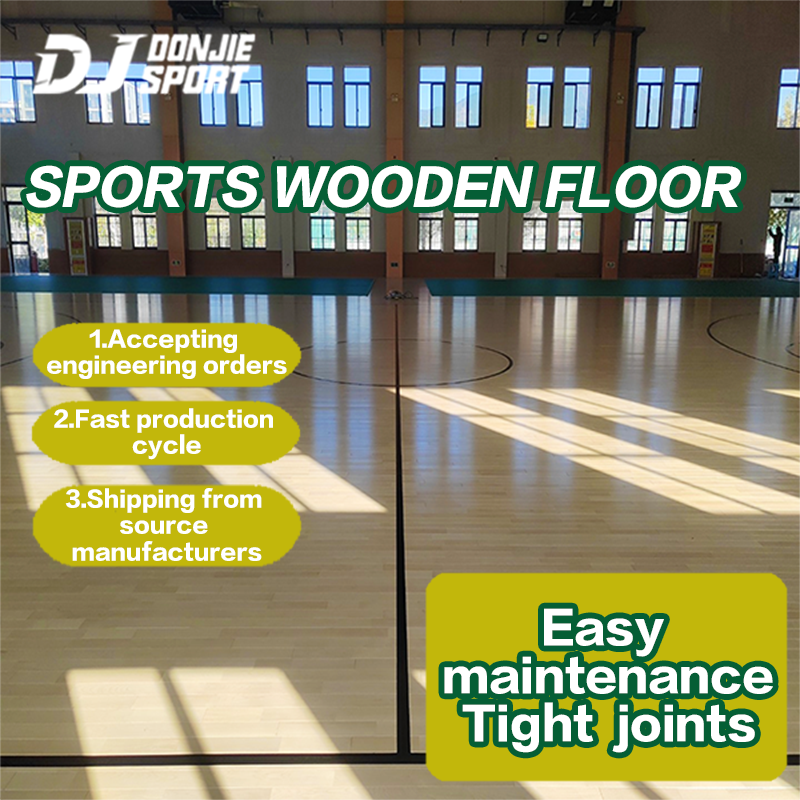
Refurbishing your sports hall floor may seem like an overwhelming task, especially when working with a tight budget. However, keeping your sports hall floor in good condition is crucial for both safety and aesthetics. It directly affects the performance of athletes, the overall appearance of the facility, and the long-term costs of maintenance. The good news is that you don’t have to spend a fortune to achieve a high-quality refurbishing job. In this article, we’ll guide you through practical and affordable ways to refurbish your sports hall floor, helping you balance cost with durability and performance.
Understanding the Importance of a Quality Sports Hall Floor
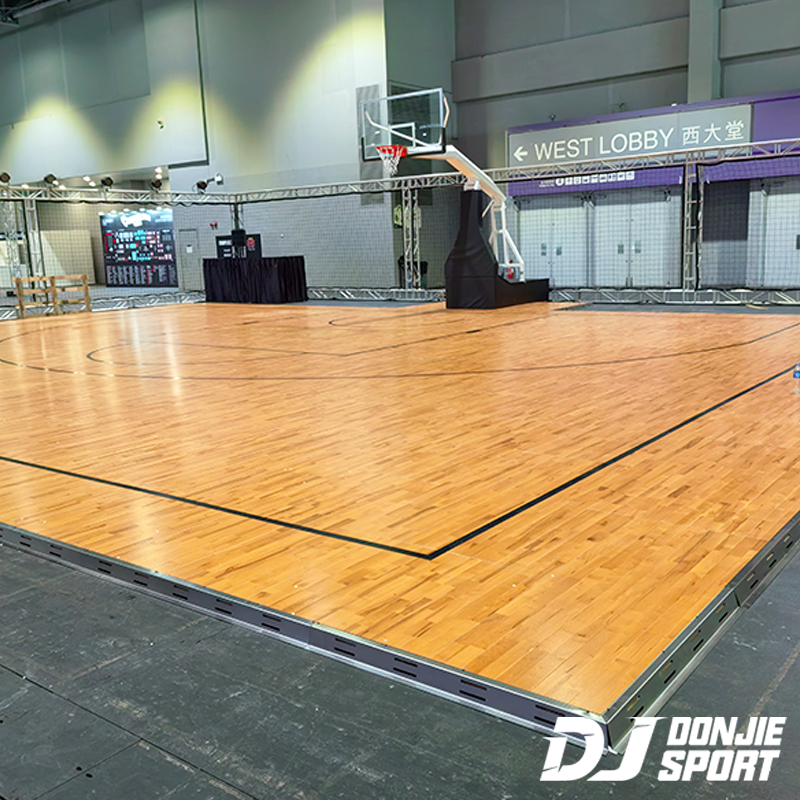
A high-quality sports hall floor isn’t just a luxury—it’s a necessity. The right flooring provides a stable, safe surface for athletes, which can directly influence performance and reduce the risk of injuries. Whether it’s basketball, volleyball, or indoor soccer, each sport requires a specific type of flooring that accommodates the sport’s unique demands.
Moreover, a well-maintained sports hall floor contributes to the overall look and feel of the facility. A worn-out, damaged floor can give the impression of neglect, affecting the reputation of the facility and potentially driving away users. Regular maintenance and timely refurbishment help maintain a professional environment that encourages continuous use and keeps athletes coming back.
Finally, neglecting your sports hall floor may lead to more expensive repairs down the line. A cracked, damaged floor isn’t just an aesthetic problem; it can cause safety issues that might necessitate a complete floor replacement, which is far more costly than routine maintenance.
Assessing the Current Condition of Your Sports Hall Floor
Before diving into refurbishment, it’s important to assess the condition of your sports hall floor. This will determine whether a simple resurfacing will suffice or whether more extensive repairs are needed.
Look for signs of wear and tear, such as cracks, dents, or discoloration, and note the extent of damage. Surface imperfections like scratches can often be addressed with simple polishing or recoating, whereas more severe issues, like deep cracks or water damage, may require repair or replacement of certain sections.
The key is to distinguish between surface issues and structural ones. Surface problems can often be fixed with relatively low investment, while structural issues may indicate deeper problems that could make a full replacement the better option. A thorough assessment helps prevent unnecessary spending and allows you to focus your budget on the most pressing needs.
Choosing the Right Refurbishment Method
Once you’ve evaluated the condition of your floor, it’s time to choose the right refurbishment method. Depending on the level of damage, different approaches will be necessary:
-
Resurfacing and Recoating: This involves applying a new layer of finish to the floor, which can rejuvenate its appearance and provide an extra layer of protection. It’s an affordable way to make the floor look like new without extensive work.
-
Repairs: For more serious damage like cracks or dents, spot repairs can be made. These repairs are often cost-effective and targeted, addressing the specific areas that need attention without redoing the entire floor.
-
Polishing and Cleaning: In some cases, a good cleaning and polishing session might be all that’s needed to restore the floor’s appearance. This is a great option for floors that are not severely damaged but could benefit from a fresh look.
Each of these methods offers significant cost savings compared to a full replacement. Resurfacing and polishing, in particular, can extend the lifespan of your floor without requiring a large investment. The key is to identify the solution that best matches the level of damage while offering long-term durability.
Exploring Budget-Friendly Flooring Materials
If your refurbishment needs go beyond simple repairs and resurfacing, it might be time to consider changing the material. Choosing budget-friendly sports flooring options can significantly lower costs while still ensuring quality and performance.
-
PVC Flooring: Known for its durability and ease of maintenance, PVC flooring is one of the most affordable options. It can be used for a variety of sports halls and provides good cushioning, reducing the risk of injuries.
-
Rubber Flooring: Rubber is another durable, cost-effective material that offers excellent grip and shock absorption. It’s particularly suited for multi-purpose sports halls where different activities take place.
-
Vinyl Flooring: Vinyl offers a great balance of affordability and performance. It’s highly versatile and can be installed with a variety of textures and finishes, giving you the look and feel of a high-end floor without the steep cost.
-
Synthetic Flooring: Synthetic sports floors are becoming increasingly popular due to their combination of durability, affordability, and versatility. They often come in modular tiles, making installation easier and more cost-effective.
Choosing the right material is all about balancing your sports hall’s needs with the available budget. Take time to consider factors like the level of traffic, the types of sports played, and maintenance requirements when choosing your flooring material.
DIY vs. Professional Refurbishment
When deciding how to go about the refurbishment process, you may face the dilemma of whether to take the DIY route or hire a professional. Both options have their advantages:
-
DIY Refurbishment: This is typically the most budget-friendly option. Tasks like cleaning, polishing, and minor repairs can be done by yourself or with the help of a small team. The key to success here is making sure you have the right tools and expertise to avoid mistakes that could cost you more in the long run.
-
Professional Help: Hiring a professional contractor may seem like a larger upfront cost, but it ensures a high-quality, lasting result. Professionals bring the expertise needed for more complicated repairs, such as resurfacing or large-scale damage. They can also offer valuable advice on how to maintain your floor, helping you save money on repairs in the future.
When opting for DIY, be realistic about your skill level and the complexity of the task. If the work is too advanced, it might be better to invest in a professional refurbishment that will guarantee a job well done.
Maintenance Tips to Extend the Life of Your Refurbished Floor
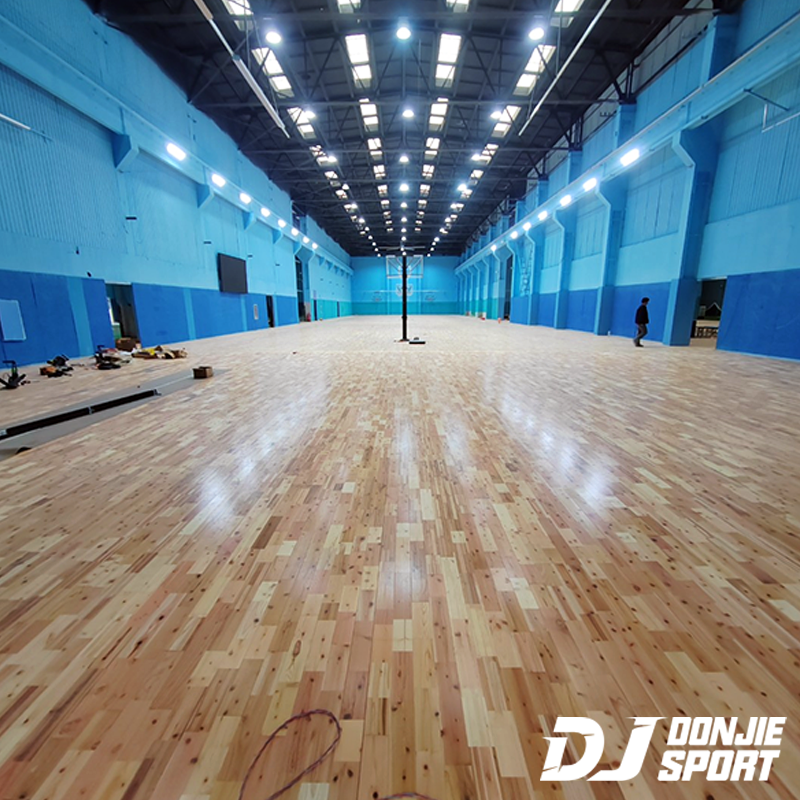
Once your sports hall floor is refurbished, maintaining it will ensure it lasts for years to come. Simple maintenance routines can go a long way in keeping your floor in top condition without requiring constant repairs or expensive replacements.
-
Regular Cleaning: Keep dirt, dust, and debris off the floor by sweeping or vacuuming regularly. This prevents abrasion and damage to the surface.
-
Avoid Harsh Chemicals: Use gentle cleaning products to prevent damaging the floor’s finish. Harsh chemicals can degrade the surface over time, shortening its lifespan.
-
Prompt Repairs: If you notice any damage, such as a small crack or dent, repair it promptly. Addressing minor issues before they worsen will save you money on major repairs down the road.
-
Proper Maintenance of Equipment: Make sure that any equipment used on the floor is in good condition. Worn-out shoes or sports equipment can cause damage to the surface.
A well-maintained sports hall floor requires minimal effort but can extend the lifespan of your investment, preventing costly refurbishments in the near future.
Conclusion
Refurbishing your sports hall floor doesn’t have to break the bank. By assessing the condition of your floor, choosing the right refurbishment method, and selecting budget-friendly materials, you can achieve a professional result without overspending. Whether you decide to take a DIY approach or hire professionals, maintaining your floor with regular upkeep will ensure its longevity, providing athletes with a safe and reliable surface for years to come.