
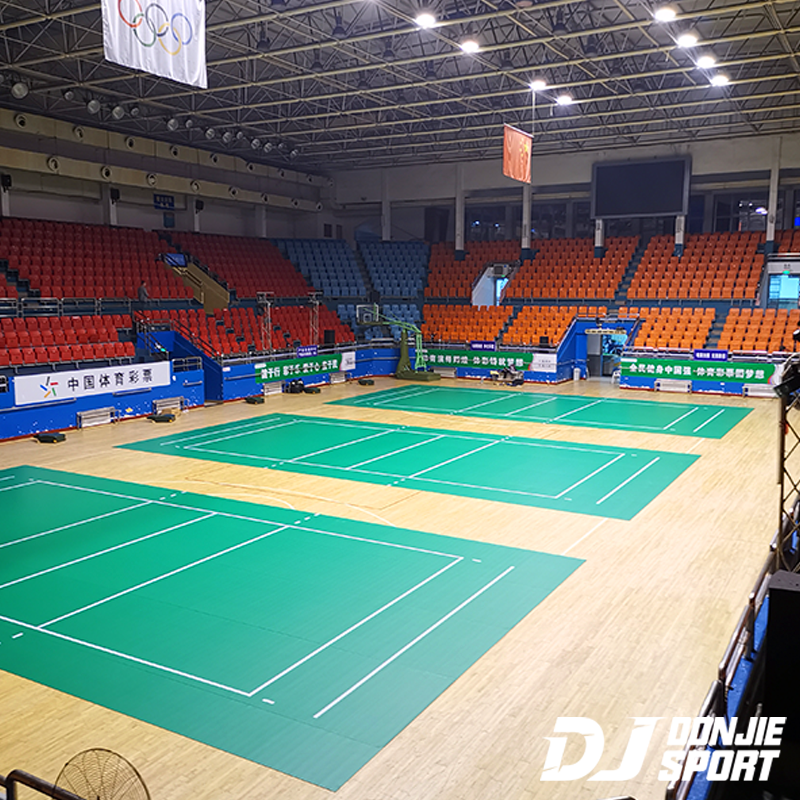
When it comes to creating the perfect sports hall, choosing the right flooring is crucial for both the safety of athletes and the longevity of the facility. The type of flooring you choose impacts not only the performance of the sports played but also maintenance, durability, and overall aesthetic appeal. With so many options available, understanding the different types of sports hall flooring and their benefits is key to making an informed decision. In this guide, we will compare the most popular flooring options for sports halls, covering wooden, PVC, rubber, vinyl, and polyurethane flooring. Let’s explore their advantages and disadvantages to help you choose the best flooring for your sports hall.
Types of Flooring for Sports Halls
Wooden Sports Flooring
Wooden sports flooring has long been a popular choice for sports halls, offering a timeless, professional look. It is especially well-suited for indoor sports that require a smooth, firm surface, such as basketball, volleyball, and indoor tennis.
Benefits:
-
Aesthetic Appeal: Wooden floors are often chosen for their classic and high-end appearance, providing an elegant and professional look to any sports hall.
-
Comfort: The natural material of wood offers excellent shock absorption, reducing the risk of injury to players by minimizing the impact on joints.
-
Performance: Wooden floors are ideal for sports like basketball and volleyball, where precise ball bounce and traction are essential.
Drawbacks:
-
Maintenance: Wooden floors require regular maintenance, including refinishing and resealing, to preserve their quality and ensure safety.
-
Cost: They tend to be more expensive than other options, both in terms of installation and upkeep.
-
Vulnerability: Wood can be susceptible to moisture damage, which could lead to warping or other structural issues, especially in humid environments.
PVC Sports Flooring
PVC sports flooring is a popular and budget-friendly option that provides an excellent balance of durability, comfort, and ease of maintenance. It’s commonly used in multi-purpose sports halls and gyms, where versatility is important.
Benefits:
-
Affordable: PVC flooring is typically less expensive than wooden floors, making it a cost-effective solution for many facilities.
-
Durability: It is highly durable, resistant to scratches, stains, and moisture, and can withstand heavy foot traffic.
-
Low Maintenance: PVC floors are easy to clean and require minimal maintenance, making them ideal for high-traffic areas.
-
Variety: Available in a wide range of colors and patterns, PVC flooring can be customized to suit your sports hall’s design.
Drawbacks:
-
Comfort: While durable, PVC flooring may not offer the same level of shock absorption as wooden flooring, which could be a concern for high-impact sports.
-
Style: PVC may lack the high-end appearance that wood or polyurethane floors provide.
Rubber Sports Flooring
Rubber flooring is a highly resilient option that excels in high-impact areas such as fitness centers, weight rooms, and multipurpose sports halls. It is known for its ability to withstand heavy use and harsh conditions.
Benefits:
-
Shock Absorption: Rubber flooring provides excellent cushioning, which is especially beneficial for sports with high-impact movements, such as weightlifting, aerobics, and gymnastics.
-
Slip Resistance: Rubber flooring offers superior grip, reducing the risk of slips and falls, making it ideal for areas with intense physical activity.
-
Noise Reduction: One of the key benefits of rubber flooring is its ability to absorb sound, making it perfect for noisy environments like gyms or multi-sport arenas.
Drawbacks:
-
Aesthetic Limitations: Rubber floors typically have a more industrial appearance, which may not appeal to those seeking a more polished look for their sports hall.
-
Hardness: While durable, rubber flooring can be quite firm, which may not provide the same level of comfort for certain sports, such as basketball or volleyball.
Vinyl Sports Flooring
Vinyl flooring is a cost-effective and durable solution commonly used in indoor sports halls for sports like badminton, netball, and table tennis. It is known for its easy installation and maintenance.
Benefits:
-
Durability: Vinyl flooring is highly resistant to wear and tear, making it a great option for sports halls that experience high levels of foot traffic.
-
Easy Maintenance: Vinyl is easy to clean and requires minimal care, making it a low-maintenance flooring solution.
-
Affordable: Compared to wooden or polyurethane flooring, vinyl is more affordable while still offering solid performance.
Drawbacks:
-
Comfort: Vinyl does not offer the same level of shock absorption as wood or rubber, making it less comfortable for high-impact sports.
-
Appearance: While functional, vinyl flooring may not have the same aesthetic appeal as other materials like wood or polyurethane.
Polyurethane Sports Flooring
Polyurethane sports flooring is a high-performance option often used in professional and high-end sports venues. It is known for its seamless installation and exceptional durability.
Benefits:
-
Seamless Surface: Polyurethane floors are installed seamlessly, providing a smooth surface that’s easy to clean and maintain.
-
Durability: This type of flooring is incredibly durable and resistant to wear, making it ideal for areas with heavy use.
-
Comfort: It provides excellent shock absorption and grip, improving player comfort and safety during intense games.
Drawbacks:
-
High Cost: Polyurethane flooring is one of the more expensive options, both in terms of initial installation and maintenance.
-
Complex Installation: The installation process can be more complicated and time-consuming, requiring professional installation to ensure long-term durability.
How to Choose the Right Flooring for Your Sports Hall
When selecting flooring for your sports hall, several factors need to be taken into account:
-
Sport Type: The type of sport being played is one of the most important considerations. For example, basketball and volleyball benefit from wooden flooring, while fitness centers may prefer rubber or vinyl options for their shock absorption and durability.
-
Budget: Determine how much you are willing to invest in the flooring. While some options like wood and polyurethane are more expensive, others like PVC and vinyl are budget-friendly and offer decent performance.
-
Foot Traffic: The amount of traffic your sports hall experiences will impact the lifespan of the flooring. High-traffic areas will benefit from durable materials like PVC, rubber, or polyurethane.
-
Environmental Conditions: Humidity and temperature can affect the performance of certain flooring types. Wooden floors, for example, may warp in high humidity, while PVC and rubber are better suited for varying conditions.
Maintenance and Care for Sports Hall Flooring
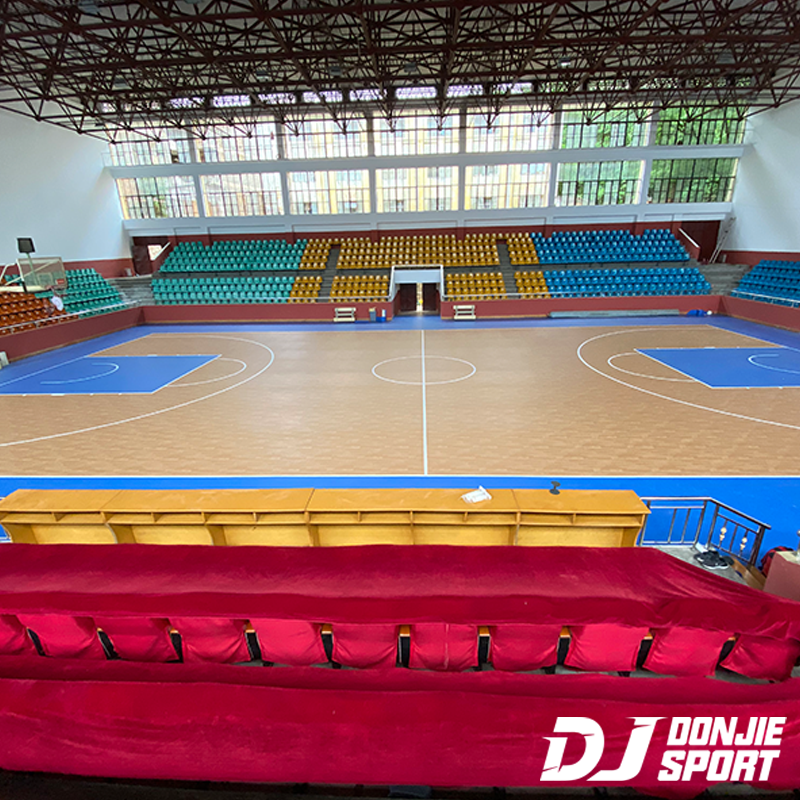
Each type of flooring requires specific maintenance to ensure its longevity:
-
Wooden Floors: Regular refinishing and resealing are necessary to maintain their quality. Be cautious of moisture and ensure proper ventilation in the hall.
-
PVC Flooring: Easy to maintain with regular cleaning using mild soap and water. Avoid harsh chemicals that could damage the surface.
-
Rubber Flooring: Wipe with a damp cloth regularly to keep it free from dirt and grime. Heavy-duty cleaning may be required for high-traffic areas.
-
Vinyl Flooring: Sweep and mop frequently to avoid dirt buildup. Vinyl floors are resistant to stains, but quick attention to spills is recommended.
-
Polyurethane Flooring: A smooth, easy-to-clean surface, but professional maintenance is recommended to preserve its durability.
Conclusion
Choosing the right flooring for your sports hall is an essential decision that impacts both performance and long-term costs. Each flooring type offers its own unique benefits and drawbacks, so it’s important to consider the specific needs of your facility. Whether you prioritize aesthetics, durability, comfort, or ease of maintenance, the best flooring for your sports hall depends on your budget, the sports played, and the environment in which the hall operates. Take the time to assess each option carefully, and make an informed decision that will provide lasting value for your sports facility.



