When designing or renovating a sports facility, most people’s attention tends to focus on aspects like seating arrangements, lighting, or overall architectural design. However, one of the most crucial elements—the flooring—often goes unnoticed. The truth is, sports hall flooring plays an essential role in ensuring the safety, comfort, and performance of athletes. It directly impacts the functionality of the entire facility, making it a cornerstone of success. In this article, we’ll explore why sports hall flooring is the unsung hero that deserves more recognition for its vital role.
Impact on Athlete Performance and Safety
Safety First: Preventing Injuries
One of the most critical factors that sports hall flooring influences is the safety of the athletes who use the facility. Whether it’s basketball, volleyball, or indoor soccer, athletes put a lot of pressure on the floor as they jump, pivot, or slide. The right flooring can drastically reduce the risk of injuries like sprains, strains, and joint issues.
For example, shock-absorbing floors, commonly made from materials like PVC or wood, help reduce the impact on athletes’ joints, particularly during high-intensity sports. Flooring with proper slip resistance can prevent accidents caused by slipping, ensuring players remain grounded even in fast-paced movements. Many modern flooring systems also come with built-in anti-fatigue properties that help reduce muscle strain and enhance comfort during prolonged activity.
Enhancing Player Performance
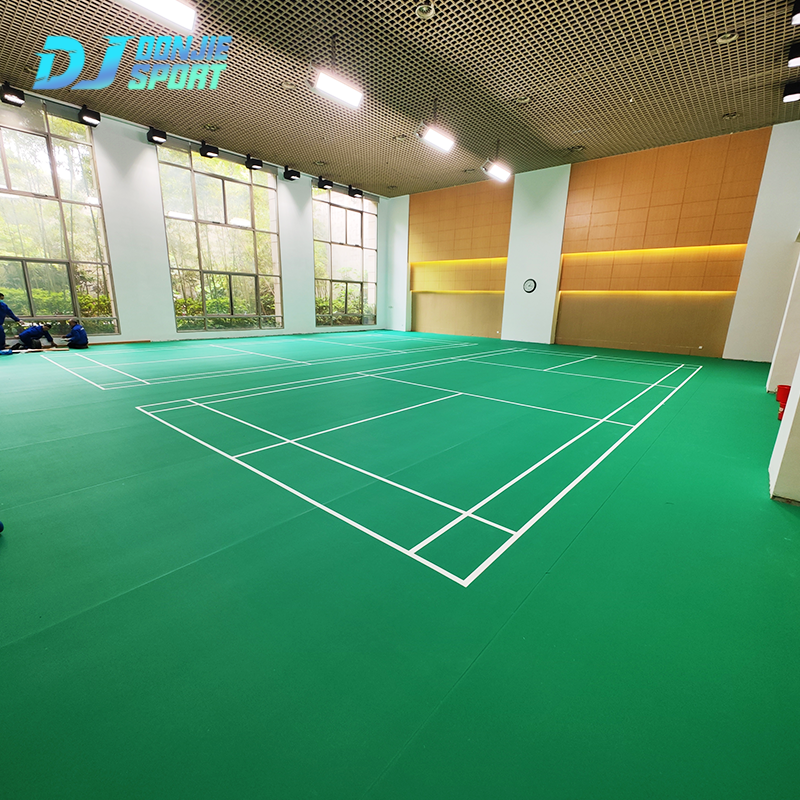
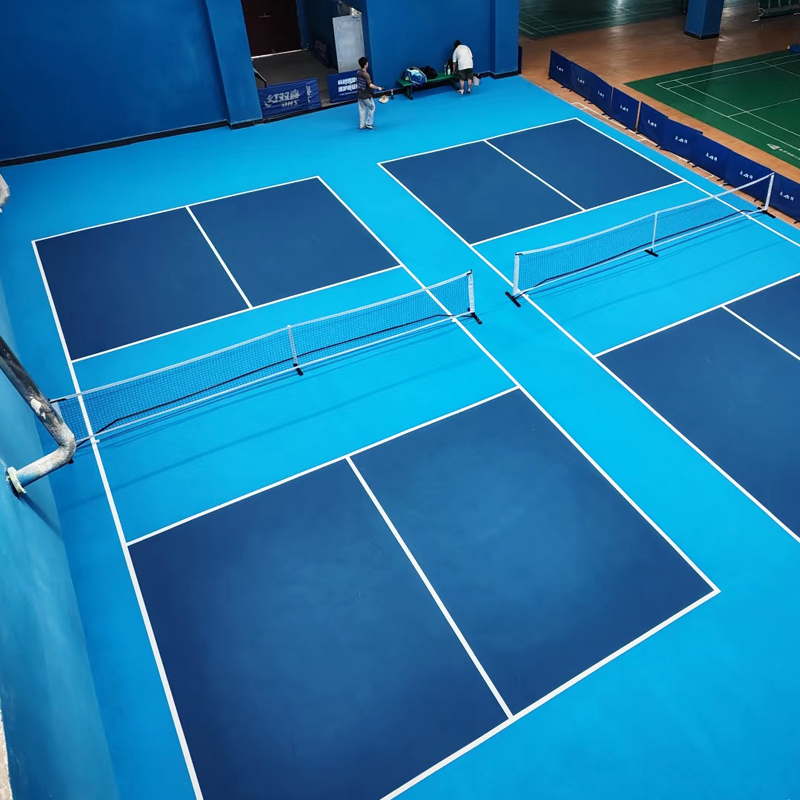
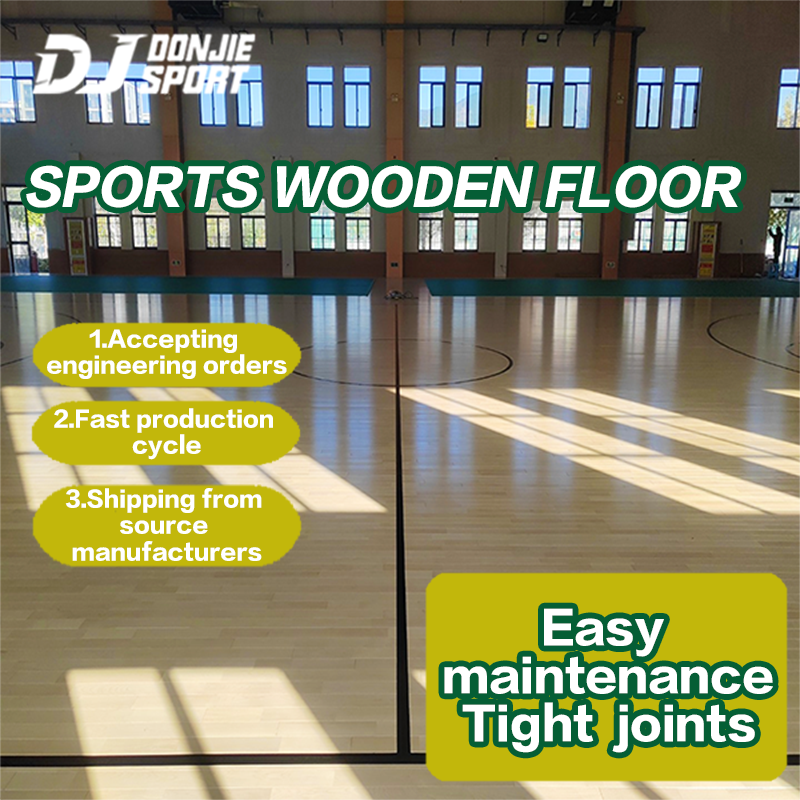
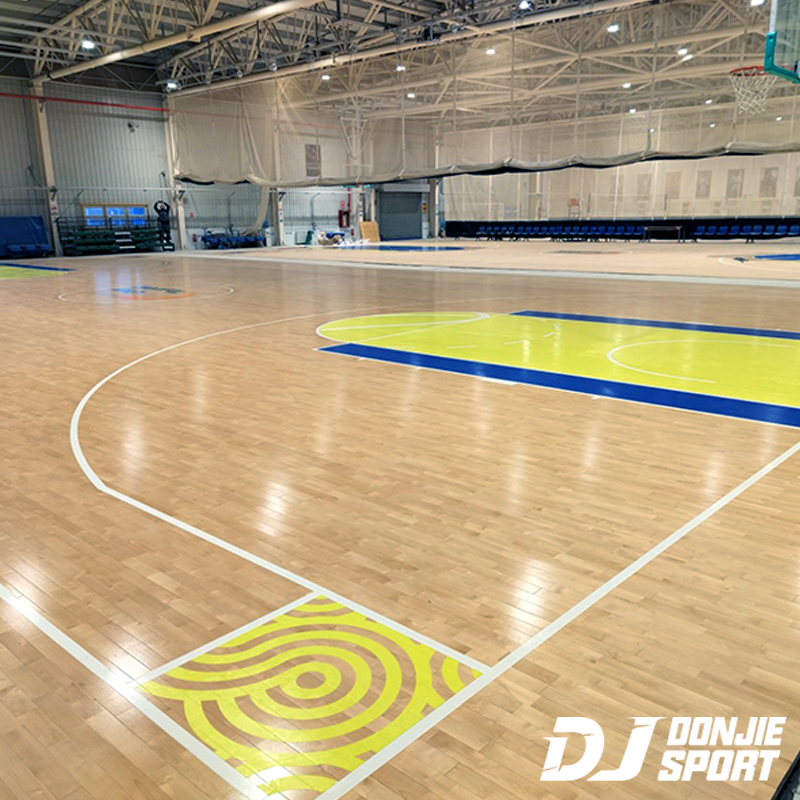
The quality of sports hall flooring doesn’t just keep athletes safe; it also enhances their performance. Different flooring materials can influence the speed, control, and comfort of movement. For example, wooden floors, popular in basketball and volleyball courts, provide the right amount of bounce and grip for explosive movements like jumps and quick directional changes. On the other hand, PVC flooring is often favored for its low-maintenance properties and uniformity, providing consistent grip and cushioning for indoor sports like badminton or table tennis.
The right floor can even influence the bounce of the ball. High-quality sports flooring allows for controlled ball rebounds, which is essential for accurate and competitive gameplay.
Durability and Maintenance: The Longevity Factor
Choosing the Right Flooring for High-Traffic Areas
Sports facilities, especially those located in busy environments, face a high volume of foot traffic, equipment use, and frequent cleaning. As a result, durability becomes a paramount consideration. The best sports hall flooring options are designed to withstand constant wear without compromising their performance or aesthetic appeal.
Materials such as rubber and PVC are known for their exceptional durability, resisting scuffs, scratches, and stains even after years of use. The flooring must be able to endure heavy impacts from both athletes and equipment. For instance, the hard-hitting nature of basketball games can quickly damage inferior flooring, leading to costly repairs and downtime. Choosing a flooring material that can handle these challenges is crucial to maintaining the integrity of the facility over time.
Low Maintenance, High Value
Another reason sports hall flooring is an unsung hero is its low maintenance requirements. While it may seem like more attention should be placed on cleaning and upkeep, high-quality flooring materials such as vinyl or polyurethane require minimal maintenance. Their smooth surface allows for easy cleaning, ensuring the facility remains hygienic and safe for athletes.
Furthermore, materials like PVC flooring are resistant to moisture and mildew, reducing the time and resources needed for maintenance and cleaning. This results in a long-term cost-saving investment for the facility management, as they won’t need to constantly replace or repair damaged floors.
Acoustic and Environmental Considerations
The Soundproofing Role of Sports Hall Flooring
Many people overlook the acoustic benefits of sports hall flooring. Sports events can generate a lot of noise, from the sound of bouncing balls to players communicating across the court. Choosing the right flooring can help reduce noise levels and enhance the overall experience for both athletes and spectators.
Floors with built-in soundproofing capabilities, like rubber or foam-backed vinyl, help dampen sound during games, creating a more comfortable and less disruptive environment for everyone. Additionally, well-designed flooring reduces the echo effect that often plagues large, open spaces like gymnasiums and sports halls.
Eco-Friendly Flooring Solutions
Sustainability has become a key concern for sports facility designs, and flooring is no exception. With the rise of eco-friendly materials, modern flooring options like recycled rubber or PVC with low-VOC emissions contribute to reducing the carbon footprint of the facility. These flooring choices are not only environmentally responsible but also provide high performance and longevity, making them a win-win for both facility managers and the planet.
Aesthetic Appeal: More than Just Functionality
Flooring as a Visual Element
While sports hall flooring is primarily functional, it also serves as an aesthetic element in the facility. Flooring is often one of the first things athletes, coaches, and spectators notice when entering a sports hall. An aesthetically pleasing floor can set the tone for the facility’s overall image, conveying professionalism and quality.
Modern flooring options come in a variety of colors, textures, and patterns, allowing for creative designs that align with the facility’s branding or team colors. Whether you’re looking for sleek, minimalistic designs or bold, vibrant patterns, the flooring provides a visual identity that complements the overall atmosphere.
Cost-Effectiveness and Long-Term Investment
Initial Investment vs. Long-Term Value
It’s tempting to cut corners when selecting sports hall flooring, but opting for low-cost options can lead to higher expenses in the long run. Choosing high-quality materials may require a larger upfront investment, but it pays off in durability, lower maintenance costs, and improved safety. Over time, sports hall flooring that requires less repair and maintenance will save money in operational costs, making it a much more cost-effective choice.
ROI: The Importance of Choosing Quality Flooring
The return on investment (ROI) from choosing the right flooring is substantial. A facility with high-quality, well-maintained flooring attracts more athletes, tournaments, and events. The positive experience it provides leads to repeat usage and positive word-of-mouth, driving more traffic to the facility.
How the Right Flooring Boosts the Reputation of a Facility
Attracting More Events and Sports Teams
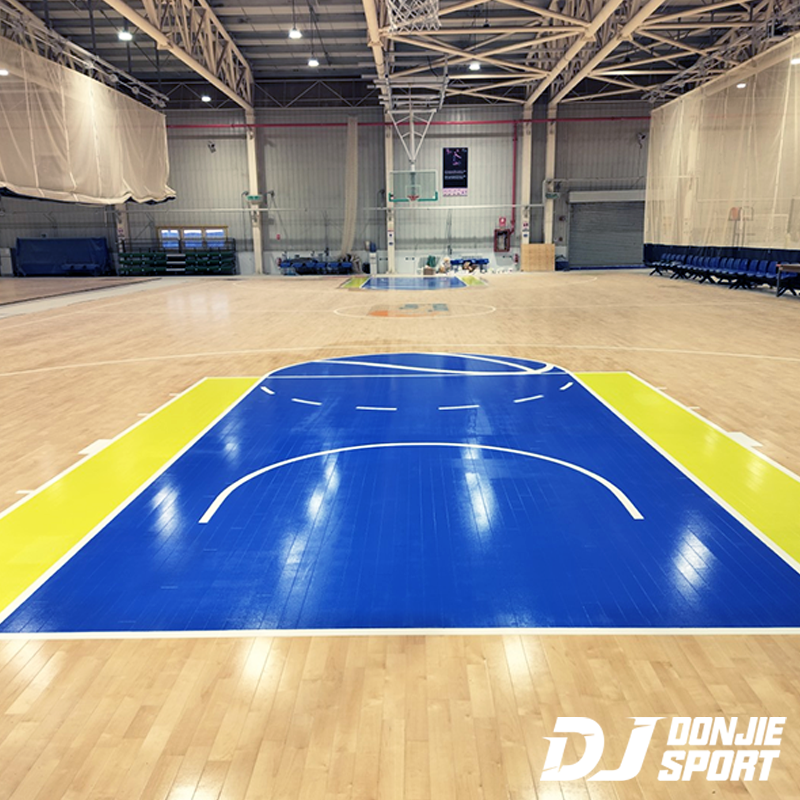
The reputation of a facility is often tied to the quality of its flooring. Sports halls with top-tier flooring systems are more likely to attract professional teams, host tournaments, and draw large crowds. A well-designed sports floor not only enhances performance but also lends credibility to the venue, attracting higher-profile events and teams.
Creating a Positive User Experience
Athletes and coaches spend a considerable amount of time in the facility. The comfort and safety provided by the flooring have a direct impact on the overall experience. When athletes feel supported by the surface beneath their feet, it creates a positive association with the venue, encouraging them to return and recommend the facility to others.
The Unsung Hero of Facility Design
In conclusion, sports hall flooring is often overlooked but is undeniably the unsung hero of any sports facility. It ensures safety, enhances performance, is durable and easy to maintain, improves acoustics, and contributes to the facility’s visual appeal. Whether it’s the protection it provides to athletes or the long-term cost savings it offers to facility managers, flooring is a critical investment that can significantly impact a facility’s success. By prioritizing the right flooring, you invest in a safe, efficient, and profitable sports venue for years to come.