When it comes to designing or upgrading a gymnasium or sports hall, choosing the right flooring is one of the most important decisions you’ll make. The flooring you select will not only impact the aesthetic appeal of the space but also affect the safety and performance of athletes. Whether you’re building a new facility or renovating an existing one, the right flooring ensures a comfortable and durable environment that can withstand the wear and tear of high-intensity activities.
Good quality flooring provides several key benefits: it supports the physical demands of various sports, minimizes the risk of injury by offering adequate shock absorption, and is easy to maintain for long-term use. Moreover, with so many flooring options available, making an informed choice can be challenging but is critical for ensuring your gym meets all necessary functional and safety requirements.
Factors to Consider When Selecting Flooring for Gymnasium
Choosing the best flooring for your gymnasium requires careful consideration of several factors. The right flooring will ensure the safety of athletes, enhance the overall aesthetic of the facility, and withstand the heavy usage typical of gym environments. Below are the key factors to keep in mind:
Type of Sports and Activities
The first step in selecting gymnasium flooring is determining the types of sports and activities that will take place in the space. Different sports place different demands on the flooring, so it’s essential to choose a material that suits the specific needs of each activity.
-
Basketball and Volleyball: These sports require a floor with a high level of shock absorption to prevent injuries and provide good traction. Flooring options such as wood or high-performance rubber are popular for these types of sports.
-
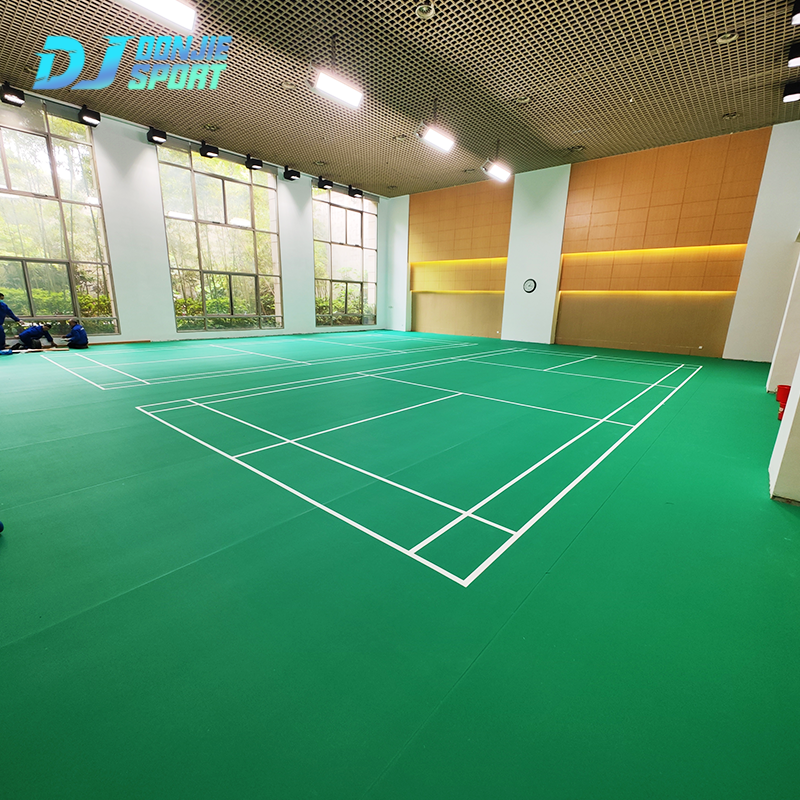
Badminton or Table Tennis: Floors for these sports need to be hard and level to allow for quick movements and precise ball bounces. PVC or vinyl flooring with a smooth finish is often used.
-
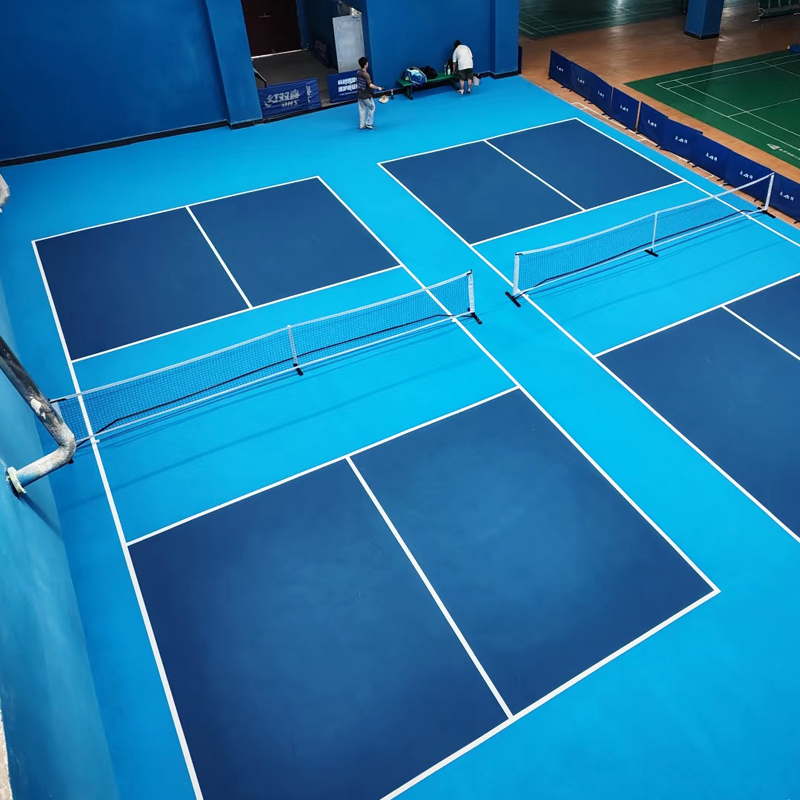
Multi-Sport Facilities: For facilities used for various activities, such as gymnastics, indoor soccer, or aerobics, versatile flooring like interlocking tiles or multi-purpose PVC is ideal.
Durability and Wear Resistance
Gymnasiums experience heavy foot traffic, frequent impacts, and intense use, so durability is a critical factor when selecting flooring. The right flooring material should withstand high traffic and repeated stress without showing significant signs of wear and tear.
-
Wooden Flooring: Traditional hardwood floors are highly durable, but they require regular maintenance to prevent scratches and damage from moisture.
-
Rubber Flooring: This option is known for its resilience and resistance to damage, making it ideal for high-traffic areas.
-
PVC and Vinyl Flooring: These materials are durable and can handle the stresses of various sports without compromising on performance.
Shock Absorption and Safety Features
The safety of athletes should always be a top priority. Flooring with adequate shock absorption helps prevent injuries caused by falls, impacts, and high-intensity movements.
-
Wooden Floors: Hardwood floors offer natural shock absorption, but they may require additional padding or underlayment to maximize comfort and reduce impact.
-
Rubber Flooring: Rubber floors provide excellent cushioning, making them ideal for activities involving jumping or sudden movements.
-
Vinyl/PVC Flooring: High-quality PVC flooring can also offer excellent shock absorption, and it is often designed to minimize the risk of slips and falls.
Maintenance and Cleaning
Maintaining a clean and hygienic gymnasium floor is essential for the overall health of the facility. Different types of flooring require varying levels of maintenance, so it’s important to choose a material that fits your budget and maintenance capabilities.
-
Wooden Flooring: Requires regular cleaning and occasional refinishing to maintain its appearance and durability. It may need special care to prevent moisture damage.
-
Rubber Flooring: Easy to clean and maintain, rubber floors are resistant to dirt and stains, making them a low-maintenance option.
-
PVC Flooring: Also relatively easy to clean and can be maintained with basic floor cleaning tools. It is resistant to spills and stains, making it a practical choice for high-use environments.
Aesthetic Appeal and Design Flexibility
While functionality is key, the aesthetic appeal of your gymnasium floor also matters. The flooring sets the tone of the space and can impact the overall atmosphere of the facility. Additionally, you may want to choose a material that allows for customization to match your facility’s branding or design.
-
Wooden Flooring: Offers a classic and timeless look, with various finishes available to match the style of the gymnasium. However, wood flooring may not offer the same flexibility for customization as other materials.
-
Rubber Flooring: Available in a variety of colors and styles, rubber flooring can be customized to suit the design and branding of your gymnasium.
-
PVC Flooring: PVC flooring comes in a wide range of colors and textures, allowing for complete design flexibility.
Popular Flooring Options for Gymnasiums
With various flooring options available, it’s important to choose one that meets the needs of your facility. Below are some of the most popular materials used in gymnasium flooring:
Wooden Flooring
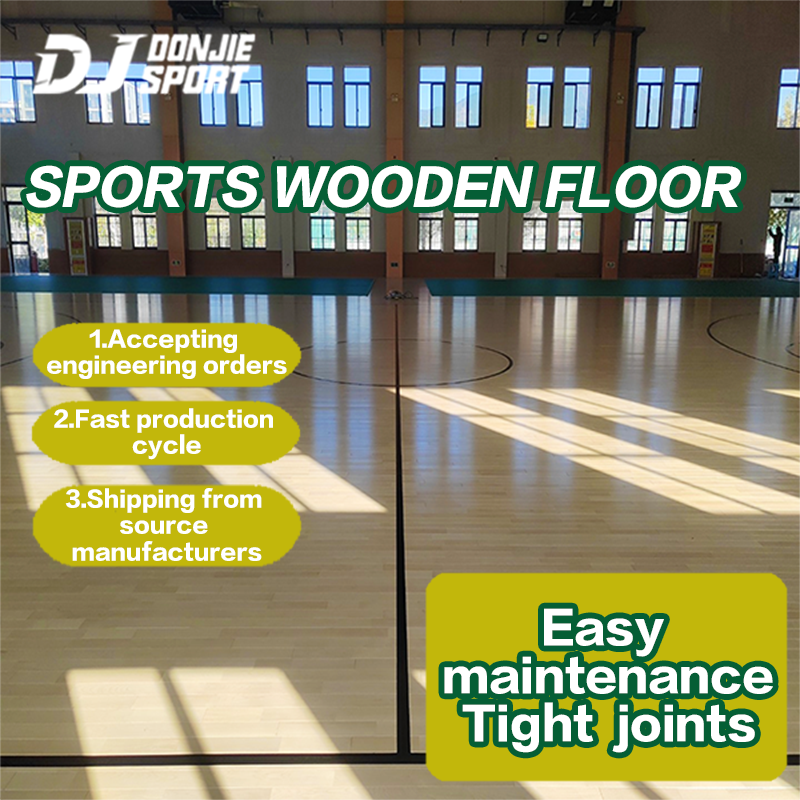
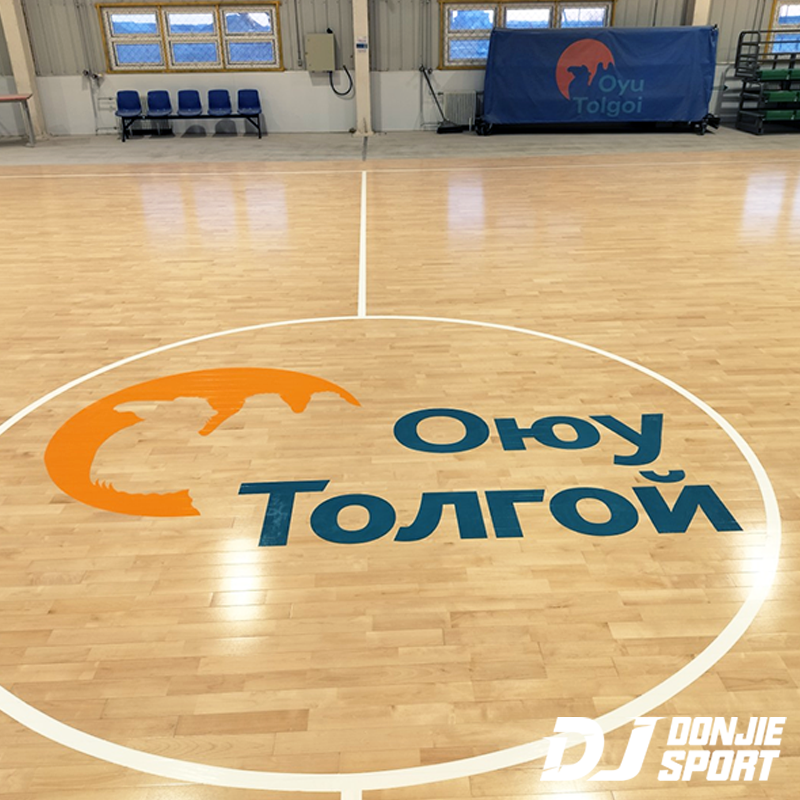
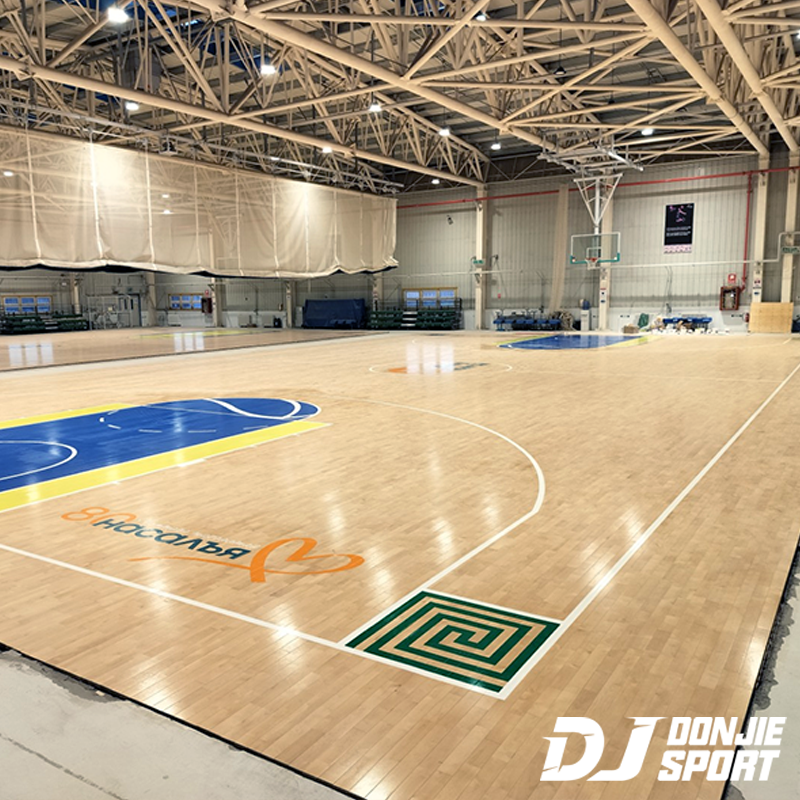
Wooden flooring remains a popular choice for sports halls and gymnasiums due to its natural beauty and durability. It provides excellent shock absorption and traction, making it ideal for sports like basketball, volleyball, and badminton. However, wooden floors require regular maintenance to ensure they remain in good condition over time.
Rubber Flooring
Rubber flooring is known for its resilience and ability to absorb shocks, which makes it an ideal choice for high-impact activities like weightlifting or gymnastics. Rubber flooring is also highly durable and easy to maintain, making it suitable for gymnasiums with heavy foot traffic.
Vinyl/PVC Flooring
Vinyl and PVC flooring are popular choices for multi-purpose gymnasiums. These materials are highly durable, resistant to stains, and easy to clean. They also provide excellent shock absorption and traction, making them a great option for a variety of sports and activities.
Interlocking Sports Tiles
Interlocking sports tiles are a convenient option for gymnasiums because they are easy to install and maintain. These tiles can be customized to suit the design and function of the facility, and they are ideal for multi-sport use. Interlocking tiles are also easy to replace if damaged.
How to Choose Based on Budget
When selecting gymnasium flooring, it’s important to consider both the upfront costs and long-term investment. While some materials may have a higher initial cost, they may save money in the long run due to their durability and low maintenance requirements.
-
Budget-Friendly Options: If you’re on a tight budget, PVC or rubber flooring might be a good option. They provide durability and ease of maintenance at a more affordable price point.
-
Long-Term Investment: If you’re willing to invest more upfront, wooden flooring or high-end PVC options might provide better performance and longevity. However, these materials may require more maintenance over time.
Installation Considerations
Proper installation is crucial to ensure that your gymnasium flooring performs at its best. Depending on the type of flooring you choose, you may need to decide between professional installation and DIY options.
-
Professional Installation: For high-quality and complex flooring materials, such as wood or vinyl, professional installation is recommended to ensure that the flooring is laid properly.
-
DIY Options: For interlocking tiles or rubber flooring, DIY installation is possible. However, it’s important to ensure that the floor is level and well-fitted to avoid future issues.
Long-Term Care and Maintenance Tips
Proper maintenance ensures that your flooring stays in top condition for years to come. Here are some maintenance tips for different types of gym flooring:
-
Wooden Flooring: Clean regularly and apply wood polish or refinishing to maintain the surface. Be sure to control humidity to avoid warping.
-
Rubber Flooring: Sweep and mop regularly to keep the floor clean. Avoid using harsh chemicals that can damage the material.
-
PVC Flooring: Clean with a damp mop and ensure that any spills are wiped up immediately to avoid staining.
Making the Right Flooring Decision for Your Gymnasium
Choosing the right flooring for your gymnasium or sports hall is a critical decision that impacts safety, performance, and long-term maintenance. Consider factors like the type of activities in your facility, budget, durability, and ease of care when making your choice. Each flooring material has its benefits, and the best option depends on the specific needs of your space.
By carefully evaluating these factors and understanding the options available, you can make an informed decision that will ensure your gymnasium remains a safe, functional, and visually appealing environment for athletes and visitors alike.