When it comes to choosing flooring for a sports hall, the decision goes far beyond aesthetics. The right flooring impacts player performance, safety, and the long-term maintenance of your facility. Two of the most popular options are PVC (Polyvinyl Chloride) and wood sports hall flooring. Both offer unique benefits and come with their own set of considerations, making it essential to compare them carefully before making a decision. In this article, we’ll dive deep into the pros and cons of each, helping you choose the best flooring for your needs.
Understanding PVC Sports Hall Flooring
What is PVC Flooring?
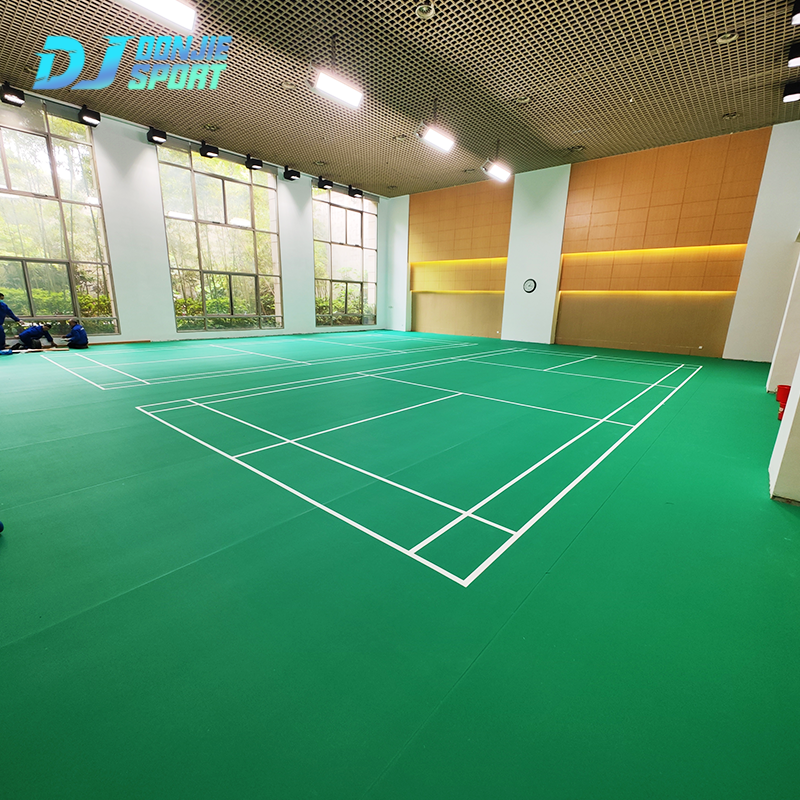
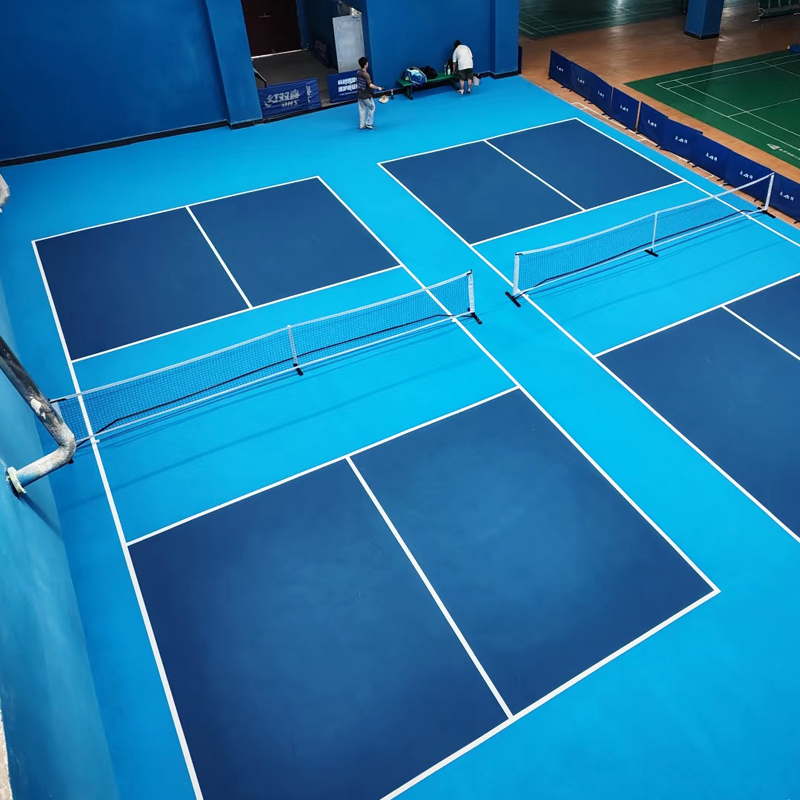
PVC flooring is a synthetic material that has gained popularity for sports halls due to its durability, versatility, and cost-effectiveness. It is made from high-quality vinyl, which is processed into sheets or tiles that can be easily installed over most subfloors. PVC sports hall flooring is designed to withstand heavy foot traffic, resist stains, and offer excellent cushioning for athletes.
Benefits of PVC Sports Hall Flooring
One of the key advantages of PVC sports flooring is its low maintenance. Unlike wood, which requires refinishing and careful upkeep, PVC only needs regular cleaning to maintain its appearance and functionality. Additionally, PVC flooring is incredibly durable, offering a long lifespan, even in high-use environments. It is also resistant to moisture, which makes it a great choice for gyms and sports halls that experience fluctuations in humidity.
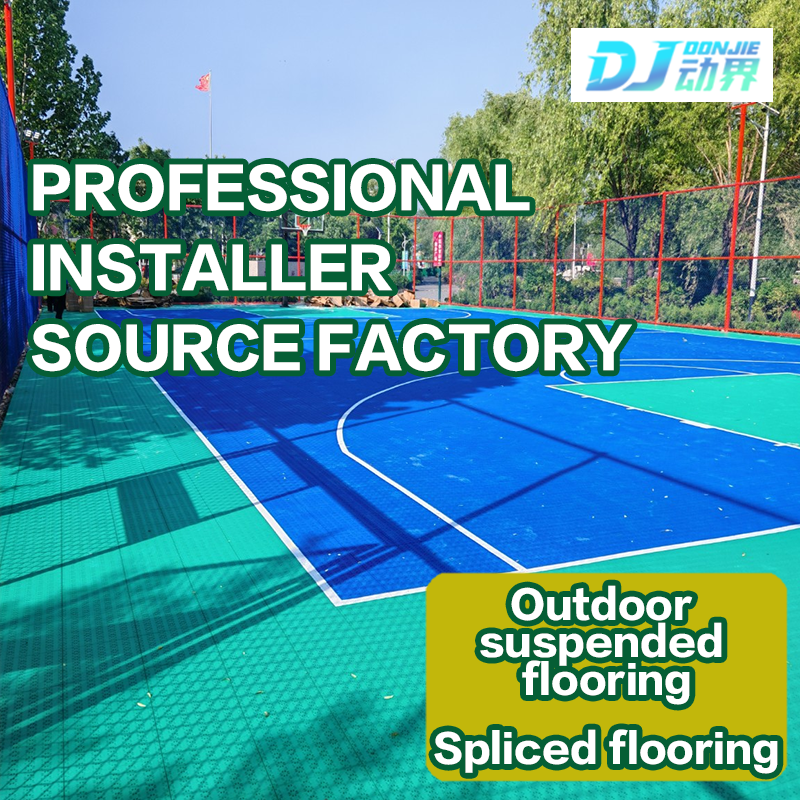
Cost is another significant factor. PVC sports hall flooring is typically more affordable than wood, making it an excellent option for facilities on a budget. Furthermore, its versatility means it can be used for a variety of sports, including basketball, volleyball, and even badminton, making it a multi-purpose flooring solution.
Ideal Use Cases for PVC Flooring
PVC sports flooring is well-suited for multi-purpose sports halls that host a variety of activities. It performs well in environments with high foot traffic and is particularly effective for indoor gyms, community centers, and schools where versatility and durability are crucial.
Exploring Wood Sports Hall Flooring
What is Wood Flooring?
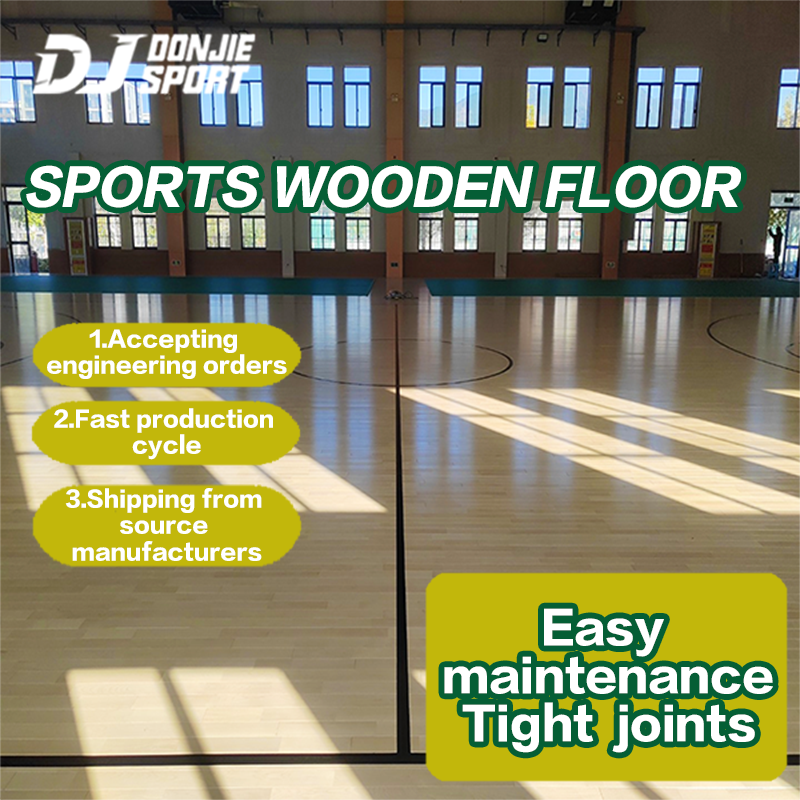
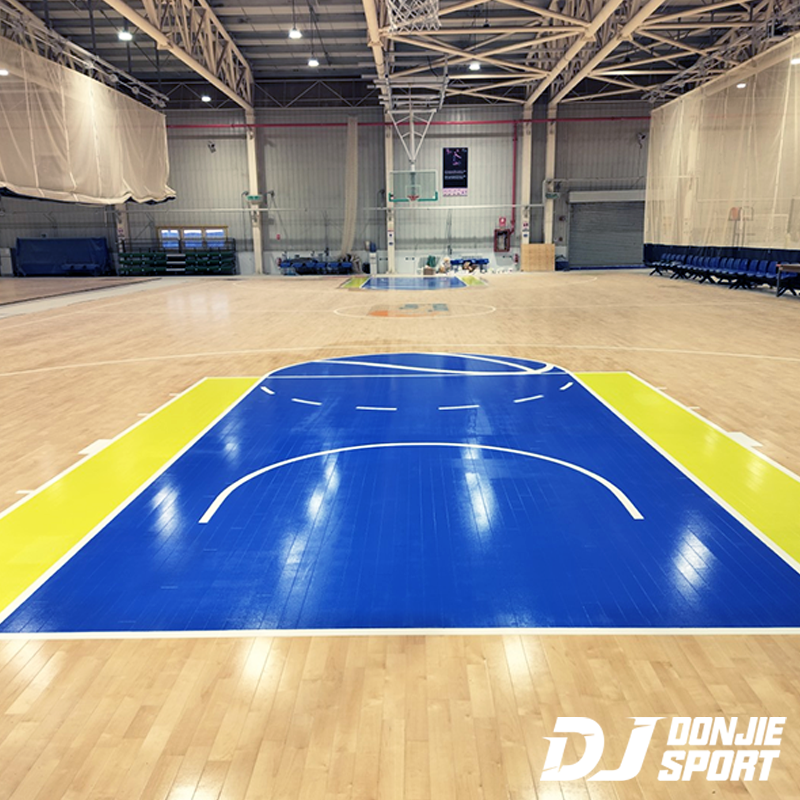
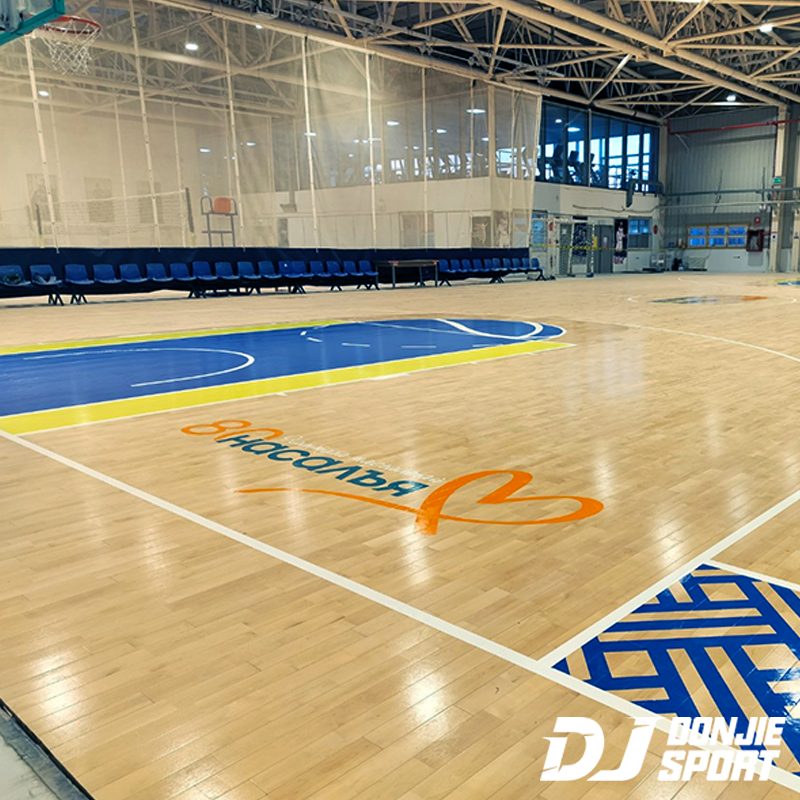
Wood flooring has long been the go-to choice for sports halls, particularly in environments where aesthetics and player performance are top priorities. Typically made from hardwoods such as maple or beech, wood sports flooring is renowned for its natural beauty, smooth finish, and ability to enhance the atmosphere of any sports facility. It is often chosen for its classic appearance and the quality it brings to professional venues.
Benefits of Wood Sports Hall Flooring
Wood sports flooring offers a range of benefits, particularly in terms of safety and performance. The natural material provides excellent shock absorption, which helps to reduce the risk of injuries caused by high-impact movements, such as jumping and quick direction changes. This makes it an ideal choice for sports like basketball, volleyball, and indoor tennis, where players frequently make rapid, forceful motions.
Wood flooring also has a unique aesthetic appeal that PVC simply can’t replicate. The warm, rich tones of wood create an inviting and professional environment, which is one reason why it’s commonly used in schools, universities, and professional arenas. In addition, wooden floors are durable and can be refinished multiple times, extending their life cycle and maintaining their visual appeal for many years.
Ideal Use Cases for Wood Flooring
Wood flooring is best suited for sports halls where high-performance sports are played, such as basketball courts or volleyball arenas. It is commonly found in multi-purpose sports venues, schools, and colleges, especially where aesthetics play a major role. Additionally, wood flooring is an excellent choice for facilities that want a more traditional, premium feel and are willing to invest in the long-term maintenance required to preserve its beauty.
PVC vs. Wood: Key Factors to Consider
Durability and Longevity
When it comes to durability, PVC flooring stands out for its resilience to wear and tear. It’s designed to withstand the constant foot traffic found in sports halls, making it a durable option that requires minimal upkeep. On the other hand, wood flooring can be quite durable too, but its longevity is often dependent on maintenance. Wood floors may need refinishing every few years to maintain their smooth surface and prevent wear. While wood can last decades, the additional costs and effort required to preserve it must be considered.
Maintenance Requirements
PVC flooring is a winner when it comes to low-maintenance needs. Regular sweeping and occasional mopping are generally all that’s needed to keep it in top condition. Wood flooring, however, requires more attention. Over time, wood can become scratched or dented, necessitating refinishing to restore its smoothness. Additionally, wood flooring may need to be re-sealed to maintain its protective layer. For facilities that need a flooring solution with minimal maintenance effort, PVC is the more practical choice.
Comfort and Safety
Wood flooring excels in player safety due to its natural shock-absorbing qualities. Its ability to cushion the impact of players’ movements can reduce the likelihood of injuries, particularly in sports that involve jumping or rapid direction changes. PVC flooring also offers some shock absorption, though it doesn’t match the level provided by wood. However, PVC has its own advantages in terms of consistency and stability, providing a uniform playing surface that can enhance comfort for players across a range of sports.
Aesthetic Appeal
A major advantage of wood flooring is its aesthetic appeal. It brings warmth, elegance, and a timeless look to sports halls, which can be a draw for high-end or prestigious venues. PVC, though versatile and available in a wide range of colors and designs, may not offer the same premium feel as wood. However, it is worth noting that modern PVC sports flooring options can mimic the look of wood, offering a balance between aesthetics and practicality.
Environmental Impact
Wood flooring has a natural advantage when it comes to sustainability, particularly if sourced from certified, sustainable forests. However, it requires more energy-intensive production and has a higher carbon footprint due to its manufacturing process and maintenance needs. PVC flooring, on the other hand, is made from synthetic materials, and while it can be recycled, it is less eco-friendly than wood. Some modern PVC options use more sustainable production methods, but the environmental impact is still higher compared to wood.
Cost Comparison: PVC vs. Wood Flooring
Initial Installation Costs
In terms of upfront costs, PVC flooring is generally the more affordable option. The material itself is less expensive than wood, and installation is typically quicker and easier, which can reduce labor costs. Wood flooring, on the other hand, comes at a higher price, both for the materials and installation. High-quality wood flooring, such as maple, can significantly increase the overall project cost.
Long-Term Value
While PVC flooring is more affordable initially, wood flooring can provide greater long-term value if well-maintained. Although the cost of refinishing wood floors can add up over time, it has a longer lifespan than PVC, which may need to be replaced sooner depending on usage. In addition, wood floors can be refurbished, whereas PVC may need to be entirely replaced if damaged or worn beyond repair. Therefore, while the initial cost is higher for wood, its long-term value may justify the investment for certain types of sports halls.
Which Flooring Option is Right for You?
Factors to Consider When Making Your Choice
When deciding between PVC and wood sports hall flooring, there are several factors to consider:
-
Facility Type and Sports Played: If you’re outfitting a facility that hosts high-performance sports like basketball, wood may be the best choice due to its superior shock absorption. For multi-purpose venues with frequent use, PVC is a more practical solution.
-
Budget: PVC flooring is more budget-friendly both in terms of initial installation and long-term maintenance.
-
Maintenance Commitment: If you prefer a low-maintenance option, PVC is the way to go, while wood requires more upkeep.
Making the Final Decision
PVC flooring is ideal for those on a budget or facilities that prioritize versatility and low maintenance. It’s a great option for gyms or multi-sport venues. If aesthetics, long-term durability, and player safety are top priorities, and you are willing to invest in maintenance, wood flooring remains a strong choice.
Conclusion
Choosing between PVC and wood flooring for your sports hall comes down to your specific needs, preferences, and budget. PVC flooring offers a cost-effective, low-maintenance solution that is versatile and durable for high-traffic sports venues. Wood flooring, while more expensive and maintenance-heavy, provides superior performance and aesthetic value, particularly for premium sports facilities. By carefully weighing the pros and cons of both options, you can select the flooring that best meets the needs of your facility and athletes.