Choosing the right flooring for a sports hall is crucial for both the performance of athletes and the longevity of the facility. When it comes to high-impact sports like basketball, volleyball, and indoor soccer, the demands on the flooring are much higher than for general-purpose spaces. High-impact sports involve rapid movements, intense energy, and constant physical contact, all of which put immense stress on the flooring. Therefore, selecting the right material is not just about aesthetics or cost—it’s about ensuring safety, durability, and performance.
In this article, we’ll explore the key considerations when selecting durable sports hall flooring for high-impact sports, why durability matters, and the best flooring options to meet these needs.

Understanding High-Impact Sports and Their Demands on Flooring
High-impact sports like basketball, volleyball, and indoor soccer require flooring that can handle both the physical intensity of the game and the high foot traffic that comes with regular use. The flooring must be able to absorb shock, provide traction, and withstand the wear and tear of constant physical activity.
Challenges Faced by High-Impact Sports Flooring:
-
Shock Absorption: During activities such as jumping and sudden direction changes, athletes put tremendous pressure on their joints. Proper shock absorption is essential to reduce the risk of injuries.
-
Traction and Grip: Players need reliable traction to make quick stops and changes in direction. A slippery surface can result in accidents and decrease performance.
-
Durability: High-impact sports lead to significant floor wear, which can cause issues like dents, scratches, and surface degradation over time.
Given these requirements, the flooring must offer a balance of safety, comfort, and durability without compromising performance. Choosing the right material becomes key to addressing these challenges.
Types of Flooring for High-Impact Sports
There are several flooring materials available for sports halls, each with its unique benefits and drawbacks. The main options include PVC, wood, rubber, and polyurethane. Here’s a closer look at each:
1. PVC Flooring
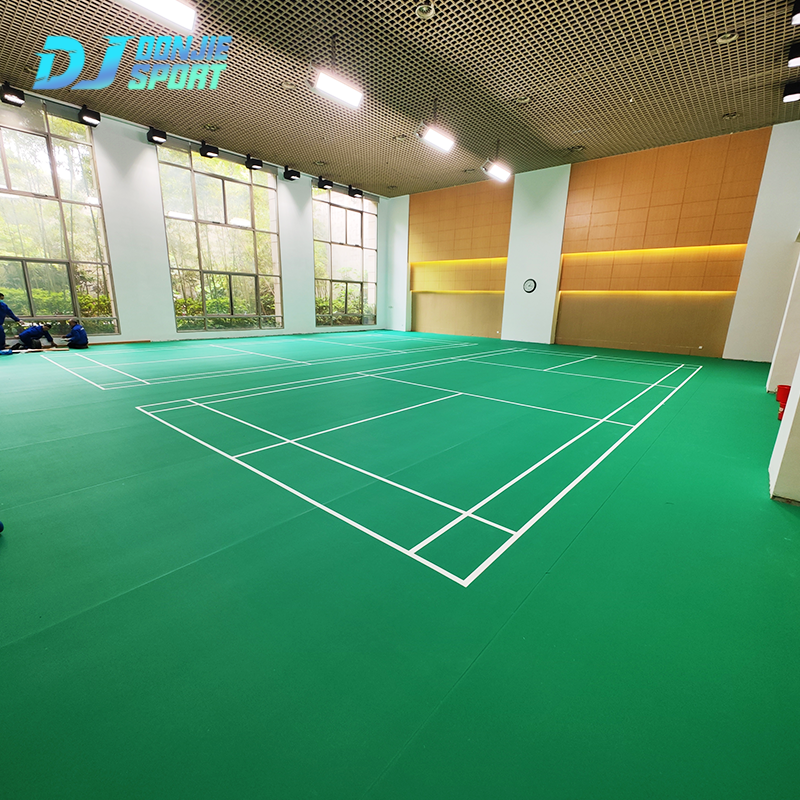
PVC (polyvinyl chloride) flooring is a popular choice for sports halls due to its flexibility, durability, and low maintenance needs. It is particularly effective for high-impact sports because it offers excellent shock absorption, reducing the strain on athletes’ joints. Additionally, PVC flooring is highly resistant to wear and tear, making it an ideal choice for high-traffic areas.
Pros:
-
Superior shock absorption
-
Low maintenance
-
Highly durable
-
Resistant to wear and tear
-
Easy to clean
Cons:
-
Can be more expensive than some other options
-
Requires professional installation
2. Wood Flooring
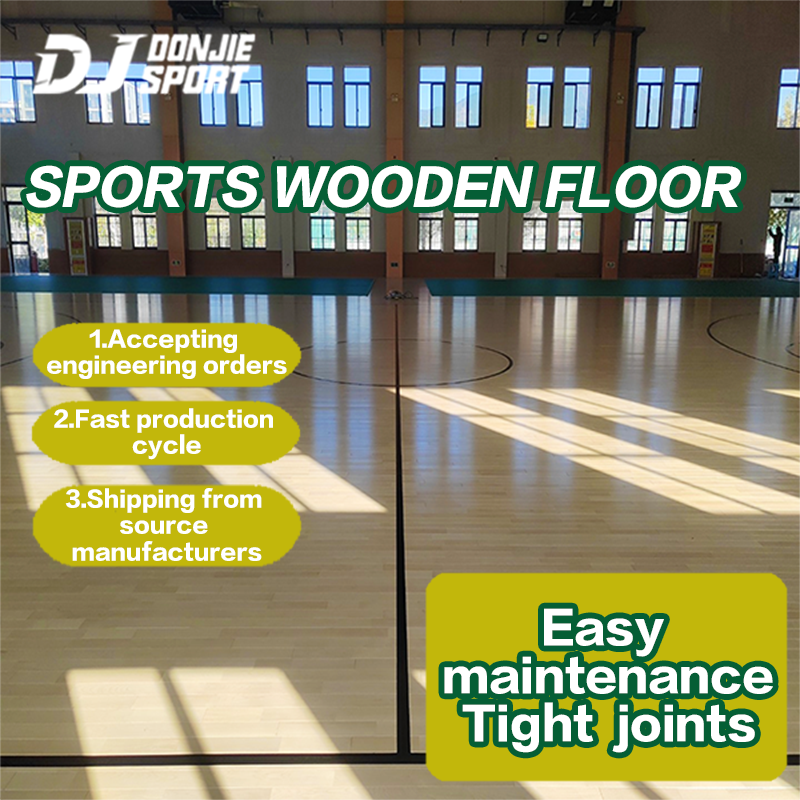
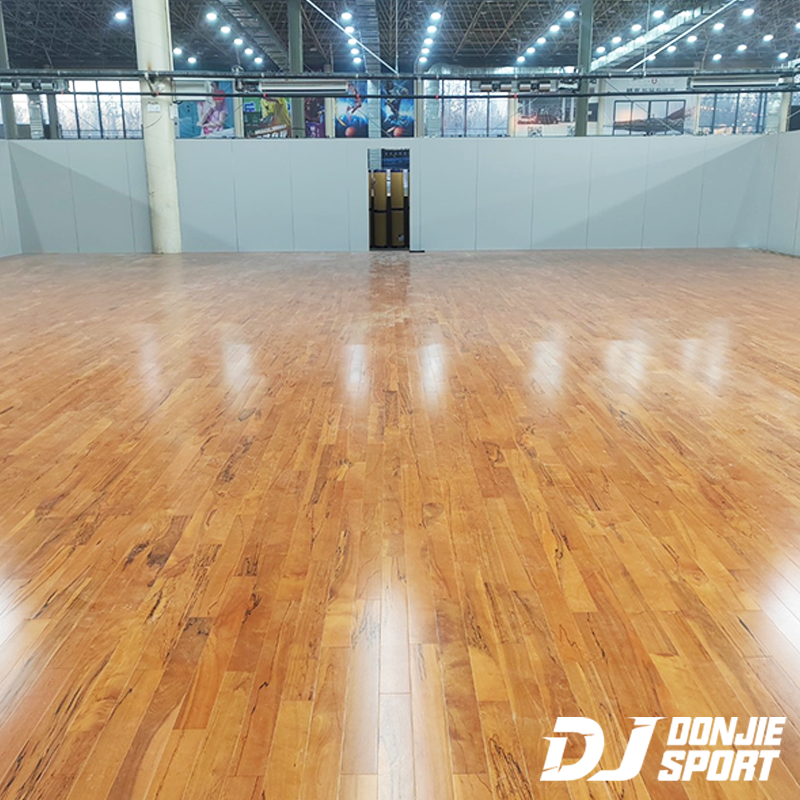
Wood flooring is often seen in gyms, particularly for basketball and volleyball courts. It’s a classic choice because of its aesthetic appeal and its ability to provide a natural, firm playing surface. However, while wood flooring provides good traction, it requires more maintenance than PVC and may wear out faster under high-impact conditions.
Pros:
-
Attractive appearance
-
Excellent traction
-
Good for indoor basketball courts
Cons:
-
Requires regular maintenance (sanding, refinishing)
-
Prone to wear in high-impact environments
-
Less shock absorption than PVC
3. Rubber Flooring
Rubber flooring is another option that offers excellent shock absorption and durability. While it is often used in gym settings, it’s less common for sports halls because it can be more rigid than PVC or wood and may not provide the same level of traction or comfort for high-impact sports.
Pros:
-
Great for shock absorption
-
Low maintenance
-
Durable and long-lasting
Cons:
-
Less traction for high-intensity sports
-
Heavier and more difficult to install than PVC
4. Polyurethane Flooring
Polyurethane is a versatile material that provides excellent shock absorption and is highly resistant to chemicals, making it suitable for areas exposed to heavy foot traffic. It is less common in sports halls due to its higher cost but can be a good option for facilities that need a long-lasting and resilient surface.
Pros:
-
Great shock absorption and comfort
-
Highly durable and resistant to chemicals
-
Low maintenance
Cons:
-
Expensive
-
Difficult installation
While each material has its strengths, PVC sports flooring is often the most preferred for high-impact sports due to its combination of shock absorption, durability, and ease of maintenance.
The Role of Durability in Sports Hall Flooring
Durability is a fundamental aspect when selecting sports hall flooring for high-impact sports. Flooring in these environments faces constant abuse from fast-moving athletes, heavy equipment, and the general wear of daily activity. Durable flooring ensures that the surface maintains its integrity over time, providing a consistent performance environment for athletes.
Why Durability Matters:
-
Cost-Effectiveness: While durable flooring may have a higher initial cost, it can save money in the long run by reducing the need for frequent repairs or replacements.
-
Safety: Flooring that degrades over time can lead to uneven surfaces, cracks, and other hazards that increase the risk of injury. Durable flooring ensures a safe environment for athletes.
-
Longer Lifespan: Durable flooring materials, such as PVC, can withstand the wear and tear of high-impact sports, meaning they need to be replaced less often.
Investing in durable flooring provides the long-term benefits of safety, performance, and cost savings.
Key Features of Durable Sports Hall Flooring for High-Impact Sports
When selecting durable flooring for high-impact sports, several key features should be considered:
1. Shock Absorption
The flooring must absorb the impact from jumps and sudden movements to protect athletes’ joints, particularly the knees and ankles. Poor shock absorption can lead to joint strain and long-term injuries.
2. Traction and Grip
Proper traction is essential for athletes to make quick movements and changes of direction. Flooring that offers too much grip can be uncomfortable, while flooring with insufficient grip increases the risk of slips and falls.
3. Wear Resistance
High-traffic areas will naturally experience more wear and tear. A durable surface should be resistant to abrasions, scratches, and dents to maintain its aesthetic appeal and functionality.
4. Easy Maintenance
Flooring that is easy to clean and maintain reduces the effort and costs associated with upkeep. PVC flooring is particularly low-maintenance and can be easily cleaned with regular sweeping and occasional mopping.
Installation Considerations for Long-Lasting Flooring
Proper installation is critical to ensure the flooring’s durability and longevity. Even the best-quality material can fail if installed incorrectly. The installation process must consider factors like subfloor preparation, expansion gaps, and proper sealing.
-
Subfloor Preparation: Ensuring the subfloor is smooth and level is essential for proper adhesion and longevity.
-
Professional Installation: Hiring an experienced contractor is crucial to avoid installation errors that could shorten the lifespan of the flooring.
-
Sealing and Expansion: Proper sealing prevents moisture penetration, while expansion gaps allow the flooring to expand and contract with temperature changes.
Maintaining High-Quality Flooring for Longevity
To maximize the life of sports hall flooring, it’s essential to implement regular maintenance practices:
-
Routine Cleaning: Regular sweeping and mopping prevent dirt from accumulating and damaging the surface.
-
Repairs: Small damages, such as scratches or scuffs, should be addressed immediately to prevent further deterioration.
-
Professional Inspections: Periodic inspections by professionals can identify issues early, preventing costly repairs.
Why Sports Hall Flooring Is Crucial for Athlete Performance
The quality of flooring directly affects athlete performance. A surface that provides proper shock absorption, grip, and support enables athletes to perform at their best while minimizing the risk of injury. In fact, many athletes report feeling more confident and performing better on floors designed for high-impact sports.
Conclusion
Durable sports hall flooring is essential for creating a safe, high-performance environment for athletes. PVC flooring stands out as the best option due to its superior shock absorption, wear resistance, and low maintenance. By choosing the right flooring, sports facilities ensure not only the safety of athletes but also long-term cost savings and consistent performance.