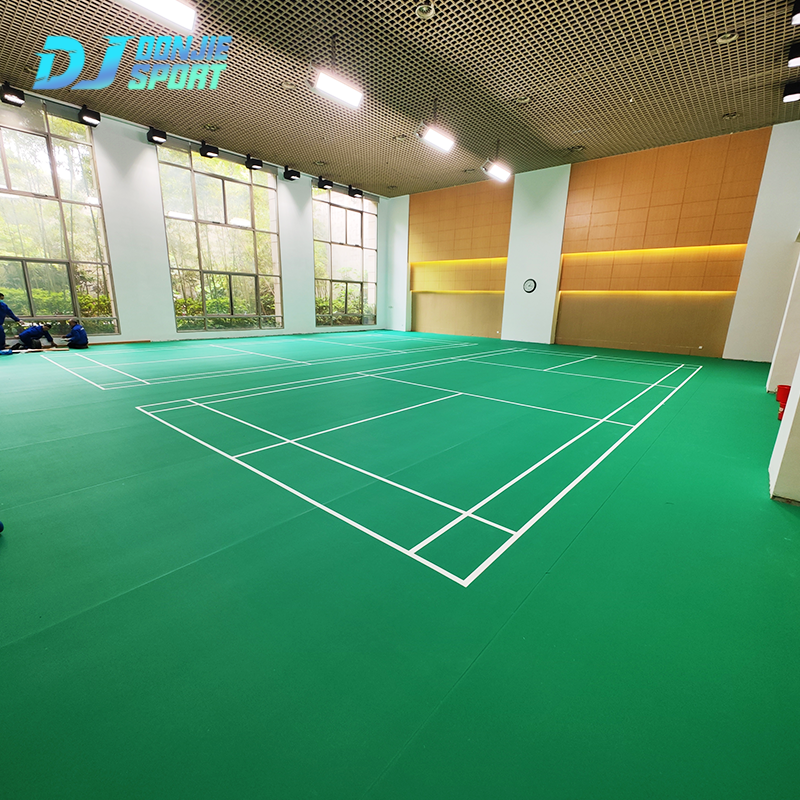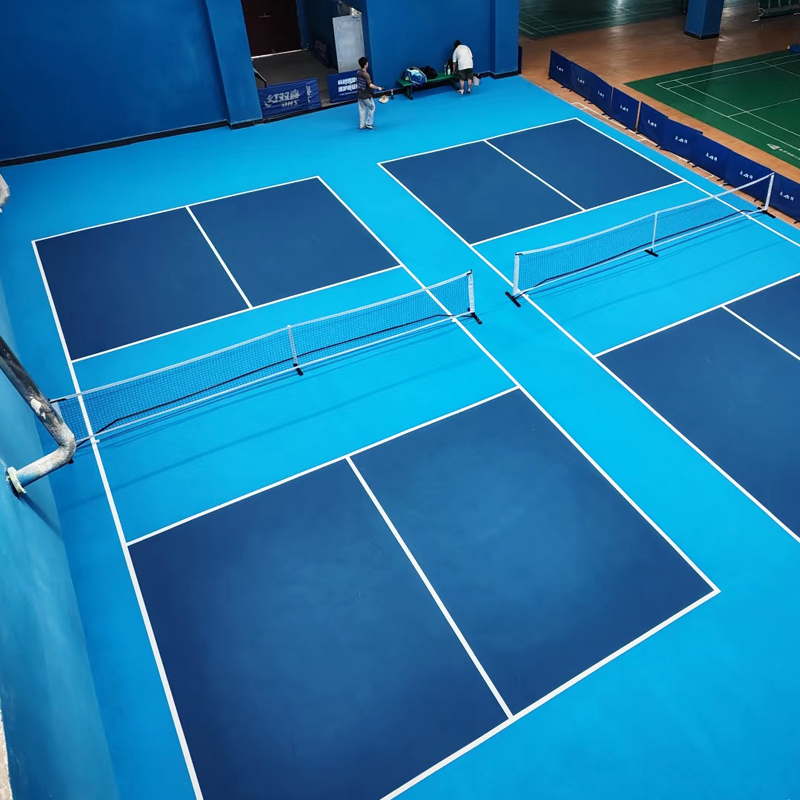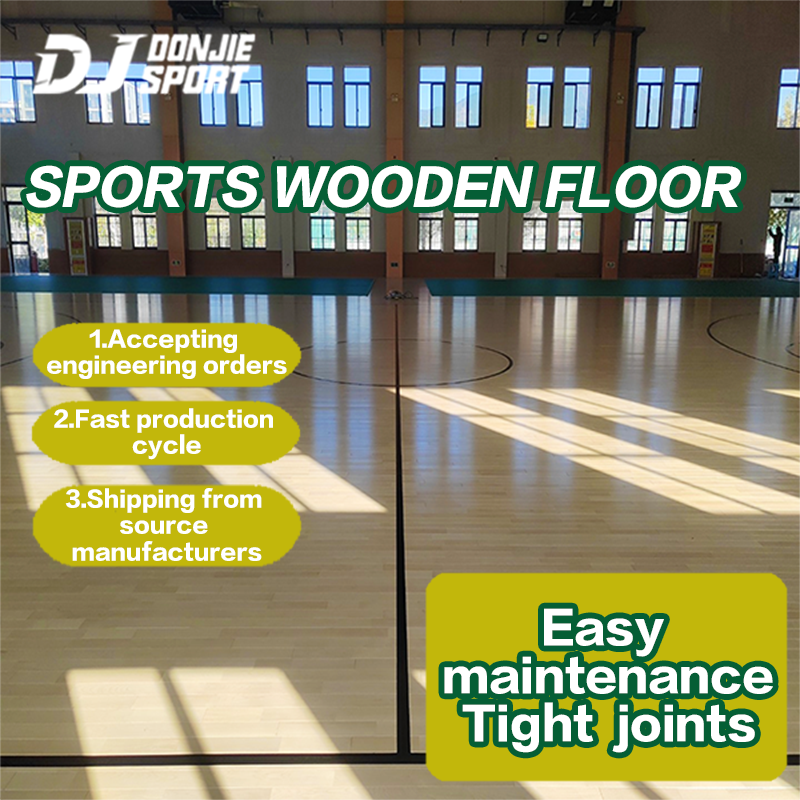
Sports hall flooring is an integral part of any sports facility, providing both a functional and aesthetic surface for various sports and activities. It’s easy to overlook its importance when planning for the upkeep of your facility, but flooring plays a crucial role in maintaining safety, performance, and the overall experience for athletes. Whether it’s a gymnasium, a basketball court, or a multi-sport venue, the flooring serves as the foundation for every activity that takes place. As such, it’s vital to recognize the importance of incorporating it into your long-term maintenance plan. This article explores why sports hall flooring should not just be an afterthought, but a priority when planning for the long-term care of your facility.
Understanding the Role of Sports Hall Flooring in Facility Management
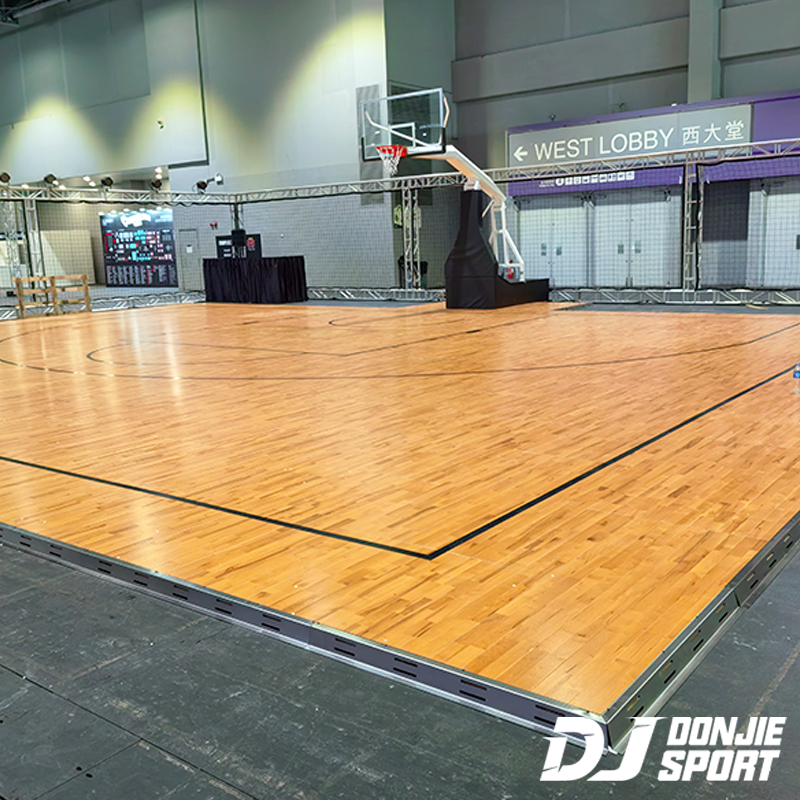
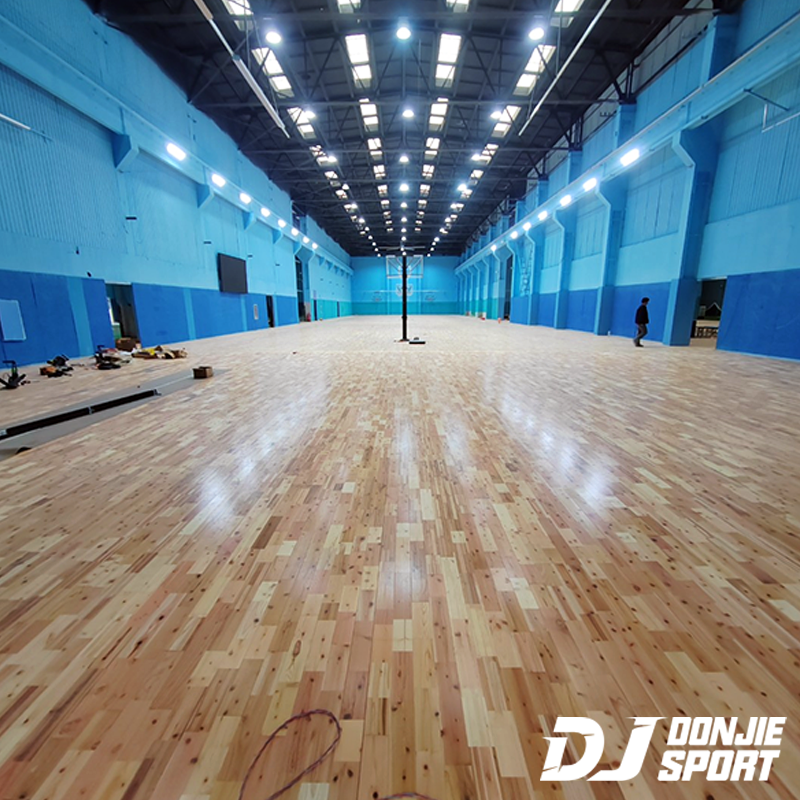
Sports hall flooring is not just a surface to walk on – it’s a carefully designed element that affects every aspect of your facility’s functionality. Flooring types vary depending on the sport and intended use, with options ranging from hardwood for basketball courts to PVC and rubber for multi-purpose halls. Each type of flooring is engineered to provide the necessary support, traction, and resilience to enhance performance and ensure the safety of athletes.
Sports hall flooring helps to mitigate impact, reduce fatigue, and prevent injury by offering appropriate cushioning. For instance, basketball courts require flooring with superior bounce and durability, while badminton or volleyball courts need a more forgiving surface to accommodate quick movements and jumps. Understanding the role your flooring plays in each sport is the first step in ensuring it’s properly maintained for longevity and performance.
Why Long-Term Maintenance of Sports Hall Flooring is Essential
The flooring in any sports facility undergoes constant wear and tear, especially in high-traffic areas or during competitive sports events. Over time, the surface may begin to degrade, leading to safety hazards, such as slippery patches, uneven flooring, or worn-out surfaces that affect performance. Without proper and regular maintenance, these issues can compromise the safety of athletes and lead to costly repairs down the line.
A long-term maintenance plan ensures that flooring remains in optimal condition, helping to avoid damage caused by neglect. Regular care, such as cleaning, inspection, and occasional repairs, not only keeps the floor looking good but also ensures it performs well. Proper maintenance also minimizes the risk of major issues that could require complete replacement, thus saving your facility from unnecessary costs and downtime.
Factors That Affect the Durability of Sports Hall Flooring
Several factors contribute to the durability and lifespan of sports hall flooring. Usage intensity is one of the most significant factors—floors in high-traffic areas or during peak usage times face more wear, which can cause them to deteriorate faster. Environmental conditions such as humidity, temperature, and foot traffic also play a critical role in how long the flooring will last. Additionally, the quality of the materials used in the flooring itself determines its ability to withstand heavy use and external factors.
For example, a high-quality PVC or wood floor can last for many years with the right maintenance, while cheaper materials may need more frequent repairs and replacements. It’s essential to monitor and assess these factors regularly to ensure that the flooring remains in top condition.
The Financial Benefits of Regular Flooring Maintenance
A well-maintained sports hall floor may seem like an upfront expense, but the financial benefits in the long run are clear. Regular maintenance helps extend the lifespan of the floor, reducing the need for expensive repairs or full replacements. Small repairs and surface treatments are far more cost-effective than replacing an entire floor, which can be a significant financial burden for any facility.
By integrating flooring maintenance into your long-term budget, you can achieve greater ROI. This proactive approach helps you manage the facility’s operating costs more efficiently and ensures that you won’t be caught off guard by unexpected expenses. Furthermore, keeping the flooring in top shape can improve the aesthetic value of your facility, potentially attracting more clients, teams, and events.
Choosing the Right Maintenance Plan for Your Sports Hall Flooring
When developing a long-term maintenance plan for your sports hall flooring, several factors should be considered, such as the type of flooring, its usage, and the specific needs of your facility. The frequency of inspections and maintenance tasks will depend on how much traffic the floor receives and the conditions it’s exposed to. For instance, a basketball court used regularly for high-intensity games will require more frequent upkeep compared to a hall that is used less intensively.
A professional service might be necessary for deeper maintenance tasks like resurfacing, refinishing, or replacing damaged sections. However, for regular cleaning and minor repairs, your facility’s in-house maintenance team might be able to handle it. Whichever path you choose, having a clear maintenance schedule and a professional service provider for more complex needs will ensure your flooring remains in peak condition for years to come.
Common Flooring Problems and How to Solve Them
Over time, sports hall flooring may face issues such as scratches, dents, or discoloration, particularly in high-use areas. These cosmetic issues may not immediately affect the performance of the flooring, but they can become more pronounced if left unchecked. Additionally, surface unevenness or slippage can lead to safety concerns.
To address these issues, regular inspections should be performed to catch any minor damage before it escalates. For example, a scratched surface can often be repaired with sanding or polishing, while dents may require specialized filler materials. Proper cleaning and maintenance routines can also prevent discoloration and wear.
For problems like slippage or instability, resurfacing may be necessary to restore the floor’s grip and traction. It’s important to identify and address these problems promptly to avoid injuries and ensure consistent performance.
How a Well-Maintained Floor Improves Athlete Performance and Safety
When it comes to sports, the flooring is a crucial element that affects both athlete performance and safety. Properly maintained flooring provides the necessary support and cushioning, helping to reduce the risk of injuries such as sprains or strains. Additionally, well-maintained floors improve traction, allowing athletes to perform better by preventing slipping and improving their stability during rapid movements.
By ensuring that your sports hall flooring is consistently maintained, you create an environment where athletes can perform at their best while minimizing the risks associated with poor flooring conditions.
Conclusion
In conclusion, sports hall flooring is much more than just a surface—it is a critical aspect of your facility that impacts safety, performance, and the overall experience for athletes. Including it as part of your facility’s long-term maintenance plan ensures that it remains in optimal condition, providing benefits such as enhanced safety, improved performance, and cost savings over time. By taking a proactive approach to care, your facility can enjoy a floor that lasts longer and serves its purpose more effectively.
Make sure that sports hall flooring is always part of your long-term maintenance plan. A small investment in regular maintenance now can save you significant costs and headaches in the future while enhancing the safety and functionality of your facility.