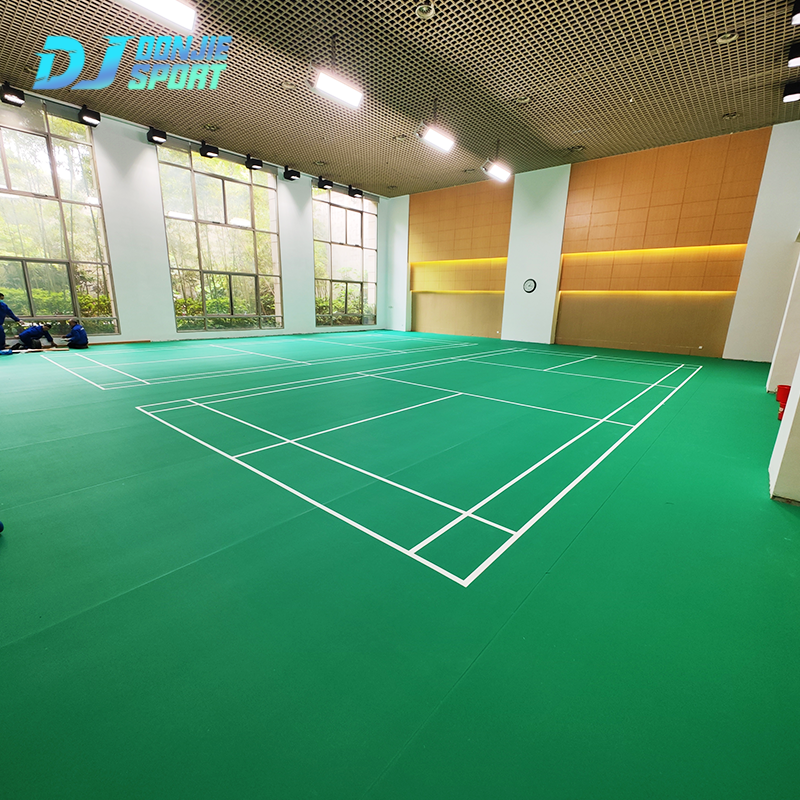
When planning the construction or renovation of a sports hall, one of the most significant decisions you’ll make is choosing the right flooring. Not only does it affect the functionality and safety of the space, but it also plays a crucial role in the overall budget. The cost of sports hall flooring can vary greatly depending on the material, installation methods, and long-term maintenance needs. This comprehensive guide will help you navigate the costs associated with sports hall flooring, providing you with the essential information needed to make an informed decision that aligns with your budgetary constraints and facility goals.
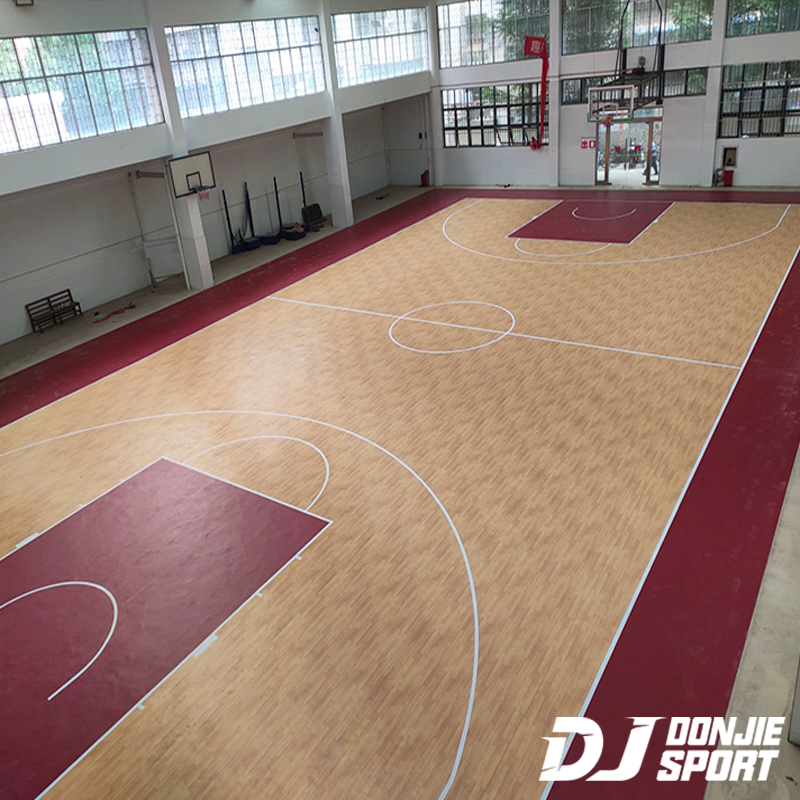
Understanding Sports Hall Flooring Types
Selecting the right type of flooring for your sports hall is key to ensuring that the space is both functional and safe for athletes. Here are the most common types of flooring used in sports facilities:
PVC Flooring
PVC flooring is a versatile and highly durable option that is often used in multi-sport facilities. It provides a high level of shock absorption and is resistant to wear and tear from high foot traffic. It’s an affordable option for schools, community centers, and other recreational venues.
-
Benefits: Durability, ease of maintenance, and slip resistance.
-
Cost: Typically, PVC sports flooring is one of the more affordable options, with prices ranging from $3 to $7 per square foot, depending on the quality.
Wood Flooring
Wood flooring is the classic choice for sports halls, particularly those used for basketball, volleyball, and other court sports. It offers a professional look, is comfortable underfoot, and provides excellent shock absorption.
-
Benefits: Aesthetic appeal, durability, and ideal for high-impact sports.
-
Cost: Wood flooring can be on the higher end, ranging from $7 to $12 per square foot, with installation costs adding to the price.
Rubber Flooring
Rubber flooring is often used in gymnasiums or areas that require a non-slip surface, such as weight rooms or fitness centers. It offers cushioning and noise reduction, making it a great choice for areas with high-impact activities.
-
Benefits: Excellent noise reduction, shock absorption, and low maintenance.
-
Cost: Rubber flooring costs about $4 to $8 per square foot, with options for both rolled and tile formats.
Multi-Purpose Flooring Options
Some facilities may require versatile flooring that can accommodate various sports and activities. Multi-purpose flooring options can combine elements of PVC, rubber, and wood to create a flooring solution that is both functional and cost-effective.
-
Benefits: Flexibility for different sports and activities.
-
Cost: These options tend to vary greatly, with costs starting at around $5 per square foot, depending on the materials used.
Factors Influencing Sports Hall Flooring Costs
Several factors contribute to the final cost of installing sports hall flooring. It’s essential to understand these variables to properly plan your budget.
Material Costs
The type of flooring material you choose has the most significant impact on the overall cost. As mentioned earlier, materials like PVC are more affordable, while wood flooring is typically more expensive due to the quality and finish required.
Installation Costs
Installing sports hall flooring requires careful planning and skilled labor. Professional installation ensures that the flooring is laid correctly, which is crucial for ensuring safety and longevity. While DIY installation can save money, it is only recommended for certain types of flooring, such as modular rubber tiles or interlocking PVC systems.
-
Professional Installation: Generally adds $2 to $4 per square foot to the overall cost.
-
DIY Installation: If you have the necessary skills, you can reduce costs significantly by installing the flooring yourself, but this is only viable for certain types of flooring.
Maintenance and Longevity
Different materials have varying maintenance needs, which will impact your long-term costs. For example, wood floors may require periodic refinishing, while PVC and rubber floors generally need less maintenance but may require occasional cleaning or surface repairs.
-
Wood Flooring: Needs refinishing every 5 to 7 years, adding maintenance costs.
-
PVC and Rubber Flooring: Low maintenance, but periodic cleaning and occasional surface repairs are necessary.
Customization Options
Adding custom logos, colors, or special features like anti-slip coatings can increase costs. If branding or aesthetics are a priority, be prepared for additional expenses for customization.
Creating a Sports Hall Flooring Budget
Budgeting for sports hall flooring involves more than just the initial installation cost. Here’s a guide to help you develop a comprehensive budget:
Assessing Your Needs
Before you start budgeting, assess the needs of your facility. Consider the types of sports and activities that will be taking place. For example, a basketball court requires a different kind of flooring than a fitness area or multi-purpose hall.
-
High-Impact Sports: Sports like basketball and volleyball require flooring that can absorb shock and support intense physical activity.
-
Multi-Purpose Halls: For a multi-use facility, a more versatile and durable flooring system like PVC or rubber might be appropriate.
Initial Cost vs. Long-Term Investment
While it’s tempting to opt for the most affordable flooring, it’s important to consider long-term costs. Some flooring options, like wood, have higher upfront costs but are known for their durability and long-term value. Other, less expensive materials might need to be replaced sooner.
Hidden Costs
In addition to the basic costs, there are other considerations:
-
Compliance Costs: Ensure the flooring meets safety standards.
-
Disruption and Downtime: Installation may cause disruptions in the use of the facility, which could impact your revenue if not planned carefully.
Cost Comparison: Different Flooring Solutions
PVC Sports Flooring
For most sports facilities, PVC flooring offers the best balance between cost and performance. It’s especially suitable for areas that require regular cleaning and maintenance.
-
Cost Per Square Foot: $3 to $7
-
Best For: Schools, community centers, indoor sports halls, and multi-purpose venues.
Wood Sports Flooring
While wood is often seen as the premium option for sports halls, it does come at a premium price.
-
Cost Per Square Foot: $7 to $12
-
Best For: Professional sports venues and facilities focusing on aesthetic appeal and performance.
Rubber Flooring
Rubber flooring is often used in fitness and gym areas. It’s cost-effective for areas where comfort and noise reduction are important.
-
Cost Per Square Foot: $4 to $8
-
Best For: Gymnasiums, fitness centers, and weight rooms.
How to Save Money on Sports Hall Flooring
Choosing Budget-Friendly Materials Without Sacrificing Quality
Opt for flooring options that offer a balance between quality and cost. PVC flooring can meet the needs of high-traffic areas without breaking the bank. Additionally, consider opting for simpler designs or standard colors to avoid paying extra for customizations.
DIY Installation vs. Professional Installation
If your facility is on a tight budget, consider opting for DIY installation for certain types of flooring. While this can save money, it’s crucial that the installation is done correctly to avoid future costs from poor installation.

Financing and Payment Options for Sports Hall Flooring
Leasing or Renting Flooring
For facilities with budget constraints, leasing or renting flooring can be an excellent alternative to outright purchasing. This option allows for periodic updates to the flooring without the full upfront cost.
Payment Plans
Many contractors offer flexible payment plans that allow you to break the cost of flooring and installation into smaller, more manageable payments. This can be an ideal solution if you need to allocate funds over time.
Conclusion
Choosing the right sports hall flooring requires a careful evaluation of your facility’s needs, budget, and long-term goals. By understanding the various options available and the factors that influence costs, you can make an informed decision that provides the best value for your investment. Whether you’re building a new sports hall or renovating an existing one, taking the time to plan your flooring budget will ensure that you select a solution that balances quality, durability, and cost-effectiveness.