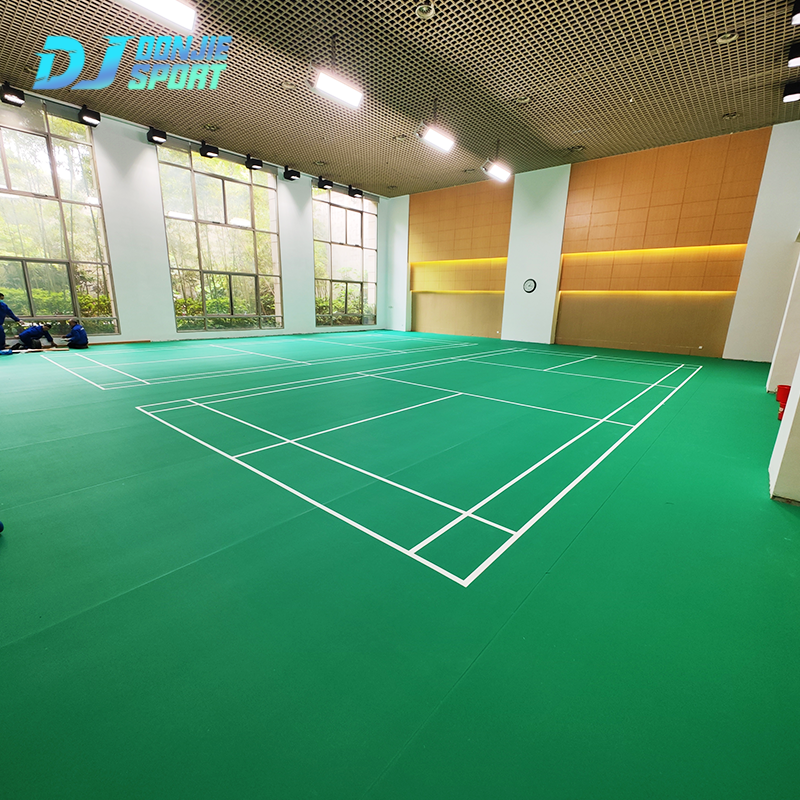
When it comes to constructing or renovating a sports hall, one of the most important decisions is selecting and installing the right flooring. The flooring sets the foundation for performance, safety, and durability, making it crucial to plan the flooring project carefully. A well-executed flooring project will not only meet the functional needs of the facility but also ensure long-term cost-efficiency and minimal disruption to your operations. In this guide, we will walk you through the essential steps to plan your sports hall flooring project with maximum efficiency.
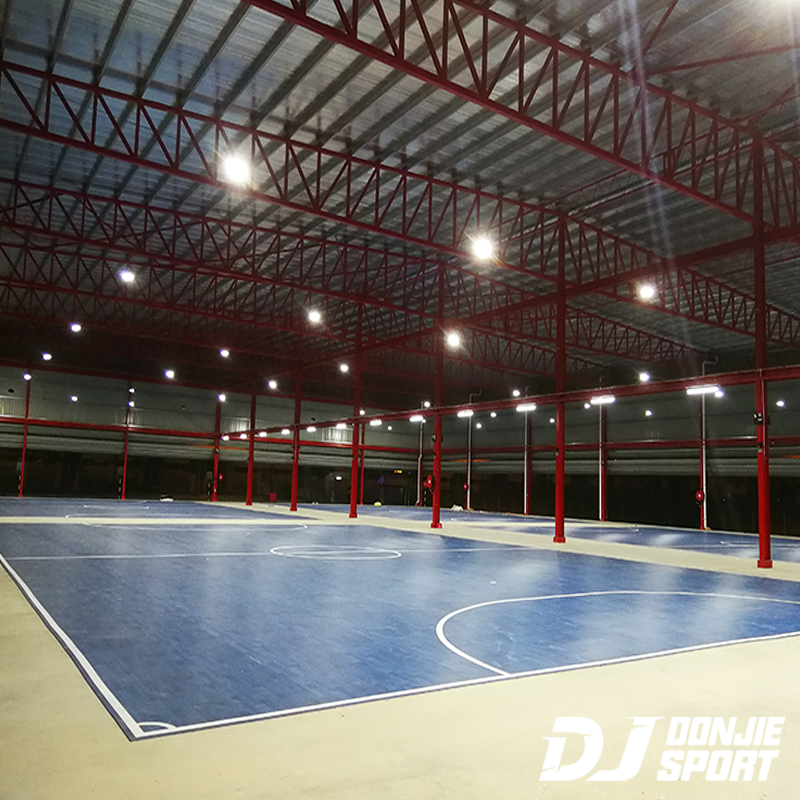
Understanding the Needs of Your Sports Hall
Before you dive into choosing materials or scheduling installations, it’s vital to fully understand the needs of your sports hall. Flooring options vary significantly based on the specific requirements of the space.
Identifying the Primary Purpose of the Flooring
The first step is to assess the primary use of the sports hall. Are you looking to accommodate multiple sports like basketball, volleyball, and badminton, or do you need specialized flooring for a particular sport? Understanding this will help you choose a material that aligns with the demands of your activities.
Determining Foot Traffic and Types of Sports
If your facility will have high foot traffic, such as in a multi-purpose sports hall or a public gym, durability is key. For example, sports like basketball and volleyball can create more wear and tear than less intensive activities. Identifying these factors will guide you in selecting flooring that can withstand both the physical demands and the daily foot traffic.
Assessing Environmental Conditions
Sports halls are often subject to varying temperatures and humidity levels. It’s important to choose flooring that can handle these changes, ensuring it remains stable and functional. Some materials are better suited for environments with high moisture, while others are designed to thrive in controlled indoor conditions.
Selecting the Right Flooring Material
The choice of flooring material is critical, as it influences both the performance and safety of the athletes using the facility. Here’s a breakdown of common flooring options for sports halls:
Comparison of Popular Flooring Options
-
PVC Flooring: Known for its versatility and ease of maintenance, PVC sports flooring is ideal for various sports and has a long lifespan. It is a popular choice for sports halls as it provides excellent traction, shock absorption, and durability.
-
Wood Flooring: Traditional wood sports flooring, often used for basketball courts, provides a high-end look and exceptional performance, particularly for indoor courts. However, it requires more maintenance and may be less resistant to moisture.
-
Rubber Flooring: This option offers excellent shock absorption and is ideal for gym environments or spaces that require additional comfort during use. It is also highly durable but may not be as suitable for fast-paced sports that require a higher level of grip.
Factors to Consider When Choosing the Right Material
When selecting your flooring, consider factors such as comfort, durability, maintenance needs, and the level of performance required for specific sports. Some materials are more flexible for multi-sport usage, while others are tailored to a single sport, providing superior performance.
Durability, Safety, and Performance
Safety should be a priority in any sports flooring decision. Flooring materials like PVC and rubber offer safety features such as slip resistance and shock absorption, which reduce the risk of injuries during play. Durability, on the other hand, ensures the flooring can withstand frequent use and last for years without needing frequent repairs.
Planning the Installation Process
Once you’ve selected the flooring material, the next step is to plan the installation process. Proper planning will help minimize downtime and ensure a smooth execution.
Setting a Timeline for Completion
Establishing a clear timeline for the project is crucial. Factor in the time needed for ordering materials, delivery, and installation. Depending on the size of the sports hall, installation can take anywhere from a few days to several weeks. Plan for any disruptions to ensure the project doesn’t interfere with the facility’s regular activities.
Preparing the Space for Installation
Preparation is key to a successful flooring installation. Ensure the surface is clean, level, and dry before installation begins. Any existing flooring should be removed, and the area should be inspected for any structural issues that might affect the new flooring.
Choosing the Right Installation Team
Hiring the right professionals for installation is critical. Look for experienced contractors who specialize in sports hall flooring. The quality of installation will significantly impact the longevity and performance of the flooring, so choose a team with a proven track record.
Budgeting for Your Flooring Project
A well-planned budget will keep your flooring project on track and avoid unnecessary expenses. Here’s how to estimate and manage costs effectively:
Estimating Costs for Materials and Labor
Start by getting detailed quotes for both materials and labor. Materials like high-quality PVC or wood can come at a premium, so it’s essential to balance cost with the longevity and performance you expect. Be sure to include installation costs in your budget as well.
Hidden Costs to Watch Out For
While you may have an initial quote for materials and installation, be mindful of hidden costs like delivery fees, site preparation, and potential maintenance costs down the line. It’s always better to overestimate your budget to avoid surprises.
Financing Options for Larger Projects
If your flooring project is a large-scale renovation, consider financing options. Many suppliers offer financing plans that allow you to spread the costs over time. This can make a significant difference if you’re working with a limited budget but want high-quality flooring that will last.
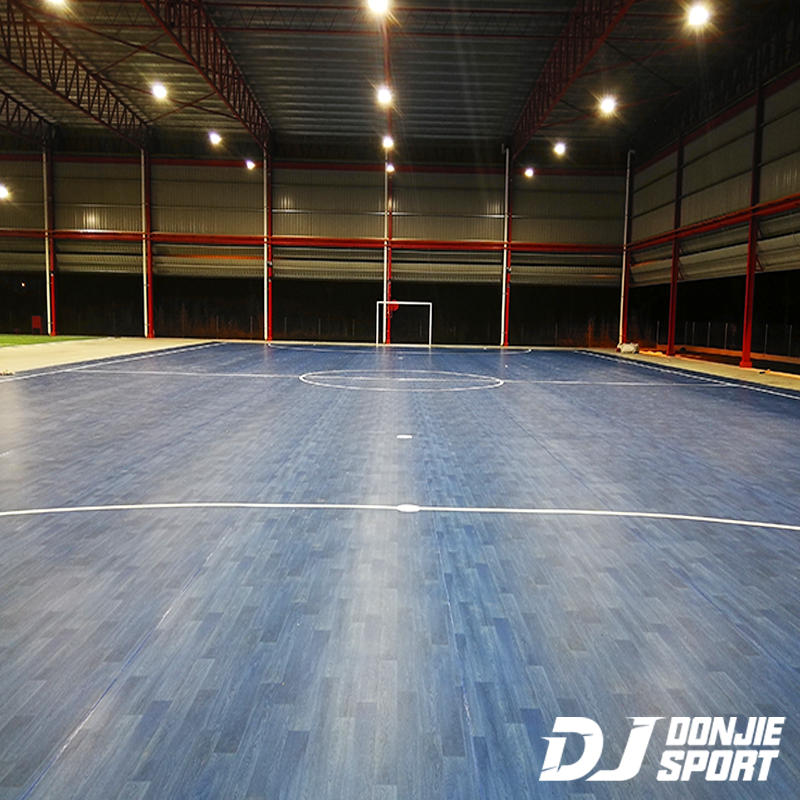
Ensuring Long-Term Maintenance and Durability
Proper maintenance is key to extending the life of your sports hall flooring. Here’s what you need to keep in mind:
Maintenance Requirements for Different Flooring Types
Each flooring type requires different maintenance routines. PVC and rubber floors, for instance, may need periodic cleaning and resealing to maintain their appearance and functionality. Wood floors, on the other hand, require refinishing and regular upkeep to prevent wear and tear.
Establishing a Maintenance Plan
Implementing a proactive maintenance plan will save you money in the long run. Schedule regular inspections and cleanings to detect any issues early, such as loose tiles or worn areas. Work with the manufacturer or installer to understand the best practices for your specific flooring type.
How to Extend the Life of Your Flooring
Simple measures like using mats at entrance points, keeping the area dry, and avoiding abrasive cleaning materials can help preserve the quality of the flooring. Ensuring proper care, such as routine cleaning and minimal exposure to harsh elements, will help maintain its longevity.
Conclusion
Planning your sports hall flooring project for maximum efficiency involves careful attention to detail. From understanding your facility’s needs to selecting the right flooring material and managing costs, each step plays a vital role in ensuring the success of the project. By following these guidelines, you’ll be well on your way to creating a sports hall with flooring that provides both performance and durability for years to come.