When it comes to designing or upgrading a sports hall or multipurpose venue, one of the most crucial decisions revolves around the flooring. The flooring in these spaces plays a vital role not only in ensuring the safety and performance of athletes but also in enhancing the venue’s aesthetics, longevity, and overall functionality. Selecting the right flooring solution for large sports halls requires careful consideration of several factors, including the types of activities the space will host, durability, maintenance, and safety.
In this article, we’ll explore the best flooring solutions for large sports halls and multipurpose venues, providing insights into various flooring materials and what makes each one unique. Whether you’re designing a new facility or renovating an existing space, understanding your options is key to making an informed decision.
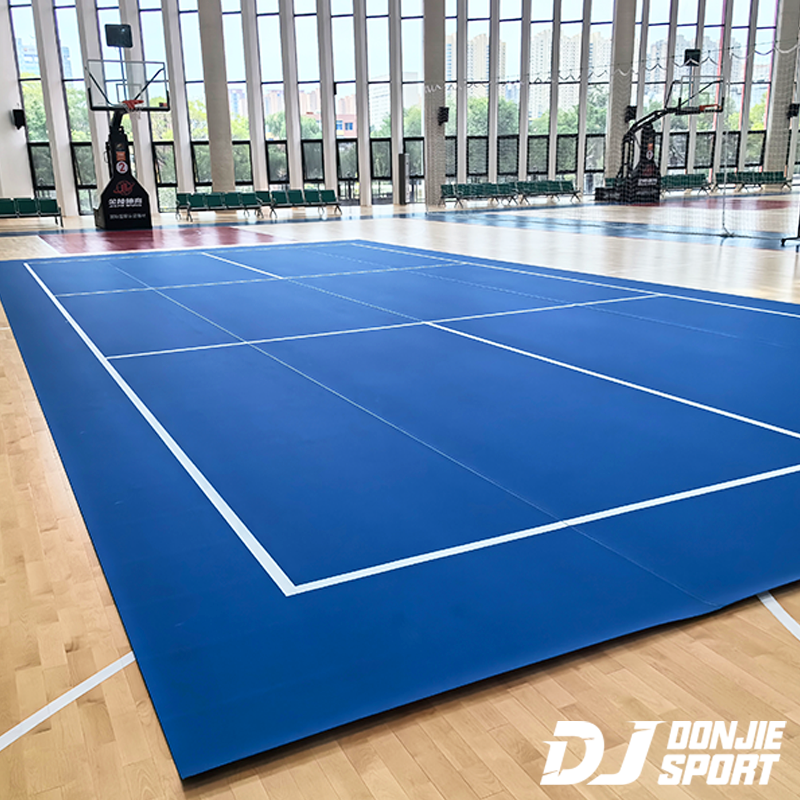
Types of Flooring Solutions for Large Sports Halls
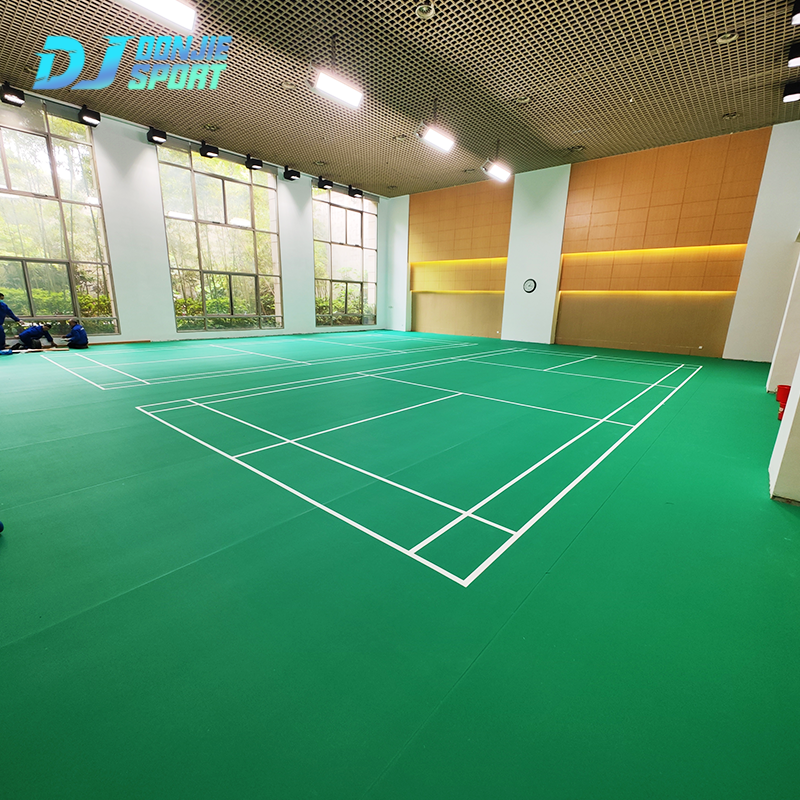
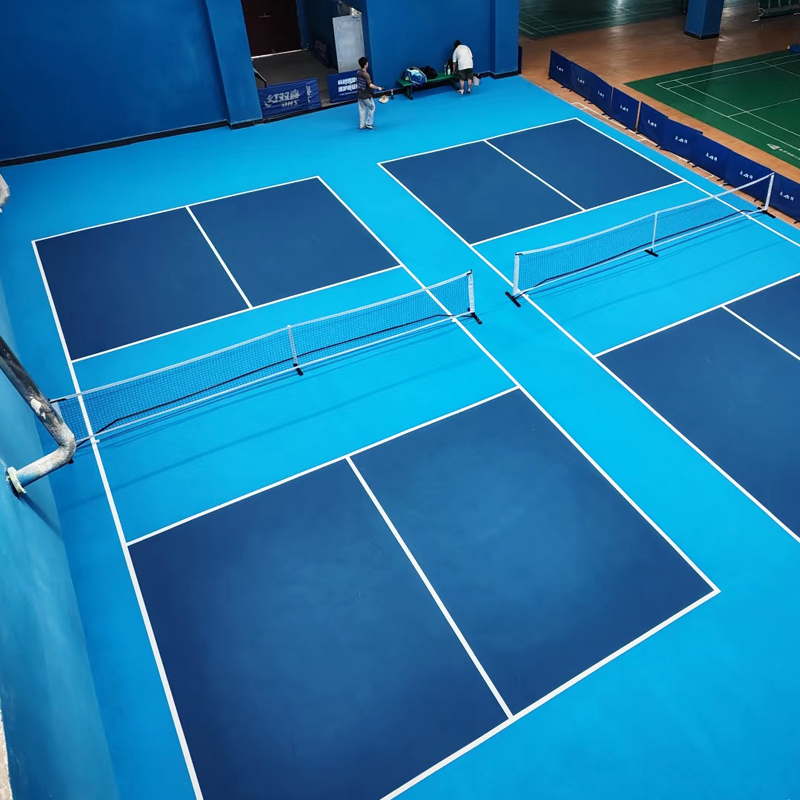
PVC Sports Flooring
PVC sports flooring is a top choice for many sports halls due to its durability, low maintenance, and comfort. It is available in a variety of designs and colors, allowing you to create a vibrant and dynamic space. PVC flooring is particularly ideal for venues that host a variety of activities, as it offers excellent slip resistance and cushioning, which reduces the risk of injury during sports.
One of the key benefits of PVC flooring is its versatility. It can handle high-traffic areas and is resistant to wear from heavy sports equipment and shoes. Additionally, PVC flooring is easy to maintain, requiring only regular cleaning to keep it in top condition. This makes it an ideal solution for sports halls that see frequent use.
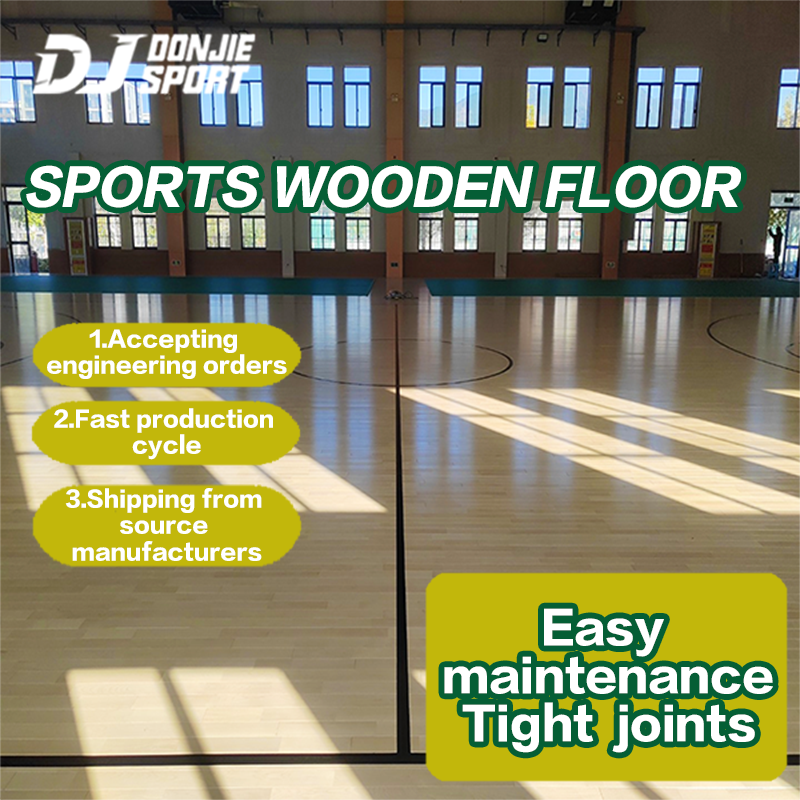
Wood Sports Flooring
Wooden sports floors have long been a classic choice for basketball, volleyball, and indoor court sports. Not only do they provide a traditional and aesthetically pleasing look, but they also offer superior shock absorption, reducing the impact on players’ joints. Wood floors are favored for their natural feel and can be used for a variety of sports, from basketball to indoor tennis and badminton.
However, wood floors require more maintenance compared to PVC or rubber. They need regular refinishing, especially in high-traffic areas, to maintain their durability and appearance. Despite the higher maintenance requirements, wood flooring remains a popular option for sports halls because of its natural beauty and performance characteristics.
Rubber Sports Flooring
Rubber flooring is an excellent option for both light and heavy sports. Known for its high shock-absorption properties, rubber flooring provides a safe and comfortable surface for athletes. It’s particularly useful in gyms and fitness centers where activities like weightlifting, aerobics, and other high-impact exercises are performed.
One of the standout features of rubber sports flooring is its ability to reduce noise levels, making it ideal for multipurpose venues where events may require quieter environments. Additionally, rubber is durable, slip-resistant, and easy to clean, making it a great choice for spaces that need to accommodate different sports and events simultaneously.
Factors to Consider When Choosing Flooring for Large Sports Halls
Durability and Longevity
The durability of the flooring material is one of the most important factors to consider when selecting flooring for a large sports hall. Given the high volume of activity that takes place in these spaces, the flooring needs to withstand heavy foot traffic, sports equipment, and constant wear. Materials like PVC and rubber flooring are known for their resilience, offering a long lifespan even under tough conditions.
Wood flooring, while highly durable, may need periodic refinishing and care to maintain its appearance and longevity. Choosing a flooring material that can handle the demands of your facility is essential to ensuring that the space remains functional and attractive for years to come.
Safety and Performance
The safety of athletes and participants is paramount in any sports facility, and flooring plays a key role in preventing injuries. Flooring should offer adequate grip and cushioning to minimize the risk of slipping or joint strain during high-intensity activities. PVC flooring, for example, provides excellent slip resistance, while wood flooring offers natural cushioning that supports athletes’ movements.
Ensuring the flooring meets safety standards and certifications is also crucial. Many sports flooring materials are specifically designed to comply with international standards for impact resistance and friction, providing athletes with a surface that enhances both safety and performance.
Ease of Maintenance
Another key consideration when choosing sports hall flooring is how easy it is to maintain. Floors in large sports halls and multipurpose venues are subject to heavy use, and keeping them in good condition is essential for maintaining the facility’s appearance and safety. PVC and rubber flooring are low-maintenance options, requiring only basic cleaning and occasional upkeep to keep them looking great.
Wood flooring, while aesthetically pleasing, requires more maintenance. It needs periodic refinishing and may require special cleaning solutions to preserve its appearance and integrity. This makes it a less ideal choice for facilities that are heavily used unless you have the resources for regular maintenance.
Installation and Cost Considerations
Installation Process for Different Flooring Types
When it comes to installing sports hall flooring, the process can vary greatly depending on the material. PVC and rubber flooring are relatively easy to install and can be done quickly, especially if you’re using interlocking tiles. However, wood flooring requires more time and expertise, particularly if it’s being installed as a solid or parquet system.
Professional installation is recommended for wood floors, as it involves precise fitting and finishing. For PVC and rubber floors, you might consider DIY installation if you’re working with modular tiles. Regardless of the material, it’s important to work with experienced contractors who understand the unique requirements of sports facility flooring.
Cost Breakdown
The initial cost of sports hall flooring can vary significantly based on the material you choose. PVC and rubber flooring are typically more affordable than wood, making them ideal for budget-conscious projects. However, the long-term cost savings with wood flooring—especially in terms of durability and lifespan—may justify the higher upfront investment.
In addition to material costs, you’ll need to account for installation fees, maintenance costs, and any required accessories like underlayment or finishing materials. Ensure that you have a clear understanding of the total cost of installation and long-term maintenance to avoid unexpected expenses.
Flooring for Multipurpose Venues
Multi-Use Sports Halls and Events
Multipurpose venues often host a wide range of activities, from sports like basketball and badminton to fitness classes and events. This requires flooring that can support different types of sports while maintaining a consistent level of performance and safety.
PVC flooring is a strong contender for multipurpose spaces due to its versatility. It can be easily customized to suit different types of sports, and its durability ensures that it can withstand the wear and tear of a variety of activities. Rubber flooring is also ideal for such venues, as it can handle both high-impact and low-impact activities with ease.
How to Manage Different Sports Requirements
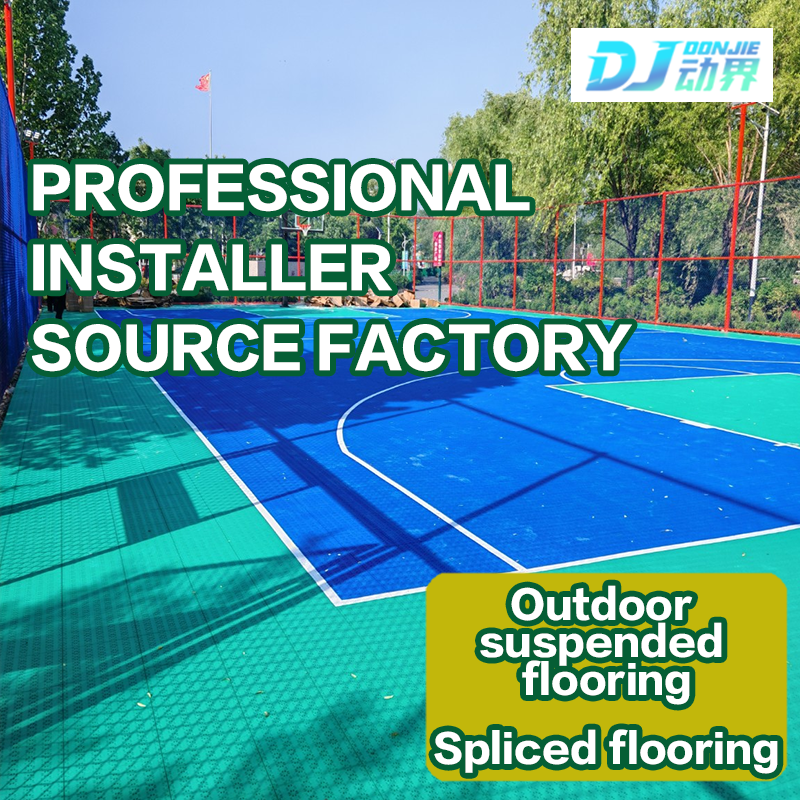
For venues that host multiple sports, it’s important to choose a flooring solution that can adapt to each activity. One option is to use a modular flooring system that allows for easy customization and replacement of damaged tiles. This makes it possible to maintain the quality of the flooring while ensuring that each sport’s specific requirements are met.

Environmental Impact and Sustainability
Eco-Friendly Flooring Solutions
Sustainability is a growing concern for many sports facilities, and choosing environmentally friendly flooring is one way to reduce your venue’s carbon footprint. PVC and rubber flooring can be made from recycled materials, making them a more eco-conscious choice.
Wood flooring, when sourced responsibly, can also be a sustainable option. Look for suppliers that use FSC-certified wood or other environmentally friendly sourcing practices. Additionally, many sports flooring manufacturers are working on innovative solutions to improve recyclability and reduce waste.
Recycling and Disposal of Old Flooring Materials
When it comes time to replace your flooring, it’s important to think about how the old material will be disposed of. Many PVC and rubber flooring products can be recycled, which helps reduce environmental impact. If you’re replacing wood floors, consider donating or repurposing the wood to reduce waste and support sustainability.
Choosing the Right Flooring for Your Sports Hall
Selecting the best flooring for large sports halls and multipurpose venues requires a comprehensive understanding of your facility’s needs. Whether you choose PVC, wood, or rubber flooring, each material offers unique benefits in terms of performance, safety, and aesthetics. Consider factors like durability, maintenance, and cost to find the best solution for your space.
For multipurpose venues, flexibility is key. Modular flooring systems can help you meet the diverse demands of different sports and activities, while eco-friendly flooring options allow you to make a sustainable choice. Ultimately, investing in high-quality flooring ensures that your sports hall will be a safe, functional, and long-lasting space for athletes and events alike.