When planning the construction or renovation of a sports hall, one of the most crucial decisions you’ll make is selecting the right flooring. While it might seem like a secondary concern compared to other aspects like equipment or space utilization, the choice of sports hall floor can have a significant impact on the long-term performance and success of your facility. From athlete safety and comfort to maintenance costs and aesthetic appeal, the quality of your sports hall flooring influences every aspect of your venue’s operations.
This article will explore how sports hall floor construction can affect your facility’s future, covering everything from floor material options to installation practices. Understanding these factors will not only help you make the right choice for your current needs but also ensure that your facility is equipped for success in the years to come.
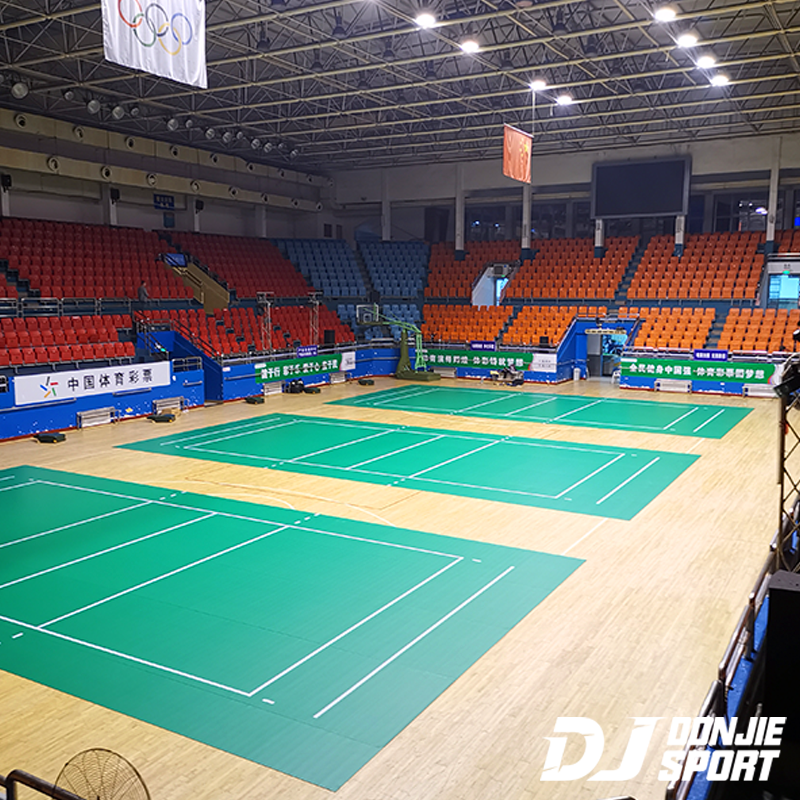
Understanding Sports Hall Flooring Types
Selecting the right flooring material is the foundation of any sports hall construction. There are several flooring options to choose from, each with its own unique set of benefits and ideal use cases. Understanding these options is key to ensuring the long-term functionality and performance of your facility.
Wood Flooring
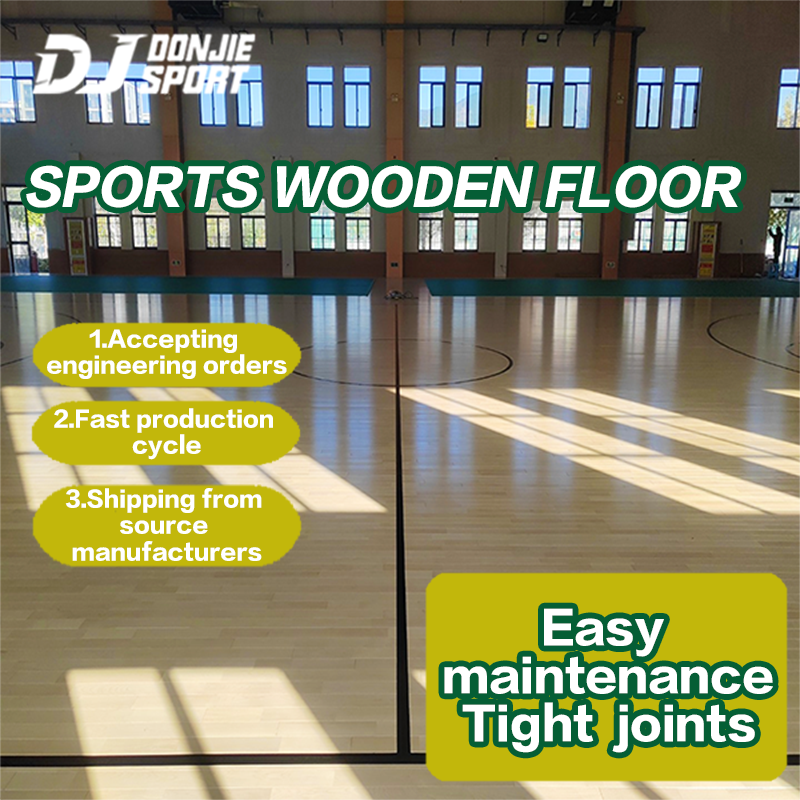
Wood flooring has been a traditional choice for sports halls, particularly for high-impact sports like basketball and volleyball. Its classic aesthetic and high-performance qualities make it a popular option for multi-purpose venues. Wood floors offer great resilience, providing a balance of comfort and support for athletes. Additionally, they are known for their ability to reduce injury risk, as they offer a degree of cushioning while maintaining an excellent ball bounce, especially in sports like basketball.
However, wood floors can be expensive and require regular maintenance to ensure they remain in good condition. Over time, exposure to moisture and high traffic can lead to wear and tear, requiring sanding, refinishing, and sealing.
PVC Flooring
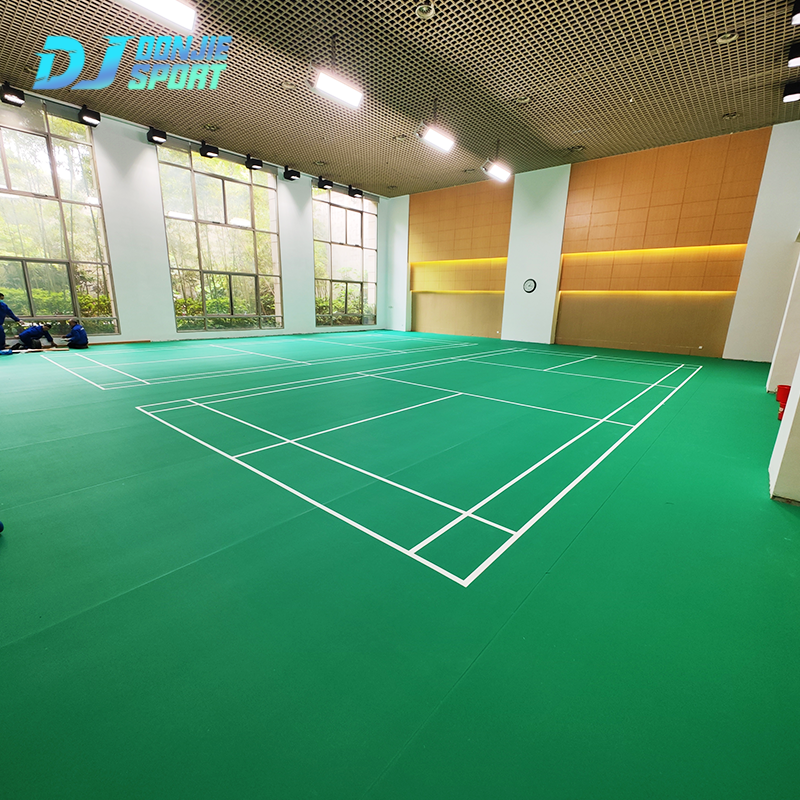
PVC sports flooring, often referred to as vinyl flooring, has become increasingly popular due to its durability and versatility. This flooring material is easy to clean, resistant to moisture, and less prone to damage from high-impact activities. It also provides a comfortable surface for athletes while offering good traction for most sports. Many modern sports halls are opting for PVC flooring because of its lower upfront cost compared to wood, along with its reduced maintenance requirements.
PVC flooring is available in a wide range of styles and designs, making it a versatile option for multi-sport facilities. Its durability and low maintenance make it an excellent choice for sports halls with high traffic and frequent use.
Rubber Flooring
Rubber flooring is another strong contender for sports halls, especially those with heavy foot traffic or areas designated for fitness classes or gymnastics. Rubber is known for its shock absorption and sound-dampening qualities, making it ideal for areas where noise reduction and athlete protection are a priority. Rubber floors are highly durable, resistant to stains, and can withstand the constant use that sports halls often experience.
However, the aesthetics of rubber flooring may not appeal to every facility, as it can appear more utilitarian compared to wood or PVC options. It’s also important to note that rubber floors can sometimes be more expensive, depending on the type of material used.
The Role of Sports Hall Floor Construction in Athlete Performance
The construction and material choice of your sports hall floor play a crucial role in the performance and safety of the athletes using the space. A well-constructed floor that supports the physical demands of various sports can help prevent injuries and enhance overall performance.
Injury Prevention
Sports flooring is designed with specific factors in mind, such as shock absorption and slip resistance. For instance, hardwood floors provide a natural give that absorbs impact, reducing stress on joints, which is especially important for sports involving frequent jumping, like basketball. PVC floors, while offering less shock absorption than wood, still provide adequate cushioning to reduce strain on athletes during intense movements.
Choosing the right surface can help minimize common sports injuries, such as sprains, strains, and fractures. Poor-quality or inappropriate flooring, on the other hand, can contribute to a higher risk of injury.
Player Comfort and Performance
The right floor construction can also improve athlete performance. Sports like basketball and volleyball require a floor that provides optimal bounce and grip, helping players maintain their speed and agility. A surface that’s too hard or too soft can hinder performance, causing players to adjust their movements, which can ultimately affect the outcome of a game or competition.
In addition to performance, player comfort is critical. Whether it’s the slight give of a wood floor or the even surface of PVC flooring, comfort directly impacts the experience of athletes during long practice sessions or competitive events.
Durability and Maintenance Considerations
A well-built sports hall floor is an investment that should provide reliable performance for many years. Durability is one of the most important factors when selecting flooring for your sports hall. Depending on your choice of material, the long-term costs can vary significantly.
Long-Term Durability
Wood floors are durable but can be prone to scratches and dents over time, especially in high-traffic areas. The cost of maintaining a wood floor, including periodic sanding and refinishing, can add up over time. On the other hand, PVC and rubber floors are generally much more resistant to damage and wear. They require less frequent upkeep, making them more cost-effective over the long term.
Choosing a durable flooring option that suits the demands of your facility will save you money on repairs and replacements in the future. PVC floors, in particular, are known for their resistance to abrasions and their long lifespan.
Maintenance Costs
Flooring that is easy to maintain is crucial for keeping operational costs low. PVC and rubber floors are highly resistant to staining and require minimal cleaning efforts, often needing only periodic mopping or sweeping to maintain their appearance. Wood floors, however, may need more intensive care, including regular cleaning and refinishing to keep them in top condition.
Choosing low-maintenance flooring options like PVC or rubber is beneficial if your facility hosts frequent events or high foot traffic, as these materials are designed to withstand heavy use with minimal upkeep.
Aesthetic and Design Considerations for Future-Proofing
Beyond performance, the aesthetic appeal of your sports hall floor is an important consideration. A well-designed floor enhances the overall look of the facility and helps create a welcoming environment for both athletes and spectators.
Flexibility in Design
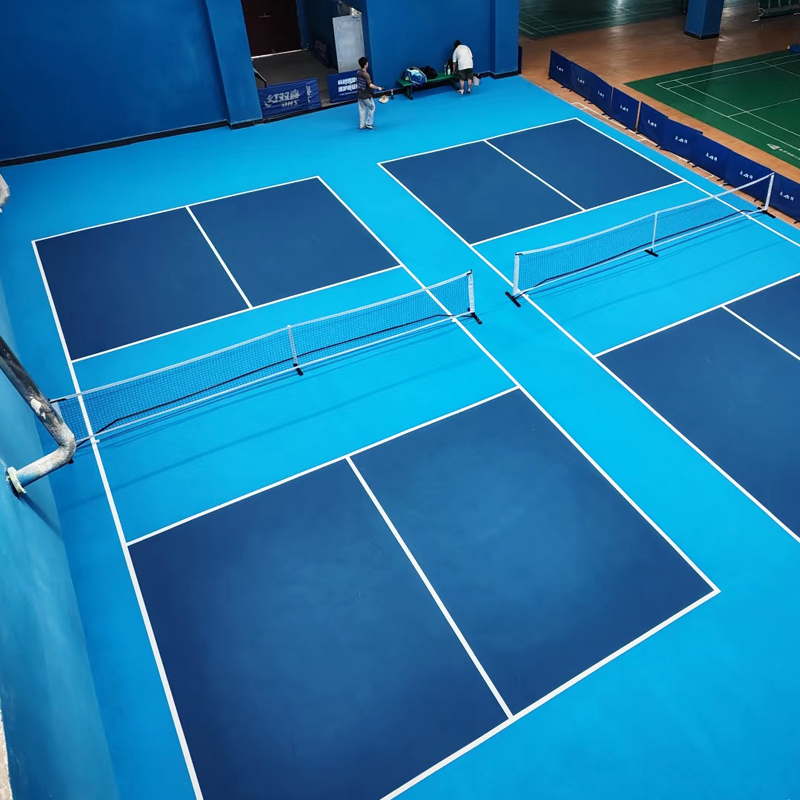
Many modern sports facilities are designed to accommodate multiple sports. Whether your space is used for basketball, volleyball, badminton, or even dance classes, the floor you choose should be adaptable. Some flooring options, like PVC, come in customizable designs and colors, allowing you to incorporate your facility’s branding or color scheme. This is particularly important for sports halls that host a variety of events, as the floor can contribute to the atmosphere of the space.
Future-Proofing Your Facility
When designing a sports hall, it’s essential to think about future needs and how the space might evolve. A floor that can easily be adapted for new sports or changes in the layout can save you money and effort in the long run. The flexibility of certain materials, such as PVC, makes it easier to modify the flooring if you want to update or repurpose your space without undergoing major renovations.
Cost-Effectiveness: Balancing Quality and Budget
When it comes to sports hall flooring, budget considerations are always a factor. While it may be tempting to opt for a lower-cost option, the long-term savings and benefits of higher-quality flooring often outweigh the initial investment.
Initial Investment vs. Long-Term Savings
While wood floors are often seen as the gold standard in terms of performance and aesthetics, they come with a higher upfront cost. PVC and rubber flooring are generally more budget-friendly, especially for larger sports halls. However, choosing a more affordable flooring material doesn’t mean you need to sacrifice quality. PVC floors, for instance, offer excellent durability and performance at a fraction of the cost of hardwood.
Investing in higher-quality materials, like durable PVC or wood, may have a larger upfront cost but can lead to fewer repairs and a longer lifespan, ultimately providing a better return on investment.
Sustainability in Sports Hall Floor Construction
As environmental concerns become more important, sustainability has taken on a greater role in sports facility construction. Eco-friendly flooring options help reduce the environmental impact of your facility while offering practical benefits.
Eco-Friendly Materials
PVC sports flooring is increasingly available in eco-friendly versions made from recycled materials, reducing the carbon footprint of the construction process. Rubber flooring, made from recycled tires, is another sustainable option. These materials help minimize waste and promote environmentally conscious choices.
The Benefits of Sustainable Flooring
Sustainable flooring options are often more durable and easier to maintain, helping your facility stay eco-friendly while also reducing long-term costs. By opting for green flooring solutions, you contribute to a more sustainable future while enhancing the reputation of your facility as an environmentally responsible venue.

The Role of Professional Installation in Long-Term Success
Proper installation is crucial to the longevity and performance of your sports hall floor. Even the highest-quality materials can underperform if not installed correctly.
Why Professional Installation Matters
Hiring experienced professionals ensures that your floor is installed correctly and that all necessary precautions are taken. Whether you choose wood, PVC, or rubber flooring, professional installation ensures that the surface is level, secure, and ready to handle the demands of high-impact sports. Proper installation also reduces the risk of issues such as warping or uneven surfaces, which can negatively affect performance and safety.
Conclusion
The construction of your sports hall floor is an investment in the future of your facility. Whether you opt for wood, PVC, or rubber flooring, each choice has unique benefits that can enhance the safety, performance, and aesthetic appeal of your space. By selecting the right material, considering maintenance costs, and ensuring proper installation, you can create a floor that meets the needs of athletes and spectators alike, while also future-proofing your facility for years to come.