Sports hall flooring is a significant investment for any sports facility, and choosing the right type is essential for ensuring the long-term performance and safety of athletes. Whether you’re building a new facility or upgrading an existing one, the cost of flooring will play a pivotal role in your overall budget. The costs can vary widely depending on various factors, such as the type of material used, installation complexity, and long-term maintenance. This article explores the key factors that influence the cost of sports hall flooring, helping you make an informed decision that balances both performance and budget.
Type of Flooring Material
One of the primary determinants of cost is the type of flooring material you choose. Different materials have varying price points, each offering distinct advantages for specific needs.
-
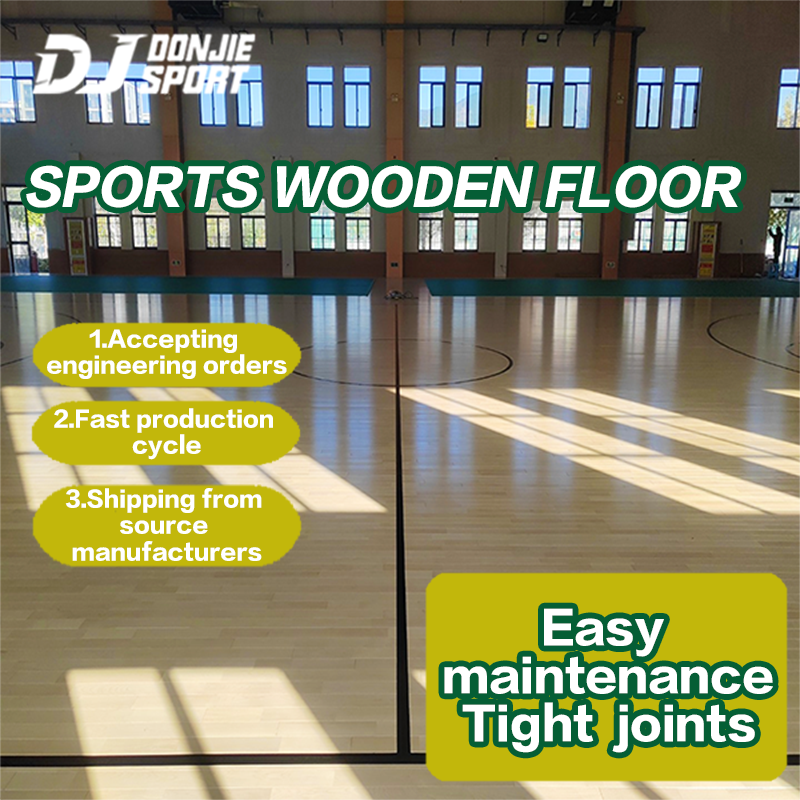
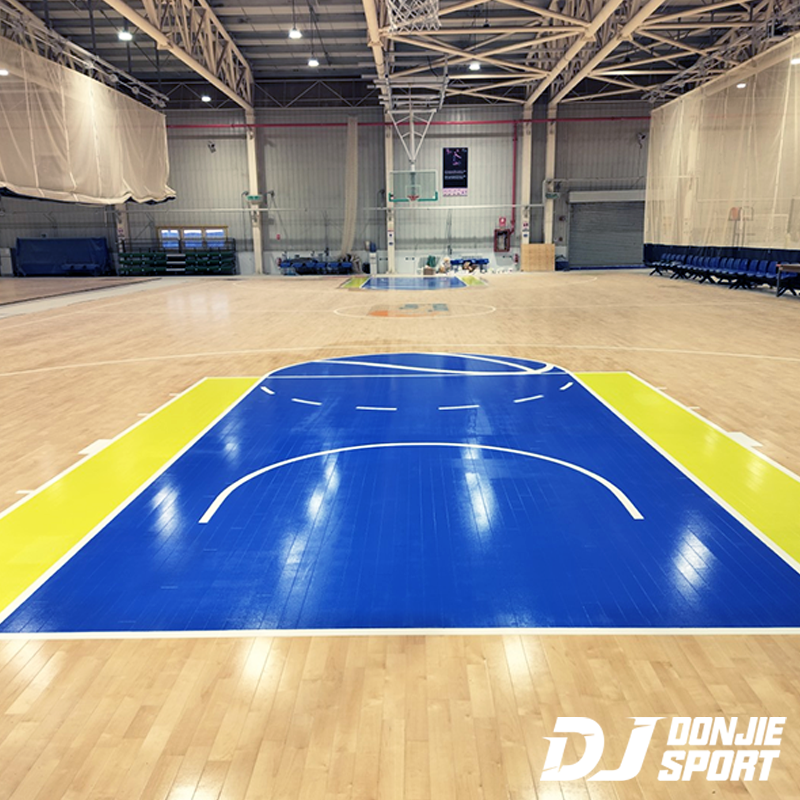
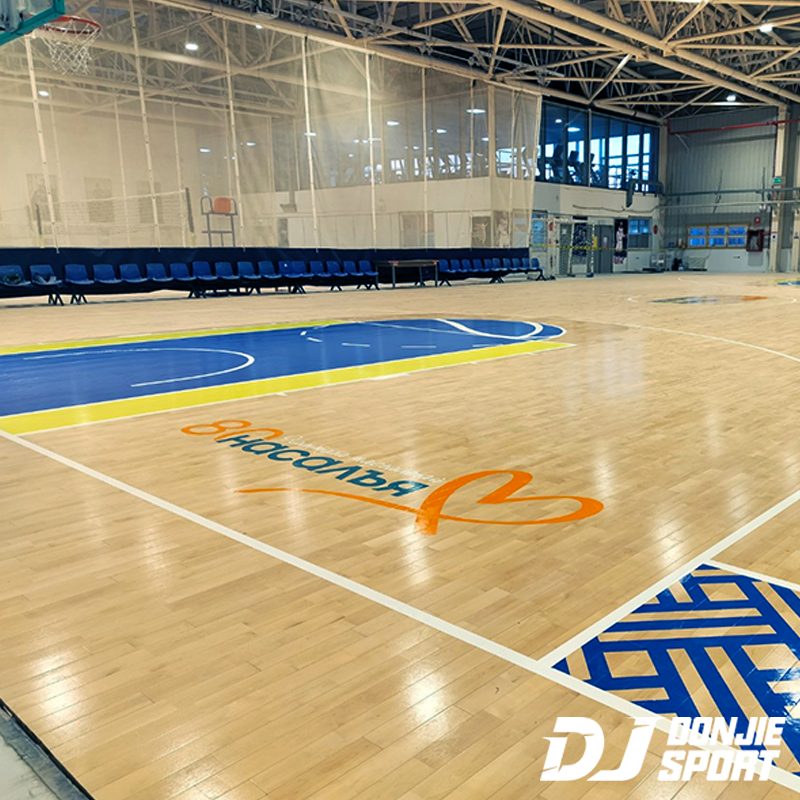
Wood Flooring: Traditional wood sports flooring, particularly hardwood, is a popular choice for many sports halls, especially for basketball and volleyball courts. Its aesthetic appeal and long-term durability come with a higher price tag. The material also requires regular maintenance, such as sanding and refinishing, which can add to the cost over time.
-
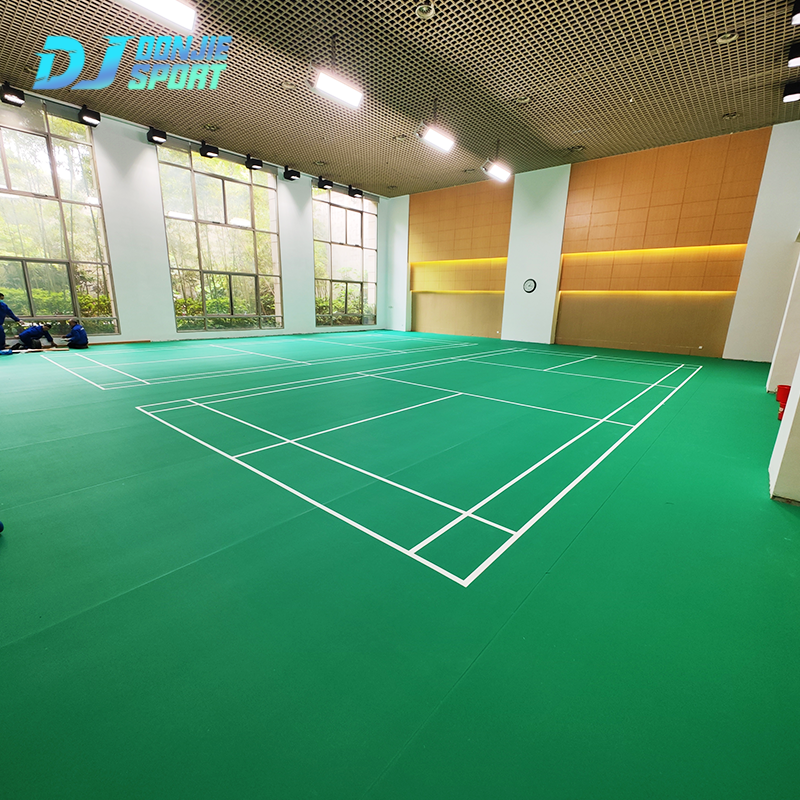
PVC Flooring: Polyvinyl chloride (PVC) sports flooring is a cost-effective option that offers excellent durability, slip resistance, and shock absorption. While PVC flooring tends to be less expensive than wood, its price can increase depending on the thickness, design, and brand.
-
Rubber Flooring: Often used in multipurpose sports halls, rubber flooring provides high durability and a comfortable surface for various sports. However, the cost of rubber flooring can vary depending on the quality of the material and whether it’s customized for specific sports needs.
-
Multi-Sport Flooring: In some cases, facilities may require custom flooring solutions that cater to multiple sports. These multi-functional floors can be more expensive, as they require a higher level of customization and flexibility, including the ability to handle various types of impacts, friction, and wear.
Each flooring material comes with a trade-off between initial investment, performance, and maintenance costs, making it important to assess your facility’s specific needs before deciding.
Installation Complexity and Labor Costs
While the material costs are essential, the installation process can also significantly impact the total cost. The complexity of the installation depends on the type of flooring selected and the existing condition of the sports hall.
-
Wood Flooring Installation: Installing wooden flooring is a detailed process that requires highly skilled labor. Wood floors must be properly leveled, sealed, and finished, and this process can take time, which increases labor costs.
-
PVC and Rubber Flooring Installation: In contrast, PVC and rubber floors are often easier to install, especially if they are interlocking tiles. However, if the floor requires glue-down or other specialized techniques, the cost of labor can rise accordingly.
-
Customization and Layout: The layout of the sports hall, such as creating multiple courts or special zones, will require additional customization, which adds to installation costs. Custom logos, court markings, and color choices can also increase the price.
Higher complexity in installation means longer work hours, which results in greater labor costs. Always account for the additional expenses when budgeting for installation.
Size and Layout of the Sports Hall
The size and layout of the sports hall have a direct impact on the overall flooring costs. Larger venues will obviously require more material and labor, but the layout can also play a significant role in determining the final price.
-
Larger Spaces: Larger sports halls will require more flooring material, resulting in higher costs for both the material and installation. You will also need to factor in the cost of waste and offcuts, which increase with the size of the area being covered.
-
Complex Layouts: Some sports halls feature complex layouts with multiple courts, seating areas, or performance zones. These custom layouts increase the difficulty of the installation process, leading to higher costs due to the need for precision and additional materials.
-
Multi-Purpose Areas: If the sports hall is designed for a wide range of activities, such as basketball, volleyball, badminton, and indoor soccer, the flooring must be versatile and durable enough to handle the variety of activities. This often requires specialized flooring materials and additional installation techniques, contributing to higher costs.
Designing for a larger or more complex layout requires more planning, material sourcing, and installation effort, all of which impact the overall cost of the flooring.
Performance Features and Specifications
The performance requirements of sports flooring are another critical factor that influences cost. Depending on the types of sports being played and the specific needs of athletes, certain features can be added to the flooring, resulting in higher expenses.
-
Shock Absorption: Floors with enhanced shock absorption reduce the impact on joints and help prevent injuries. Materials that offer this benefit, such as advanced PVC or rubber flooring, tend to cost more due to the technology involved in their production.
-
Slip Resistance: For sports such as basketball, volleyball, and gymnastics, ensuring a high level of grip is crucial. Flooring with enhanced slip resistance is often more expensive because of the specialized surface treatments or textures used.
-
Noise Reduction: Acoustic performance is vital in large sports halls, especially for indoor events. Flooring designed with noise reduction features can come at a premium price but can provide a much more comfortable and focused environment.
The inclusion of performance features adds to both material and installation costs, as more advanced flooring technologies often require specific materials, adhesives, and installation processes.
Maintenance and Durability Considerations
While the initial cost of sports hall flooring is an important consideration, long-term durability and maintenance are crucial for determining the true value of the investment. Some flooring types require ongoing maintenance to keep them in top condition, while others are low-maintenance but may come at a higher upfront cost.
-
Wood Flooring: Hardwood floors, while aesthetically pleasing and durable, require regular maintenance such as refinishing, sanding, and re-coating. These ongoing costs can add up over time, making the long-term investment higher than other flooring options.
-
PVC and Rubber Flooring: PVC and rubber floors tend to be more durable and require minimal maintenance. They are easy to clean, and their wear resistance can result in fewer repairs over time, making them more cost-effective in the long run.
When selecting sports hall flooring, it’s essential to consider not only the initial cost but also the future maintenance requirements. A flooring solution that requires less maintenance may ultimately prove to be more affordable over its lifespan.
Environmental Impact and Sustainability
Sustainability is becoming an increasingly important factor in the flooring industry. Eco-friendly materials can come with a higher upfront cost, but they offer long-term environmental benefits.
-
Sustainable Materials: Flooring made from recycled or renewable materials, such as recycled rubber or cork, may have a higher initial cost but offer significant long-term benefits in terms of sustainability.
-
Energy-Efficient Manufacturing: Some flooring manufacturers use energy-efficient processes or sustainable production practices, which may increase the cost of the product. However, these eco-friendly options can reduce the environmental footprint of your facility and may lead to future cost savings in waste management and energy usage.
Choosing a sustainable flooring solution may cost more upfront but can provide long-term savings while contributing to the environmental sustainability of your sports hall.
Brand and Manufacturer Reputation
Brand and manufacturer reputation can significantly influence the cost of sports hall flooring. Established brands often charge a premium for their products due to their reputation for quality, reliability, and warranty support.
-
High-Quality Brands: Trusted flooring brands often provide products with higher performance specifications, longer warranties, and more consistent quality. These advantages contribute to a higher price but may offer peace of mind and greater long-term value.
-
Lower-Cost Alternatives: Less established manufacturers may offer lower prices, but the quality and durability of the product may not be guaranteed. Depending on your priorities, opting for a lower-cost brand could save money initially, but it might require more frequent replacements or repairs.
While it’s tempting to go with the cheapest option, investing in reputable brands can offer better performance and lower costs in the long term.
Weighing the Factors for the Best Value in Sports Hall Flooring
When deciding on the best flooring for your sports hall, there are many factors to consider, each of which affects the overall cost. From the type of material and performance features to the complexity of installation and long-term maintenance, every choice impacts both the initial investment and the facility’s future expenses. By carefully evaluating your specific needs and balancing the benefits of different flooring options, you can find the solution that offers the best value for your sports hall.