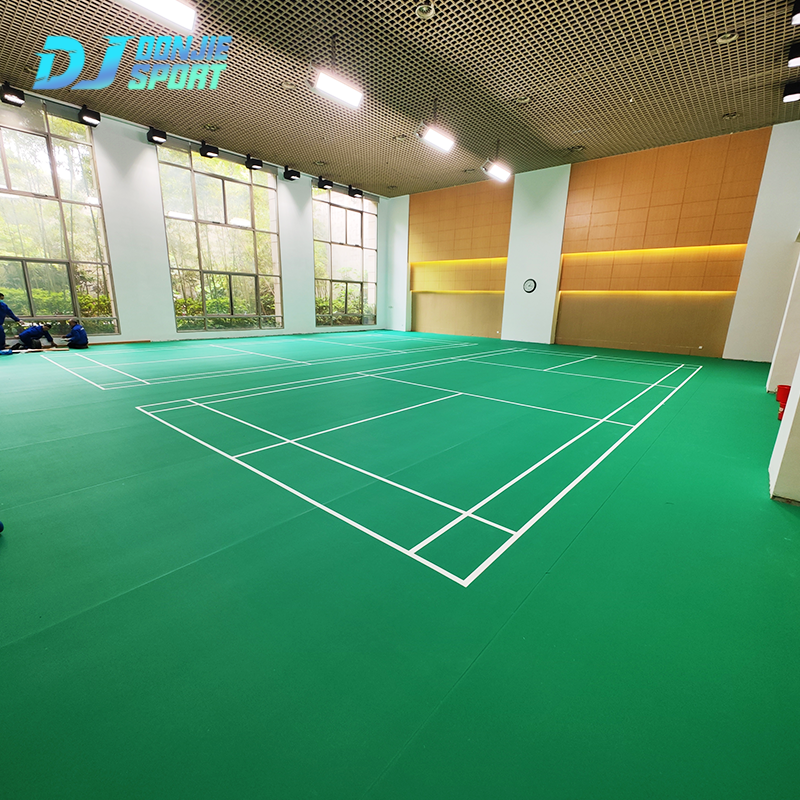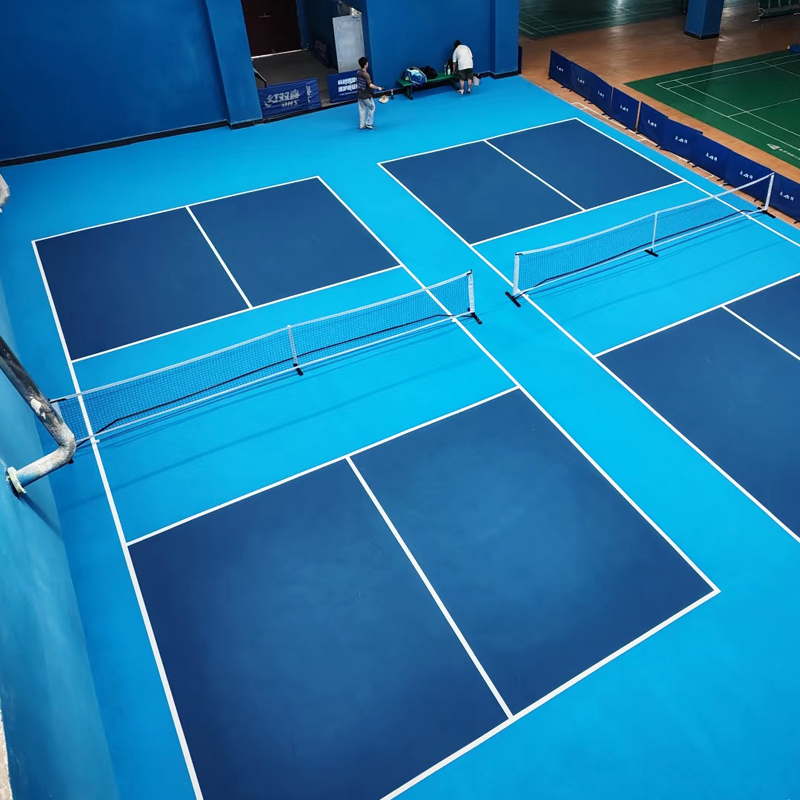
As we move into 2026, the sports hall flooring industry is experiencing dynamic shifts influenced by technological advancements, sustainability concerns, and evolving player needs. Sports halls, whether used for basketball, badminton, volleyball, or multi-functional activities, require floors that not only ensure safety and comfort but also meet environmental and aesthetic standards. Staying updated with the latest trends in sports hall flooring is crucial for facility owners, managers, and athletes alike to ensure optimal performance, safety, and cost-effectiveness. This article explores the top trends in sports hall flooring that are expected to shape the industry in 2026 and beyond, with a focus on how these innovations are revolutionizing sports facilities.
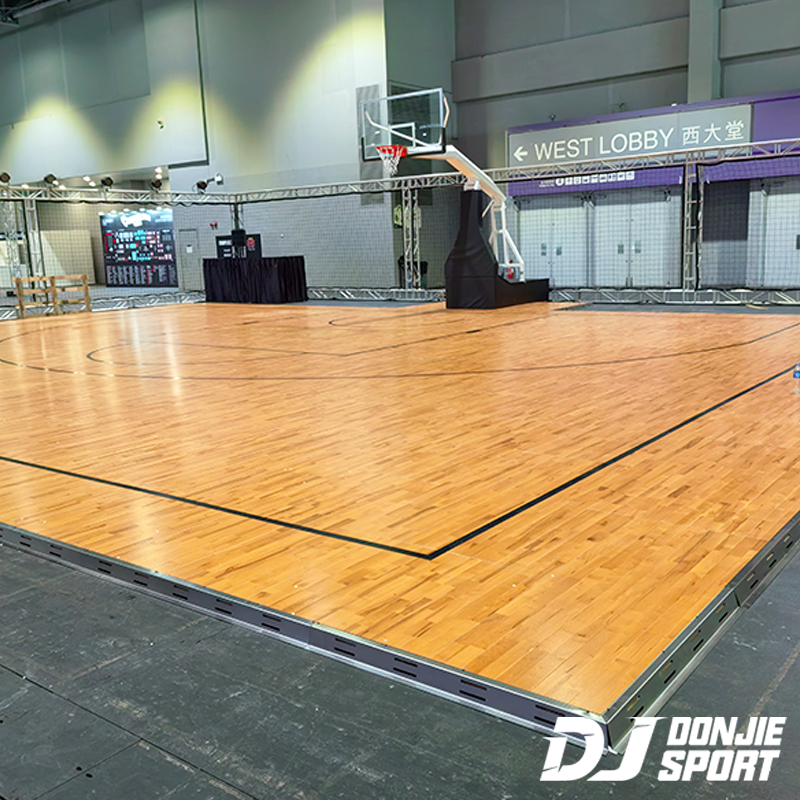
Sustainable and Eco-Friendly Materials in Sports Hall Flooring
One of the most significant trends for sports halls in the coming years is the increased demand for sustainable flooring solutions. As environmental consciousness rises, the sports flooring industry is embracing materials that reduce the carbon footprint and are recyclable or biodegradable. These eco-friendly options are not only beneficial to the planet but also contribute to reducing the facility’s long-term maintenance costs. Materials like cork, rubber, and PVC are being increasingly utilized for their durability and environmentally friendly properties. Additionally, innovations in manufacturing processes are making it easier to create flooring that meets sustainability standards without compromising on performance or aesthetics.
Facilities that adopt sustainable flooring options often see improved energy efficiency and lower operational costs. For example, some manufacturers now produce PVC flooring that is both highly durable and made with a focus on reducing harmful emissions during production. This aligns with the growing trend of sports venues becoming more conscious of their environmental impact while offering superior performance for athletes.
Advances in Smart Flooring Technology
Smart technology is making its way into sports hall flooring, offering significant advantages for performance tracking, injury prevention, and enhanced player safety. In the near future, we can expect more sports halls to feature smart flooring integrated with sensors that monitor players’ movements, track performance metrics, and detect signs of fatigue or injury risk. This technology can help coaches make data-driven decisions, providing valuable insights to optimize training sessions and prevent overuse injuries.
Furthermore, sensors embedded in the flooring can offer real-time feedback on floor conditions, such as grip levels and moisture content, helping to maintain an ideal playing surface. The potential of smart sports hall flooring to contribute to athlete safety and performance is immense, and we can expect this trend to grow rapidly over the next few years.
Enhanced Durability and Maintenance of Sports Hall Flooring
Durability remains a top priority for sports hall flooring, as these surfaces endure heavy use, intense physical activity, and frequent maintenance. To address these concerns, manufacturers are developing flooring materials with improved durability and lower maintenance requirements. New surface coatings are being applied to protect floors from scratches, scuffs, and damage caused by high-impact sports.
Self-healing technologies are also emerging in sports hall flooring. These materials are designed to repair minor damage, such as surface scratches, which can otherwise affect the aesthetics and safety of the floor. Self-healing floors not only extend the lifespan of the flooring but also reduce the frequency and cost of repairs, making them an excellent investment for facility owners.
Aesthetic and Customizable Designs
In recent years, the visual appeal of sports hall flooring has become an important consideration for facility owners. Customizable flooring designs that reflect the branding and identity of a sports facility are gaining popularity. With advanced printing technologies, it is now possible to create flooring that incorporates team logos, vibrant patterns, and specific color schemes to enhance the overall aesthetic of the space.
Flooring is no longer just a functional element—it’s a key part of creating a visually dynamic and engaging environment. Custom designs can help to boost team spirit, create a professional atmosphere, and even serve as a marketing tool for sponsors. As the demand for personalized sports spaces continues to grow, customized flooring solutions will become more common in sports halls around the world.
Multi-Functionality and Versatile Flooring Solutions
With the growing demand for multi-sport facilities, versatile flooring solutions that can accommodate different activities are becoming increasingly popular. Today’s sports halls often need flooring that can seamlessly transition between various sports, from basketball to badminton to volleyball. Interlocking tiles and modular systems are particularly useful in this context, as they allow for easy reconfiguration based on the type of activity being conducted.
Multi-functional flooring options not only increase the value of a facility but also improve its operational efficiency, as they can be adapted to meet diverse needs. This flexibility is particularly valuable for community centers and schools, where a single space may host different types of sports and events.
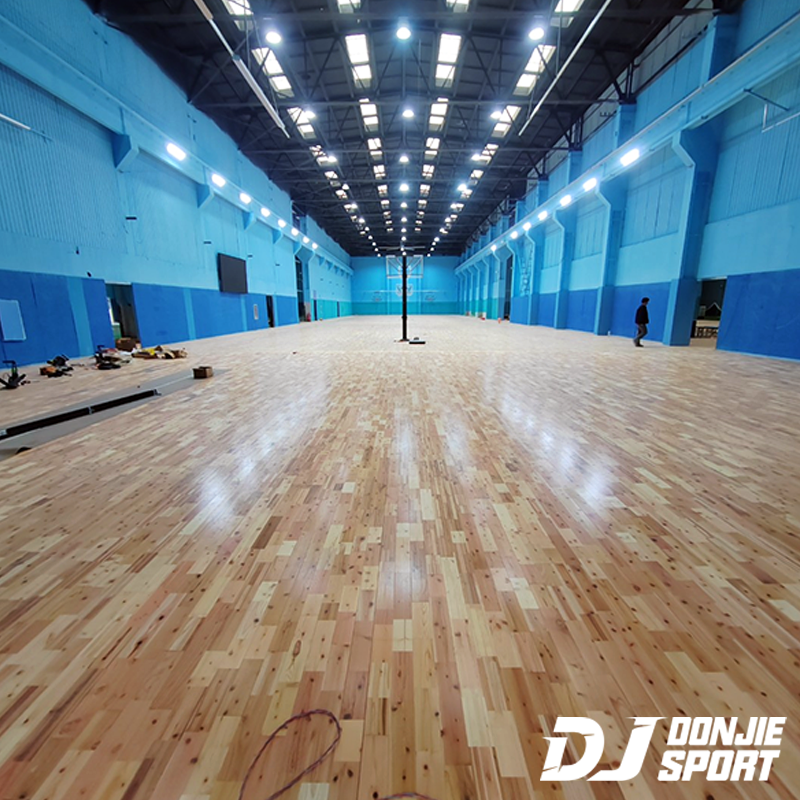
Safety and Performance Optimization
Safety and performance go hand in hand in sports hall flooring. The right flooring can significantly reduce the risk of injury, while also enhancing the performance of athletes. In 2026 and beyond, innovations in materials designed for improved grip, shock absorption, and injury prevention will continue to evolve.
Advanced shock-absorbing materials are now being integrated into sports flooring to minimize the impact on joints and reduce the likelihood of injuries like sprains or fractures. Flooring that provides optimal traction can also help athletes maintain control, improving their performance and reducing the risk of slips and falls. Whether it’s providing the perfect bounce for basketball players or preventing foot fatigue for long volleyball matches, the right flooring plays a critical role in optimizing athletic performance.
Cost Efficiency and Budget-Friendly Flooring Solutions
While high-quality sports hall flooring is an investment, recent technological advancements have made it more affordable for facilities to install long-lasting, high-performance surfaces. Manufacturers are finding ways to reduce production costs, without sacrificing durability or safety, making premium flooring solutions more accessible to a wider range of sports venues.
Additionally, modern flooring solutions are designed with lower maintenance costs in mind. Some floors now require minimal cleaning or waxing, which reduces ongoing costs for facility owners. Over time, the cost savings associated with these innovations can be substantial, making them an attractive option for those looking to balance quality with budget constraints.
Global Standards and Compliance in Sports Hall Flooring
As the sports flooring industry evolves, so do the standards and regulations governing it. Flooring solutions for sports halls must now meet global safety, performance, and environmental standards. International certifications ensure that the flooring installed in sports venues is of the highest quality and complies with the latest health and safety regulations.
Adhering to these standards not only ensures the safety of athletes but also guarantees that the flooring performs optimally under the most demanding conditions. For facility owners, understanding and implementing the latest flooring standards is crucial for maintaining a competitive edge and providing athletes with the best possible environment.
Conclusion:
The trends shaping sports hall flooring for 2026 and beyond reflect a shift towards more sustainable, technologically advanced, and versatile solutions. As eco-friendly materials, smart technologies, and customizable designs continue to evolve, sports facilities will need to stay ahead of the curve to meet the needs of athletes and facility managers. By choosing flooring solutions that offer superior durability, enhanced safety, and multi-functional capabilities, sports hall owners can ensure their venues remain competitive, efficient, and athlete-friendly for years to come.