When designing or refurbishing a sports hall, one of the most crucial decisions a facility manager or sports director faces is choosing the right flooring. The flooring in sports halls plays a pivotal role not only in aesthetics but also in the overall safety, comfort, and performance of athletes. Quality sports hall flooring ensures that players perform at their best while reducing the risk of injury. Whether it’s a basketball court, badminton arena, or multi-purpose gymnasium, the flooring choice can dramatically impact both the player experience and the facility’s longevity. In this article, we’ll explore how different flooring types affect comfort and performance, and why investing in high-quality flooring is essential for any sports venue.
The Impact of Flooring on Player Comfort
Cushioning and Shock Absorption: Reducing Impact on Joints
One of the primary benefits of high-quality sports hall flooring is its ability to cushion impacts. Sports, especially high-intensity ones like basketball, volleyball, and handball, place significant stress on an athlete’s joints, especially the knees, ankles, and lower back. Flooring that provides adequate shock absorption reduces the impact of each movement, which can help prevent long-term injuries such as stress fractures, joint wear, or ligament damage.
Materials like PVC and engineered wood are designed with specific shock-absorbing qualities. These materials soften the blow from jumps, sprints, and quick direction changes, thereby enhancing player comfort throughout the game. With the right flooring, athletes can perform at their peak without the fear of excessive strain on their bodies.
Temperature Regulation: How Flooring Can Affect the Overall Environment
The environment inside a sports hall can be influenced by the type of flooring installed. Certain materials, like natural wood, can help regulate indoor temperature by absorbing and releasing moisture, ensuring that the hall remains comfortable throughout intense activity. Conversely, synthetic options like PVC or rubber can have different thermal properties, which might make the space warmer or cooler depending on the climate.
Proper flooring not only enhances comfort but also contributes to a more pleasant playing environment. Athletes are likely to perform better when they aren’t distracted by temperature extremes underfoot, making flooring a key component in maintaining optimal conditions for sporting excellence.
Noise Reduction: Enhancing the Playing Experience
Another often overlooked benefit of sports hall flooring is its ability to reduce noise. High-quality sports flooring materials like vinyl or engineered wood are specifically designed to minimize echo and reduce overall noise levels in large spaces. This creates a quieter, more focused atmosphere for athletes to compete and practice, reducing distractions caused by echoes and loud footsteps.
This reduction in noise is especially important for multi-purpose halls or schools where multiple sports or activities occur simultaneously. It can also improve overall player concentration and provide a more comfortable experience during games and practices.
How Sports Hall Flooring Influences Athletic Performance
Traction and Grip: Preventing Slips and Improving Mobility
Traction is one of the most critical factors when it comes to sports flooring. Slippery or uneven surfaces can cause players to lose their footing, which not only hampers performance but also increases the risk of injury. Flooring materials like PVC, rubber, or wood are designed with specific textures and finishes that enhance grip, allowing players to move freely without the fear of slipping.
The right flooring helps athletes maintain their speed and agility, which directly contributes to better performance. Whether it’s a basketball player pivoting for a dunk, a badminton player lunging for a shuttle, or a volleyball player diving for a ball, having reliable traction ensures they can make quick, precise movements.
Surface Texture and Consistency: Impact on Speed and Control
The texture of the sports hall flooring affects how easily athletes can control their movements. A consistent surface, free of bumps or irregularities, allows for smoother transitions during play, whether athletes are accelerating, decelerating, or changing direction. A smooth but slightly textured surface enhances speed, providing players with the necessary control over their movements.
For example, basketball and volleyball courts often use maple wood or synthetic flooring with fine grooves designed to offer optimal control, preventing unintentional slides or loss of grip during fast plays. Similarly, a consistent surface helps players execute their moves more confidently and effectively, enhancing their overall performance.
Safety: How Proper Flooring Prevents Injuries and Promotes Confidence
Safety is at the heart of all flooring decisions. Sports hall flooring that prioritizes comfort, grip, and shock absorption not only helps players perform better but also ensures their safety. Flooring that minimizes impact reduces the risk of acute injuries like sprains, strains, and fractures, while also protecting against chronic injuries such as tendonitis or arthritis.
When players feel secure on their footing, they are more confident in their movements, which contributes to both their physical performance and mental focus. Quality flooring instills a sense of security, encouraging athletes to push their limits while minimizing the chances of a debilitating injury.
Different Types of Sports Hall Flooring Materials
PVC and Synthetic Flooring: Pros and Cons for Comfort and Performance
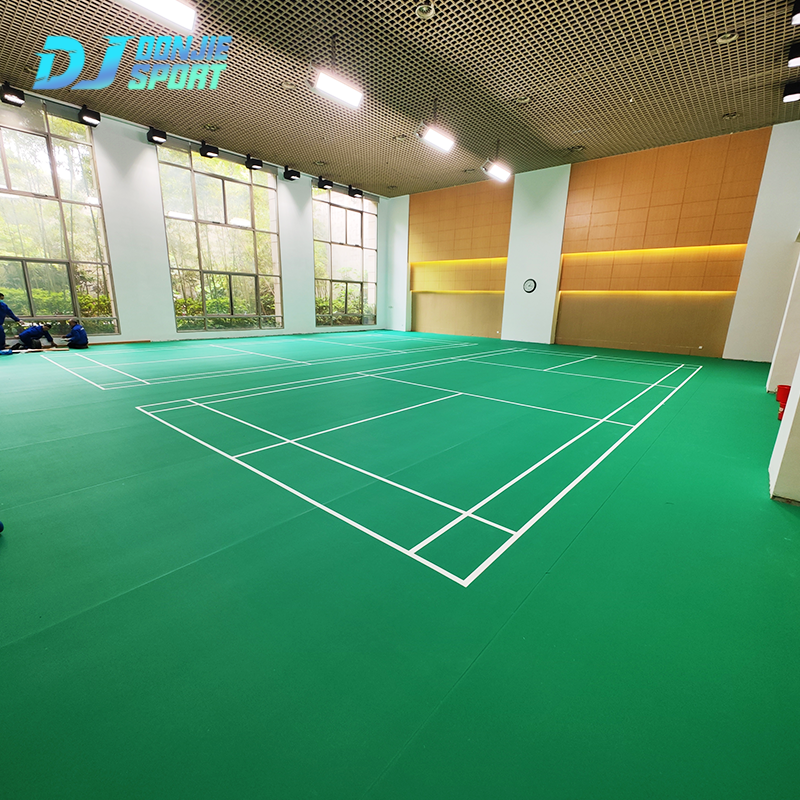
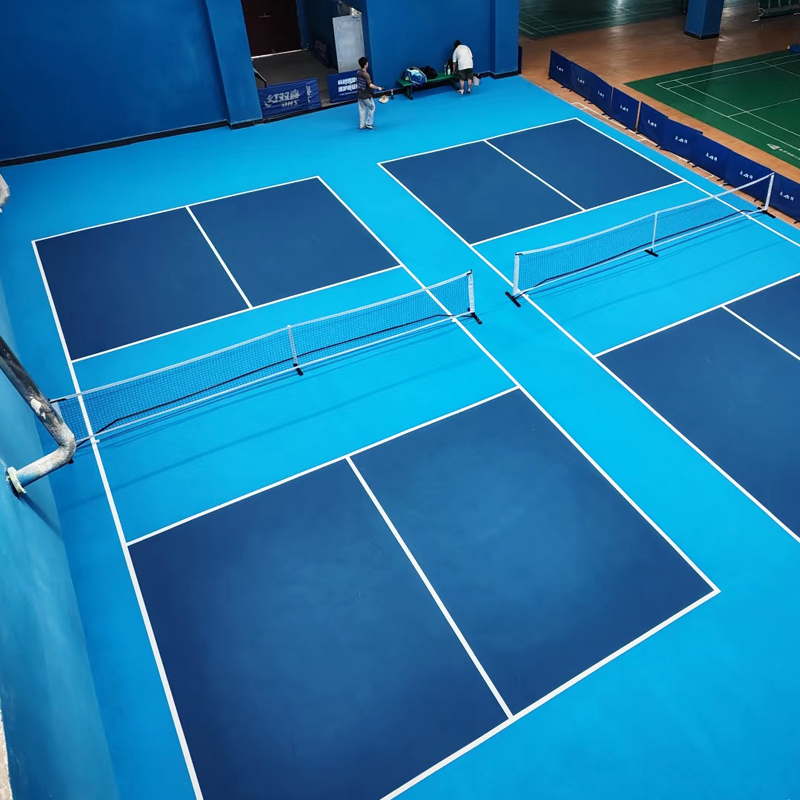
PVC sports flooring is one of the most popular options due to its durability, comfort, and cost-effectiveness. It provides excellent shock absorption and is easy to maintain, making it ideal for high-traffic sports halls. The material is versatile and can be customized with different textures to offer the necessary grip for various sports. However, while it is great for multi-purpose venues, some athletes may prefer the natural feel of wood underfoot, especially for specific sports like basketball.
Wood vs. Rubber Flooring: Which is Best for Different Sports?
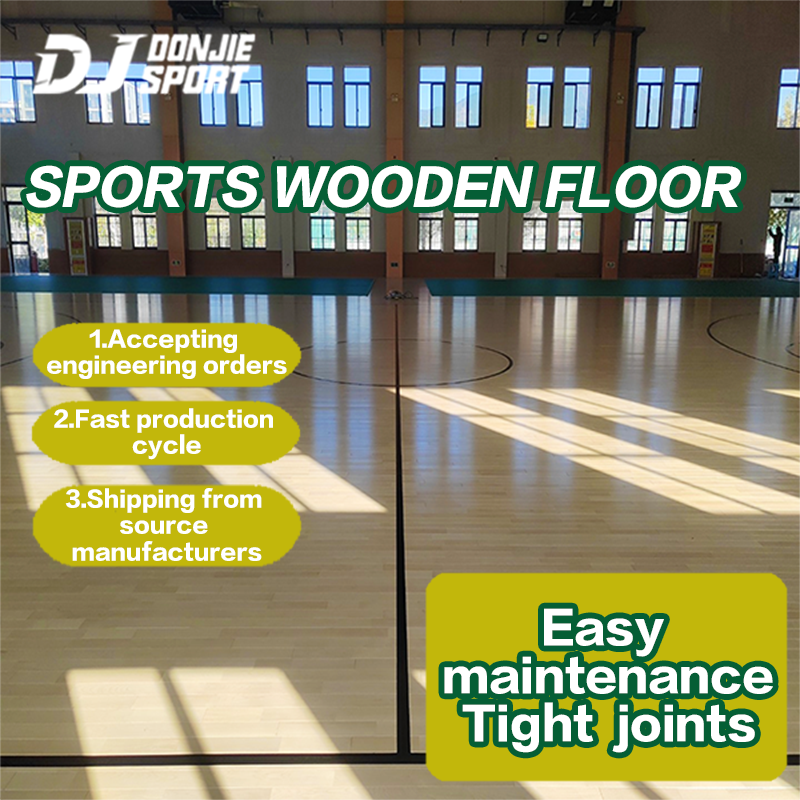
Wood flooring is often considered the gold standard for indoor sports, particularly for basketball, volleyball, and indoor courts. Its natural surface provides superior traction and a smooth, comfortable playing experience. However, wood can be more expensive and requires more maintenance than rubber flooring.
Rubber flooring, on the other hand, is highly durable, easy to maintain, and offers excellent shock absorption, making it a great option for multi-purpose facilities. It is also noise-absorbing, which makes it ideal for environments where noise reduction is key. Rubber is typically more suitable for sports like gymnastics, wrestling, or fitness classes.
The Role of Multi-purpose Flooring for Various Types of Sports
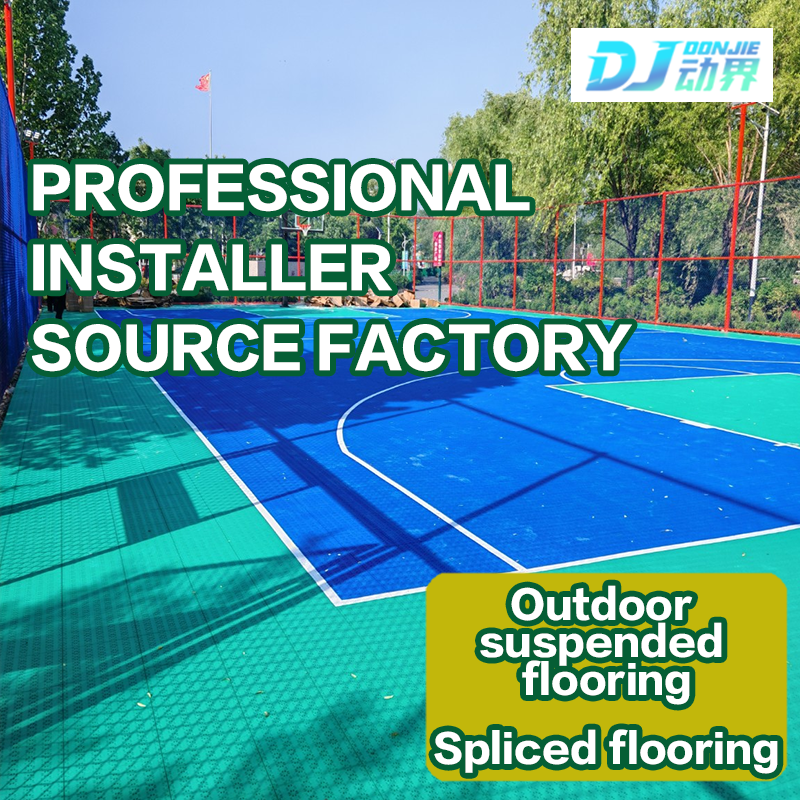
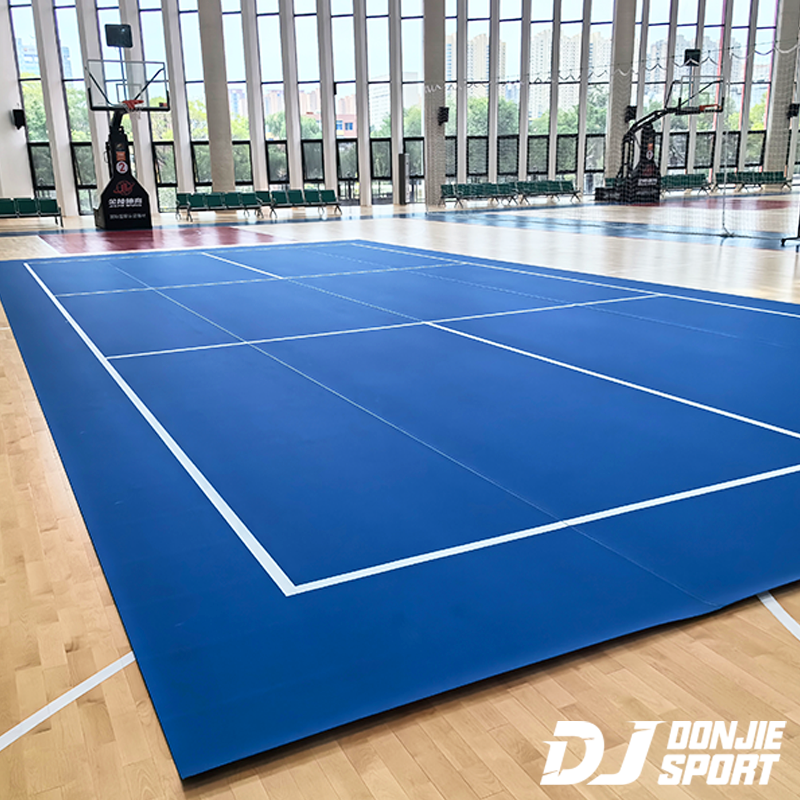
Multi-purpose sports hall flooring needs to be adaptable to different sports, offering a balance of comfort, grip, and durability. Flooring like high-quality PVC or interlocking tiles is perfect for multi-purpose venues where basketball, badminton, and other activities are played on the same surface. These materials offer flexibility and ease of maintenance while ensuring that the floor remains safe and comfortable for every type of sport.
Maintenance and Longevity of Sports Hall Flooring
How Easy Maintenance Contributes to Long-Lasting Performance
Choosing flooring that is easy to maintain ensures that the sports hall remains in excellent condition for years to come. Regular cleaning and care can extend the lifespan of the flooring while preserving its performance features, such as shock absorption, traction, and grip. Materials like PVC and rubber require less frequent maintenance compared to wood, but all types of flooring should be regularly inspected and cleaned to prevent wear and tear.
Regular Care and Cleaning Tips to Maintain Player Safety and Comfort
To ensure long-term safety and comfort, sports hall flooring should be cleaned regularly using non-abrasive cleaners. For wood floors, applying protective finishes and maintaining proper humidity levels is essential to prevent damage. On the other hand, synthetic floors require routine sweeping and occasional mopping to keep their surface smooth and clean. Proper care will keep the floor free from debris and ensure that players continue to enjoy a safe and comfortable playing surface.
Investing in Quality Flooring for Better Player Experience
Sports hall flooring is much more than just a surface to play on. The right flooring can enhance player comfort, improve performance, reduce injury risk, and create a better overall experience for athletes. Whether it’s cushioning to reduce joint stress, traction to prevent slips, or durability to withstand heavy use, high-quality flooring is a vital component of any sports facility. Investing in the right materials not only benefits players but also ensures the long-term success of the facility itself.