When it comes to creating the ideal environment for sports and fitness, the flooring you choose plays a pivotal role. Whether you’re designing a high-performance basketball court, a multi-purpose gymnasium, or a fitness center, the right flooring ensures safety, enhances performance, and provides lasting durability. In this post, we’ll explore the best flooring solutions for indoor sports halls and gymnasiums, focusing on their benefits, unique features, and key factors to consider for your facility.
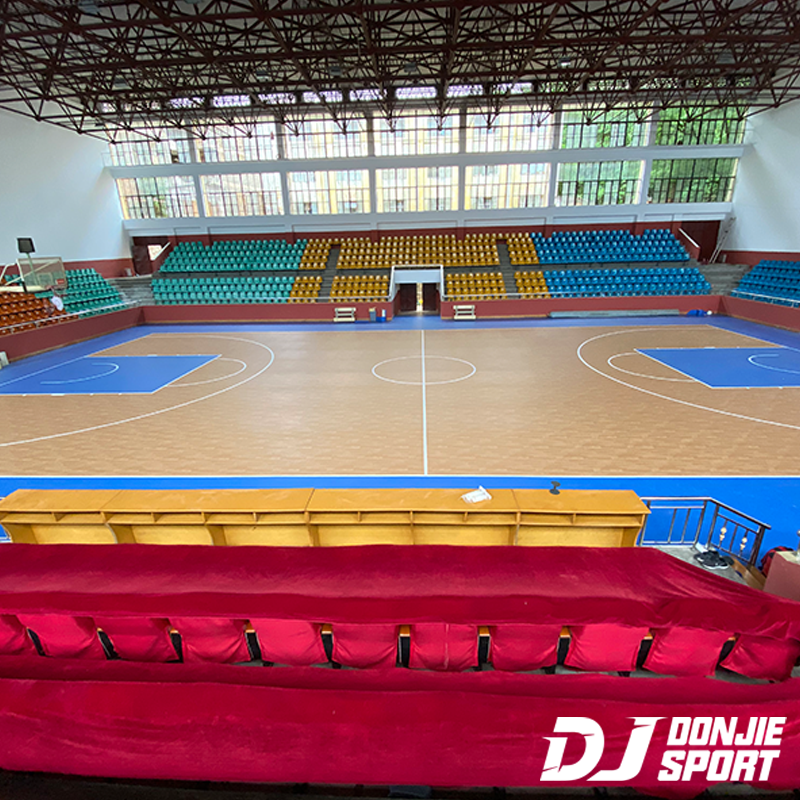
Types of Sports Hall Flooring Materials
Wooden Sports Flooring: A Classic Choice
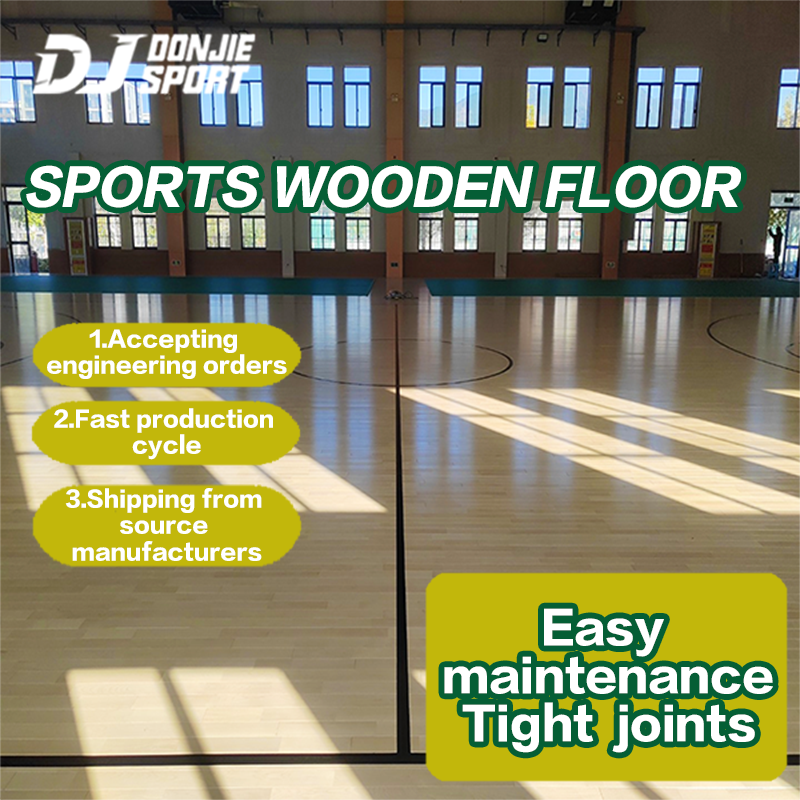
Wooden flooring has been a traditional choice for sports halls and gymnasiums for decades. The natural aesthetic, combined with durability and excellent shock absorption, makes it ideal for sports like basketball and volleyball. It provides an elegant look while maintaining performance standards for professional-level sports.
Benefits of Wooden Sports Flooring:
-
Superior Shock Absorption: Helps reduce impact, making it suitable for high-intensity sports.
-
Comfort: Offers excellent grip, preventing slippage and promoting safe movements.
-
Timeless Aesthetic: Wooden floors create a warm, inviting environment that enhances the atmosphere of any sports facility.
PVC Sports Flooring: Modern and Durable
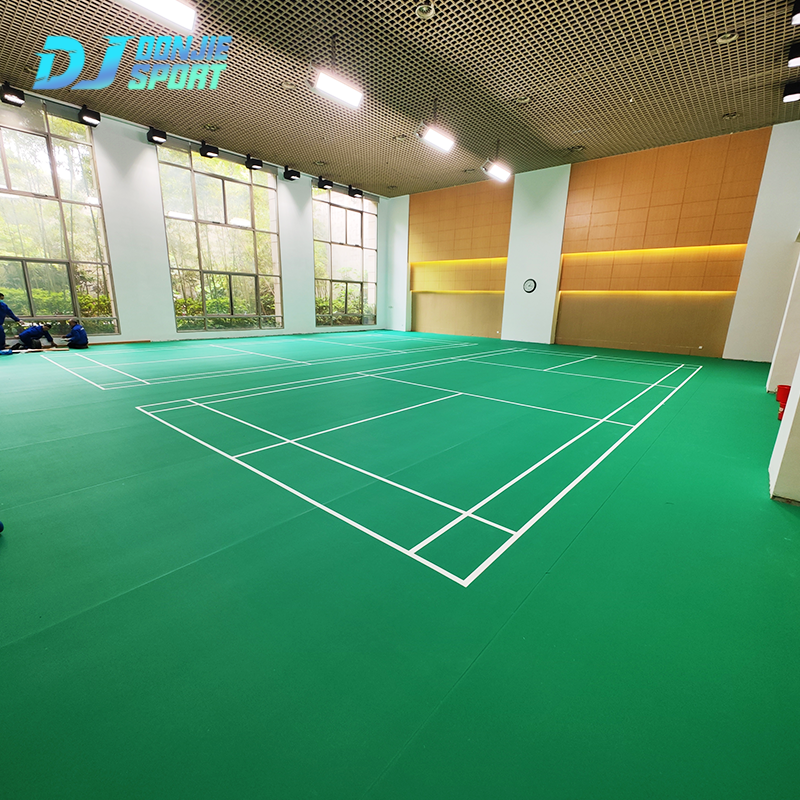
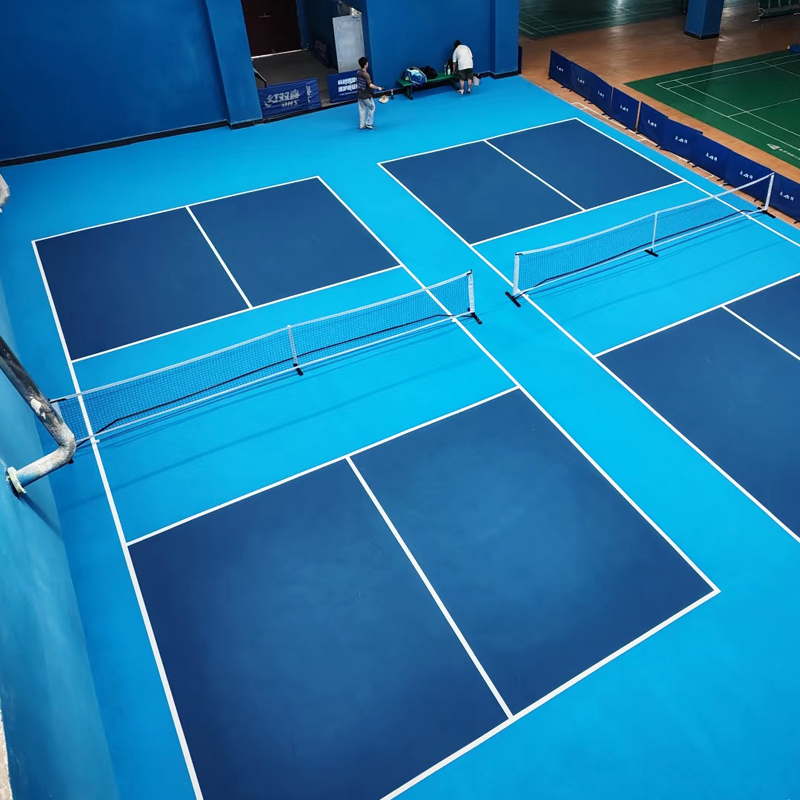
PVC flooring has become increasingly popular in sports halls and gymnasiums due to its versatility, affordability, and low-maintenance properties. It provides an excellent balance between performance and cost-effectiveness, making it a go-to option for many indoor sports venues.
Why Choose PVC Sports Flooring:
-
Durability: Resistant to wear and tear, making it ideal for high-traffic areas.
-
Easy Maintenance: Simple cleaning and upkeep, making it perfect for busy facilities.
-
Variety of Designs: Available in a wide range of colors and patterns, allowing customization for any venue.
Rubber Flooring: Resilient and Versatile
Rubber flooring is known for its excellent shock absorption and durability, making it suitable for high-impact sports. It provides a comfortable, non-slip surface that helps reduce fatigue for athletes during prolonged physical activity. Rubber is often used in multi-purpose halls, fitness centers, and training areas.
Advantages of Rubber Flooring:
-
Shock Absorption: Reduces the impact on joints, minimizing the risk of injury.
-
Non-Slip Surface: Ensures safety, even during intense exercises or sports.
-
Sustainability: Rubber flooring is often made from recycled materials, contributing to eco-friendly building practices.
Vinyl and Linoleum Flooring: Affordable and Practical
Vinyl and linoleum are both affordable and practical flooring options for sports halls. These materials provide a solid surface that can handle moderate traffic, making them suitable for lower-traffic gyms, multi-purpose rooms, and non-professional sports facilities.
Features of Vinyl and Linoleum Flooring:
-
Cost-Effective: Both options are less expensive than wood or rubber flooring.
-
Durability: While not as durable as wood or rubber, these materials can still provide several years of use with proper care.
-
Variety of Styles: Available in many colors and designs to match the aesthetics of your facility.
Key Factors to Consider When Choosing Sports Hall Flooring
Durability and Wear Resistance
One of the most important considerations when selecting sports hall flooring is durability. The floor must withstand the constant foot traffic, heavy equipment, and the physical impact of sports activities. Choosing a material that can resist wear and tear, such as PVC or rubber, can significantly reduce maintenance costs over time and ensure that your flooring lasts for many years.
Comfort and Impact Resistance
Flooring that offers excellent shock absorption is essential for protecting athletes’ joints and minimizing the risk of injuries. Whether it’s a high-impact sport like basketball or a floor used for general fitness, comfort is a key factor in selecting the right sports hall flooring.
Balance Comfort and Performance:
-
For professional sports, flooring like wooden courts or cushioned PVC offers the perfect balance between performance and comfort.
-
Multi-purpose venues might benefit from rubber flooring, which is versatile and provides substantial cushioning.
Maintenance and Upkeep
Maintaining sports hall flooring can be costly, especially when dealing with materials like wood, which require periodic sanding and refinishing. On the other hand, PVC and rubber floors often need only occasional cleaning and minimal upkeep, making them a more practical choice for busy facilities.
Tips for Maintenance:
-
Wooden floors should be regularly swept and refinished to preserve their condition.
-
PVC and rubber floors require basic cleaning with a damp mop to remove dirt and prevent wear.
-
Be sure to implement a proper floor care regimen to extend the life of your investment.
Flooring for Specific Sports: Tailoring Your Choice
Basketball Courts
Basketball requires a high-performance, shock-absorbing surface to protect players from injury during fast-paced play. Wooden courts remain the gold standard due to their ability to provide both excellent traction and cushioning. However, for a more modern approach, PVC flooring with a cushioned underlay can also provide adequate performance.
Key Features for Basketball Courts:
-
Good Traction: Prevents slippage and provides optimal grip.
-
Shock Absorption: Reduces impact on knees and joints during jumps.
-
Durability: Able to withstand heavy use, especially during intense games.
Badminton and Table Tennis
For sports like badminton and table tennis, the flooring needs to offer both speed and precision. A smoother, consistent surface that doesn’t interfere with fast movements is essential. PVC sports flooring is often used for these types of activities, as it provides the right balance between firmness and elasticity.
Key Features for Badminton and Table Tennis:
-
Smooth Surface: Ensures quick, uninterrupted play.
-
Non-Slip Properties: Prevents players from slipping while moving quickly.
-
Low Maintenance: Easier to maintain compared to wooden floors.
Multipurpose Halls
In a multi-purpose sports hall, versatility is key. The flooring needs to support a variety of sports and activities, from basketball to aerobics classes. Rubber flooring is ideal in these situations, offering flexibility and comfort across multiple disciplines.
Best Flooring for Multipurpose Halls:
-
Rubber Flooring: Excellent for general fitness, aerobics, and weight training.
-
Modular PVC Tiles: Easy to replace or reconfigure, making them great for varied activities.
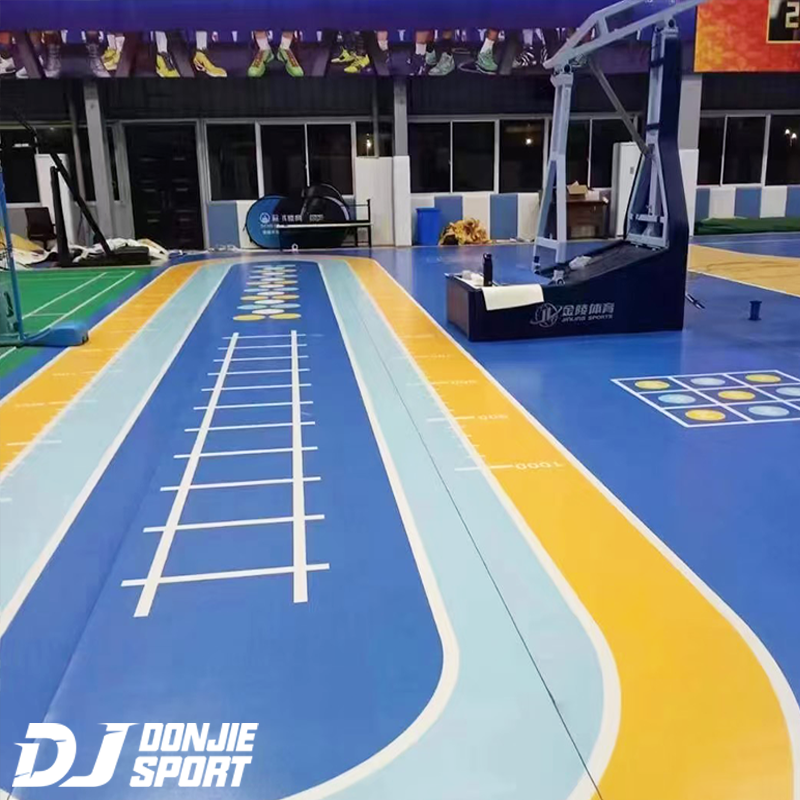
Installation Considerations: How to Ensure a Proper Fit
Proper installation is crucial to the performance of your sports hall flooring. An experienced professional should handle the installation of high-quality floors like wood or rubber, while more straightforward materials like PVC tiles may be suitable for DIY installation.
Important Installation Steps:
-
Proper Subfloor Preparation: Ensure the subfloor is level and clean before installation.
-
Professional Installation: Complex flooring types, such as hardwood, should be installed by professionals.
-
Seamless Fit: Make sure the flooring is laid without seams, particularly for PVC and rubber tiles, to prevent uneven surfaces.
Cost and Budget: Finding the Right Balance
When selecting sports hall flooring, balancing cost with quality is essential. While higher-end options like wooden floors might offer long-term durability and aesthetic appeal, materials like PVC and rubber flooring can provide excellent value at a lower upfront cost.
Cost Considerations:
-
Premium Flooring Options: Wooden and rubber floors typically have a higher initial cost but can be worth the investment for high-traffic areas.
-
Budget-Friendly Solutions: PVC and vinyl options are more affordable and ideal for facilities on a tight budget, though they may not have the same lifespan as wood or rubber.
Choosing the Best Sports Hall Flooring for Your Facility
Selecting the right flooring for your sports hall or gymnasium is a decision that impacts safety, performance, and long-term value. Consider your specific needs—whether it’s durability for high-impact sports, comfort for fitness routines, or budget-friendly options for a multi-purpose space. By evaluating the material options and understanding the factors at play, you can ensure that your flooring supports your facility’s goals.