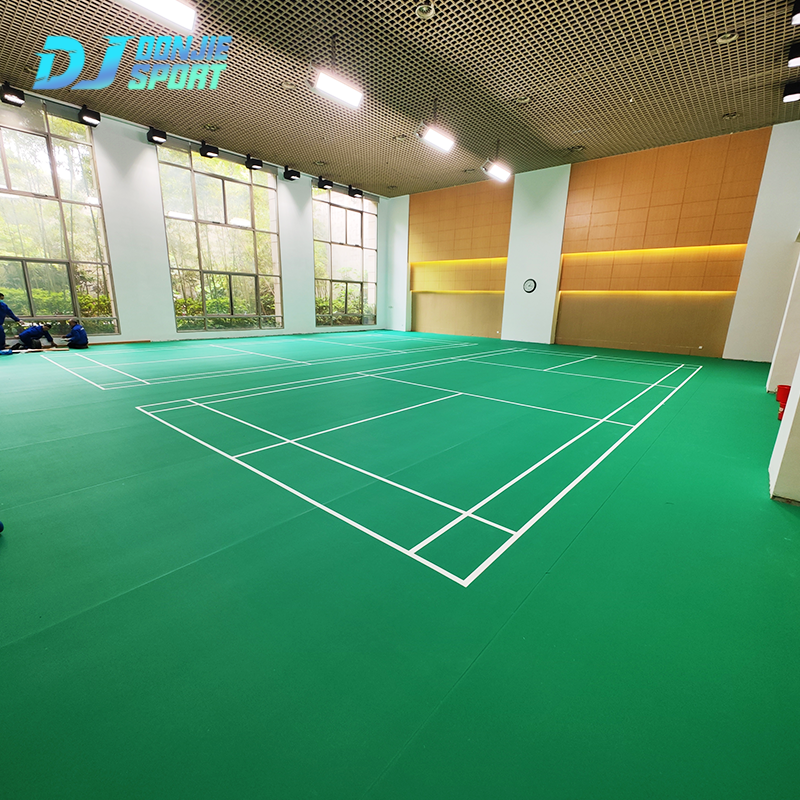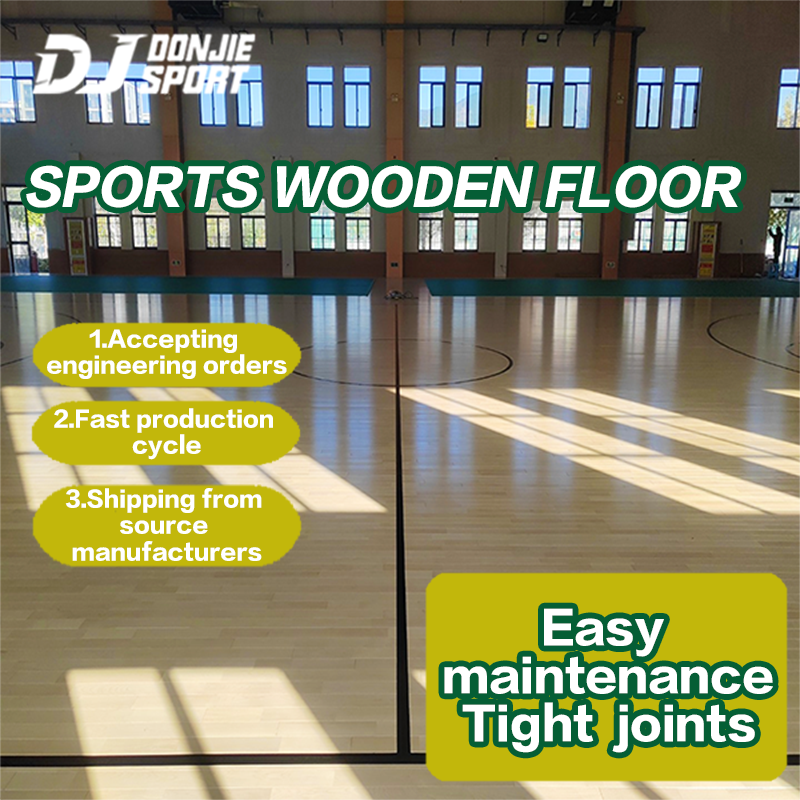
Sports hall flooring is an essential part of any athletic facility, playing a crucial role in both safety and performance. Whether it’s a gymnasium, a basketball court, or a multi-sport hall, the quality of the flooring directly impacts the players’ experience and reduces the risk of injuries. High-quality sports hall flooring can last for years, but only if it is well-maintained.
Investing in durable sports hall flooring such as PVC, wood, or rubber is a significant step toward ensuring a safe and long-lasting facility. However, flooring that sees heavy use from athletes, sports equipment, and foot traffic needs consistent care. With proper maintenance, you can extend the lifespan of your sports flooring and maintain its aesthetic appeal.
By regularly cleaning and repairing minor damages, you not only enhance the appearance of your flooring but also improve its performance. This article will guide you through practical tips and effective methods for keeping your sports hall flooring looking like new, regardless of the material.
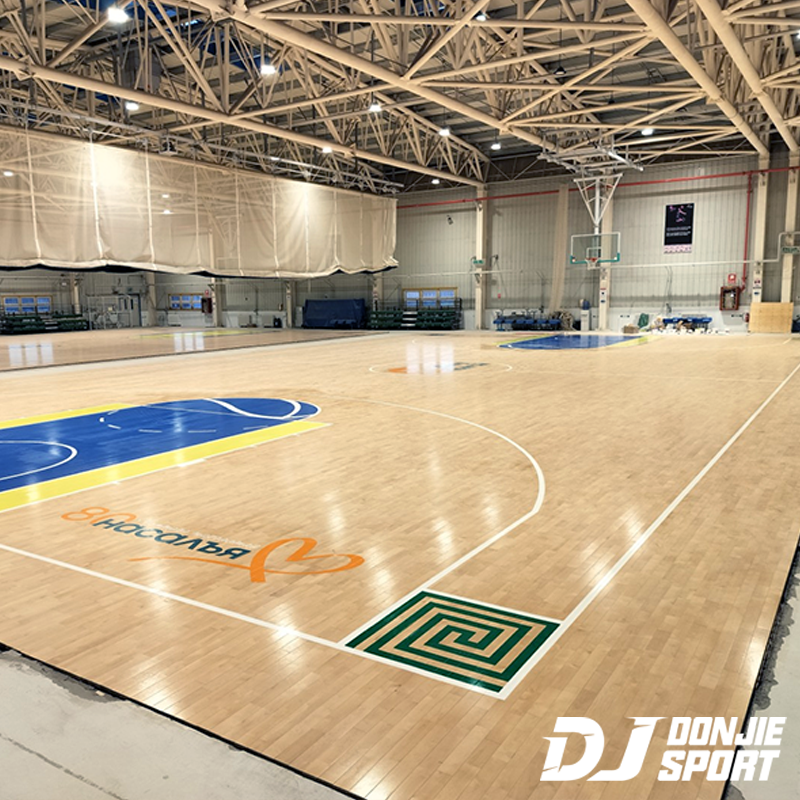
Understanding Your Sports Hall Flooring Material
The first step in maintaining your sports hall flooring is understanding the material it’s made from. Different flooring materials require different care methods. Whether your sports hall features PVC, wooden, or rubber flooring, each type has its unique cleaning and maintenance needs. Let’s explore the main types of flooring you might encounter.
-
PVC Flooring: Durable, resilient, and commonly used in indoor sports halls. PVC sports flooring is known for its shock absorption and easy maintenance. It’s important to clean PVC regularly to prevent the buildup of dirt and moisture, which can cause wear.
-
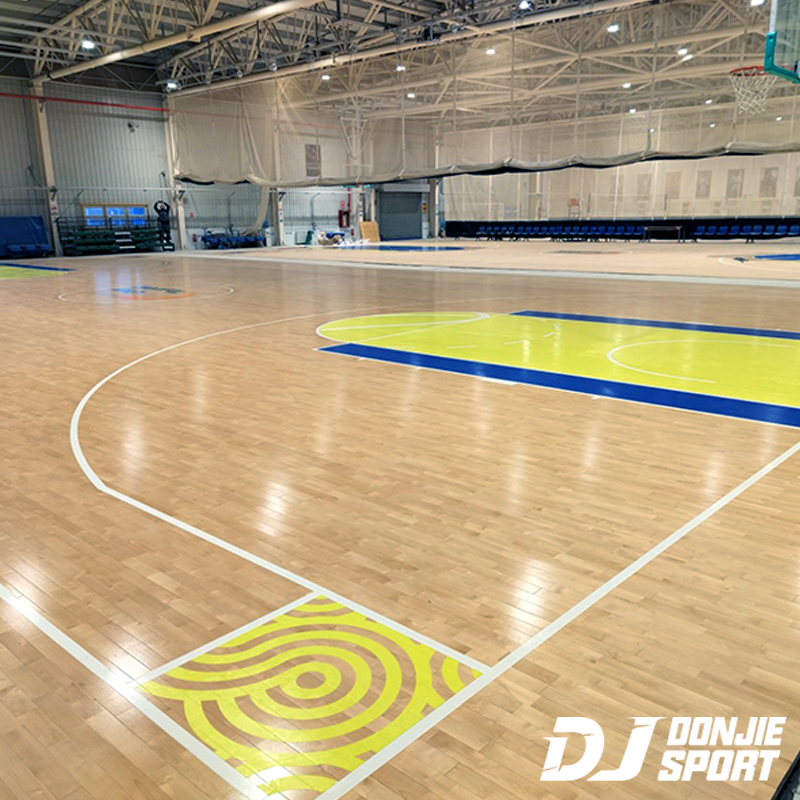
Wooden Flooring: Classic and elegant, wood floors are often found in basketball courts, gymnasiums, and multi-purpose halls. While wood floors provide excellent traction, they can easily get scratched or dented. Proper sealing and polishing are vital to prevent damage.
-
Rubber Flooring: Often used in fitness centers or areas with heavy equipment. Rubber floors are shock absorbent and low maintenance but can still attract dirt and debris. Regular sweeping and occasional deep cleaning are key.
Knowing your flooring type helps determine the right cleaning tools, products, and maintenance schedules to follow, ensuring longevity.
Daily Cleaning Routines to Preserve Flooring
Daily cleaning is essential for maintaining your sports hall flooring in top condition. Dirt and dust can quickly build up, creating an unsightly appearance and increasing wear on the surface. Here’s a step-by-step guide to your daily routine:
-
Sweeping: Use a soft-bristle broom or a dust mop to sweep the floor every day. This helps remove dirt, dust, and debris that can scratch or stain the flooring.
-
Mopping: After sweeping, mop the floor with a damp mop. For PVC or rubber floors, use a gentle cleaning solution to avoid damaging the surface. Avoid soaking the floor, as excessive moisture can cause long-term damage to some materials.
-
Spot Cleaning: For high-traffic areas, such as entrances or around the basketball court, spot cleaning is essential. Use a microfiber cloth and an appropriate cleaner to address dirt patches.
Be mindful not to use harsh cleaning agents or abrasive tools, as these can wear down the surface over time.
Weekly and Monthly Maintenance: In-Depth Care
For deeper cleaning, weekly and monthly maintenance tasks should be included in your routine. These steps are essential for preserving your flooring and keeping it looking fresh.
-
Weekly:
-
Vacuuming: Use a vacuum with soft brushes to remove dust and dirt from cracks or seams, especially in PVC floors. This prevents dirt from accumulating in hidden spots.
-
Check for Scratches or Damages: Inspect the floor for any scratches, dents, or scuff marks. Prompt repair can prevent further damage.
-
-
Monthly:
-
Deep Clean: Perform a more thorough cleaning using a floor cleaner designed for your specific flooring type. Use a scrubber machine for larger areas or tough dirt buildup.
-
Edge Cleaning: Clean the edges and corners where dirt tends to accumulate. Use a damp cloth to wipe the edges clean without damaging the floor’s finish.
-
A consistent cleaning schedule helps maintain the integrity of your sports hall flooring, making it easier to spot potential problems before they get worse.
How to Handle Stains and Spills Quickly
Spills and stains are inevitable, especially in high-traffic sports areas. The quicker you act, the easier it is to remove the stain and prevent long-term damage. Here’s what to do:
-
Act Fast: As soon as a spill occurs, clean it up immediately. For liquid spills, blot the area with a clean cloth to soak up excess moisture.
-
For Stains: Use a mild detergent diluted with water to treat stains. Avoid using strong chemicals, as they could damage the floor’s surface. For stubborn stains, a non-abrasive cleaner can work wonders.
-
Scuff Marks: Use a soft cloth and a gentle cleaning solution to remove scuff marks. For deep scuffs, a specialized floor cleaner for your flooring type can help.
By addressing stains and spills right away, you’ll prevent them from setting into the flooring, keeping it clean and protected from lasting damage.
Protecting Your Sports Hall Flooring from Wear and Tear
While routine cleaning is essential, taking preventative measures can greatly reduce the wear and tear on your sports hall flooring. Consider these tips to protect your investment:
-
Use Mats and Rugs: Place mats or rugs at high-traffic entry points and around equipment. This helps to reduce dirt, grit, and moisture from being tracked onto the floor.
-
Protective Padding: For areas that see heavy use, such as under exercise equipment, use protective padding or covers to shield the flooring from damage.
-
Furniture Pads: Equip gym equipment with floor pads or casters to prevent scratches or dents when moving heavy items across the floor.
These protective measures help preserve the surface and reduce the need for frequent repairs.
When to Refinish or Recoat Your Flooring
Even with regular maintenance, your flooring may eventually show signs of wear, especially in high-use areas. Here’s when you should consider refinishing or recoating:
-
Signs of Wear: If the flooring starts to look dull or faded, or if it’s accumulating scratches and scuff marks, a recoat might be necessary.
-
Wood Flooring: Wood floors typically need refinishing every few years to restore their original luster and protection. Sanding down and applying a fresh coat of polyurethane can make a significant difference.
-
PVC and Rubber Flooring: While these floors typically don’t need refinishing, they may benefit from a deep clean and a layer of protective polish to enhance their durability and appearance.
Regularly inspect your flooring and act promptly when you notice significant signs of wear to avoid long-term damage.
Long-Term Tips: Preventive Maintenance for Sports Hall Flooring
Prevention is key when it comes to maintaining sports hall flooring. Here are a few long-term maintenance tips to consider:
-
Professional Inspections: Schedule annual inspections from professional flooring contractors to check for underlying issues that might not be visible to the untrained eye.
-
Maintenance Plan: Establish a routine maintenance schedule that includes cleaning, inspection, and repairs. A proactive approach ensures your flooring will last longer and perform better.
-
Proper Ventilation: Ensure your sports hall is well-ventilated to prevent moisture buildup, which can damage flooring over time.
By following these preventive measures, you’ll help extend the life of your sports hall flooring and keep it in great condition for years to come.
Invest in Care for Long-Lasting Sports Hall Flooring
Maintaining your sports hall flooring requires commitment, but the results are well worth it. By following these cleaning, care, and protection steps, you can ensure that your flooring remains in excellent condition for years. The right maintenance routine will not only enhance the appearance of your sports hall but also improve its safety and performance for athletes.
Incorporating these simple practices will protect your investment and keep your flooring looking like new, reducing the need for costly repairs or replacements. Proper care of your sports hall flooring is an investment in the future of your facility—one that pays off in both aesthetics and functionality.