Selecting the best flooring for sports halls in schools and colleges is not just about aesthetics—it’s about performance, safety, and longevity. Sports halls are high-traffic areas where athletes of all skill levels engage in various activities, from basketball and volleyball to badminton and general fitness. The right flooring can improve player performance, reduce the risk of injuries, and minimize long-term maintenance costs. In this article, we’ll guide you through the key considerations for choosing the best flooring for your sports hall, whether you’re outfitting a new facility or refurbishing an existing one.
Factors to Consider When Choosing Sports Hall Flooring
When choosing flooring for sports halls, several important factors must be considered to ensure you get the most out of your investment. Let’s break down the main aspects that should influence your decision.
-
Durability: Sports halls experience constant foot traffic and heavy impacts from various sports. Durability is paramount. The flooring needs to withstand high levels of use without losing its appearance or performance. Whether it’s players running on the court or heavy equipment being moved around, durable flooring options like hardwood, PVC, or rubber are built to last.
-
Safety: Safety is always the top priority in any sports environment. Flooring should be slip-resistant, even when wet, to minimize the risk of falls and injuries. It should also have sufficient shock absorption to reduce impact on joints, particularly in high-impact sports like basketball and volleyball.
-
Maintenance: Flooring for sports halls must be easy to clean and maintain. Sports activities tend to bring in dirt, moisture, and sometimes even food and drinks. Consider flooring options that are resistant to stains and can be easily wiped or mopped. Materials like PVC and rubber are often favored for their ease of maintenance.
-
Comfort: Player comfort is key to enhancing performance. The right flooring should offer a balance between firmness and cushioning to minimize fatigue during long hours of play. Floors with shock-absorbing properties will ensure that players remain comfortable and less prone to injuries.
-
Budget: Budget constraints are a reality for many schools and colleges. While it’s tempting to go for cheaper options, cutting corners in flooring can result in higher maintenance costs and increased wear and tear in the long run. It’s important to strike a balance between affordability and the long-term benefits of durable, quality flooring.
Different Types of Flooring for Sports Halls
Each type of flooring offers its own set of benefits. Let’s take a closer look at some of the most common flooring materials for sports halls:
-
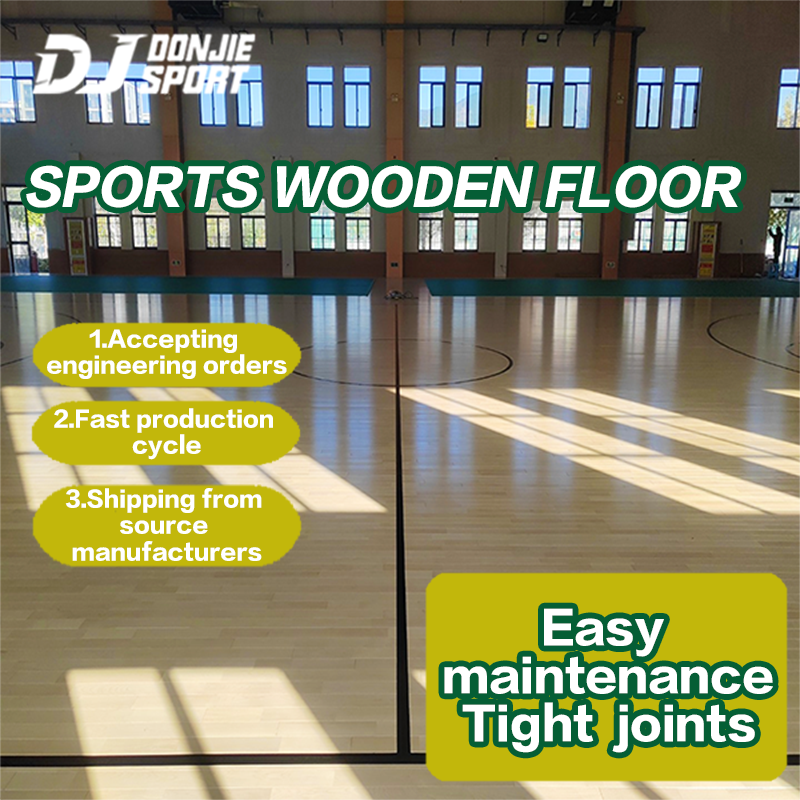
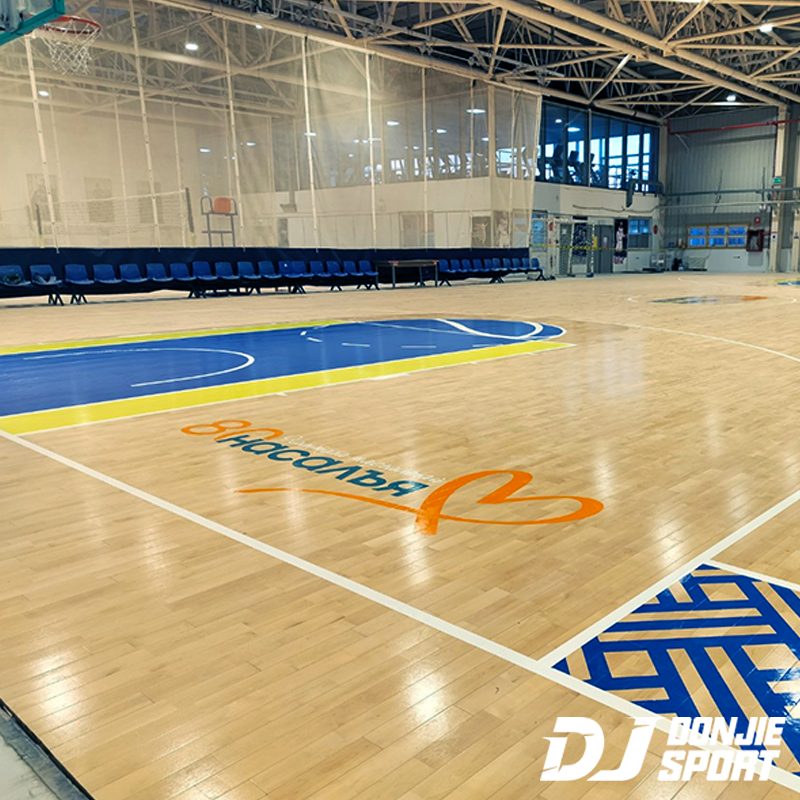
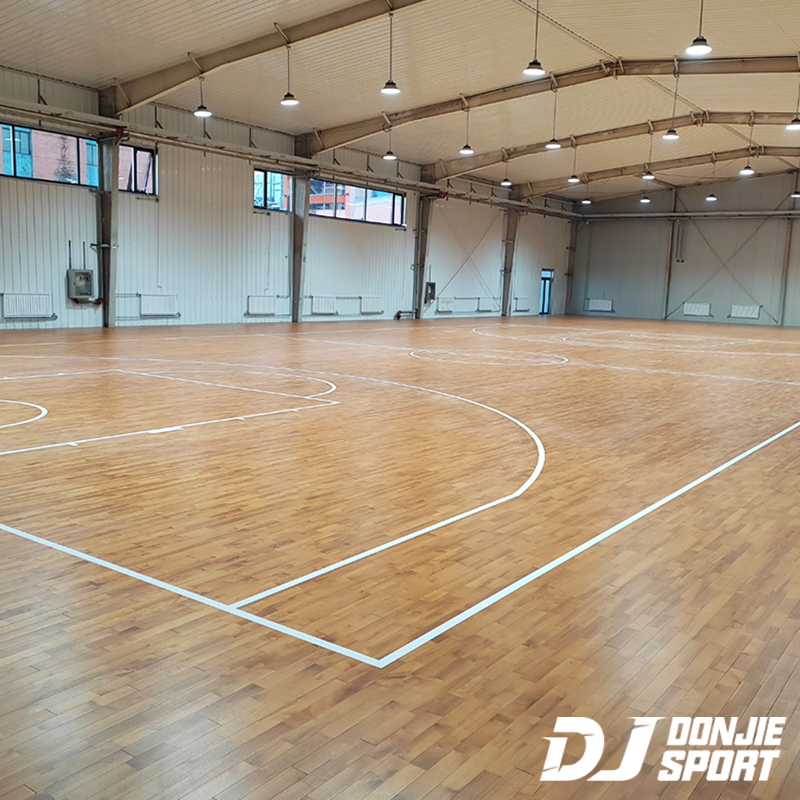
Wood Flooring: Traditionally considered the gold standard for indoor sports halls, wood flooring offers a natural, aesthetically pleasing finish. It provides excellent shock absorption and is ideal for sports like basketball and volleyball, where players need traction and comfort. However, it requires regular maintenance, such as refinishing and polishing, to keep it in top condition.
-
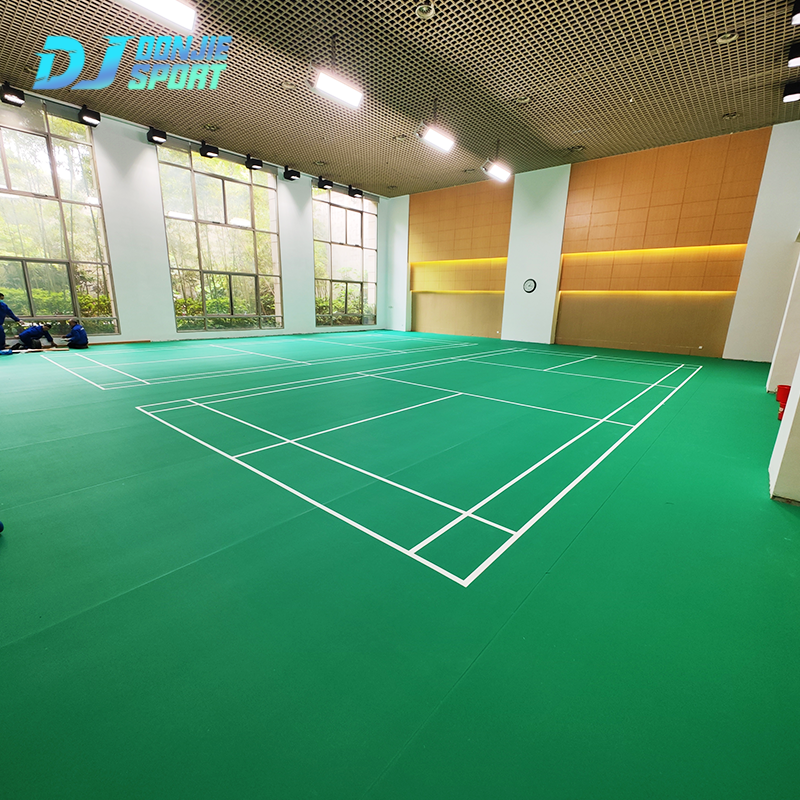
PVC Flooring: PVC flooring is a popular choice for modern sports halls due to its durability and versatility. It’s resistant to wear, water, and stains, and it provides excellent shock absorption. Additionally, PVC sports flooring is available in various designs and colors, making it easy to customize the look of your sports hall. It’s particularly beneficial for multi-purpose sports facilities as it can accommodate a variety of sports with ease.
-
Rubber Flooring: Known for its toughness, rubber flooring is great for high-impact areas, including gyms and multi-sport halls. Rubber is non-slip, shock-absorbing, and incredibly durable. It’s especially good for areas where fitness equipment is used or where high-impact activities like aerobics and weightlifting take place. The downside is that it can be less visually appealing compared to wood or PVC flooring.
-
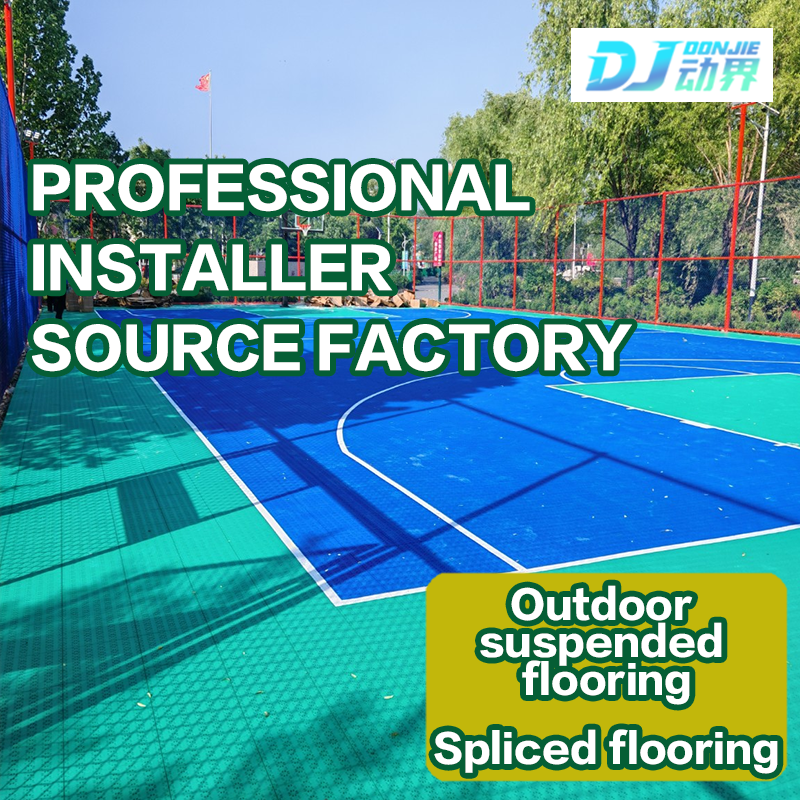
Interlocking Tiles: Interlocking tiles offer flexibility in installation, making them an ideal choice for schools or colleges on a budget or those needing to quickly upgrade or refurbish their flooring. These tiles can be used for both indoor and outdoor sports halls and are available in various materials, such as PVC, rubber, or EVA foam. They are easy to replace and can be arranged to fit any space or design.
Choosing the Best Flooring for Specific Sports
Sports halls cater to a wide range of activities, and selecting the right flooring for each sport is crucial for ensuring optimal performance and safety.
-
Basketball Courts: Basketball requires a floor that offers good grip and consistent bounce. Wood flooring is often the preferred choice for this sport as it provides the necessary friction and shock absorption. However, modern PVC options also perform well in terms of safety and performance and are easier to maintain.
-
Badminton and Volleyball Courts: These sports demand smooth, even flooring that minimizes the risk of players slipping or injuring themselves. PVC flooring is commonly chosen for badminton and volleyball courts because it offers a solid, non-slip surface that is gentle on the joints.
-
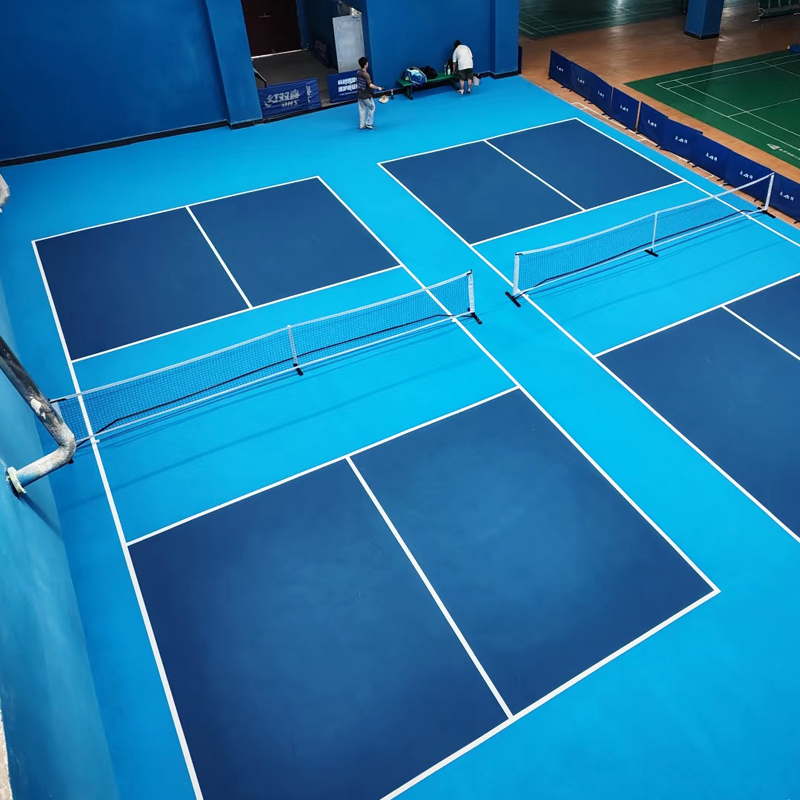
Multi-Purpose Halls: For facilities used for various activities, including gymnastics, basketball, and general fitness, the flooring must be adaptable. PVC and rubber flooring are the most versatile, offering safety, comfort, and durability for a wide range of sports.
Environmental and Sustainable Considerations
In today’s environmentally conscious world, sustainable flooring materials are becoming increasingly popular. Flooring made from recycled materials or sourced from renewable resources is an excellent choice for schools and colleges committed to reducing their environmental footprint. Many PVC flooring options are made from recycled vinyl, and rubber flooring can often be sourced from recycled tires. These options not only help the environment but also offer the durability and performance needed for high-use areas.
Installation and Lifespan of Sports Hall Flooring
When installing sports hall flooring, it’s essential to hire professionals who specialize in the specific flooring type you choose. Proper installation ensures that the flooring performs as intended and lasts longer. DIY installation might seem cost-effective, but it can lead to issues with longevity and performance down the line.
The lifespan of your flooring depends largely on the material chosen, the quality of installation, and how well the flooring is maintained. Proper care can significantly extend the life of your sports hall flooring, saving money in the long run.
How to Maintain Sports Hall Flooring
To maximize the lifespan and performance of your flooring, regular maintenance is necessary. Here are some tips for keeping your sports hall flooring in top condition:
-
Daily cleaning: Sweep or vacuum the floor to remove dirt and debris.
-
Weekly cleaning: Mop the floor using a mild detergent or cleaning solution.
-
Annual maintenance: Depending on the flooring type, consider refinishing wood floors or deep cleaning PVC and rubber surfaces.
Each flooring type has specific cleaning requirements, so be sure to follow manufacturer recommendations.
Making the Right Decision for Your Sports Hall Flooring
Choosing the best flooring for sports halls in schools and colleges requires careful consideration of several factors, including durability, safety, comfort, and budget. By understanding the specific needs of your sports hall and the activities it will host, you can select flooring that enhances performance, reduces injuries, and requires minimal maintenance. Whether you choose wood, PVC, rubber, or interlocking tiles, investing in high-quality sports hall flooring is a decision that will pay off in the long run.