When it comes to sports halls, flooring is not just about aesthetics—it’s a key factor that directly influences athlete performance. The right flooring can significantly enhance safety, comfort, and overall gameplay experience, making it a critical component in any sports facility. For athletes, having the proper surface to play on is essential not only for optimal performance but also for injury prevention. Whether it’s the shock absorption that cushions high-impact movements or the traction that allows for quick pivots, the flooring in a sports hall can make all the difference. In this article, we will explore the various types of flooring available for sports halls and their unique benefits, focusing on how each type contributes to athletic performance.
Key Factors in Flooring for Sports Halls
Selecting the right flooring for sports halls is more than just choosing a material that looks good. Several key factors should be taken into consideration, including durability, shock absorption, and traction. These elements play a pivotal role in ensuring both the safety and performance of athletes.
Durability is essential because a sports hall floor faces significant wear and tear, especially with heavy foot traffic and frequent use. A durable floor ensures that the surface maintains its integrity over time, preventing dangerous cracks, dents, or other issues that could interfere with performance.
Shock absorption is another critical factor, particularly for high-impact sports. Athletes are constantly making abrupt movements, jumping, and landing, and without adequate cushioning, this can lead to joint strain or injury. Flooring with proper shock absorption helps to reduce the risk of such injuries by absorbing the impact of movements, providing a safer environment for players.
Finally, traction is vital to preventing slips and falls. Flooring with the right amount of grip ensures that athletes can make quick cuts and pivots without losing control or balance. This is especially important for fast-paced sports like basketball or badminton, where footwork is crucial to success.
Different Types of Flooring for Sports Halls and Their Performance Benefits
There are several types of flooring commonly used in sports halls, each offering distinct advantages for athlete performance. Let’s take a closer look at the most popular options and how they impact gameplay.
-
Wood Flooring
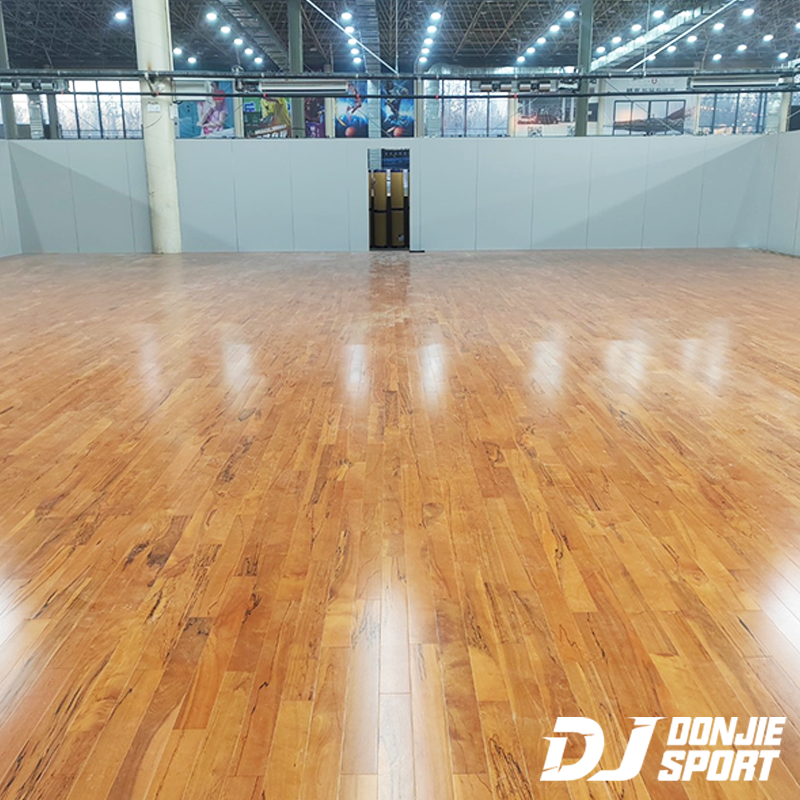
Wood flooring has been a traditional choice for many sports halls, particularly for indoor sports like basketball, volleyball, and gymnastics. Wood provides a smooth, even surface that allows for easy movement and excellent traction. It also offers a degree of shock absorption, though less than some modern alternatives. Its natural aesthetic and timeless appeal make it a popular choice for arenas where sports like basketball are the primary focus. -
PVC Flooring
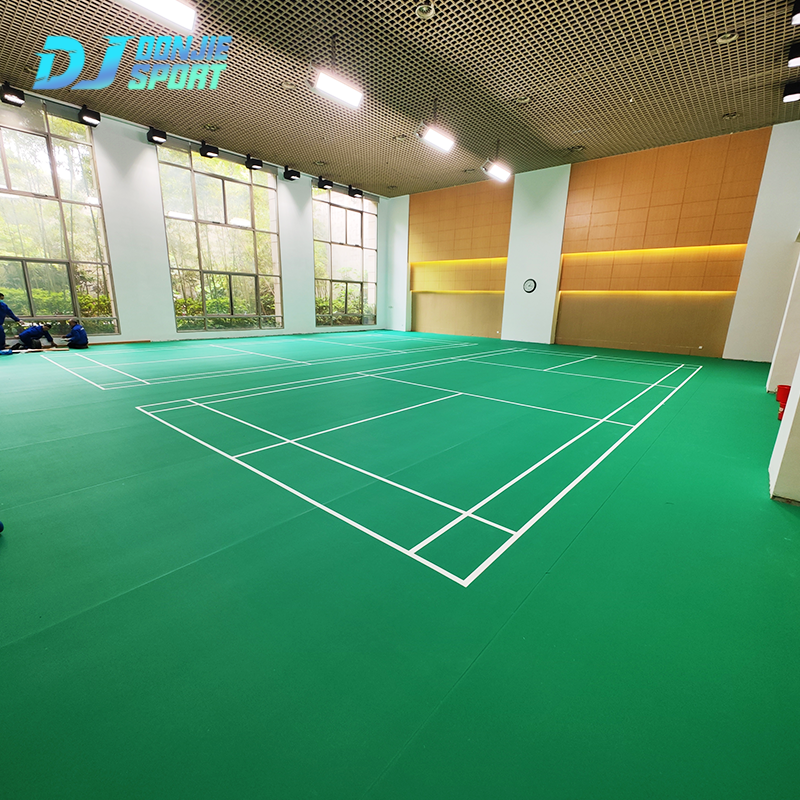
PVC flooring has grown in popularity due to its durability, affordability, and low maintenance requirements. It is particularly ideal for multi-purpose sports halls that host various activities. PVC flooring provides excellent shock absorption and good traction, making it a reliable option for sports like badminton, table tennis, and indoor soccer. Moreover, PVC is resistant to staining and wears well under high traffic, making it a practical choice for busy facilities. -
Rubber Flooring
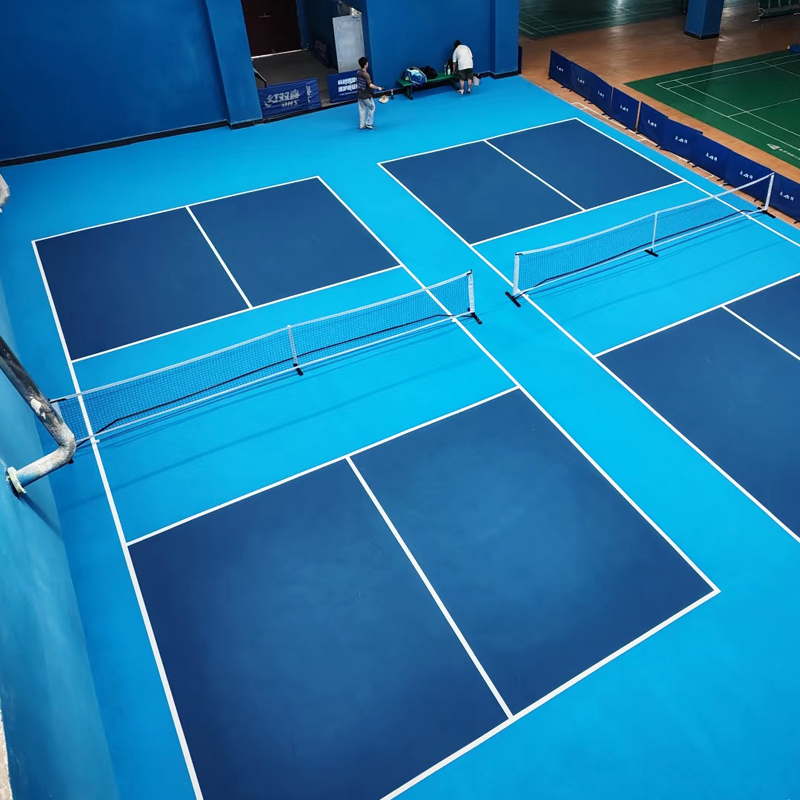
Rubber flooring is a strong contender for sports halls that see heavy use and high-impact activities. This type of flooring excels in shock absorption, making it ideal for gyms, fitness centers, and facilities where weight training or high-intensity workouts take place. The non-slip surface also provides excellent traction, ensuring athletes can move confidently. Rubber flooring is also highly durable and low-maintenance, although it may not offer the same aesthetic appeal as wood or PVC. -
Composite Flooring
Composite flooring combines various materials to provide the best of both worlds. It typically features a mixture of PVC, rubber, and other materials designed to optimize both performance and durability. This flooring type offers excellent shock absorption, traction, and durability, making it versatile enough for multi-sport facilities that need to accommodate a range of activities. Composite floors can also be engineered to offer a customizable appearance, allowing facility managers to choose colors and patterns that match the aesthetic of the venue.
How Flooring Influences Performance in Different Sports
The type of flooring chosen can affect the performance of athletes in specific sports. Let’s examine how different sports benefit from particular flooring features:
-
Basketball: The fast-paced nature of basketball requires a smooth, shock-absorbent floor that allows players to make rapid cuts and jumps without compromising safety. Wood flooring, often regarded as the gold standard for basketball courts, offers both smoothness and cushioning. The consistent surface also enhances ball bounce, ensuring a true game experience.
-
Badminton: Badminton requires quick, precise footwork. The floor needs to provide a non-slip surface while allowing players to glide across the court. PVC or rubber flooring, which offers both grip and slight elasticity, is ideal for badminton courts, as it supports fast lateral movements and minimizes the risk of injury.
-
Volleyball: Volleyball athletes require a floor that supports their jumping movements while providing cushioning for landings. Flooring with good shock absorption—such as wood or composite options—helps to reduce stress on the knees and ankles, allowing players to perform at their best while minimizing the risk of overuse injuries.
-
Multi-Sport Arenas: Sports halls that host multiple activities require versatile flooring solutions. A composite or PVC floor can cater to various sports, offering a balance of durability, comfort, and performance benefits. These flooring types can support everything from basketball to badminton, making them ideal for schools, community centers, and fitness clubs.
The Role of Maintenance in Ensuring Optimal Athlete Performance
Maintaining flooring in a sports hall is crucial to preserving its performance benefits. Regular cleaning and upkeep help to avoid the buildup of dirt, which can cause flooring surfaces to become slippery. Ensuring that the floor is level and free of damage also prevents tripping hazards, protecting athletes from potential injuries.
For specific materials like wood, periodic refinishing may be required to maintain the smoothness and traction of the surface. PVC and rubber flooring, while easier to maintain, still require routine cleaning to remove dust and debris that could reduce traction. A well-maintained floor will provide a consistent playing surface that supports optimal athlete performance over the long term.
Choosing the Right Flooring for Your Sports Hall
Choosing the right flooring is an investment that requires careful consideration. Factors such as the types of sports played, the expected frequency of use, and the budget will all play a role in determining the best flooring option for a particular facility.
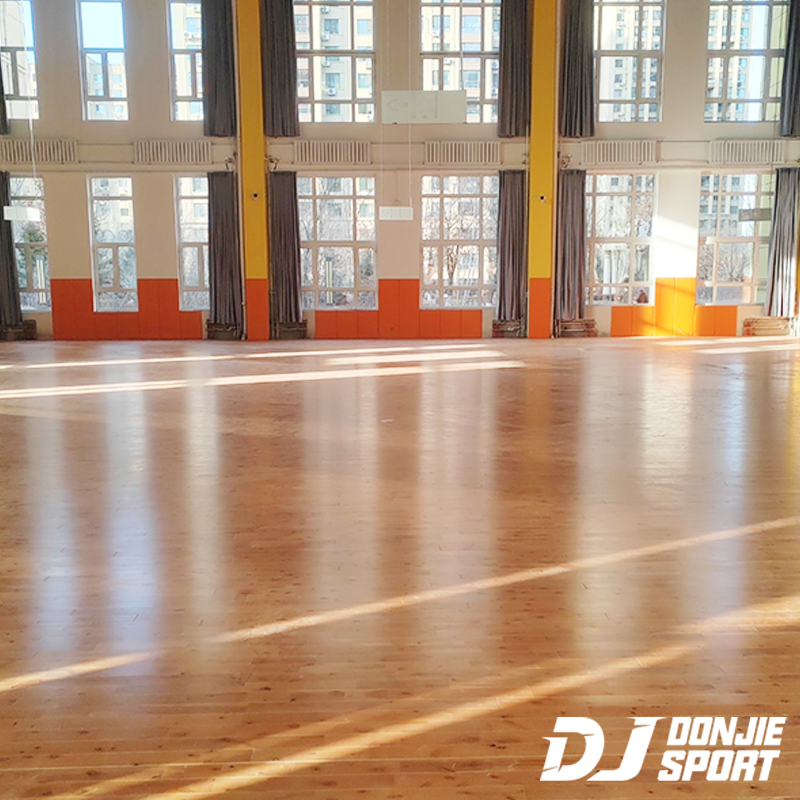
For example, a facility primarily used for basketball or volleyball may benefit from high-quality wood flooring due to its smoothness and shock absorption. In contrast, a multi-purpose facility might lean toward PVC or composite flooring to accommodate various sports while remaining cost-effective. Additionally, professional installation is crucial to ensuring that the flooring performs at its best and remains safe for athletes.
Enhancing Athlete Performance with the Right Flooring
In conclusion, the right flooring can have a significant impact on athlete performance in sports halls. From improving safety through shock absorption to providing the necessary traction for fast movements, the flooring choice can enhance gameplay and reduce the risk of injury. Whether it’s wood, PVC, rubber, or composite flooring, selecting the proper surface for your facility is essential for creating an environment where athletes can perform at their highest level. Investing in high-quality flooring is an investment in both performance and safety, ensuring that athletes can train and compete in the best possible conditions.