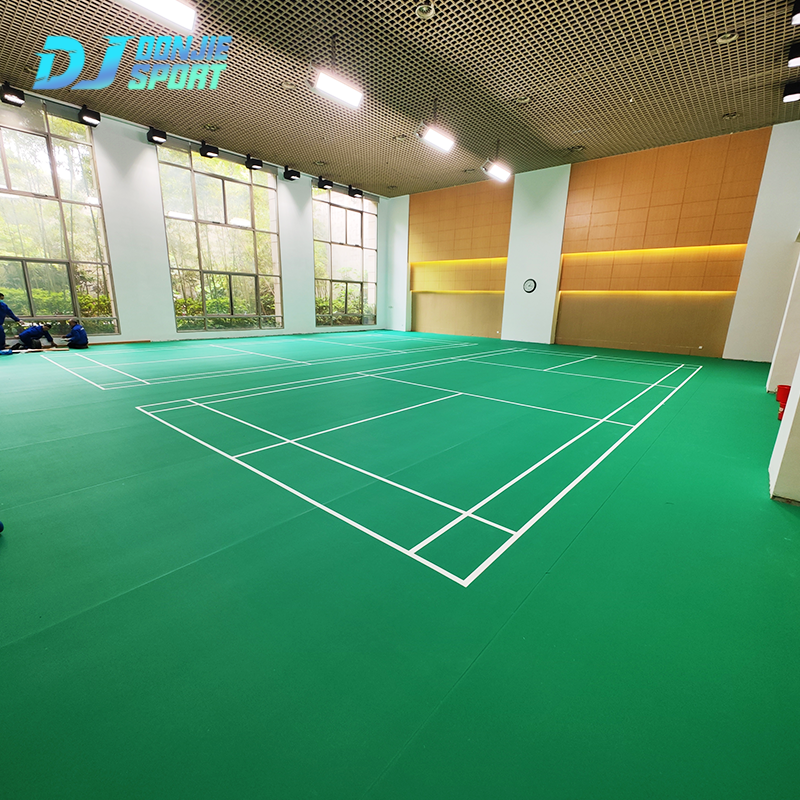
Multi-use sports halls are versatile spaces designed to accommodate a wide variety of activities, from basketball and volleyball to fitness classes and community events. Choosing the right flooring for these spaces is crucial, as it affects not only the safety and performance of athletes but also the durability and maintenance costs of the facility. In this article, we’ll explore the best flooring materials for multi-use sports halls and discuss key considerations to help you make an informed decision for your facility.
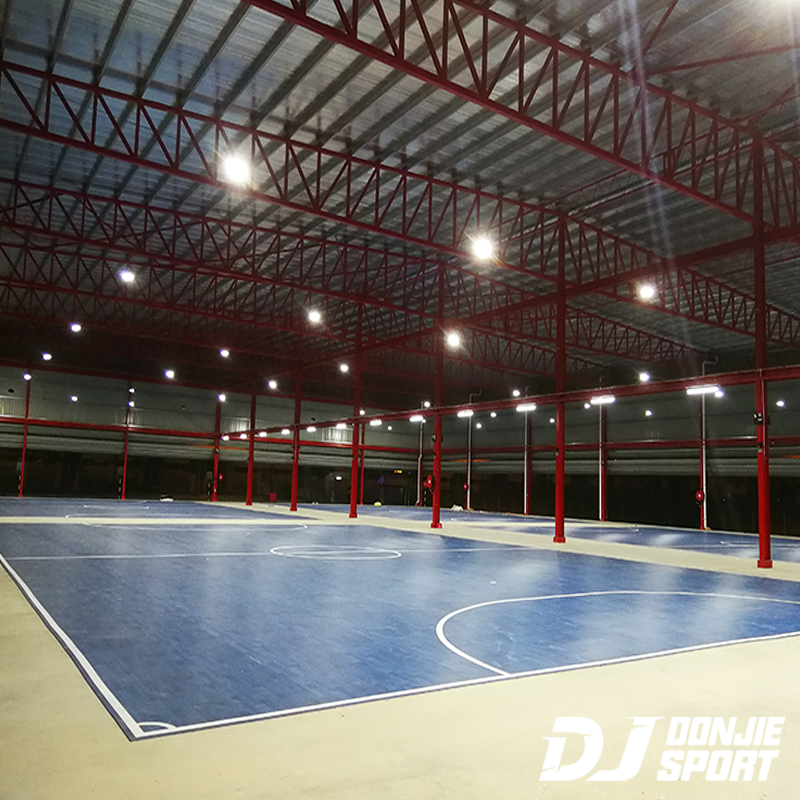
Why Flooring Matters in Multi-Use Sports Halls
Impact on Athlete Performance and Safety
The flooring in sports halls directly influences the performance and safety of athletes. For example, floors that offer proper shock absorption can reduce the risk of injuries, such as sprains or joint damage, during high-impact activities. Additionally, slip-resistance is critical in preventing accidents during fast-paced sports. The right flooring enhances grip, comfort, and overall player experience.
Durability and Maintenance Considerations
Sports halls are high-traffic areas, so the flooring material must withstand constant use. Durability is key for ensuring that the floor remains in good condition over time, especially in spaces that host multiple types of activities. Low-maintenance materials are essential for keeping costs down, as they require less frequent repairs and cleaning.
Key Factors to Consider When Choosing Flooring
Sport-Specific Requirements
Each sport has unique flooring requirements. For instance, basketball courts require floors that provide bounce and resilience, while gymnastics spaces need floors with cushioning to protect athletes. Consider the range of activities your sports hall will host and choose a material that can handle the demands of multiple sports.
Budget and Cost Efficiency
While premium flooring options like hardwood might be ideal for professional-level sports, they come with a higher upfront cost. Balancing your budget with the long-term benefits of the flooring material is important. Materials like PVC or vinyl may offer more cost-effective options without compromising performance and safety.
Aesthetic and Design Options
Aesthetics may not always be the top priority, but the visual appeal of the sports hall matters, especially for community spaces. The right flooring can enhance the overall look of the facility, with various color and design options available. Whether you want a sleek, modern finish or something more vibrant, flooring can play a significant role in setting the tone of the space.
The Best Flooring Materials for Sports Halls
PVC Sports Flooring
PVC flooring is one of the most popular choices for multi-use sports halls due to its versatility, durability, and ease of maintenance. It is highly slip-resistant, provides excellent shock absorption, and comes in a range of colors and designs to match your facility’s aesthetic. PVC flooring is also resistant to wear and tear, making it ideal for busy facilities with high traffic. Its installation is relatively easy and cost-effective compared to other materials.
Wooden Sports Flooring
Wooden flooring is a premium option commonly used in high-end sports facilities and gymnasiums. It offers a classic, elegant appearance and is especially suitable for sports like basketball, volleyball, and indoor tennis. Wooden floors provide a natural bounce that is favored by many athletes for its consistent performance. However, they require regular maintenance to avoid damage from moisture and wear.
Rubber Flooring
Rubber flooring is an excellent choice for areas where cushioning and shock absorption are needed. It’s ideal for fitness and training spaces where heavy equipment might be used, as well as for areas where athletes perform activities that involve a lot of impact. Rubber flooring is highly durable and resistant to damage, making it a long-lasting option for multi-use sports halls. Additionally, it is easy to clean and maintain.
Vinyl and Linoleum Flooring
Vinyl and linoleum are highly durable, budget-friendly flooring options that are often chosen for multi-use sports halls. These materials offer excellent slip resistance and comfort, making them suitable for a variety of activities, from aerobics and fitness classes to recreational sports. Vinyl and linoleum flooring are also easy to maintain and come in a variety of designs and colors to suit different facility aesthetics.
Polypropylene (PP) Interlocking Tiles
Polypropylene interlocking tiles are modular flooring systems that can be easily installed and rearranged. They are a great option for facilities that need flexibility in their sports hall layouts. PP tiles provide excellent shock absorption and comfort while being easy to maintain. They are also a great choice for outdoor courts or multi-sport arenas where the flooring may need to be replaced or adjusted frequently.
Comparing Flooring Options: Which is Right for Your Facility?
Cost vs. Durability
Each flooring material has its own cost and durability profile. PVC and vinyl flooring offer excellent value for money, providing long-lasting performance at a lower cost. On the other hand, wooden floors, while more expensive, offer superior performance and aesthetic appeal. When comparing options, consider the long-term cost savings and performance characteristics of each material.
Performance Characteristics
Different flooring materials offer varying levels of support for athlete performance. For example, wooden floors provide a natural bounce, which is perfect for basketball, while rubber floors offer superior shock absorption for fitness centers. It’s essential to choose flooring that aligns with the primary sports and activities in your facility.
Maintenance and Longevity
Flooring materials like PVC and rubber are generally low-maintenance and have a long lifespan, making them ideal for busy sports halls. Wooden floors, while high-performing, require more maintenance to ensure they remain in good condition. Vinyl and linoleum floors offer a good balance between affordability and durability, making them a popular choice for many sports facilities.
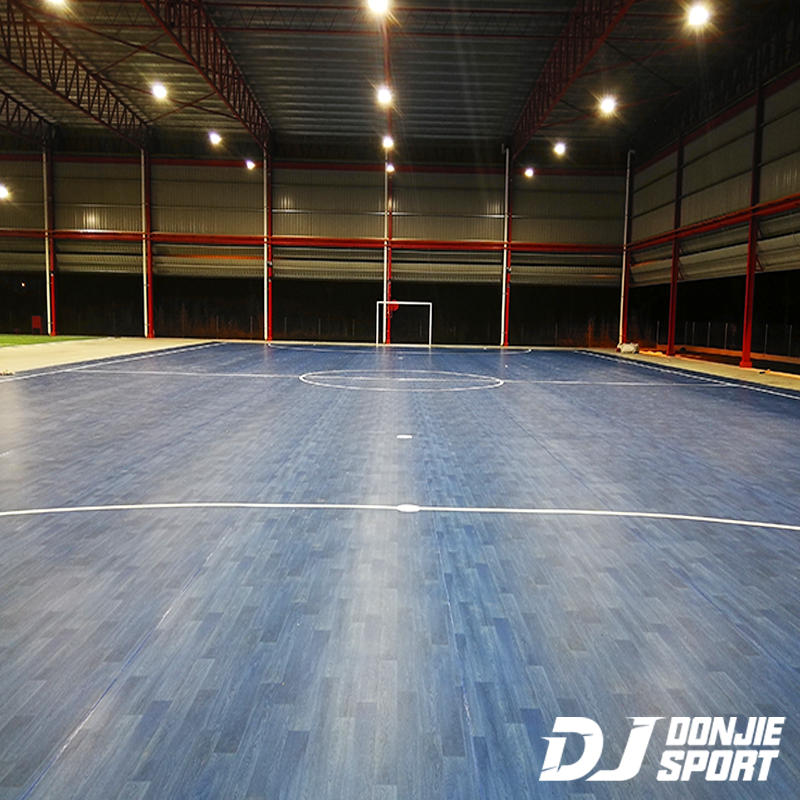
Installation Tips and Considerations
Professional Installation vs. DIY
While some types of flooring, such as PP interlocking tiles, can be easily installed by DIY enthusiasts, other materials, like hardwood or PVC, require professional installation to ensure proper setup and long-term performance. Hiring a professional contractor ensures that the flooring is installed correctly, minimizing future issues like warping or uneven surfaces.
Preparing the Subfloor
Proper subfloor preparation is critical for ensuring the longevity of your sports hall flooring. A smooth, level subfloor helps prevent damage to the flooring and ensures that it performs optimally. Professional installation teams will take care of subfloor preparation, but if you’re installing the flooring yourself, make sure to follow manufacturer guidelines for preparing the surface.
Choosing the Best Flooring for Your Sports Hall
Selecting the best flooring material for your multi-use sports hall involves balancing performance, cost, and maintenance requirements. PVC and rubber flooring are excellent choices for durability and low maintenance, while wooden floors provide superior performance for specific sports like basketball. Vinyl, linoleum, and PP tiles offer flexibility and cost-effectiveness for a variety of activities. Consider your facility’s specific needs, budget, and aesthetic preferences to find the perfect flooring solution for your sports hall.