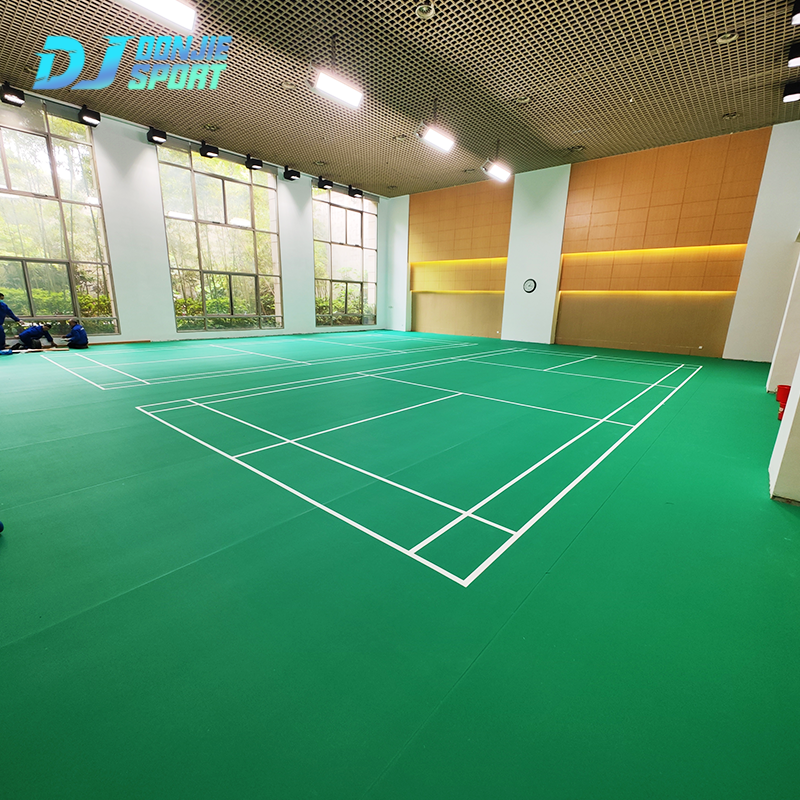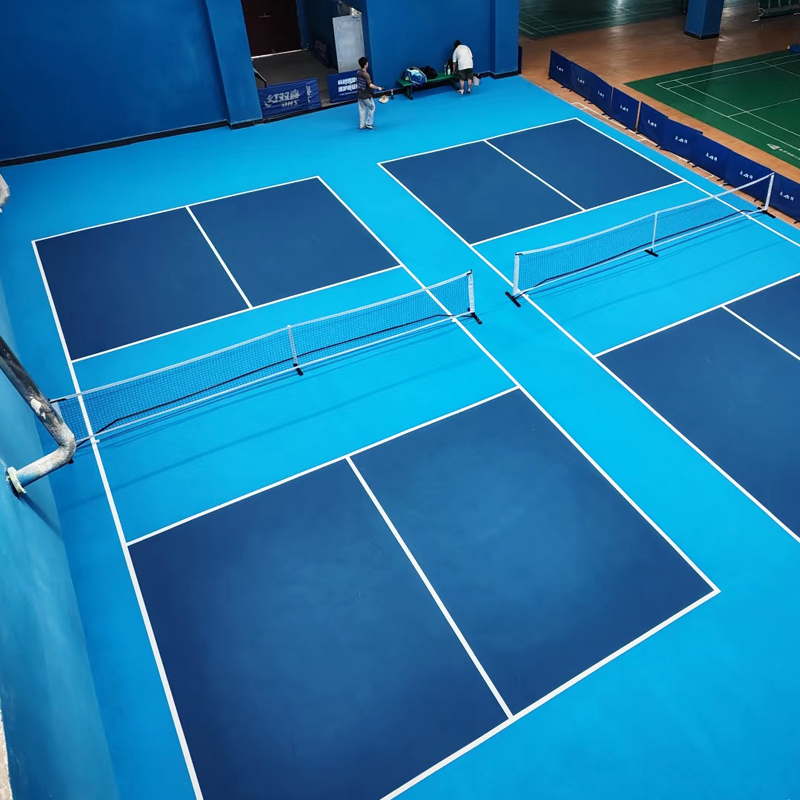
When it comes to designing a sports hall, the choice of flooring goes beyond functionality. It plays a crucial role in shaping the overall aesthetic of your facility. The flooring sets the tone for the environment, influencing not only how athletes perform but also how visitors perceive the space. Whether it’s a professional sports venue, a school gymnasium, or a recreational facility, the right flooring can enhance the overall atmosphere, creating a dynamic, welcoming, and professional look. In this article, we’ll explore how sports hall flooring affects the aesthetic appeal of your facility and the key factors to consider when choosing the right option.

The Role of Flooring in Shaping First Impressions
The moment anyone enters a sports hall, one of the first things they notice is the flooring. Whether it’s a spectator admiring the space or an athlete preparing for a game, the quality and design of the flooring create a lasting impression. A well-designed floor can instantly elevate the entire look of a sports hall, conveying professionalism and attention to detail.
For example, a high-quality PVC sports flooring with a sleek, polished finish can give a modern and sophisticated feel to the space. Conversely, worn-out or mismatched flooring can make the facility appear outdated, which may affect both the perception of the venue and the overall experience of users.
Furthermore, flooring often acts as a key design element in the branding of sports facilities. Logos, color schemes, and patterns incorporated into the floor can enhance the facility’s identity and make the space stand out.
Material Choices and Their Visual Impact
The material chosen for sports hall flooring significantly influences the overall visual appeal of the facility. Each type of flooring material offers its own unique aesthetic properties, which can be leveraged to create the desired atmosphere.
-
PVC Flooring: PVC is widely used for its durability and versatility, but it also offers a wide range of colors, patterns, and finishes. A matte finish or high-gloss coating can provide a modern, sleek look, while a textured surface can add depth and dimension to the floor design.
-
Rubber Flooring: Rubber is often used for multi-purpose sports halls due to its sound-dampening properties. It also provides a unique visual appeal, with textured patterns or solid color options that can complement the surrounding decor.
-
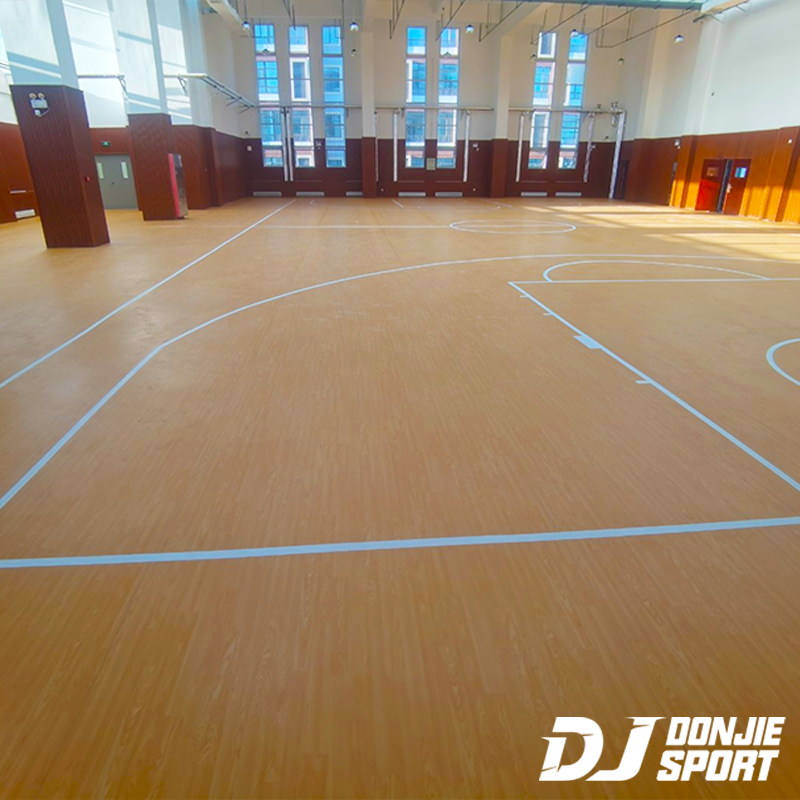
Wood Flooring: Wood, particularly maple or oak, provides a classic and elegant aesthetic. It’s a popular choice for basketball courts and other indoor sports due to its timeless appeal and natural warmth. A wooden floor can bring an organic touch to the facility, making it feel more inviting and cozy.
Color and Design: Setting the Tone for the Facility
Color plays an important role in setting the tone for any space, and sports halls are no exception. Flooring color choices can impact mood, energy levels, and even performance. For example:
-
Warm tones such as red, orange, or yellow can stimulate energy and create an active, high-energy environment—ideal for competitive sports.
-
Cool tones like blue and green evoke calmness and focus, which may be more appropriate for areas intended for yoga, fitness classes, or rehabilitation.
Moreover, the color of the flooring can be used to harmonize with other elements of the sports hall’s design. Coordinating the color of the floor with the walls, seating, and branding elements ensures a cohesive look that enhances the overall visual experience. Popular designs like chequered patterns, custom logos, or a combination of complementary colors can give your sports hall a distinct and memorable identity.
The Functionality-Aesthetics Balance
While aesthetics are crucial, sports hall flooring must also prioritize functionality. The best flooring solutions strike a balance between visual appeal and performance requirements. For instance, flooring for sports halls must be durable, slip-resistant, and shock-absorbent, ensuring safety for athletes.
-
Durability: High-traffic areas in sports halls require flooring materials that can withstand heavy use and physical impact. PVC and rubber flooring, for instance, are designed to resist wear and tear while maintaining their appearance for years.
-
Slip Resistance: Aesthetically pleasing floors need to be safe, particularly in sports environments. Textured finishes or non-slip coatings are essential for preventing accidents, ensuring that the flooring serves both functional and aesthetic purposes.
Custom flooring designs allow for flexibility in both style and function, offering solutions that not only enhance the appearance of the space but also meet specific safety and durability needs.
Flooring Maintenance and Its Effect on Aesthetics
The longevity and appearance of sports hall flooring depend heavily on its maintenance. Over time, even the best flooring materials can begin to show signs of wear if not properly cared for. Keeping your sports hall flooring in pristine condition is crucial to maintaining its aesthetic appeal.
-
Routine Cleaning: Regular cleaning and upkeep ensure that the flooring retains its shine and vibrancy. For example, PVC and rubber floors can be cleaned with simple soap and water, while wood floors may require more specific care to prevent scratches and maintain their finish.
-
Repairs: Over time, even durable flooring may need repairs, particularly if it experiences high traffic. Addressing small issues like scratches or dents promptly ensures that the floor maintains its professional appearance.
Flooring as a Reflection of the Facility’s Values
The choice of flooring can also reflect the values of the facility. High-end flooring materials, such as premium hardwood or specialized sports surfaces, may indicate a commitment to quality and an upscale experience for athletes and visitors. On the other hand, budget-friendly options may be more practical for smaller, community-based sports halls but still offer sufficient visual appeal when selected thoughtfully.
Investing in quality flooring shows a commitment to providing an exceptional experience for users. It demonstrates that the facility cares about both aesthetics and performance, ensuring that the environment is both functional and visually appealing.
Conclusion:
The impact of sports hall flooring on the overall aesthetic of your facility cannot be overstated. It plays a central role in creating an inviting, professional atmosphere that enhances the experience of athletes, visitors, and staff alike. From material choices and color design to functionality and maintenance, every element of the flooring contributes to the facility’s visual appeal. By choosing the right flooring, sports halls can create a space that is not only practical but also visually striking, helping to elevate the identity of the venue.