When it comes to table tennis, every detail can affect a player’s performance, from paddle quality to ball selection. However, one often overlooked element is the flooring beneath a player’s feet. Table Tennis Floor Mats are specifically designed to create an optimal playing environment, offering enhanced grip, cushioning, and durability. Investing in quality mats not only improves performance but also protects players from injury and fatigue, making them essential for both professional training halls and recreational setups. In this article, we will explore why Table Tennis Floor Mats matter, how they impact gameplay, and how to choose and maintain the right flooring for your facility.
Understanding Table Tennis Floor Mats
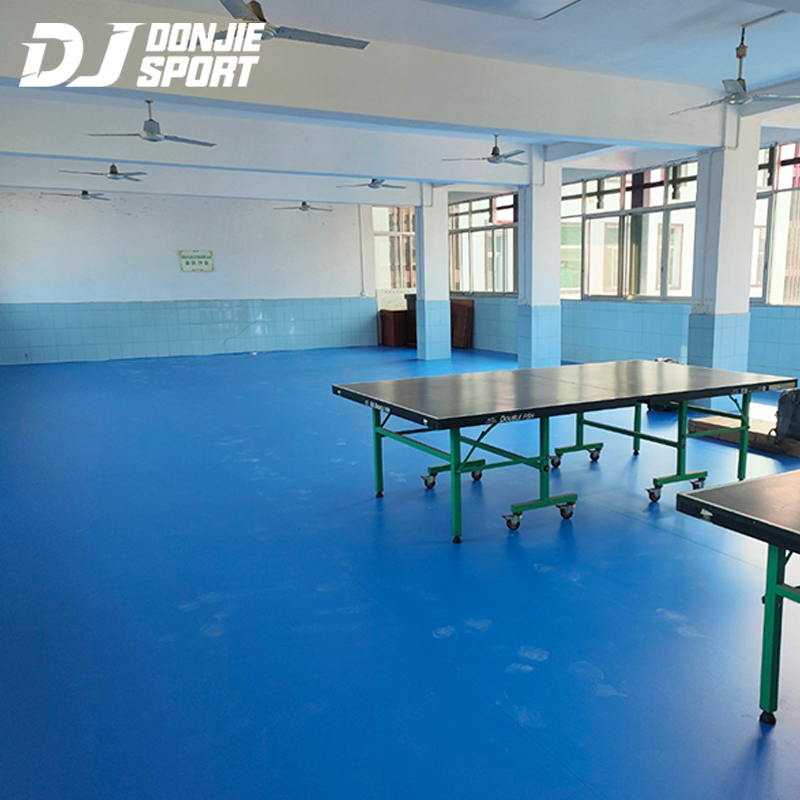
Table Tennis Floor Mats are specialized surfaces designed to meet the unique requirements of the sport. Unlike general-purpose floors, these mats are engineered to provide consistent bounce for quick reflexes, excellent traction for rapid footwork, and sufficient cushioning to reduce stress on joints. They are commonly made from high-quality materials such as PVC, rubber, or polyurethane, each offering a balance of durability and flexibility. Choosing the correct material can significantly affect a player’s control and agility, especially during intense matches where split-second movements determine outcomes.
Enhancing Player Performance
The right Table Tennis Floor Mats can dramatically enhance a player’s performance. Proper flooring improves stability and balance, allowing players to execute swift lateral movements and sudden direction changes without slipping. Mats with high traction help maintain posture during fast rallies, while cushioned surfaces reduce fatigue by absorbing shock and minimizing strain on the legs and lower back. For competitive players, even minor improvements in footwork and reaction time provided by quality flooring can translate into measurable advantages during matches.
Safety and Injury Prevention
Safety is a critical consideration in table tennis, and quality floor mats play a pivotal role in injury prevention. The cushioned surfaces of premium mats absorb impact, protecting knees, ankles, and lower back from the repetitive stress associated with frequent jumps and lunges. Anti-slip coatings reduce the risk of falls, while uniform surfaces prevent uneven footing that can lead to sprains. By minimizing the physical toll of practice sessions, Table Tennis Floor Mats ensure that players can train longer and more safely, maintaining peak performance without compromising health.
Comfort and Player Experience
Comfort is often underestimated but is essential for a positive playing experience. High-quality Table Tennis Floor Mats provide a soft yet responsive surface, reducing pressure on the feet and legs during prolonged sessions. This cushioning not only improves physical comfort but also contributes to mental focus, allowing players to concentrate on technique and strategy rather than discomfort. Well-designed mats create a professional feel, enhancing the overall ambiance of training halls and recreational spaces alike.
Installation and Maintenance of Table Tennis Floor Mats
Installing Table Tennis Floor Mats correctly is crucial to maximizing their benefits. Mats should be laid on clean, dry surfaces, with interlocking edges or adhesive solutions ensuring a flat, continuous playing area. Regular maintenance, including cleaning with mild detergents and avoiding harsh chemicals, prolongs mat lifespan and preserves traction. Rotating mats periodically or using protective underlays in high-traffic areas can prevent uneven wear, keeping the flooring consistent and reliable for every player.
Choosing the Right Table Tennis Floor Mat for Your Needs
Selecting the right mat involves considering factors such as material type, thickness, and intended usage. PVC mats offer excellent durability and easy maintenance, while rubber mats provide superior cushioning for joint protection. Thickness impacts shock absorption, with 6–10 mm generally preferred for professional play. Indoor vs. outdoor settings also influence choice, as outdoor mats require additional UV and moisture resistance. Evaluating these features against budget constraints helps players and facility managers invest wisely, ensuring long-term performance and safety.
Conclusion
Table Tennis Floor Mats are more than just a surface—they are a fundamental component of player performance, safety, and comfort. By providing stability, shock absorption, and optimal traction, these mats enable players to train and compete at their best while reducing the risk of injury. Choosing the right mat, installing it properly, and maintaining it consistently ensures that every session is productive, enjoyable, and safe. Whether for professional halls or personal use, investing in high-quality Table Tennis Floor Mats is a decision that enhances gameplay and protects players for years to come.