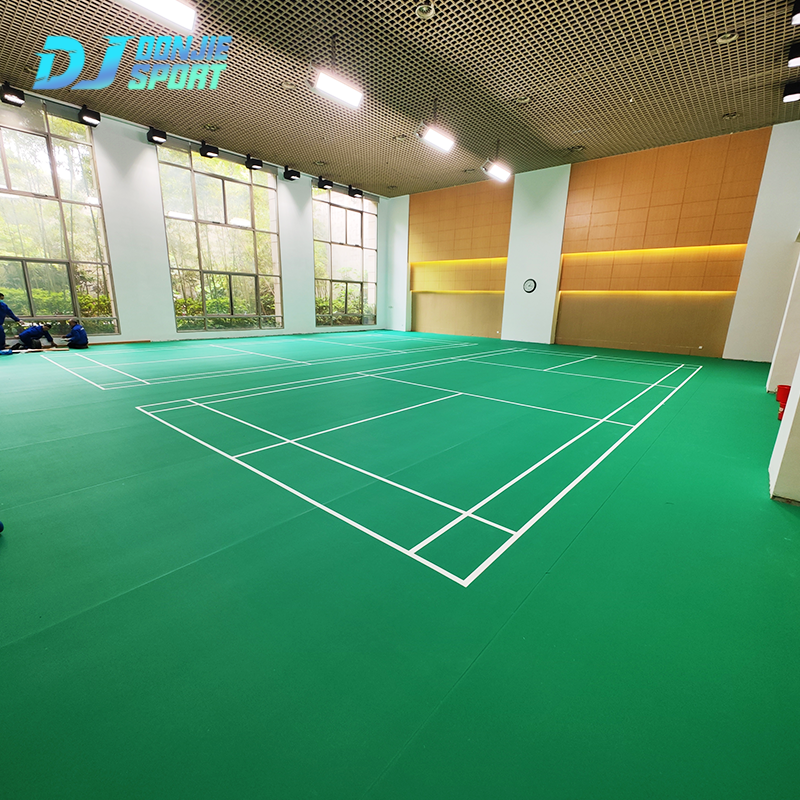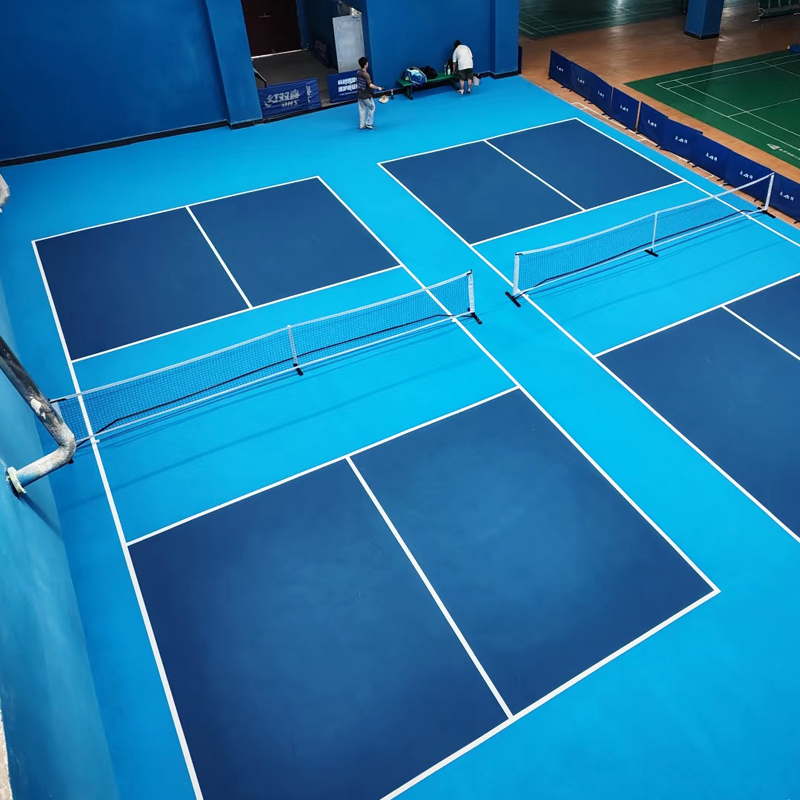
Selecting the right table tennis flooring is one of the most crucial decisions for players aiming to improve their game. The flooring beneath your feet directly affects movement, stability, and overall performance. A high-quality playing surface ensures consistent ball bounce, reduces the risk of injuries, and provides the optimal grip and cushioning needed for rapid footwork. Whether you are playing in a home setup, a community sports hall, or a professional training facility, investing in the proper table tennis flooring can elevate your training experience and match performance. This article will explore the types of flooring available, their impact on player performance, and essential installation and maintenance practices.

Understanding Table Tennis Flooring
High-quality table tennis flooring is specifically designed to balance durability, shock absorption, and grip. Unlike standard flooring, it is engineered to reduce fatigue and prevent slips during quick movements. Indoor table tennis flooring typically utilizes materials such as PVC, rubber, and specialized sports wood composites. PVC sports flooring is popular for its durability, easy maintenance, and uniform surface, which ensures consistent bounce and predictable gameplay. Wood flooring provides a more traditional feel with natural cushioning, preferred by many professional facilities. Thickness plays a key role in performance; flooring that is too thin may fail to absorb shocks, increasing joint strain, while overly thick surfaces can slow down footwork. The right surface grip is essential: it allows players to pivot, lunge, and move quickly without risking slips or injuries. Understanding these material properties is critical for anyone serious about improving their game.
The Impact of Flooring on Player Performance
The type of table tennis flooring you choose can dramatically influence your gameplay. Proper flooring enhances agility and footwork, allowing players to execute rapid lateral movements and sudden direction changes effortlessly. Shock-absorbing surfaces help prevent common injuries such as ankle sprains, knee strain, and lower back pain. Consistent ball bounce is another critical factor: uneven or low-quality surfaces can lead to unpredictable ball behavior, disrupting timing and shot accuracy. Professional players and training facilities often select flooring based on extensive performance testing, emphasizing surfaces that combine comfort with responsiveness. Investing in high-quality table tennis flooring is not merely aesthetic—it directly contributes to skill improvement and reduces physical strain during extended practice sessions.
Choosing the Right Flooring for Your Table Tennis Space
When selecting table tennis flooring for your facility, several factors need consideration. For indoor spaces, choose flooring that provides proper cushioning, uniform grip, and minimal maintenance requirements. Residential setups may prioritize easy installation and durability, whereas professional facilities require performance-certified surfaces that meet international standards. Budget is also a consideration: while high-end PVC and engineered wood flooring may come at a premium, the benefits in performance, longevity, and player safety justify the investment. Always check for certifications such as ITTF-approved surfaces or other quality standards that guarantee consistent ball behavior and safety compliance. Matching the flooring type to your specific playing environment ensures optimal gameplay and long-term satisfaction.
Installation and Maintenance of Table Tennis Flooring
Proper installation of table tennis flooring is essential to maximize its benefits. Surfaces should be laid on a clean, level subfloor, with careful attention to joining seams and edges to prevent uneven areas that could disrupt play. Daily maintenance includes regular sweeping or vacuuming to remove dust and debris, while weekly cleaning with a damp mop using mild, non-abrasive cleaners preserves surface integrity. Avoid harsh chemicals that can degrade the flooring material or reduce grip. Over time, routine inspections for wear, scratches, or uneven areas are crucial to maintain a consistent playing surface. Correct installation and diligent maintenance ensure that your table tennis flooring remains a safe, high-performance environment for years.
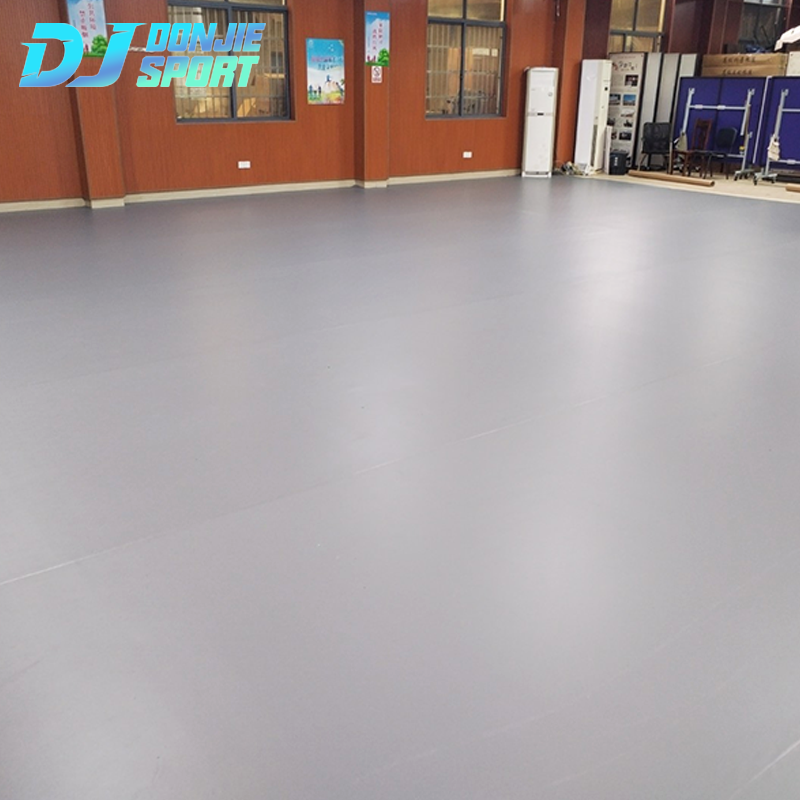
Innovative Flooring Options for Modern Table Tennis Players
Modern innovations in table tennis flooring provide players with enhanced performance and comfort. PVC and synthetic sports flooring now offer anti-slip coatings, superior shock absorption, and improved ball rebound properties. Eco-friendly options are becoming increasingly popular, with recycled materials and sustainable production methods reducing environmental impact. Technological enhancements, such as modular interlocking tiles, allow for easy installation, relocation, and customization of training spaces. These innovations not only improve player comfort but also contribute to long-term durability and consistent performance, making them ideal for both competitive players and recreational enthusiasts.
Conclusion
Choosing the right table tennis flooring is more than a design choice—it is a strategic investment in your gameplay, comfort, and safety. High-quality flooring enhances footwork, provides consistent ball bounce, prevents injuries, and supports long-term skill development. By understanding material options, evaluating performance needs, and implementing proper installation and maintenance practices, players and facility managers can create optimal environments for training and competition. Whether you are upgrading a home setup or outfitting a professional sports hall, selecting the right table tennis flooring is essential for achieving your full potential on the court.