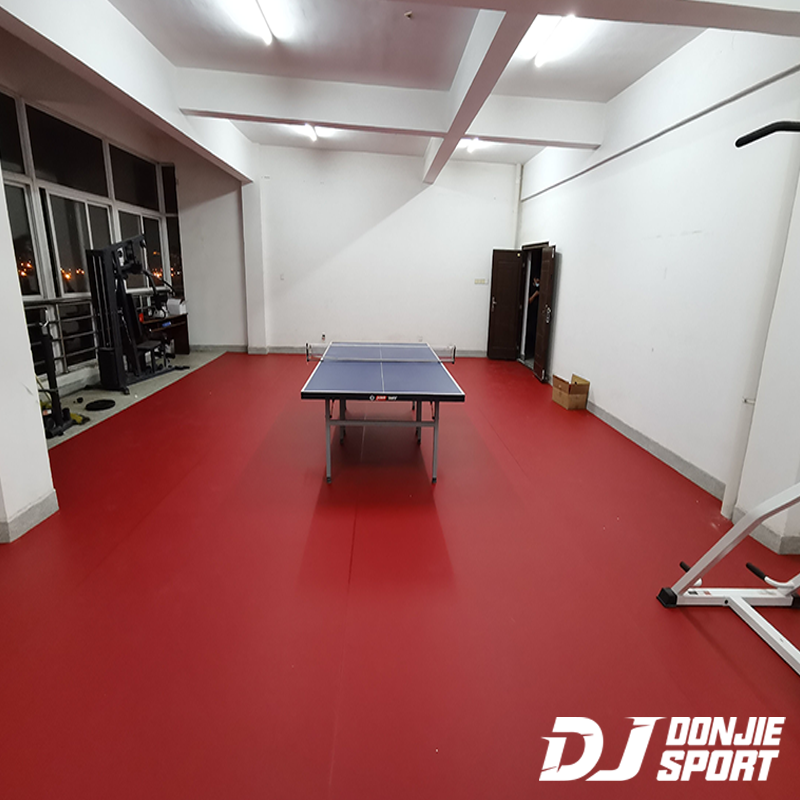
Selecting the right Table Tennis Flooring is crucial for players of all levels. The quality of your flooring not only affects your performance but also impacts safety, comfort, and the longevity of your court. Many players and facility owners overlook the importance of understanding Table Tennis Flooring Price, often opting for cheaper solutions that compromise long-term value. This article will break down the key factors influencing flooring cost, help you evaluate investment-worthy options, and provide guidance on making smart choices for both home and professional setups.
Understanding the Factors That Influence Table Tennis Flooring Price
The cost of Table Tennis Flooring is determined by several critical factors:
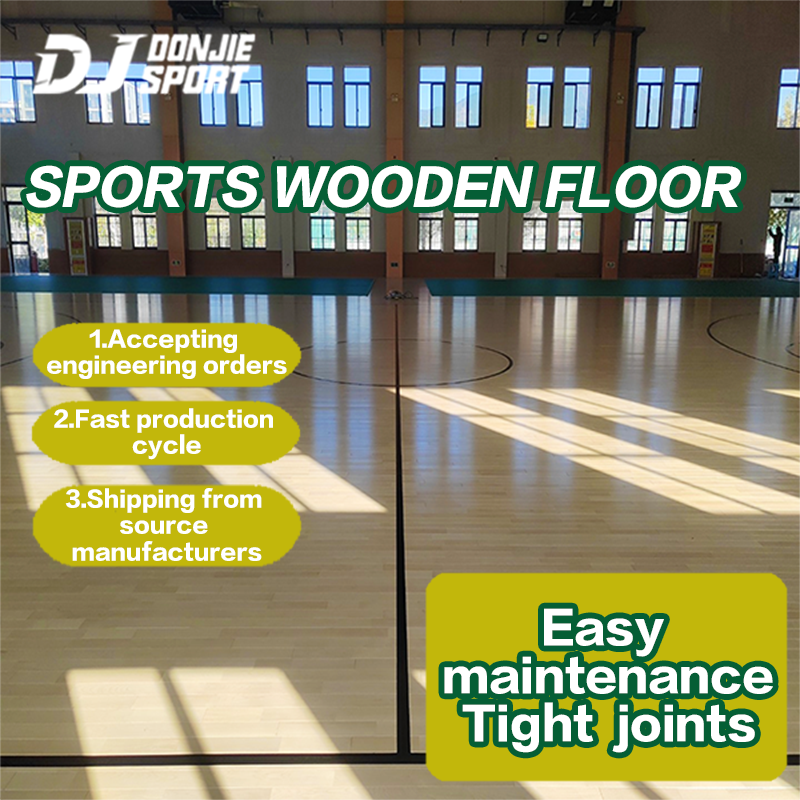
Material Types: Premium table tennis floors typically use high-quality PVC, vinyl, or specialized sports mats. Each material offers distinct advantages. PVC and vinyl provide excellent shock absorption and durability, while hardwood options are preferred for elite competitions due to their consistent bounce and natural feel.
Thickness and Cushioning: Flooring thickness directly impacts comfort and injury prevention. Thicker floors with built-in cushioning systems are more expensive but reduce strain on joints and improve player agility.
Surface Finish and Traction: Flooring designed for professional play includes optimized surface finishes for grip and ball response. High-traction finishes increase cost but enhance gameplay, especially during fast-paced matches.
Brand and Manufacturer Reputation: Flooring from reputable manufacturers often carries higher prices due to quality assurance, tested performance, and warranties. Investing in a trusted brand minimizes the risk of premature wear and ensures long-term satisfaction.
Customization Options: Custom courts with logos, specific colors, or specialized markings can increase the Table Tennis Flooring Price. These options are ideal for clubs and professional venues seeking a branded appearance.
Comparing Costs: Residential vs Professional Table Tennis Flooring
The type of setup you require heavily influences cost:
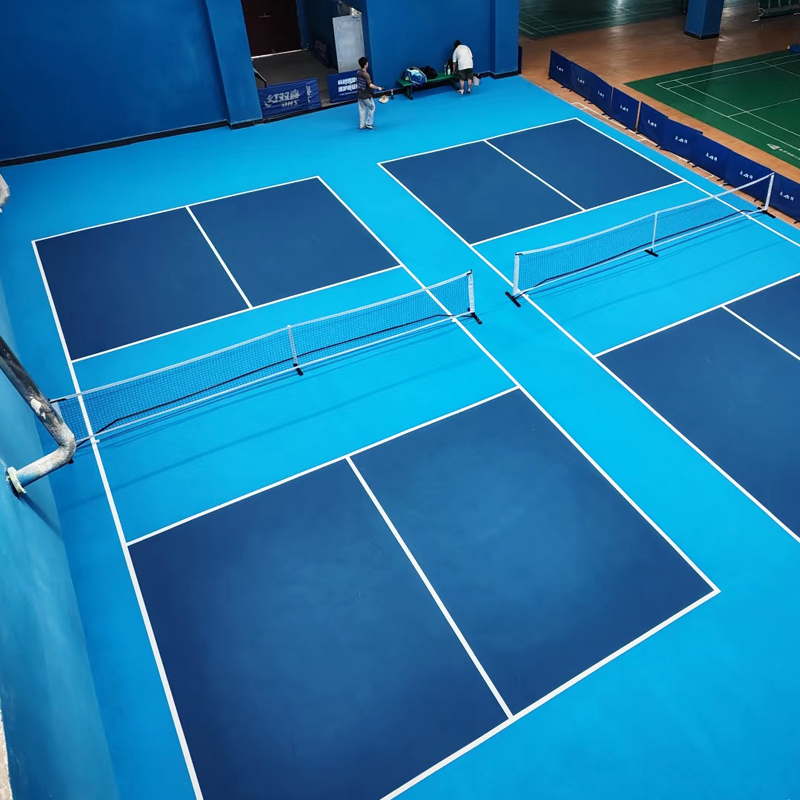
Home and Recreational Flooring: Standard home-grade mats or interlocking PVC tiles range from affordable to mid-tier pricing. They provide adequate cushioning and durability for casual play but may not withstand frequent high-intensity use.
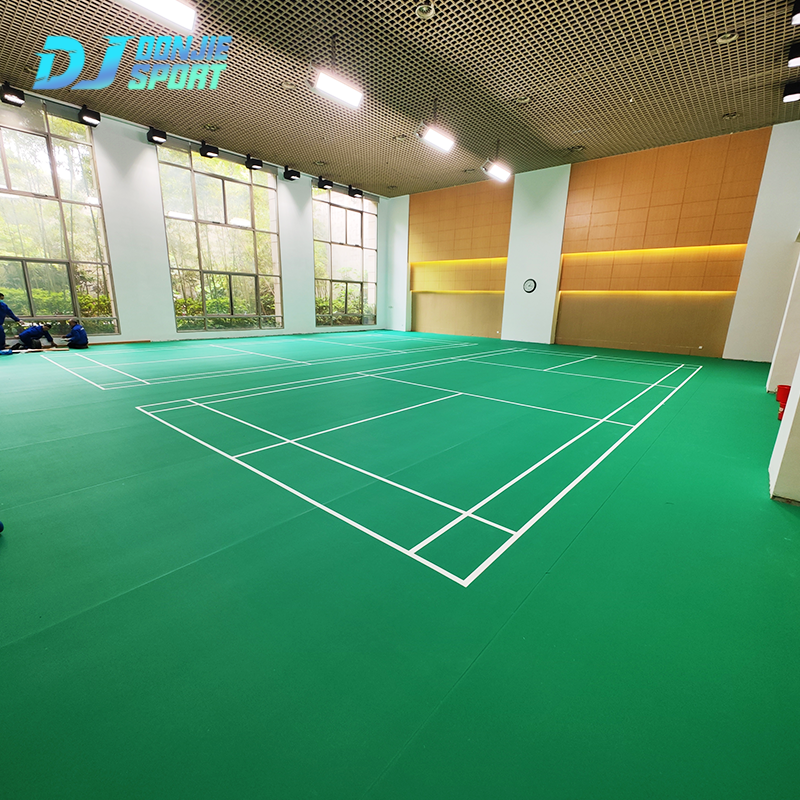
Professional and Club-Grade Flooring: High-end PVC or vinyl sports flooring designed for clubs and tournaments can be significantly more expensive. These options offer superior shock absorption, consistent ball bounce, and enhanced durability to endure heavy usage.
Additional Costs: Beyond the flooring itself, consider underlayment, adhesives, and installation fees, which contribute to the overall investment.
Breaking Down Installation Costs
Installation can account for a substantial portion of the total Table Tennis Flooring Price:
DIY Installation vs Professional Installation: Some mats and interlocking tiles are designed for DIY installation, keeping costs low. Professional-grade flooring often requires expert installation to ensure surface levelness, proper alignment, and optimal performance, which increases initial expenses.
Equipment and Preparation Costs: Subfloor preparation, moisture barriers, and leveling materials are additional considerations that can influence the final cost.
Impact on Value and Longevity: Correct installation ensures maximum lifespan and performance. Cutting corners during installation may reduce upfront costs but can lead to frequent repairs and replacements.
Longevity and Maintenance: Hidden Costs of Cheap Flooring
Opting for budget flooring may save money initially but can incur hidden costs over time:
Durability Differences: High-quality table tennis floors are designed to withstand years of intense use. Cheaper alternatives often wear out quickly, leading to additional replacements.
Maintenance Requirements: Premium floors require minimal upkeep and are resistant to scratches, moisture, and warping. Budget options may need frequent cleaning, repairs, or refinishing.
Replacement Frequency and Total Lifecycle Cost: When assessing Table Tennis Flooring Price, consider long-term expenses. Investing in durable flooring can significantly reduce the total cost of ownership over time.
Assessing the Best Value for Your Investment
To maximize your investment, consider these strategies:
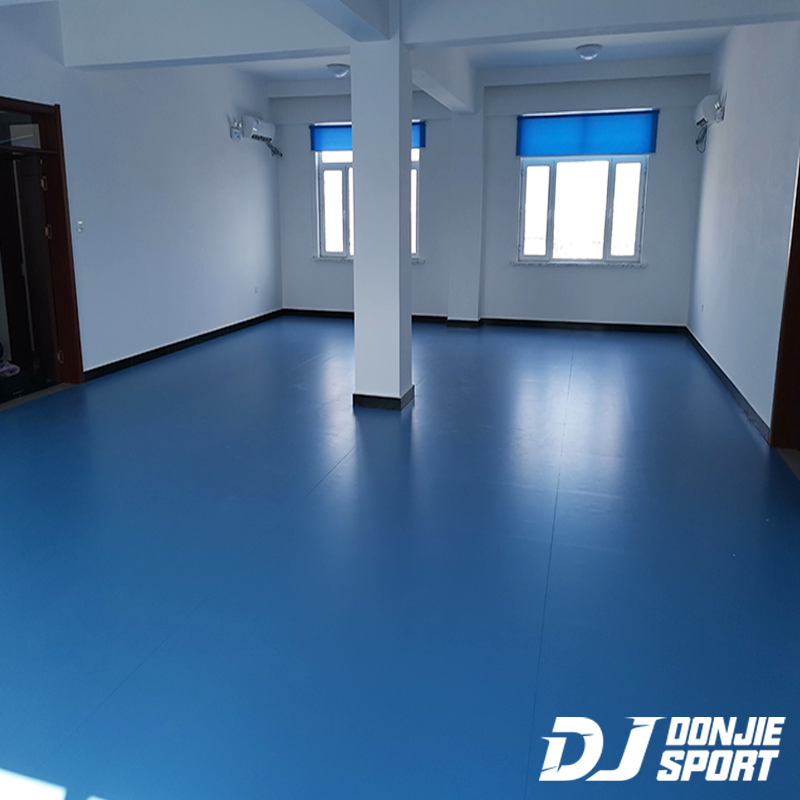
Evaluate Cost vs Performance: Higher-priced flooring often delivers better performance, safety, and comfort. Assess your playing frequency and intensity to determine the level of quality needed.
Choose Flooring for Specific Needs: Recreational players may prioritize affordability and ease of installation, while professional venues should focus on durability, traction, and compliance with official standards.
Tips for Smart Investment: Research manufacturers, read reviews, and compare options. Don’t compromise on essential features such as cushioning, grip, and shock absorption, as these directly impact player performance and safety.
Conclusion
Understanding Table Tennis Flooring Price involves more than comparing numbers. Consider materials, cushioning, surface finish, brand reputation, and installation quality to make an informed decision. While cheaper options may seem appealing, premium flooring often provides better performance, longevity, and safety, making it a worthwhile investment. Whether setting up a home court or a professional facility, prioritizing quality over cost ensures optimal gameplay and long-term satisfaction.