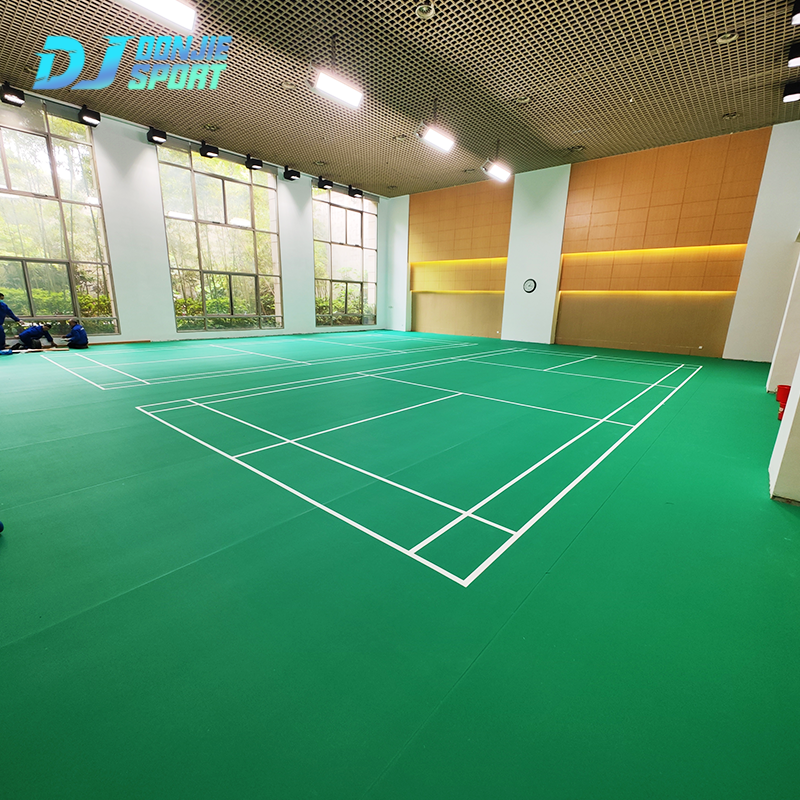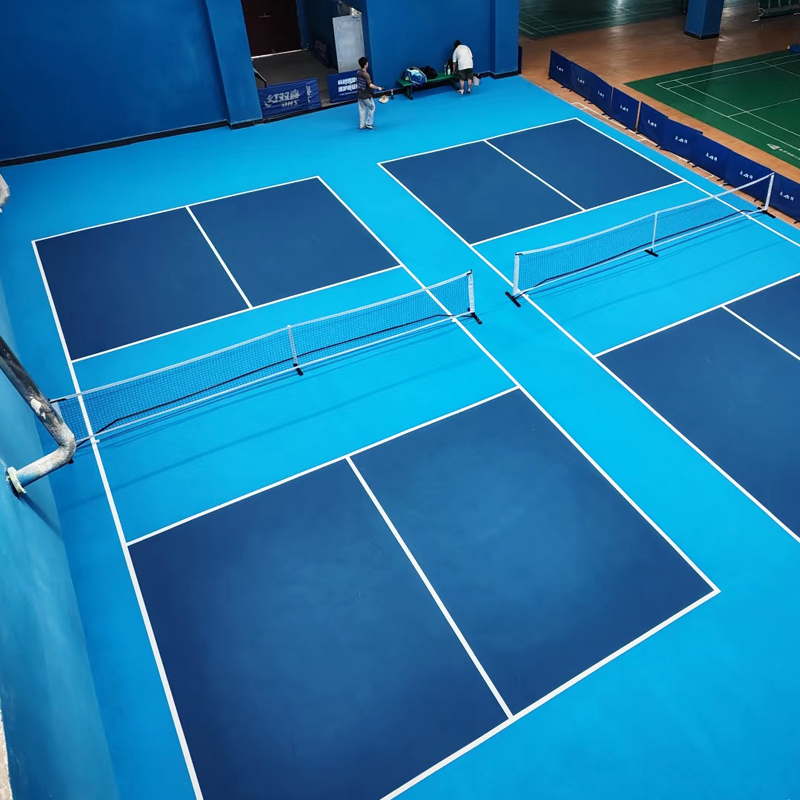
In any sport, the equipment you use can significantly impact your performance, and table tennis is no different. Whether you’re a professional or a recreational player, your choice of flooring can make a world of difference. If you’re still using the wrong floor mat, you might not even realize how much it’s hindering your game. The right Table Tennis Floor Mat plays a crucial role in providing consistent ball bounce, traction, and player comfort. But if your mat is too thin, too slick, or simply not designed for your playing surface, it might be time to reconsider.
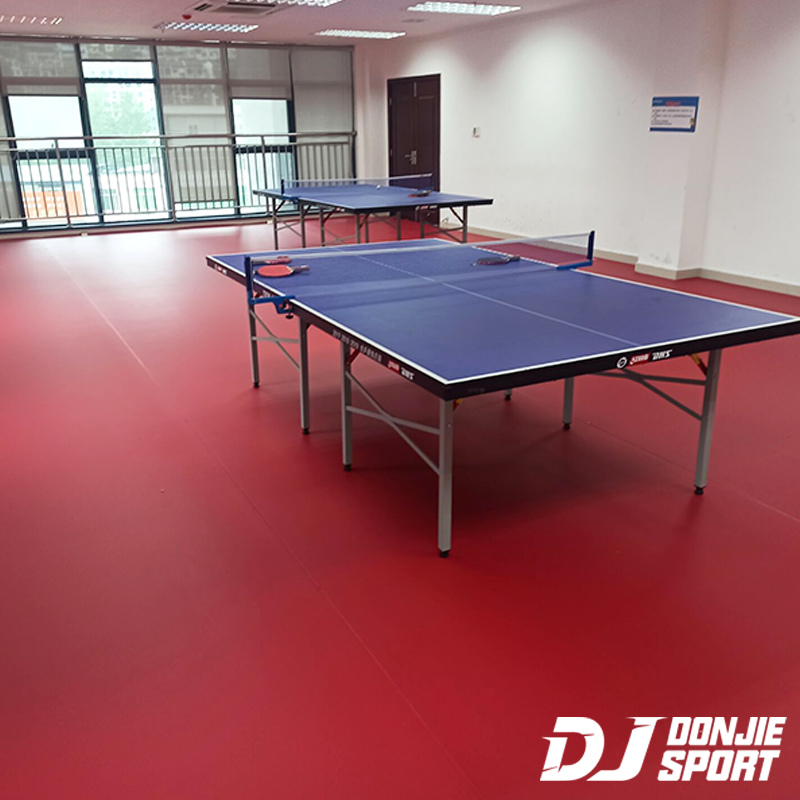
Understanding Table Tennis Floor Mats
When it comes to selecting the right Table Tennis Floor Mat, it’s essential to understand what makes these mats different from regular mats. Table tennis requires specific flooring that can accommodate the fast-paced movements of players and the unique bounce of the ball. Here’s what to consider:
Materials Used in Table Tennis Floor Mats
Table tennis mats are made from a variety of materials, each offering different benefits. PVC, rubber, and vinyl are the most commonly used materials for these mats. They provide a durable and resilient surface, ideal for high-intensity play. High-quality Table Tennis Floor Mats are designed to withstand the impact of constant foot traffic and ball rebounds, ensuring longevity and consistent performance.
Thickness and Cushioning: What Works Best
The thickness of your floor mat affects both the cushioning it provides and the bounce of the ball. Too thick, and the ball may lose its true bounce, affecting your shots. Too thin, and you could feel every movement impact on your joints, leading to fatigue and discomfort. For most professional setups, a mat with moderate thickness (around 8-12mm) is ideal as it offers the right balance of shock absorption and ball responsiveness.
Non-Slip Surfaces: Importance for Player Safety
Safety should always be a top priority when choosing any sports flooring, and Table Tennis Floor Mats are no exception. A good floor mat should feature a non-slip surface to prevent accidents, especially during fast-paced movements. The best mats offer excellent traction, which is essential for players to maintain stability and avoid slipping, especially during critical plays.
Durability and Wear Resistance in High-Intensity Play
Table tennis is a sport that demands quick, sharp movements. Your mat needs to stand up to the wear and tear caused by constant foot traffic and ball hits. Mats made from durable, high-quality materials like commercial-grade PVC or rubber are built to last, resisting fading, scuffs, and scratches. Over time, cheaper mats may degrade and lose their ability to provide adequate traction and bounce.
Performance Impacts of Your Table Tennis Floor Mat
A floor mat that’s poorly suited to the demands of table tennis can severely impact your performance. Whether you’re competing professionally or just enjoying the game with friends, your flooring should enhance your play rather than hinder it.
Ball Bounce Consistency and Its Relation to Flooring
Ball bounce is a critical aspect of table tennis gameplay. The right Table Tennis Floor Mat contributes to a consistent ball bounce, providing players with the predictability they need during rallies. If the mat is too soft, the ball may absorb too much of its energy, resulting in a duller bounce. Conversely, a mat that’s too hard could cause erratic bounces, making it difficult to control the ball.
Footwork, Agility, and Traction Issues
Your footwork plays a massive role in your table tennis game. If the floor mat isn’t providing enough grip or is too slippery, you may struggle to maintain the quick footwork required to move efficiently. Good traction allows players to pivot, slide, and position themselves better, leading to smoother movements and faster reaction times.
Shock Absorption and Joint Protection
As table tennis involves rapid lateral movements and frequent stops, proper shock absorption is key to player comfort and injury prevention. A good floor mat reduces the impact on joints, helping protect the knees, ankles, and feet from the strain of sudden movements. This becomes especially important during longer playing sessions, where fatigue can increase the risk of injury.
Fatigue and Endurance: How Flooring Makes a Difference
The right flooring can also help reduce player fatigue, especially during longer sessions. Mats with adequate cushioning support can help maintain energy levels by minimizing strain on the body. Without the proper support, you may feel tired faster, which will affect your game’s overall quality.
Common Mistakes with Table Tennis Floor Mats
Many players and facility managers unknowingly make poor flooring decisions that affect their game and training environment. Here are some common mistakes to avoid:
Choosing Mats Without Considering Court Size
The size of the mat should correspond to the size of your table tennis court. A mat that’s too small can create uneven playing conditions, while one that’s too large may take up unnecessary space or be difficult to install. Always ensure that the mat is large enough to cover the entire playing surface.
Ignoring Material Quality and Safety Certifications
Cheap mats may seem like an attractive option due to their low price, but they can quickly degrade, offering poor performance and safety. Ensure that the mat you choose is made from high-quality, durable materials and carries necessary safety certifications. These certifications guarantee that the mat meets industry standards for traction, durability, and player safety.
Overlooking Maintenance and Cleaning Requirements
Floor mats require maintenance to stay in optimal condition. Some materials may stain easily, while others can accumulate dust and dirt, affecting performance. Choose a Table Tennis Floor Mat that’s easy to clean and maintain. Regular cleaning ensures that your mat remains in good condition for longer, protecting your investment.
Installing Mats Over Uneven Surfaces
Installing your floor mat over an uneven surface can lead to gaps, wrinkles, and instability. A flat, smooth surface is essential to ensure the mat performs properly and doesn’t pose a safety risk. Always make sure that your playing area is level before laying down the mat.
Choosing the Right Table Tennis Floor Mat
Selecting the best Table Tennis Floor Mat isn’t just about finding the cheapest or most convenient option. It’s about choosing the mat that best suits your needs, whether for home use, a training facility, or a professional venue.
Indoor vs. Outdoor Use Considerations
If you plan to use your mat indoors, consider materials like PVC or vinyl, which provide great durability and resistance to wear. For outdoor use, you’ll need a mat that can withstand the elements, such as UV rays and moisture, without degrading quickly.
Recommended Materials and Thickness for Competitive Play
For professional or competitive play, opt for mats made from high-quality PVC or rubber that are designed specifically for table tennis. Thickness should be around 8-12mm to ensure proper bounce and shock absorption.
Brands and Certifications to Look For
Look for trusted brands that specialize in table tennis equipment. These brands will often offer mats with appropriate safety certifications and guarantees for durability. Brands like Donjie and other renowned sports flooring manufacturers offer products that meet the rigorous demands of table tennis professionals.
Budgeting Without Compromising Quality
While it’s tempting to choose a cheaper option, remember that flooring is an investment in both your performance and safety. Look for affordable options that still provide quality, durability, and proper cushioning.
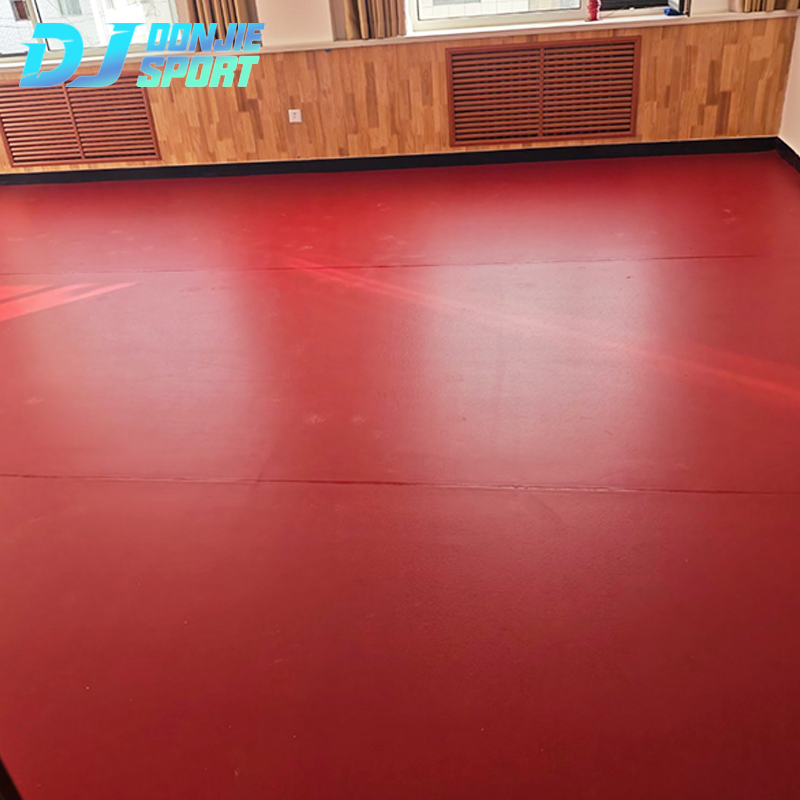
Maintaining and Caring for Your Table Tennis Floor Mat
A floor mat is an investment that requires maintenance to ensure longevity and optimal performance. Here’s how you can care for your Table Tennis Floor Mat:
Cleaning Tips to Extend Lifespan
Use a damp cloth to wipe down the mat regularly to remove dirt, dust, and moisture. For more stubborn stains, a gentle cleaner designed for sports flooring may be used. Avoid harsh chemicals that could damage the mat’s surface.
Preventing Damage from Furniture and Heavy Equipment
To prevent damage, avoid placing heavy equipment or furniture directly on your floor mat. For long-term protection, consider adding protective covers when not in use.
Storage Advice for Multi-Purpose Spaces
If you’re using your mat in a multi-purpose space, store it properly when not in use. Roll it up and store it in a cool, dry place to avoid any deformation. Never fold it as this can cause permanent creases or damage.
When to Replace Your Mat for Optimal Performance
Even the best Table Tennis Floor Mats have a lifespan. If your mat starts to show signs of wear like cracks, fading, or reduced performance, it may be time to replace it. A well-maintained mat will ensure that your gameplay remains consistent and safe.
Conclusion
Choosing the right Table Tennis Floor Mat is crucial for maximizing your performance, safety, and comfort. A high-quality mat can make all the difference in how the ball bounces, how well you move, and how long you can play without fatigue. By understanding the materials, thickness, and maintenance requirements of your flooring, you’ll ensure that your investment lasts and supports your game for years to come.