Table tennis, a fast-paced and dynamic sport, requires an environment that supports quick movements and precise shots. The flooring used in a table tennis court plays a crucial role in determining the overall performance of the game. The right flooring not only influences the bounce of the ball but also ensures player safety and comfort during intense matches.
The most important aspects to consider when selecting the best table tennis flooring include bounce consistency and player safety. For instance, flooring with a higher level of shock absorption can reduce the strain on players’ joints, providing a more comfortable playing surface, especially during long training sessions. Meanwhile, flooring that provides a consistent bounce is essential for maintaining fairness in the game, allowing players to predict the ball’s movement with accuracy.
Additionally, flooring should provide adequate slip resistance, which helps prevent injuries by offering the right amount of grip while players move quickly on the court. Proper flooring also minimizes the risk of tripping or slipping, which can occur during sudden movements.
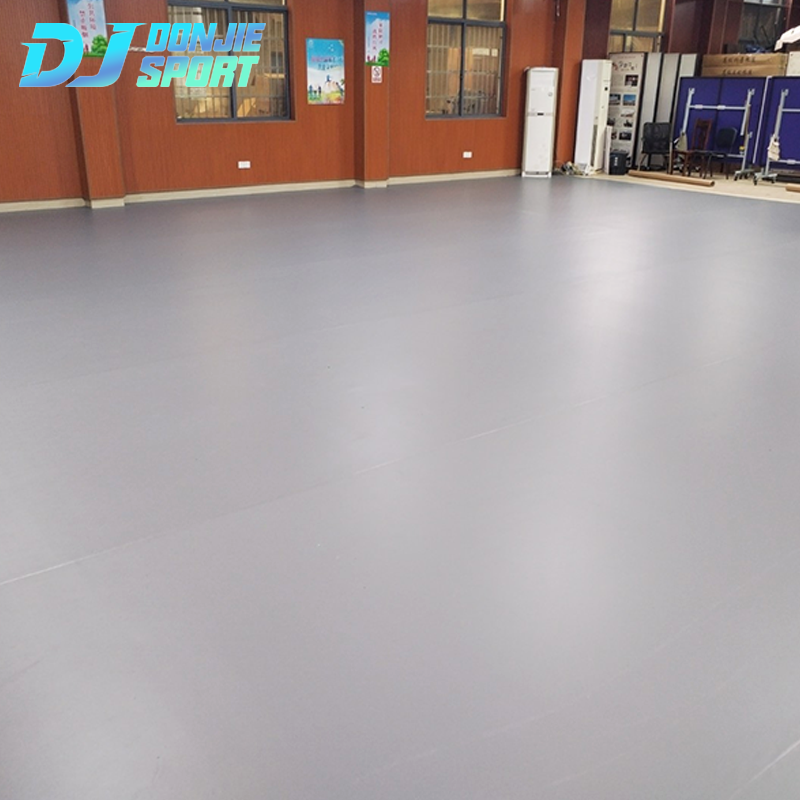
Types of Flooring for Table Tennis Courts
When it comes to selecting the best flooring for table tennis courts, there are several materials to consider. Each type of flooring offers distinct advantages depending on the setting, usage, and budget. The three most common types of flooring used in table tennis courts are wooden flooring, PVC flooring, and rubber flooring. Let’s dive deeper into each one.
Wooden Flooring: The Traditional Choice for Professional Courts
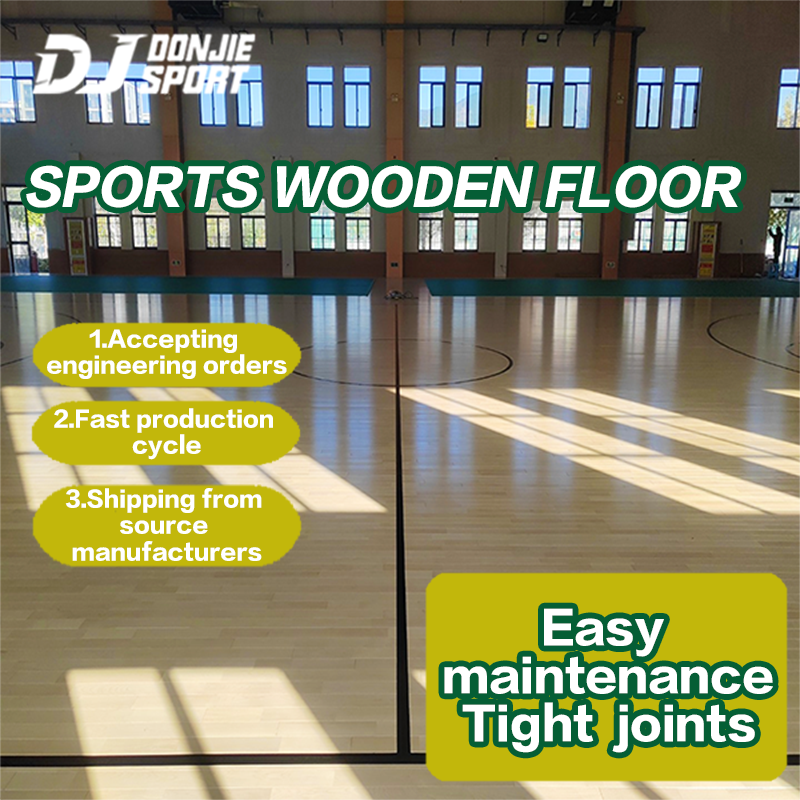
Wooden flooring, particularly maple wood, is often seen in professional table tennis arenas. The primary reason for its popularity is its bounce consistency. High-quality wooden floors provide an ideal surface for ball bounce, ensuring a predictable and even response. This is why many competitive events, including national and international tournaments, opt for wooden flooring.
However, wooden floors can be quite expensive and high-maintenance. They require regular refinishing to maintain their smooth surface and prevent wear and tear from frequent use. Additionally, wood floors are more vulnerable to moisture, so they are best suited for indoor courts with controlled climates.
PVC Flooring: The Durable and Affordable Alternative
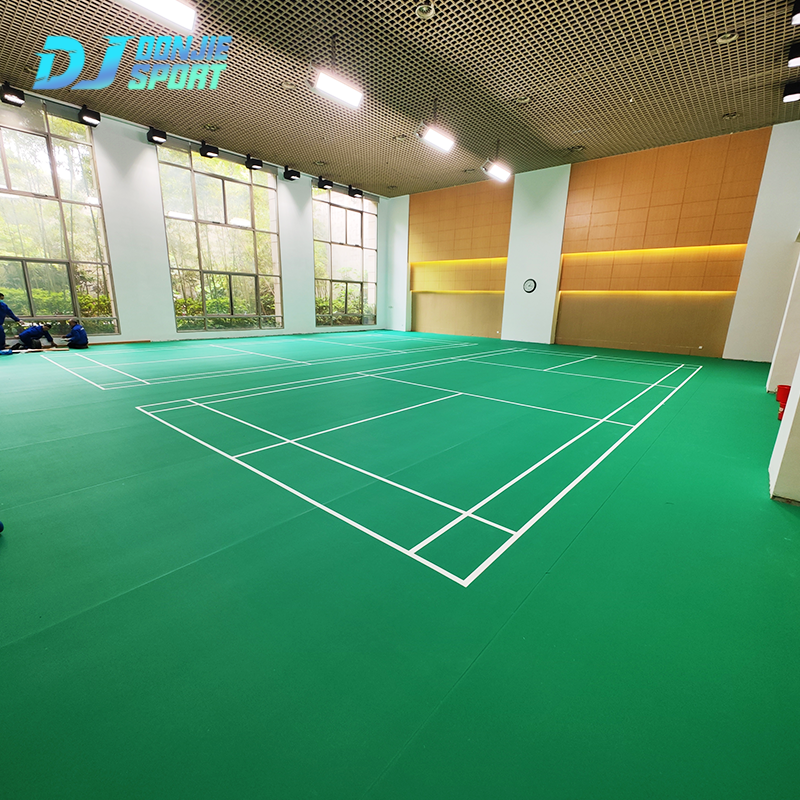
For many recreational venues, PVC (polyvinyl chloride) flooring is an excellent choice. PVC flooring offers a durable and cost-effective solution, especially for indoor table tennis courts. It’s engineered to provide good bounce performance, while being resistant to moisture and abrasion. This makes it a great choice for places that experience high foot traffic, such as schools or sports complexes.
Another advantage of PVC flooring is that it’s relatively easy to maintain. Regular cleaning with water and a mild detergent is often sufficient to keep it in top condition. Moreover, modern PVC sports floors are designed to absorb shock and provide excellent slip resistance, which contributes to player safety.
Rubber Flooring: Ideal for Multi-purpose and Gym Environments
Rubber flooring is another viable option for table tennis courts, especially in multi-use sports facilities or gyms. Rubber floors are well-known for their shock absorption properties. This makes them a comfortable choice for players, particularly in venues where long hours of play are common. The grip offered by rubber flooring also prevents slippage, which is crucial for maintaining stability during quick lateral movements.
The downside to rubber flooring is its lower bounce quality compared to wood and PVC options. While it’s suitable for recreational play and practice, it may not be ideal for professional-level competitions. However, it’s a more affordable alternative for those on a budget, and it’s available in a variety of colors and patterns to fit different aesthetic preferences.
Key Factors to Consider in Choosing the Best Table Tennis Flooring
Choosing the best table tennis flooring depends on a variety of factors. It’s important to evaluate each material based on your specific needs. Here are some key considerations:
Bounce Consistency
For serious players, a consistent bounce is critical for a fair and enjoyable game. Flooring that offers a uniform ball bounce enhances the overall playing experience. While wooden floors are the gold standard in this area, high-quality PVC and rubber floors are now engineered to provide similarly consistent bounce.
Slip Resistance and Safety
A floor with the right level of slip resistance is essential to minimize injuries. Too much grip can cause the player to stick to the surface, while too little grip can lead to dangerous slips. Most modern sports floors are designed to strike the right balance, ensuring safety without hindering movement.
Shock Absorption
Flooring with high shock absorption helps protect players’ joints, especially in high-intensity games or long practices. PVC and rubber floors typically offer superior shock absorption, reducing the impact on players’ knees and feet during play.
Ease of Maintenance
Table tennis courts require consistent maintenance, but the level of effort can vary based on the flooring material. Wooden floors need regular sanding and refinishing, while PVC and rubber flooring require simple cleaning with a mop. If your facility needs a low-maintenance option, PVC or rubber may be more suitable.
Comparing Cost and Durability
Cost is an important factor when selecting the best table tennis flooring, especially for larger venues or multi-purpose facilities. Wooden floors, while high-end and durable, come with a significant upfront cost and maintenance requirements. In contrast, PVC and rubber flooring provide affordable alternatives with longer lifespans and less frequent maintenance.
While initial costs may be lower for PVC and rubber floors, it’s important to consider their durability and overall lifecycle cost. High-quality PVC flooring can last for years without significant wear, making it a wise investment for many venues.
Best Table Tennis Flooring for Different Environments
The best flooring option can differ depending on where the table tennis court is located. Below are some recommendations based on the setting:
Professional Venues
For international tournaments or professional environments, wooden flooring remains the best choice for optimal performance. Its bounce quality is unparalleled, making it the preferred option for competitive players. However, top-quality PVC flooring has gained popularity in recent years, offering durability, cost-effectiveness, and excellent performance.
Home Use
For home setups, many players opt for PVC flooring because it is easy to install, maintain, and cost-efficient. Additionally, the comfort and safety it offers make it an excellent choice for recreational play.
Multi-purpose Sports Halls
In multi-purpose facilities where space is shared with other sports, rubber flooring can be a practical solution. It’s versatile, highly durable, and can handle a variety of sports activities, including table tennis.
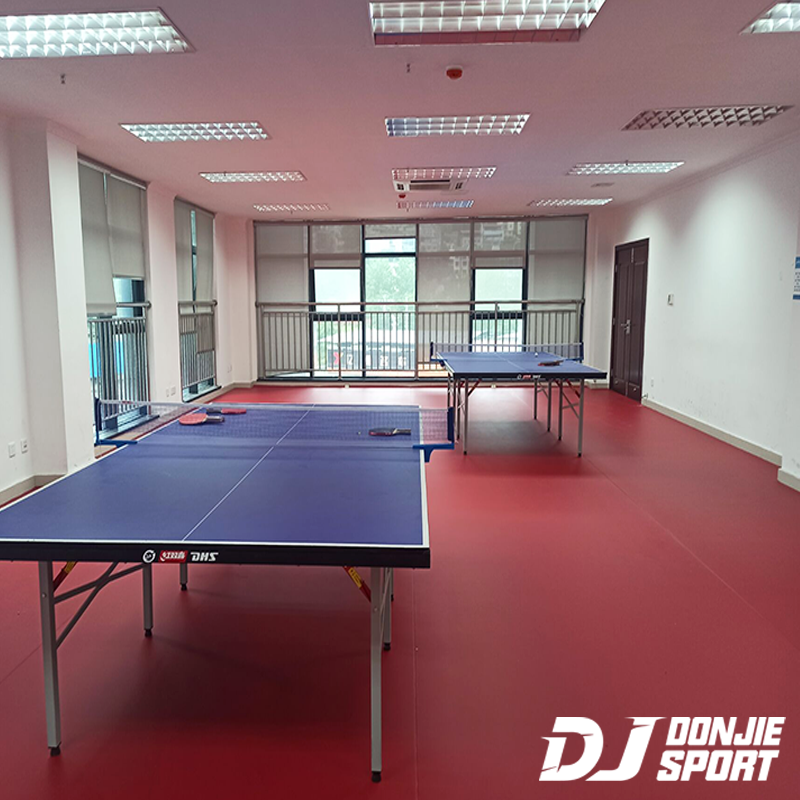
Installation and Maintenance Tips for Table Tennis Flooring
Proper installation is essential for ensuring the longevity and performance of the flooring. Professional installation guarantees that the floor is leveled and secure, ensuring a uniform bounce. For PVC and rubber flooring, it is crucial to ensure proper adhesives and seamless connections to avoid future wear.
In terms of maintenance, ensure that the flooring is cleaned regularly using recommended cleaning products to prevent debris buildup. Wood floors may require more frequent refinishing, while PVC and rubber floors need only occasional sweeping and mopping.
Conclusion
Selecting the best flooring for your table tennis court depends on a variety of factors including performance needs, budget, and the environment. Wooden flooring is ideal for professional venues, offering superior bounce and performance. However, PVC flooring provides a more affordable and versatile solution, with excellent durability and low maintenance, making it suitable for both home and commercial spaces. Lastly, rubber flooring is a great choice for multi-purpose areas where comfort and shock absorption are priorities.
When selecting your flooring, keep in mind the key factors: bounce consistency, slip resistance, shock absorption, and maintenance requirements. With the right floor, your table tennis court will provide the perfect foundation for players to perform at their best.