
When setting up a table tennis court, the flooring you choose plays a pivotal role in the overall playing experience. The right table tennis flooring provides optimal bounce, minimizes injury risk, and contributes to a professional atmosphere. Whether you’re building a home setup or outfitting a sports hall, installing the correct flooring is crucial to ensure that both the players’ performance and safety are prioritized.
Choosing the right table tennis flooring is not just about aesthetics or cost—it’s about creating a functional, durable, and safe surface that stands up to high-intensity games. Let’s dive into the key tips that will help you achieve the best results when installing your table tennis flooring.
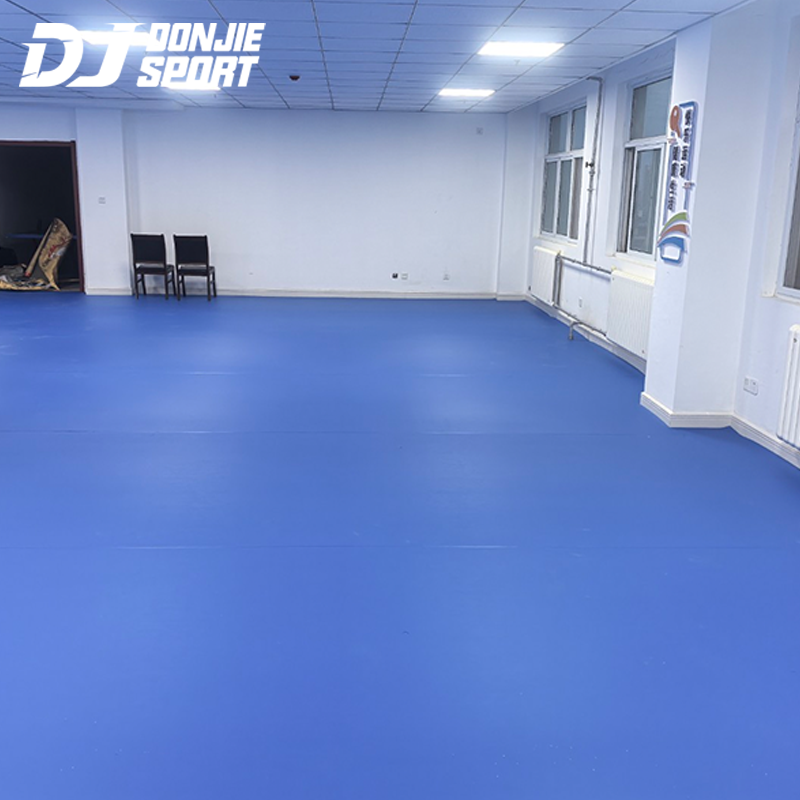
Choosing the Right Table Tennis Flooring
When it comes to table tennis, the flooring is as important as the table itself. The choice of flooring can affect everything from the speed of the game to player comfort and injury prevention. Here are some key factors to consider when choosing the right table tennis flooring:
-
Type of Flooring Material
There are various flooring materials available for table tennis courts, each offering different advantages:-
PVC Flooring: Known for its durability and ease of maintenance, PVC flooring is a popular choice for both professional and recreational setups. It offers excellent shock absorption and can withstand high levels of foot traffic.
-
Rubber Flooring: A great option for recreational spaces, rubber flooring offers superior grip and cushion, making it ideal for reducing impact injuries.
-
Wooden Flooring: This traditional option provides a premium feel, offering great bounce and stability. However, it requires more maintenance and might not be as durable as synthetic alternatives.
-
Polyurethane Flooring: Polyurethane is a high-performance flooring option for serious players. It’s designed to offer excellent ball bounce and has superior shock-absorbing properties.
-
-
Durability and Longevity
Depending on how frequently the court will be used, durability should be a primary consideration. For schools, training facilities, or multi-purpose halls, choosing a material like PVC or rubber can ensure the flooring lasts for many years with minimal wear and tear. -
Shock Absorption
Good shock absorption is key to ensuring player comfort and reducing the risk of injuries. Flooring with proper cushioning can absorb the impact during intense gameplay, helping reduce stress on players’ joints, especially in high-energy matches. -
Grip and Traction
The surface of your table tennis flooring should provide just the right amount of grip. Too much grip can slow down movement, while too little can cause players to slip. Look for flooring materials with a non-slip texture, such as PVC or rubber tiles, which provide just the right amount of traction without hindering movement. -
Maintenance Requirements
Some types of flooring, such as wood, require more intensive care to maintain their appearance and functionality, including regular polishing and sealing. On the other hand, PVC and rubber floors are easier to clean and maintain, which makes them an ideal choice for busy or multi-use environments.
Preparing the Surface for Installation
Before laying down your table tennis flooring, preparing the surface is crucial to ensuring a smooth, stable, and durable result. A well-prepared subfloor will not only extend the life of your flooring but also enhance the overall playing experience. Here’s what to keep in mind:
-
Ensure a Level and Smooth Subfloor
The most important step in preparation is ensuring that the subfloor is flat and smooth. Any imperfections such as dips, cracks, or bumps can affect the integrity of the flooring and impact gameplay. Use a leveling compound to fill in any holes or cracks, and always check that the surface is even before proceeding with installation. -
Clean the Area Thoroughly
Dirt, debris, and dust can interfere with the adhesive properties of certain flooring materials, so it’s essential to clean the area thoroughly before installation. Sweep or vacuum the subfloor and wipe it down with a damp cloth to remove any residue. If you’re installing PVC or rubber tiles, ensure that the surface is completely dry before starting. -
Choose the Right Underlayment
Depending on the type of flooring you’ve chosen, you may need an underlayment to provide additional cushioning and moisture protection. Underlayments can help to further improve shock absorption and enhance soundproofing, which is especially useful in areas with high traffic or noise sensitivity.
Step-by-Step Installation Process
Now that you’ve prepared the surface, it’s time to get started with the installation process. While the specifics can vary depending on the type of flooring you’re using, the general installation steps remain similar:
-
Tools and Materials Needed
Make sure you have all the necessary tools before starting the installation. You will typically need:-
Measuring tape
-
Sharp utility knife or scissors (for cutting tiles or sheets)
-
Flooring adhesive (if required)
-
Trowel or roller for applying adhesive
-
Rubber mallet (for interlocking tiles)
-
-
Measure and Cut the Flooring
Accurate measurement is essential to ensure that your flooring fits the space properly. Measure the dimensions of your table tennis court or training facility, and then mark the appropriate measurements on your flooring material. If you’re using sheet flooring, you may need to cut it to fit the room. Be precise in your measurements to avoid gaps or overlap. -
Align and Install the Flooring
Start laying the flooring from one corner of the room. If you’re using interlocking tiles, interlock them carefully according to the manufacturer’s instructions, ensuring they are tightly fitted. If you’re using sheets, spread a thin layer of adhesive onto the subfloor and press the sheets down one by one, ensuring there are no air pockets. -
Securing the Flooring
After aligning the flooring, use a rubber mallet or roller to secure the tiles in place. This ensures that the flooring stays in position and prevents movement during play. For sheet flooring, ensure that it is pressed firmly into the adhesive for a strong bond.
Maintaining Your Table Tennis Flooring
Once your flooring is installed, keeping it in top condition requires regular maintenance. Here are a few tips for ensuring your flooring lasts for years:
-
Cleaning Routine
Regular cleaning will prevent dirt and grime from building up on your flooring. For PVC and rubber floors, a simple sweep and damp mop should suffice. Avoid harsh chemicals that can damage the flooring material. For wooden floors, use a cleaner that is safe for wood and apply a protective sealant if necessary. -
Preventing Wear and Tear
To minimize wear on your flooring, consider placing mats or protective covers in high-traffic areas. If the floor is subjected to heavy use, like in training facilities or schools, you might want to use floor protectors for equipment or tables. -
Repair and Replacement
Small scratches and chips can be repaired using appropriate filler material for the flooring type. If tiles become loose or damaged, replace them as soon as possible to avoid further damage. In the case of wood flooring, refinishing may be required after a few years of use.
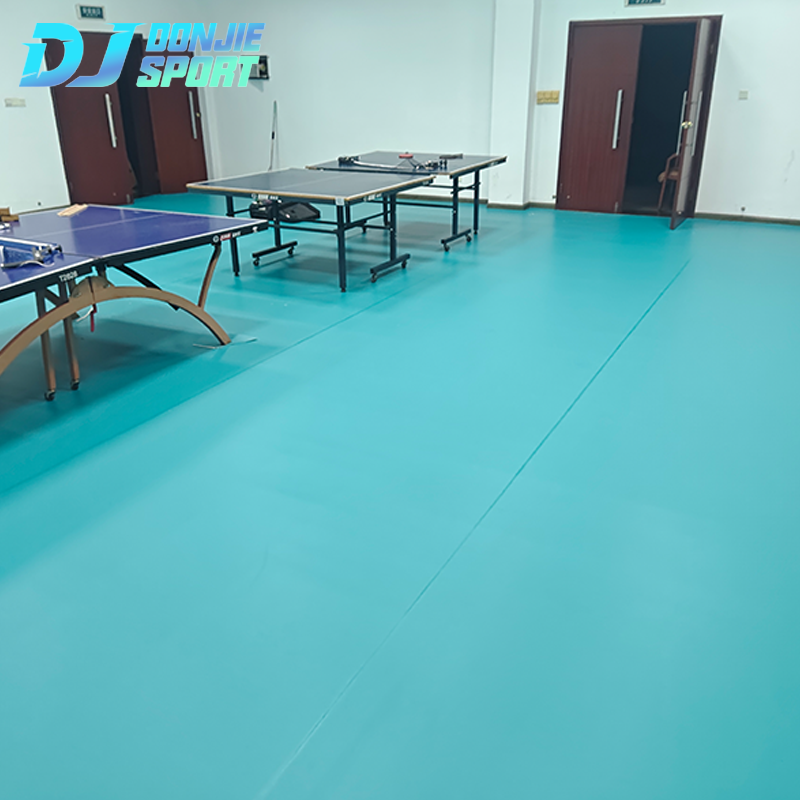
Common Installation Mistakes to Avoid
While installing table tennis flooring is a straightforward task, some common mistakes can lead to poor performance and early wear. Here’s what to avoid:
-
Poor Subfloor Preparation
If the subfloor isn’t properly prepared, your flooring may not adhere correctly, leading to an uneven surface or damaged tiles over time. Always ensure the subfloor is level, dry, and clean before starting the installation. -
Incorrect Tile Alignment
Misaligned tiles can result in gaps or unevenness in the final flooring, affecting the aesthetics and gameplay. Take your time to align the tiles properly, using spacers or guides if necessary. -
Inadequate Adhesive Application
Using too little or too much adhesive can cause tiles to lift or shift. Follow the manufacturer’s guidelines carefully, and apply adhesive evenly to avoid these issues.
Conclusion
Proper installation of table tennis flooring is essential for creating a safe, durable, and high-performance surface. By choosing the right materials, preparing the subfloor carefully, following the correct installation steps, and maintaining the floor, you can ensure that your table tennis court will provide excellent playability for years to come. Remember, a well-installed floor not only enhances the game but also improves player safety and comfort.



