When it comes to designing or upgrading a table tennis court, selecting the right flooring is crucial to providing an optimal playing environment. One of the most important factors to consider is the thickness of the flooring. The ideal thickness can significantly affect gameplay, player comfort, safety, and even the longevity of the floor itself. In this article, we’ll explore how flooring thickness impacts table tennis performance and provide guidance on choosing the perfect thickness for your court.
Understanding Table Tennis Flooring Materials
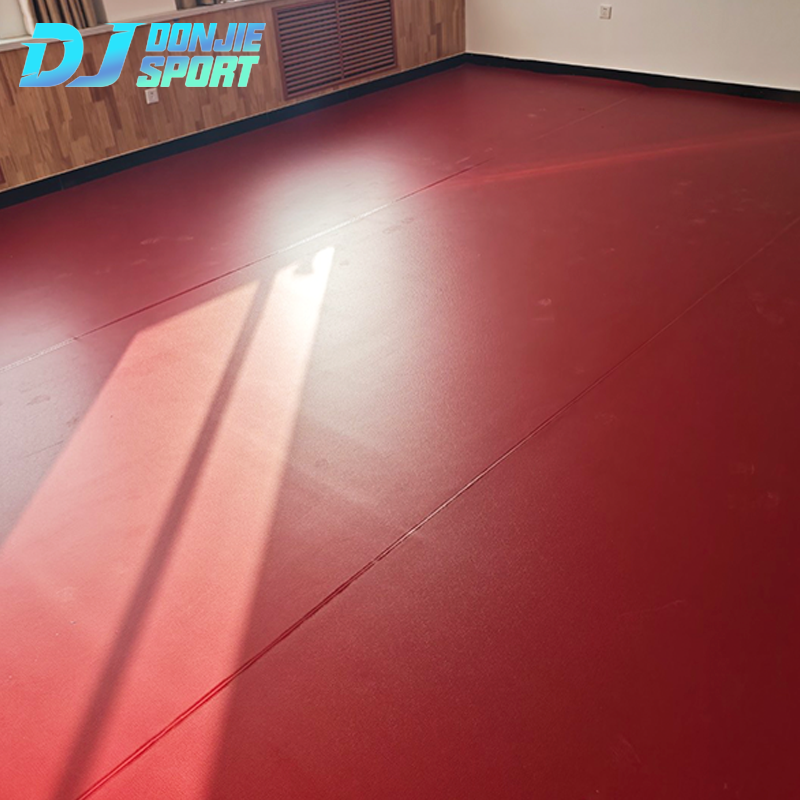
Table tennis flooring is made from various materials, each offering different benefits for performance, durability, and comfort. The most common materials used for table tennis flooring are PVC, rubber, and wooden planks, often with specialized coatings.
-
PVC Flooring: PVC is a popular choice due to its durability, shock absorption, and ease of maintenance. It offers excellent resistance to wear and tear, making it a great option for high-traffic venues.
-
Rubber Flooring: Rubber floors provide superior grip and shock absorption, reducing the risk of injury and enhancing player comfort. They are often chosen for their versatility and the ability to reduce noise.
-
Wooden Flooring: Wooden floors, particularly maple or beech, are often used in professional table tennis venues due to their aesthetic appeal and natural bounce qualities. However, they can require more maintenance and are less durable than synthetic options.
Each of these materials has varying thickness options. The choice of material and thickness depends largely on the specific needs of your venue, such as how often it is used and the level of competition.
How Thickness Influences Performance
Thickness plays a vital role in ensuring that the floor meets the demands of table tennis play. From consistency in bounce to player comfort, the right thickness can enhance the overall playing experience.
-
Bounce Consistency: A table tennis court’s flooring needs to provide consistent bounce for the ball. Thicker flooring can absorb shocks better, resulting in a more consistent bounce. If the floor is too thin, the ball may bounce unpredictably, negatively impacting the game.
-
Player Comfort and Safety: Thicker flooring also provides more cushioning, which can reduce the impact on players’ joints and muscles. This is particularly important in professional environments where players are training or competing for long periods. Thicker flooring helps to minimize fatigue and reduce the risk of injuries like sprains and strains.
-
Grip and Stability: The right flooring thickness, coupled with the right material, ensures the floor is stable and provides adequate grip for players. Floors that are too thin can feel slippery, which may interfere with the speed and precision of play.
Factors to Consider When Choosing the Right Thickness
When selecting the ideal thickness for your table tennis flooring, several factors should be considered:
-
Room Size and Court Dimensions: The size of the space can influence the thickness of the flooring. For smaller courts or multi-purpose spaces, thinner flooring may be more appropriate. However, for full-sized professional courts, thicker flooring is recommended to ensure better bounce and player comfort.
-
Professional vs. Recreational Play: For professional venues, the flooring thickness should meet specific standards to provide consistent performance at all levels of competition. Recreational courts, on the other hand, might prioritize affordability and ease of installation over professional-grade specifications.
-
Environmental Conditions and Flooring Durability: If your venue experiences high foot traffic or fluctuating humidity, you’ll need thicker flooring that can withstand the demands of frequent use. Certain materials, such as PVC, are better equipped to handle environmental changes without warping or losing performance.
-
Local Regulations and Standards: Some regions may have specific requirements for sports flooring, especially in professional settings. Ensure that the thickness you select complies with any legal or regulatory standards for table tennis courts.
Recommended Thickness for Different Use Cases
Not all table tennis courts are the same, and the thickness of your flooring should reflect the type of venue and intended use.
-
Residential Setups: For home courts or casual play, thinner flooring options around 5mm to 6mm are often sufficient. These floors will offer decent bounce and comfort while being cost-effective and easy to install.
-
Professional Venues: For tournament-level facilities or high-performance environments, flooring thickness typically ranges from 8mm to 10mm. This thickness ensures consistent ball bounce, better cushioning, and durability.
-
Multi-purpose Venues: If the court is used for various sports in addition to table tennis, such as badminton or volleyball, flooring thickness may vary between 6mm and 8mm. This range strikes a balance between performance and flexibility for different types of play.
How to Measure the Ideal Thickness for Your Table Tennis Flooring
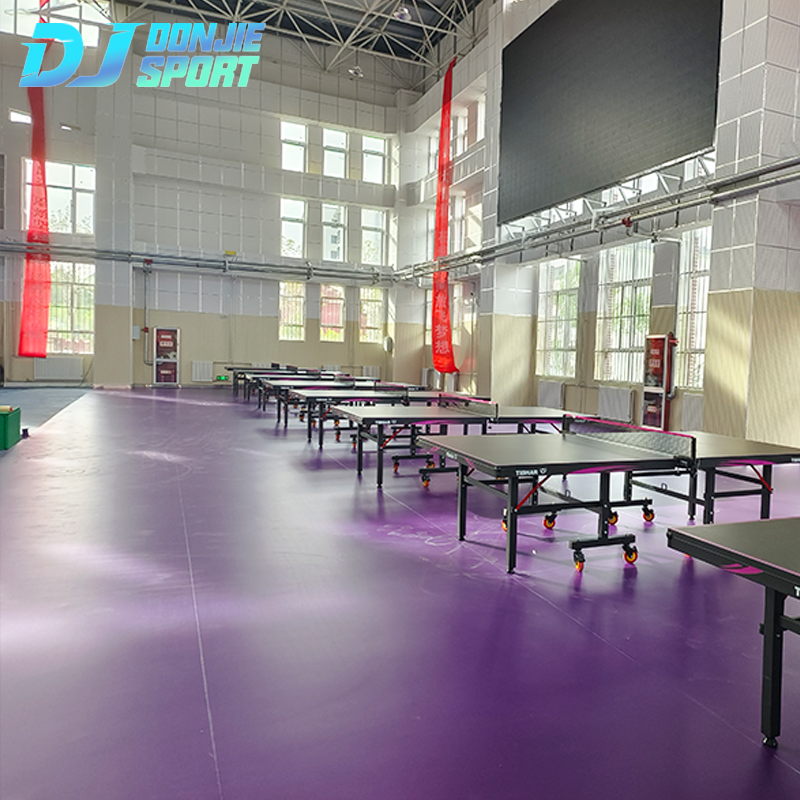
Choosing the right thickness for your table tennis court is not just about picking a number; it’s about measuring the specific needs of your space and the players who will use it. Here’s how to determine the ideal thickness for your court:
-
Consider the Intended Use: If you’re outfitting a professional facility, prioritize the thicker options (8mm to 10mm). For recreational spaces, you can lean toward thinner flooring that still offers adequate performance (5mm to 6mm).
-
Flooring Ranges: While the thickness varies by material, consider the general ranges for PVC and rubber flooring. PVC typically ranges from 5mm to 10mm, while rubber options may be slightly thicker.
-
Regulatory Standards: If you’re working with a venue that will host professional events, check with local or international standards to ensure the flooring meets the required specifications.
Conclusion
The thickness of your table tennis flooring is one of the most crucial aspects to consider when designing a court, whether for professional use or casual play. The right thickness ensures that the flooring provides consistent ball bounce, reduces player fatigue, and prevents injuries. When choosing your flooring, consider factors like room size, level of play, and environmental conditions to find the perfect fit. By understanding how thickness affects performance, you can make a more informed decision that improves the overall table tennis experience for players.