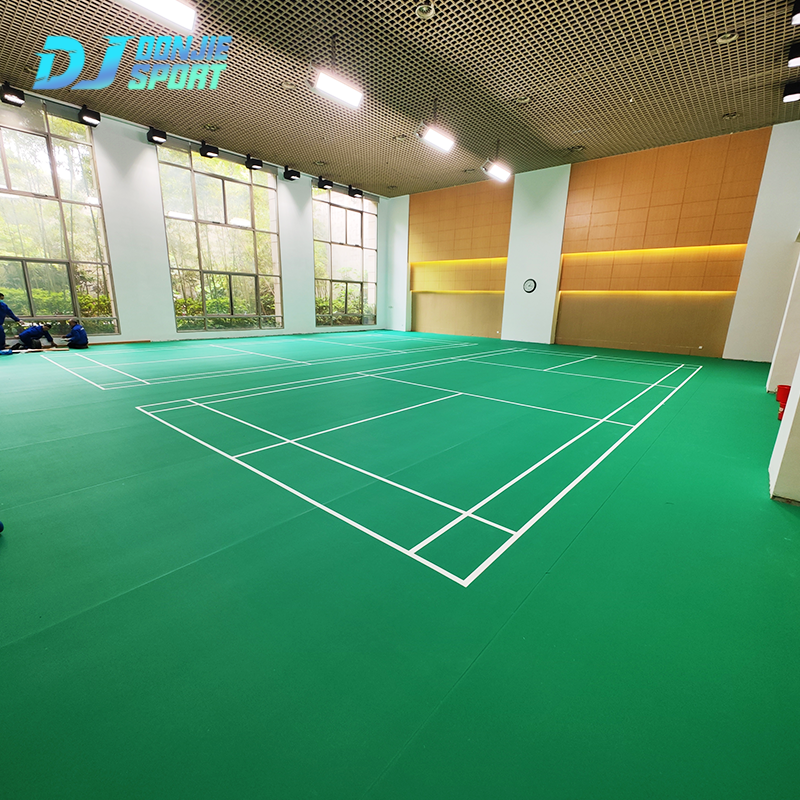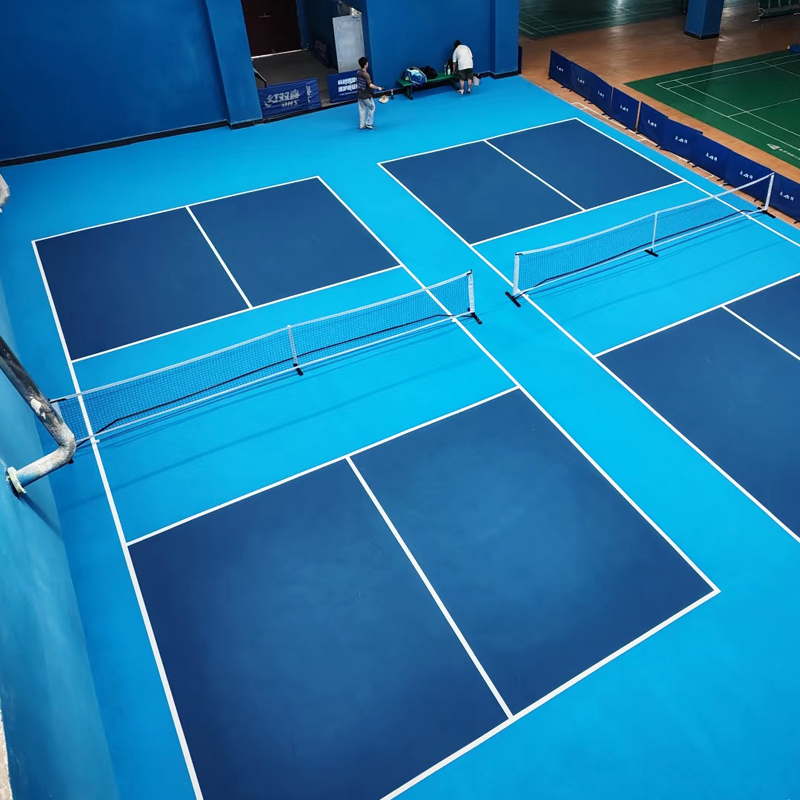
When it comes to playing table tennis at a high level, the flooring beneath your feet plays a crucial role in your performance. Table tennis floor mats are specifically designed to provide a stable, shock-absorbing surface that can enhance your gameplay while also preventing injuries. Unlike regular floors, these mats offer cushioning that reduces the impact on joints and minimizes vibrations, ensuring that players can perform at their best. Whether you’re outfitting a professional tournament venue or setting up a recreational space, choosing the right floor mat is vital for both safety and performance. This guide will take you through the key features to consider and help you select the best floor mat that fits your needs.
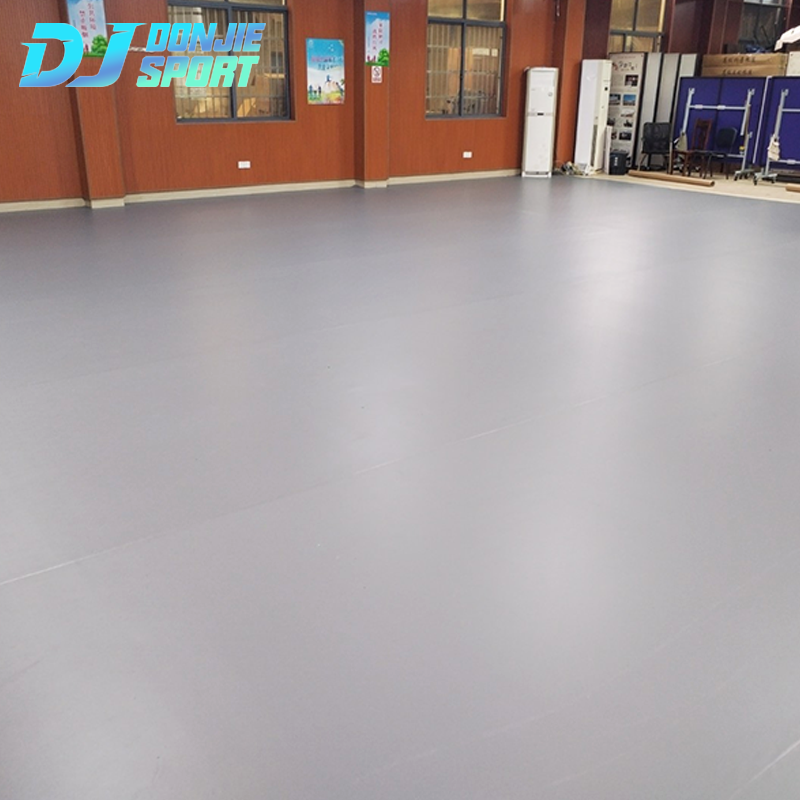
Key Features to Look for in Table Tennis Floor Mats
When selecting a table tennis floor mat, several features should be prioritized to ensure the mat meets your needs. Here are the most important factors to consider:
Material
The material of the floor mat directly affects its performance. Vinyl, rubber, and foam are the most common materials used in table tennis mats. Each material has its advantages, so it’s essential to choose based on your specific needs:
-
Vinyl: Known for its durability and ease of maintenance, vinyl mats are often used in both recreational and professional settings.
-
Rubber: Offers great grip and durability, making it suitable for high-traffic areas or professional tournaments.
-
Foam: Provides superior cushioning, ideal for training environments or when players are prone to joint issues.
Durability and Wear Resistance
A good table tennis floor mat should withstand the repeated impact of players’ movements and the wear and tear from frequent use. Durability is essential, especially in facilities with heavy traffic. Rubber mats tend to be the most durable, followed by vinyl. Foam mats may be less durable but are easier to replace.
Shock Absorption
Shock absorption is crucial for player comfort, reducing the strain on joints, knees, and ankles. If you’re looking for a mat that offers superior comfort during long practice sessions, focus on mats with high shock absorption, such as foam or rubber.
Non-Slip Properties
Non-slip mats ensure that players can move freely without the risk of slipping. Mats with a textured surface or those designed with anti-slip backing can improve stability during intense matches or practice. This feature is particularly important for both amateur and professional players to prevent accidents.
Maintenance and Cleaning
Regular maintenance is important to keep your table tennis floor mats in optimal condition. Mats made from materials like vinyl and rubber are easy to clean and maintain. Foam mats may require a bit more attention, as they can trap dirt more easily, but with proper care, they can last a long time.
Different Types of Table Tennis Floor Mats
Choosing the right type of mat depends on your specific needs and the environment in which you’re playing. Here are the different types of mats available:
Portable Mats
Ideal for schools, recreational centers, or any facility that requires flexibility. Portable mats are designed for easy setup and takedown. They are usually lightweight and can be stored away when not in use, saving valuable space.
Permanent Mats
These mats are ideal for venues that host competitive tournaments or have permanent table tennis setups. They provide long-lasting durability and consistent performance, making them a great investment for professional-grade arenas.
Interlocking Mats
Interlocking mats are highly versatile, allowing you to customize the mat’s size and shape. They can be easily connected or removed, which makes them a great option for venues that host multiple events. Interlocking mats are also more affordable and can be replaced in sections if needed.
Roll-out Mats
Roll-out mats are convenient for spaces where quick setup and easy storage are priorities. These mats can be rolled up and stored in a small area when not in use, making them a great choice for multi-purpose venues or spaces that need to switch between different activities.
Factors Affecting the Selection of the Best Floor Mats for Table Tennis
There are several factors to consider when selecting the best table tennis floor mats. These considerations ensure you choose a mat that suits your specific needs, space, and budget.
Venue Size and Type
If you have a large venue, a permanent or interlocking mat might be ideal. For smaller or temporary spaces, portable or roll-out mats could be more practical. Always measure your space to ensure you select a mat that fits properly.
Budget Considerations
Table tennis mats can range from affordable options to high-end, durable materials. It’s essential to balance your budget with the longevity and features that you need. For example, foam mats tend to be more affordable but may wear out faster than rubber mats, which can be more expensive.
Use Case: Casual or Professional
If the mat is for casual play, a lighter, less expensive mat may suffice. However, if you’re outfitting a professional venue or a competitive training facility, investing in high-quality, durable mats will pay off in the long run. High-end mats offer better performance, durability, and player safety.
Pros and Cons of Popular Table Tennis Floor Mat Materials
Each type of material used for table tennis mats has its benefits and drawbacks. Here’s a quick overview of the most common materials used:
Vinyl Mats
-
Pros: Durable, easy to clean, low maintenance.
-
Cons: Less shock absorption compared to rubber or foam mats.
Rubber Mats
-
Pros: Excellent grip, highly durable, good shock absorption.
-
Cons: Heavier, more expensive than other materials.
Foam Mats
-
Pros: Great cushioning, lightweight, inexpensive.
-
Cons: Less durable and may wear out more quickly.
How to Install and Maintain Table Tennis Floor Mats
Installing and maintaining table tennis mats is relatively simple, but proper care ensures longevity and performance.
Installation
-
Portable Mats: Simply unroll the mat and position it where needed.
-
Interlocking Mats: Connect the pieces to form the desired size.
-
Roll-out Mats: Lay out the mat and roll it into place.
Maintenance
Regular cleaning is essential to keep your mat in top condition. Wipe down vinyl or rubber mats with a damp cloth, and sweep foam mats regularly. If using interlocking mats, check for wear and replace individual pieces as needed.
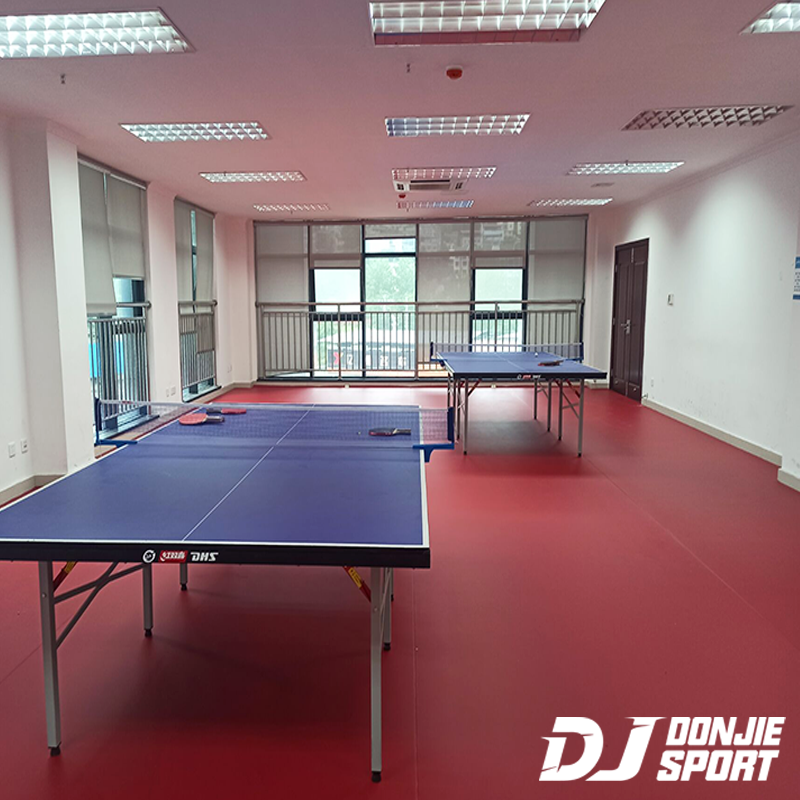
Common Mistakes to Avoid When Choosing Table Tennis Floor Mats
Choosing the right floor mat for your table tennis setup can be a challenging decision. Avoid these common mistakes to ensure you make the best choice:
Overlooking Thickness
The thickness of a mat plays a crucial role in shock absorption. Opting for a thinner mat may not provide sufficient cushioning, leading to discomfort during prolonged play.
Choosing Based Only on Price
While price is an important factor, it shouldn’t be the sole deciding element. Consider the mat’s durability and performance characteristics before making a purchase.
Ignoring Slip Resistance
A mat with insufficient grip can lead to dangerous slips and falls, especially during intense matches. Always choose mats with non-slip properties.
Conclusion
In conclusion, choosing the right table tennis floor mat is an essential part of creating a safe and high-performance playing environment. Whether you need a portable solution for casual play or a permanent setup for professional tournaments, understanding the key features, materials, and types of mats will help you make the best decision. With the right mat, players can enjoy better comfort, enhanced performance, and reduced risk of injury. Make sure to consider all factors, including material, durability, and ease of maintenance, to find the ideal mat that fits your needs.