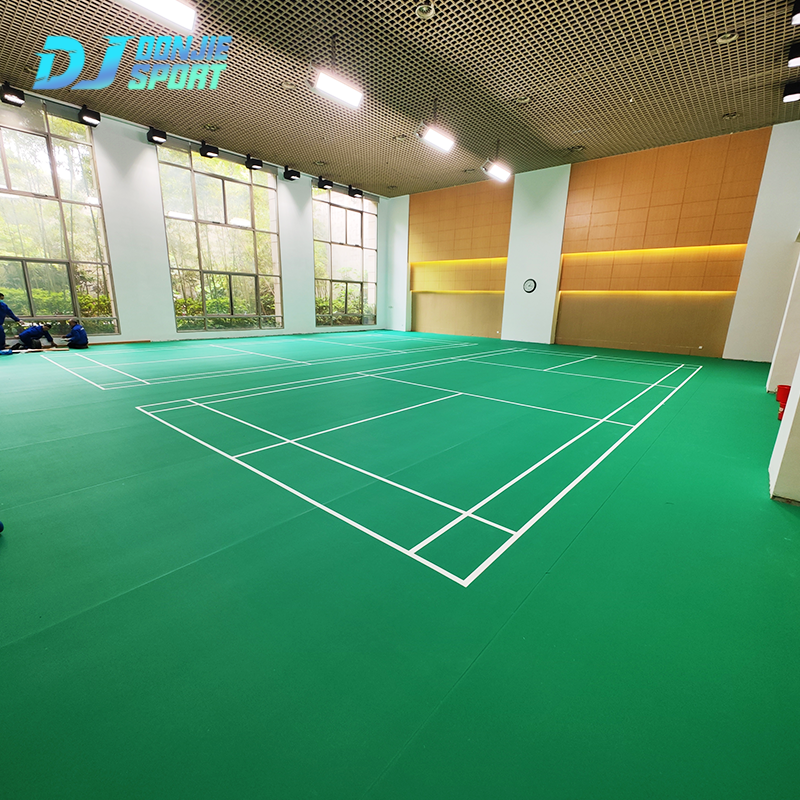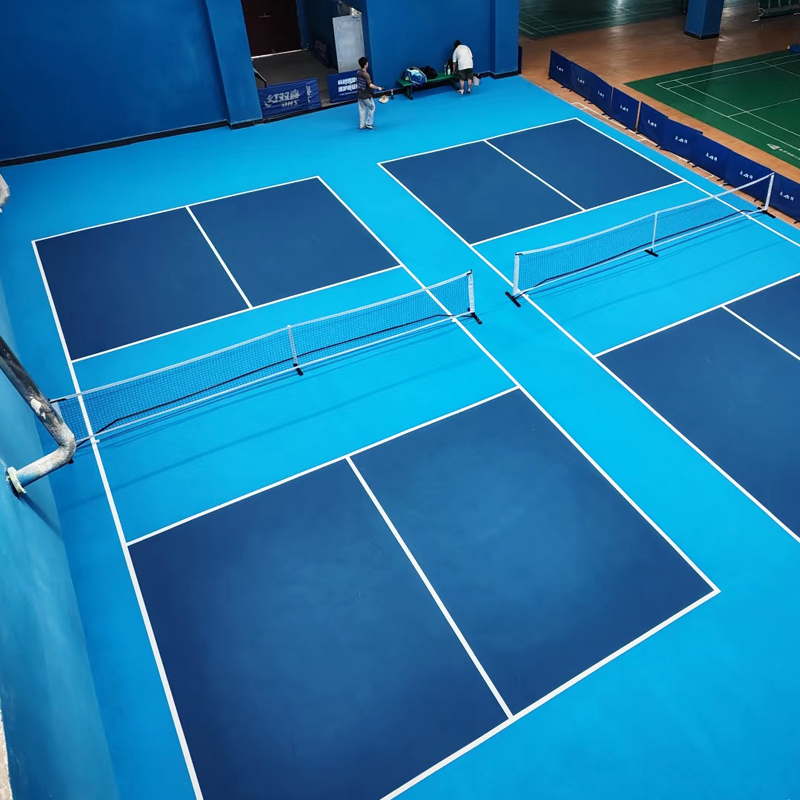
As more families invest in home recreation spaces, basements have become ideal locations for private table tennis courts. However, the success of a basement table tennis setup depends heavily on the flooring beneath the table. Table Tennis Flooring is not simply a surface to stand on; it directly influences player movement, ball consistency, comfort, and safety. Choosing the right Table Tennis Flooring allows homeowners to recreate a professional playing environment while adapting perfectly to the unique conditions of basement spaces.
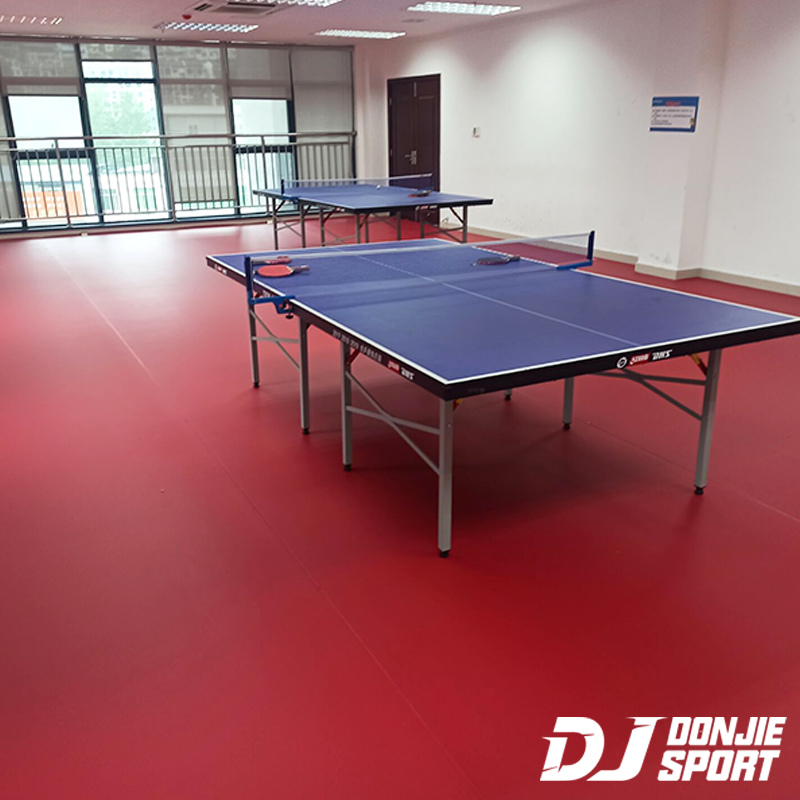
Understanding Table Tennis Flooring for Residential Spaces
Table Tennis Flooring is a specialized sports surface engineered specifically for the fast footwork and controlled movements required in table tennis. Unlike general-purpose flooring, it offers a carefully balanced combination of grip, elasticity, and stability. For home basements, this type of flooring ensures consistent performance while protecting both players and the structural integrity of the space. It transforms a simple basement into a dedicated training and entertainment area designed for real table tennis play.
Key Performance Requirements of Table Tennis Flooring for Basement Courts
A basement table tennis court places unique demands on flooring. Table Tennis Flooring must provide reliable traction for quick lateral movements, uniform ball bounce near the table edges, and sufficient shock absorption to reduce stress on joints. At the same time, it must remain dimensionally stable when installed over concrete subfloors. These performance requirements ensure that every practice session feels controlled, safe, and professional, even in a residential environment.
Why Table Tennis Flooring Is Ideal for Basement Environments
Basements often present challenges such as limited ventilation and higher humidity levels. High-quality Table Tennis Flooring is designed to resist moisture penetration and maintain its structural stability over time. Its layered construction allows it to adapt well to concrete surfaces commonly found in basements. This makes Table Tennis Flooring a practical and dependable solution for homeowners seeking long-term performance without compromising playing quality.
Material Structure of High-Quality Table Tennis Flooring
Professional Table Tennis Flooring typically features a multi-layer structure. The top wear layer provides durability and consistent friction, ensuring stable footwork during fast exchanges. Beneath it, reinforced layers enhance dimensional stability, while elastic cushioning layers absorb impact and improve comfort. The base layer ensures firm contact with the subfloor, preventing unwanted movement. This carefully engineered structure supports both performance and durability in home basement installations.
Slip Resistance and Player Safety in Home Table Tennis Flooring
Safety is a critical consideration for home sports spaces. Table Tennis Flooring is designed with controlled slip resistance, allowing players to move quickly without losing balance. The surface texture supports precise foot placement during sudden stops and direction changes. This reduces the risk of slips and falls, making Table Tennis Flooring especially suitable for family use and players of different skill levels.
Shock Absorption and Comfort for Long Home Practice Sessions
Extended practice sessions can place strain on knees, ankles, and lower back. Table Tennis Flooring incorporates elastic layers that absorb impact and reduce fatigue. This shock absorption not only enhances comfort but also helps protect joints over time. For basement courts used frequently for training or friendly matches, this feature significantly improves the overall playing experience.
Sound Control Advantages of Table Tennis Flooring in Basements
Basements are often located directly beneath living areas, making noise control an important factor. Table Tennis Flooring helps dampen vibrations caused by foot movement and ball impact. Its cushioning layers reduce sound transmission through the structure of the house, creating a quieter environment both inside the basement and in the rooms above.
Installation Considerations for Basement Table Tennis Flooring
Proper installation is essential for achieving the best results. Basement Table Tennis Flooring is typically installed over smooth, level concrete subfloors. Moisture barriers may be used to enhance durability and stability. Depending on the product design, installation methods can include loose-lay or adhesive systems, all aimed at ensuring a flat, secure, and long-lasting playing surface.
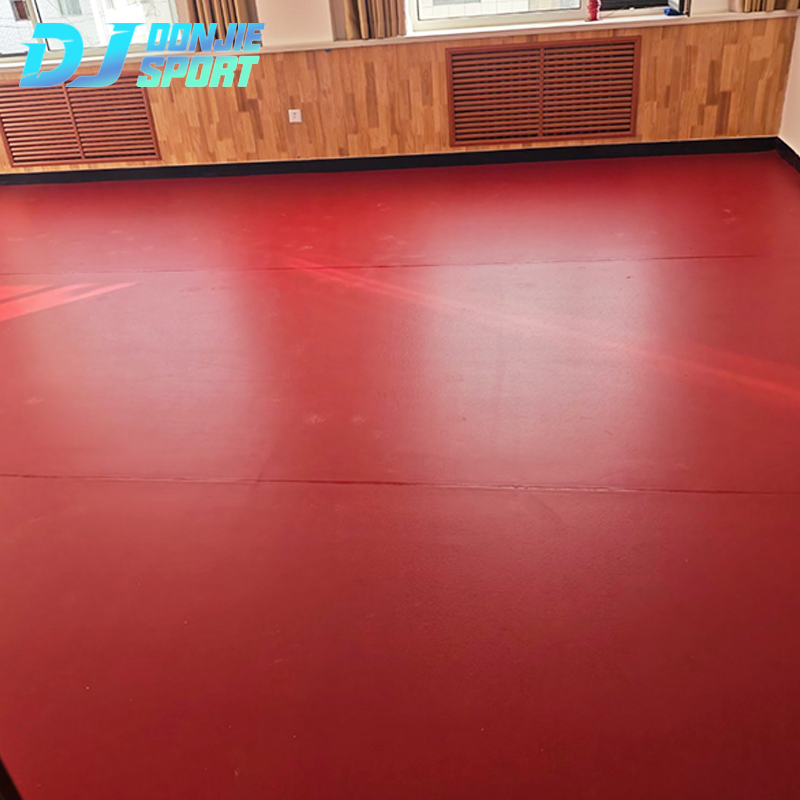
Maintenance and Longevity of Table Tennis Flooring for Home Use
One of the advantages of Table Tennis Flooring is its low maintenance requirements. Regular sweeping and occasional damp cleaning are usually sufficient to maintain surface quality. The wear-resistant top layer protects against scuffs and abrasion, ensuring that the flooring retains its appearance and performance even after years of home use.
Creating a Professional Home Table Tennis Experience with the Right Flooring
By selecting high-quality Table Tennis Flooring, homeowners can turn their basement into a true table tennis environment. The right flooring enhances movement precision, improves comfort, and ensures safety, making every game more enjoyable. It bridges the gap between casual home play and professional-level performance, offering a long-term solution for table tennis enthusiasts.