For professional table tennis players, the choice of Table Tennis Flooring is far more than an aesthetic decision—it directly impacts performance, safety, and longevity on the court. A high-quality sports floor can improve footwork, enhance ball control, and reduce the risk of injuries caused by fatigue or poor shock absorption. Whether training in a professional facility or competing at elite tournaments, selecting the right flooring ensures that athletes can perform at their peak. This article explores the top options available for professional Table Tennis Flooring, examining their advantages, limitations, and suitability for various competitive settings.
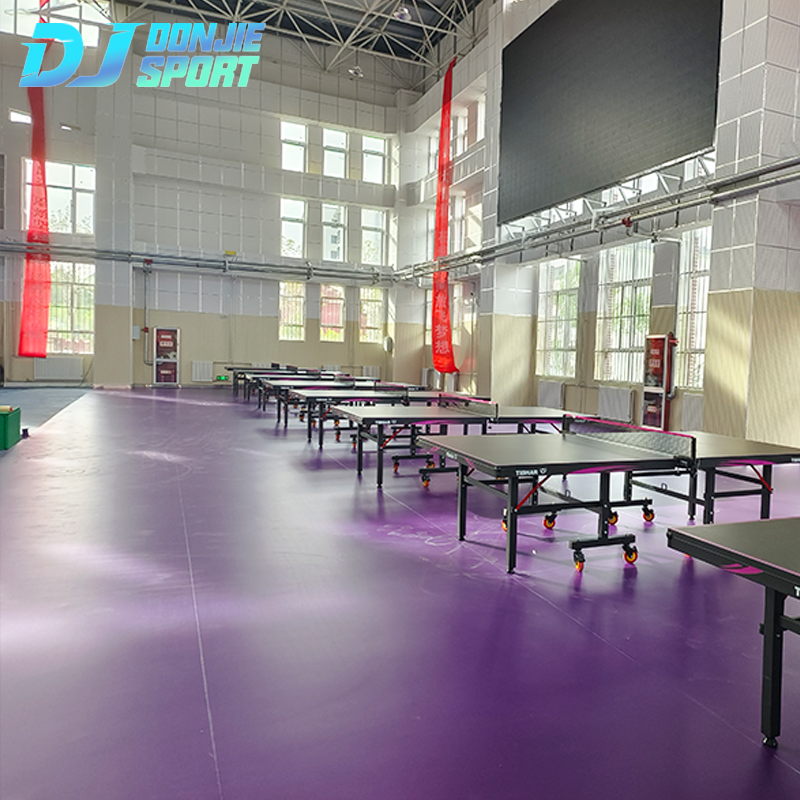
Why Table Tennis Flooring Matters for Professionals
Professional table tennis requires precise movements, quick direction changes, and consistent bounce during rallies. Flooring plays a crucial role in enabling these movements while protecting athletes from long-term joint and muscle strain. Key characteristics of ideal Table Tennis Flooring include high shock absorption to reduce impact, optimal traction to prevent slipping, and durability to withstand repeated use. Additionally, the choice of flooring affects ball bounce, ensuring a consistent playing surface critical for competition-level play. Understanding these factors helps players, coaches, and facility managers make informed flooring decisions that enhance performance.
Solid Wood Sports Flooring
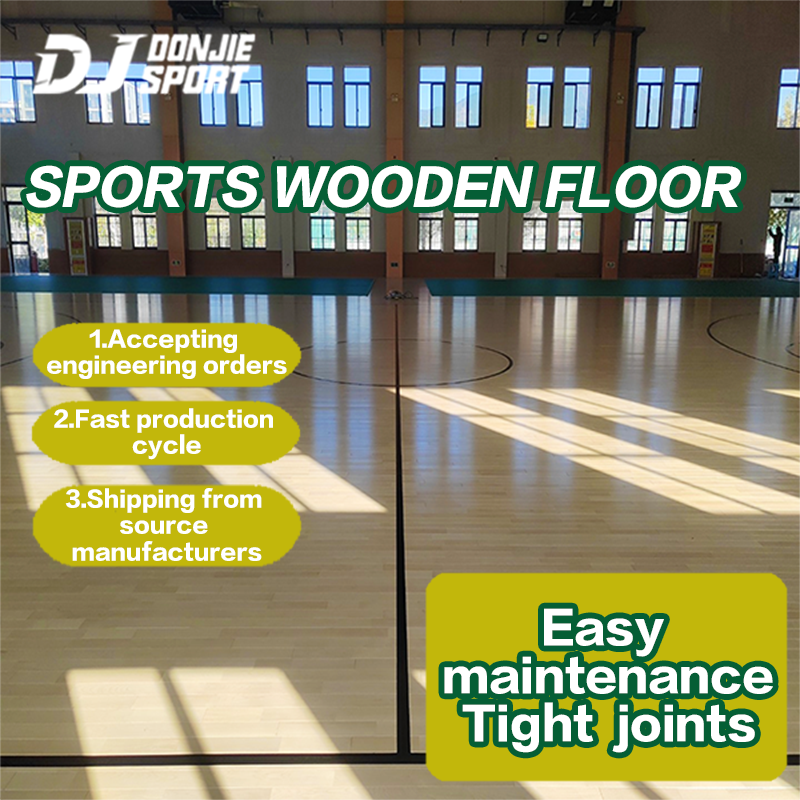
Solid wood has long been a preferred choice for professional Table Tennis Flooring. Known for its smooth surface and natural feel, it provides consistent ball bounce and excellent shock absorption for players. Solid wood floors, typically made from maple or beech, offer a premium playing experience that professional athletes often prefer for tournament settings. However, this option requires careful maintenance to prevent warping, scratches, and moisture damage. Installation costs are higher than alternative materials, but for facilities prioritizing performance and authenticity, solid wood remains a top contender.
Engineered Wood Flooring
Engineered wood combines the benefits of natural wood with added stability and reduced maintenance needs. This type of Table Tennis Flooring features a layered construction that resists warping and expansion due to changes in humidity or temperature. Engineered wood offers excellent shock absorption and a reliable bounce, making it suitable for both training facilities and professional arenas. Compared to solid wood, it is more cost-effective and easier to maintain while still providing the premium feel expected in high-level competition. Its combination of durability and performance makes it a strong choice for professional players seeking consistent play conditions.
PVC Sports Flooring for Table Tennis
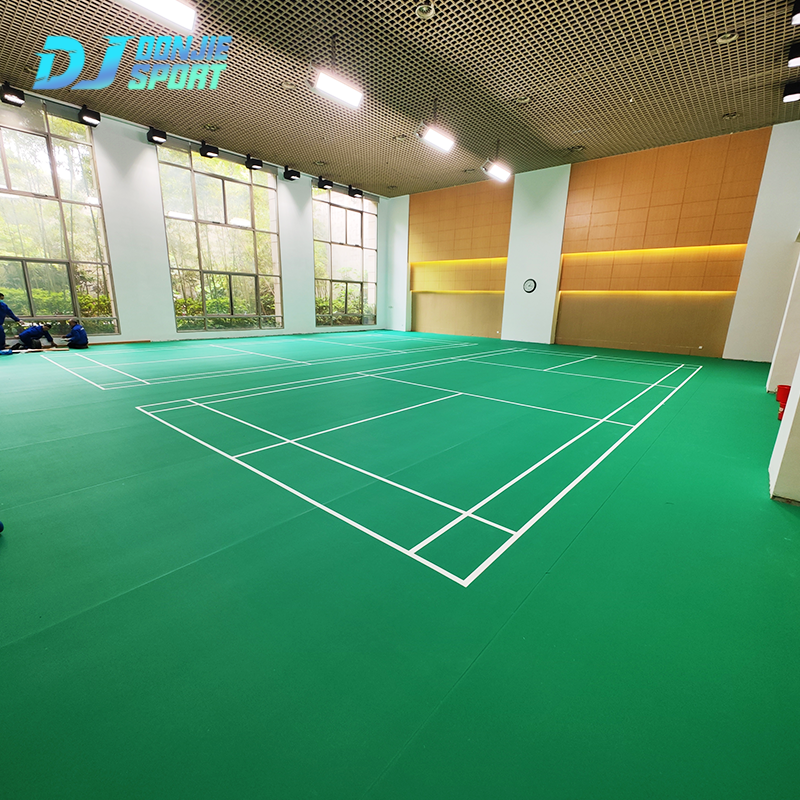
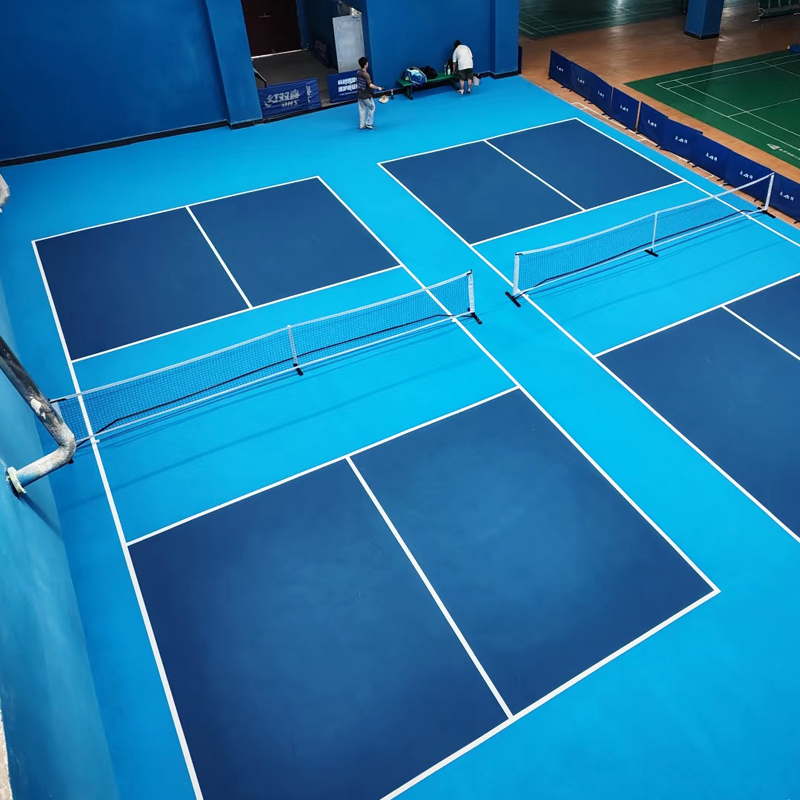
PVC sports flooring has emerged as a popular modern solution for professional Table Tennis Flooring. This synthetic option provides superior shock absorption, reducing joint strain and enhancing player safety. PVC surfaces are slip-resistant, ensuring confident footwork even during rapid direction changes. Additionally, PVC flooring offers customization in color, pattern, and thickness, allowing facilities to create visually appealing and functional courts. Its lightweight and modular installation options make PVC a favorite in contemporary sports halls, balancing performance, aesthetics, and practicality. Professional athletes benefit from the consistent bounce and cushioned support that PVC floors deliver.
Rubberized Table Tennis Flooring
Rubberized flooring is designed to maximize grip and minimize impact, making it another excellent choice for professional Table Tennis Flooring. Rubber surfaces provide high traction, which helps athletes maintain stability during intense rallies. The energy return from rubber floors supports dynamic movements, while its shock-absorbing qualities protect knees and ankles. These floors are particularly suited for training halls where frequent practice sessions demand resilience and safety. Rubberized flooring is easy to maintain and clean, although it may not offer the same aesthetic appeal as wood or PVC options. Nevertheless, its functional benefits make it a practical solution for professional-level training environments.
Interlocking Modular Flooring Systems
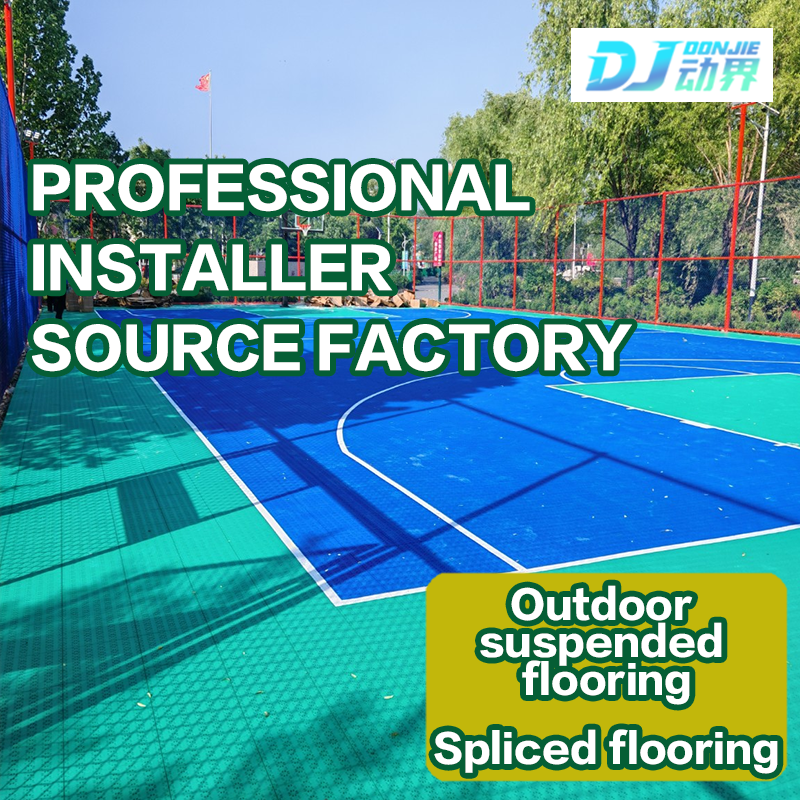
Interlocking modular tiles offer a versatile and convenient solution for professional Table Tennis Flooring. These systems can be quickly installed and relocated, ideal for multi-use sports facilities or temporary tournament setups. Modular flooring maintains consistent performance across all sections, ensuring uniform bounce and player safety. The tiles are often made from PVC or rubber composites, combining durability with shock absorption and slip resistance. Maintenance is minimal, and damaged tiles can be easily replaced without affecting the entire floor. For professional athletes and facilities needing flexibility without compromising quality, interlocking systems provide a smart, long-term solution.
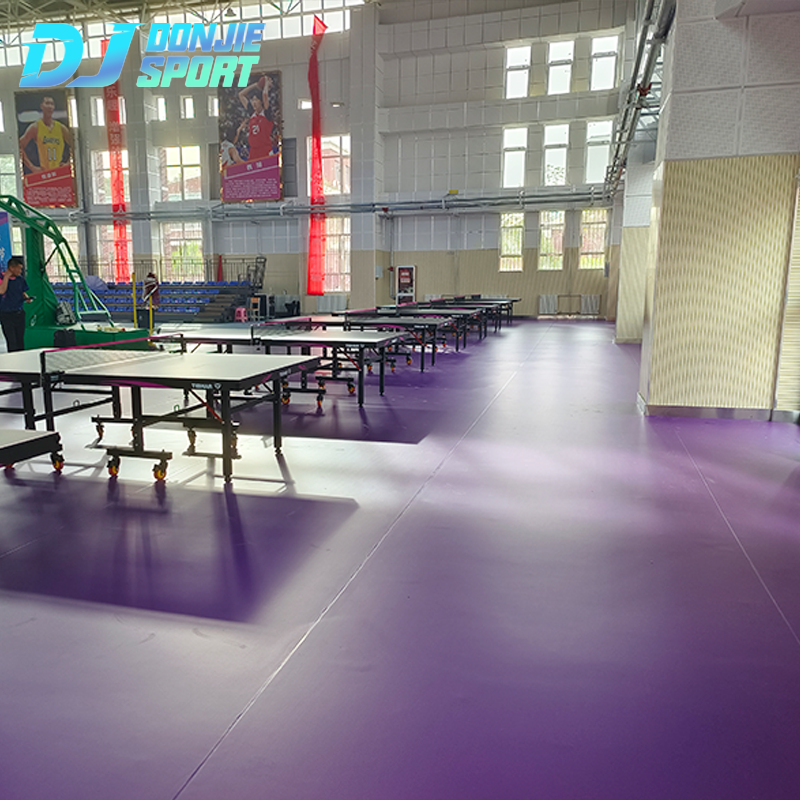
Choosing the Right Table Tennis Flooring
Selecting the best Table Tennis Flooring requires consideration of several factors. Athletes should evaluate the level of competition, training frequency, and specific performance needs. Facility managers must account for maintenance requirements, budget constraints, and the indoor environment. Other factors include floor thickness, material type, and installation method. Consulting with experts and testing different flooring options in practice settings can help ensure the chosen surface enhances performance, safety, and comfort. The right flooring investment is crucial for fostering long-term athletic development and competitive success.
Conclusion
Professional athletes deserve the best possible playing conditions, and choosing the right Table Tennis Flooring is essential for performance, safety, and long-term durability. From the classic elegance of solid and engineered wood to the modern functionality of PVC, rubber, and interlocking modular systems, each option offers unique benefits tailored to professional play. Prioritizing high-quality flooring ensures consistent bounce, superior traction, and optimal shock absorption, helping athletes train and compete at their peak. Investing in the ideal flooring is not just a matter of facility design—it is a critical factor in achieving professional excellence on the table tennis court.