Choosing the right Table Tennis Flooring is one of the most important decisions when designing or upgrading a table tennis court. Unlike general-purpose sports surfaces, table tennis floors must support fast footwork, precise balance, and consistent ball behavior while protecting players from fatigue and injury. The right flooring material directly influences performance quality, safety standards, and long-term usability. Understanding which materials work best for table tennis courts helps facility owners, clubs, and athletes create an environment that supports both competitive and recreational play.
Understanding the Role of Flooring in Table Tennis
Table tennis is a fast-paced sport that relies heavily on quick directional changes, lateral movement, and stable foot positioning. Table Tennis Flooring must provide reliable grip to prevent slipping while allowing smooth movement across the court. A surface with proper shock absorption reduces impact stress on ankles, knees, and lower back during repeated play. Additionally, consistent surface texture ensures predictable ball bounce near the floor, which is especially important during professional-level rallies and defensive play.
Hardwood Flooring for Table Tennis Courts
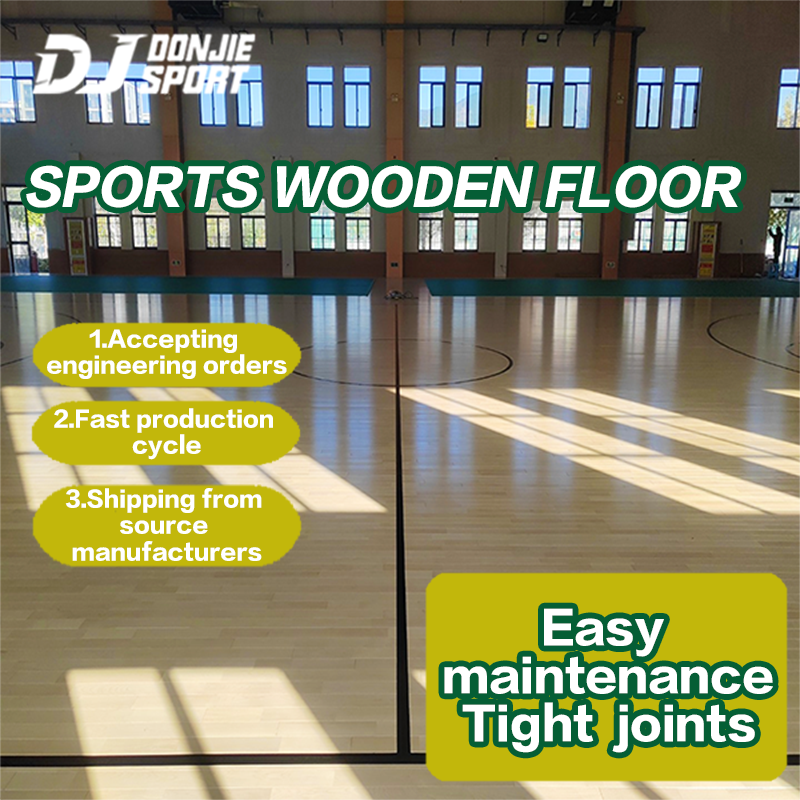
Hardwood is a traditional choice for professional indoor sports venues and remains a respected option for Table Tennis Flooring. Known for its smooth surface and natural elasticity, hardwood flooring offers excellent ball response and stable footing. It supports fast movement and delivers a premium playing experience, making it suitable for tournament halls and high-end sports facilities. However, hardwood requires regular maintenance, controlled indoor conditions, and a higher initial investment. Moisture sensitivity and surface wear are factors that must be carefully managed to maintain performance quality over time.
Synthetic PVC Table Tennis Flooring
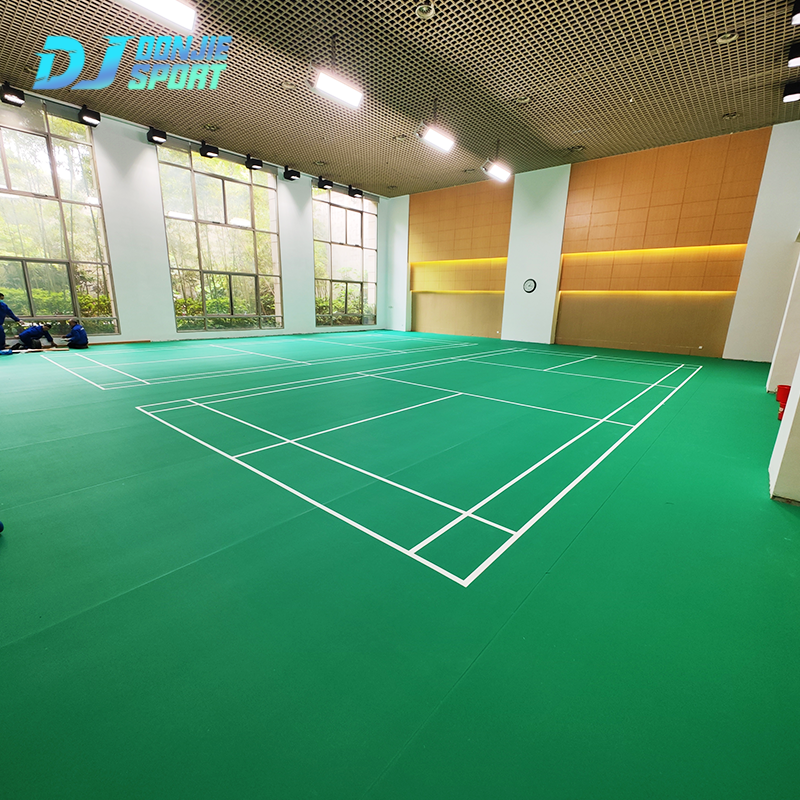
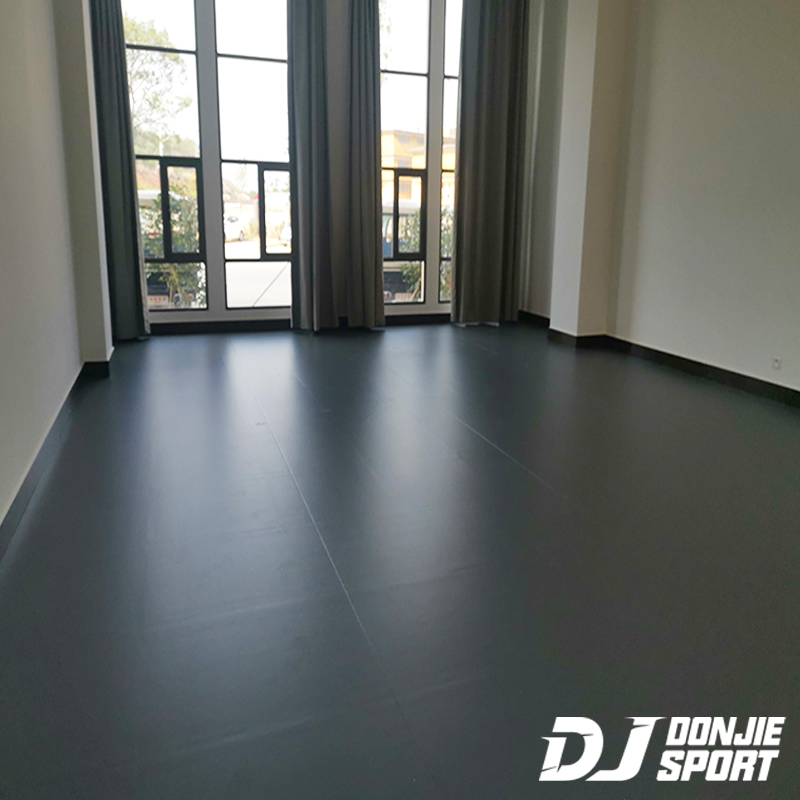
PVC sports flooring has become one of the most popular materials for modern Table Tennis Flooring due to its balanced performance and practicality. Designed specifically for indoor sports, PVC flooring features multi-layer structures that include wear-resistant surfaces, reinforced fiberglass layers, and cushioned backing. This construction provides outstanding shock absorption, slip resistance, and comfort during long training sessions. PVC flooring also offers consistent surface texture, easy installation, and low maintenance requirements, making it ideal for clubs, schools, training centers, and multi-purpose sports halls.
Rubber Flooring in Table Tennis Facilities
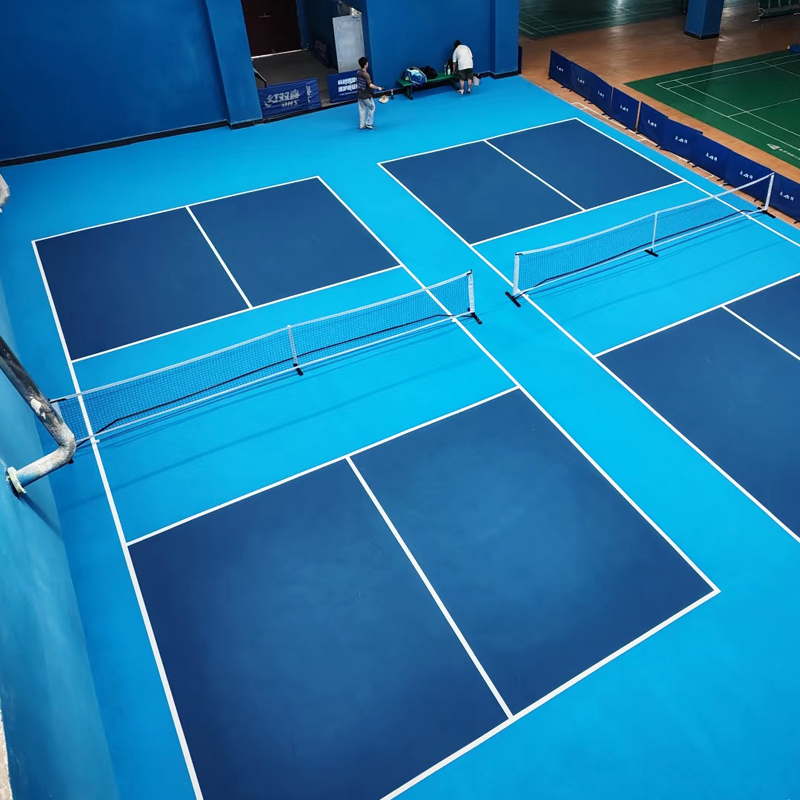
Rubber flooring is commonly used in recreational and training-focused table tennis environments where comfort and safety are priorities. Its naturally high grip and cushioning properties help reduce joint strain and minimize the risk of slipping. Rubber Table Tennis Flooring is also effective at noise reduction, which is beneficial in shared sports facilities. However, rubber surfaces may not provide the same level of speed or ball response preferred in competitive settings, making them more suitable for practice areas rather than professional courts.
Modular Interlocking Tiles for Table Tennis Flooring
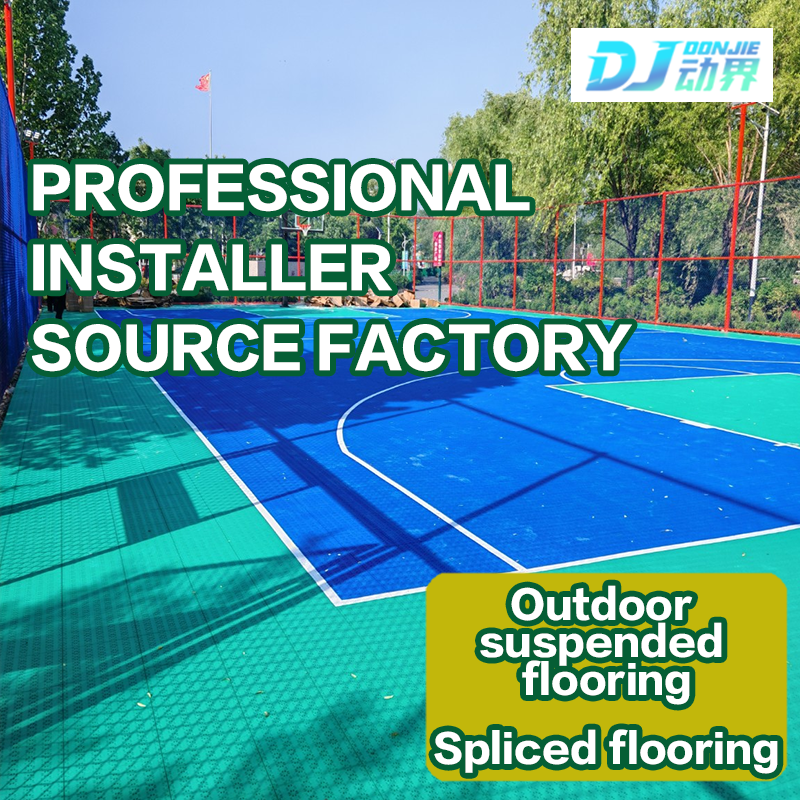
Modular interlocking flooring systems offer flexibility and convenience for temporary or adaptable table tennis spaces. These systems are often made from modified polypropylene or synthetic composites and are designed for quick installation and removal. Interlocking Table Tennis Flooring is easy to maintain, portable, and suitable for multi-use venues that frequently reconfigure layouts. While they provide solid durability and acceptable traction, performance characteristics may vary depending on surface design and material quality, making them more appropriate for community centers and training halls.
Factors to Consider When Choosing Table Tennis Flooring Materials
Selecting the best Table Tennis Flooring material depends on several critical factors. Indoor environments require stable surfaces with controlled friction and cushioning. Budget considerations include not only initial cost but also maintenance and lifespan. Durability is essential for high-traffic courts, while compliance with sports performance standards ensures safety and consistency. Facility purpose also matters, as professional competition courts demand different performance characteristics than recreational or educational spaces.
Enhancing Player Performance with the Right Flooring
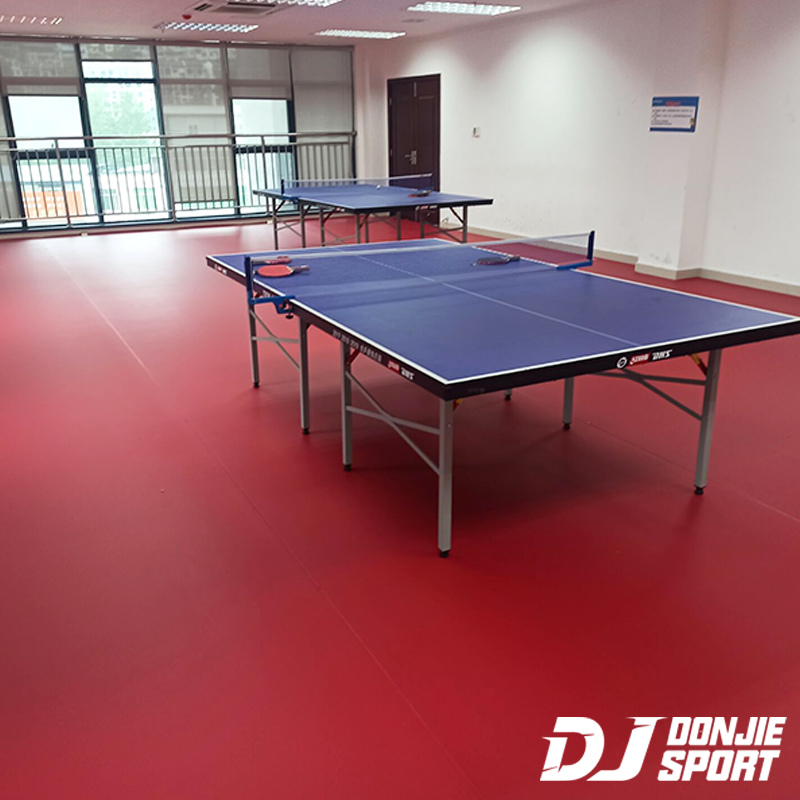
The correct Table Tennis Flooring enhances speed, balance, and confidence during play. A surface with reliable grip allows players to execute aggressive footwork without hesitation. Shock-absorbing materials reduce fatigue, enabling longer training sessions and improved endurance. Over time, high-quality flooring helps protect joints and muscles, supporting player health and performance longevity. The psychological benefit of playing on a professional-grade surface also contributes to better focus and competitive confidence.
Conclusion
Understanding the best materials for Table Tennis Flooring is essential for creating a safe, high-performance playing environment. Hardwood offers tradition and premium feel, PVC provides balanced performance and versatility, rubber emphasizes comfort and safety, and modular tiles deliver flexibility. Each material serves a specific purpose depending on facility needs and player expectations. By selecting the right flooring material, table tennis courts can achieve optimal performance, durability, and long-term value.