When it comes to table tennis, the right flooring plays a crucial role in both the performance and safety of players. Unlike many other sports, where surface friction might be less of a concern, table tennis requires a flooring solution that offers precise ball bounce, grip, and comfort for athletes. A high-quality table tennis court floor will not only improve the overall experience for players but also extend the lifespan of the equipment, including the tables themselves.
Different flooring materials offer various advantages, and the right choice depends on factors like play frequency, venue type, and budget. This guide aims to walk you through the best flooring options available, their unique benefits, and how to choose the best flooring for your table tennis court. Whether you’re building a new court or upgrading an existing one, this guide will provide valuable insights into making an informed decision.
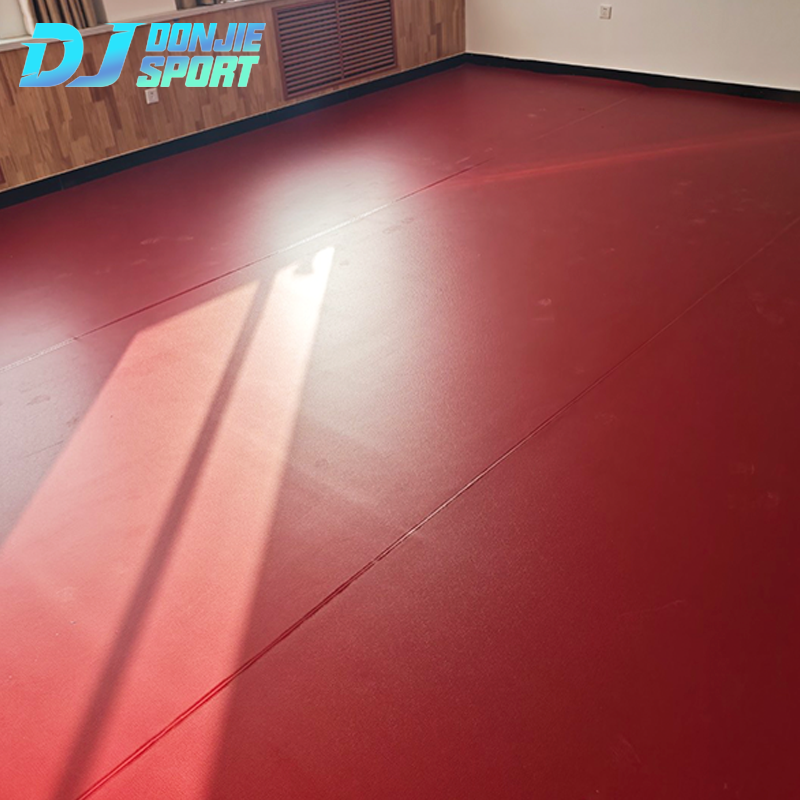
Factors to Consider When Choosing the Best Flooring for Table Tennis
Selecting the best flooring for table tennis court goes beyond just aesthetics. To make the right choice, it’s essential to consider a few key factors that directly affect the quality of play and longevity of your investment.
Importance of Shock Absorption
One of the primary concerns when selecting flooring for a table tennis court is ensuring adequate shock absorption. A good shock-absorbing surface helps reduce the strain on players’ joints, especially during fast movements and intense matches. Floors that provide proper cushioning also minimize fatigue and injury risks, making them an ideal choice for long training sessions or professional matches.
Surface Texture for Optimal Ball Bounce and Grip
The texture of the floor has a significant impact on the game itself. A well-designed floor offers the right balance of grip and smoothness, which ensures that the ball bounces predictably and consistently. A too-slick surface can cause the ball to roll unpredictably, while a surface with too much friction may affect fast gameplay. It’s vital to find a flooring option that suits both speed and accuracy, allowing players to perform at their best.
Durability and Maintenance Considerations
Table tennis courts, whether indoor or professional, see frequent foot traffic and heavy use. Durability is a key factor, as you want a floor that can withstand constant impact and wear without needing frequent repairs. Additionally, low maintenance flooring options save time and money. Some materials may require more regular cleaning and care to maintain their performance, while others are more resilient and require minimal attention.
Budget and Long-Term Investment
While it might be tempting to go for the cheapest flooring option, it’s important to consider the long-term value. A floor that is more expensive upfront may save you money in the long run due to its durability and minimal maintenance needs. It’s essential to weigh initial costs against the anticipated lifespan and performance of the floor to make the most cost-effective choice.
Types of Flooring for Table Tennis Courts
Now that we’ve discussed the key factors to consider, let’s explore some of the best flooring options available for table tennis courts.
PVC Flooring: Advantages and Ideal Use Cases
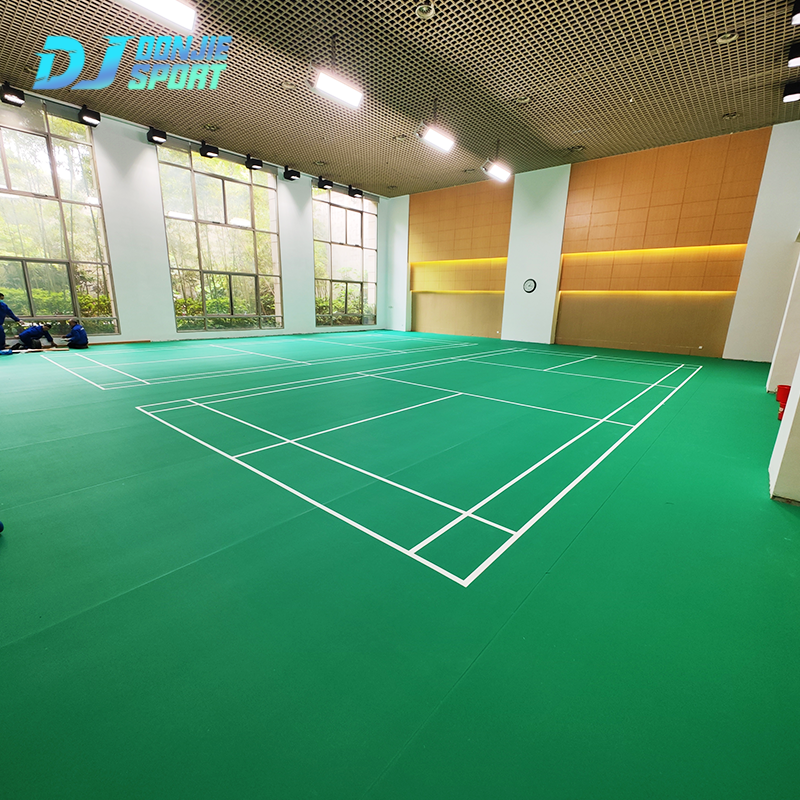
PVC (polyvinyl chloride) flooring is a popular choice for table tennis courts due to its affordability, durability, and ease of installation. It provides excellent shock absorption and a smooth, consistent surface, ensuring that the ball bounces evenly across the entire court. PVC floors are also highly resistant to moisture, making them suitable for both indoor and high-humidity environments.
PVC flooring comes in various designs and colors, allowing you to choose an aesthetic that fits your space. The installation process is relatively straightforward, especially with interlocking PVC tiles. This option is great for schools, community centers, and clubs looking for a cost-effective yet high-performing flooring solution.
Rubber Flooring: Benefits for Noise Reduction and Comfort
Rubber flooring is another excellent option, especially for indoor courts. Its natural elasticity provides superior shock absorption, reducing the impact on players’ joints. It also helps minimize noise, making it an ideal choice for multi-purpose venues where sound control is essential.
Rubber flooring can be quite durable and resistant to wear, making it a long-term investment. However, it might be a bit more expensive than PVC flooring, and while it offers great traction, it can sometimes become slippery when wet. It’s perfect for gyms or facilities that host intense training sessions, as it provides a non-slip surface and reduces the risk of injury.
Wooden Flooring: Traditional Choice for Professional Settings
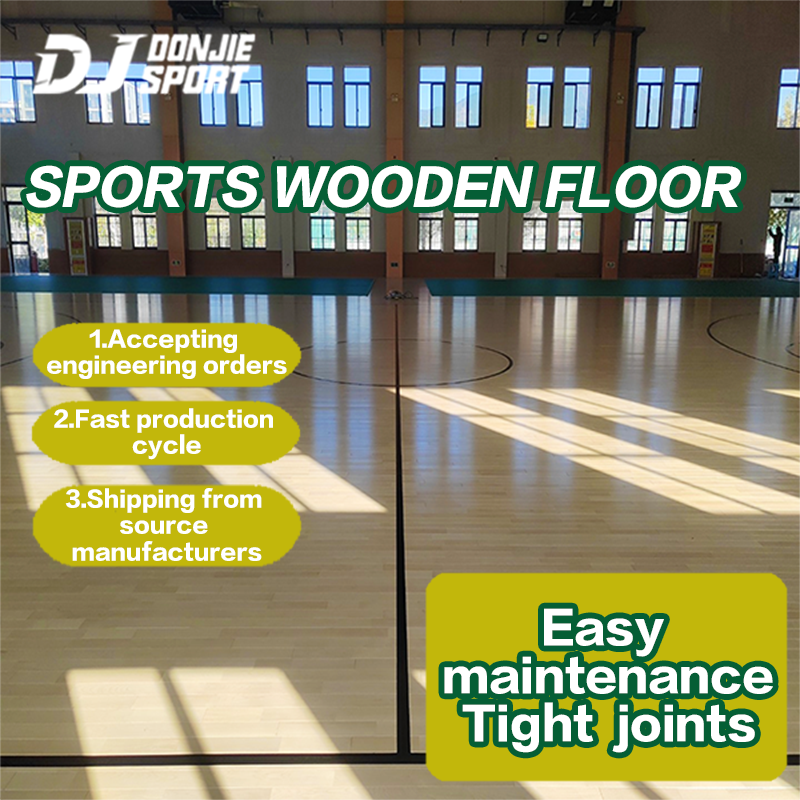
Wooden flooring is the classic choice for professional table tennis venues and is often found in tournament settings. It provides a smooth, high-performance surface that ensures consistent bounce and excellent ball control. Wooden floors are also known for their aesthetic appeal, offering a sophisticated, elegant look that’s hard to match with other materials.
However, wooden floors require regular maintenance to prevent warping or damage from moisture. They also tend to be more expensive than other options, which might make them less ideal for smaller venues or recreational settings. Despite this, many professional players prefer wooden floors due to their authenticity and unmatched feel.
Vinyl Flooring: Cost-Effective and Versatile Options
Vinyl flooring offers a great balance of affordability, durability, and performance. It’s easy to install and maintain, and it provides a smooth, cushioned surface that ensures consistent ball bounce. Vinyl is also resistant to moisture, making it a good option for indoor courts or environments that are exposed to humidity.
Vinyl flooring comes in a variety of designs, so you can choose one that matches your venue’s aesthetic. While it may not provide the same level of luxury as wooden floors, it offers a cost-effective solution without sacrificing too much in terms of performance.
Sports Tiles: Interlocking Flooring Systems for Easy Installation
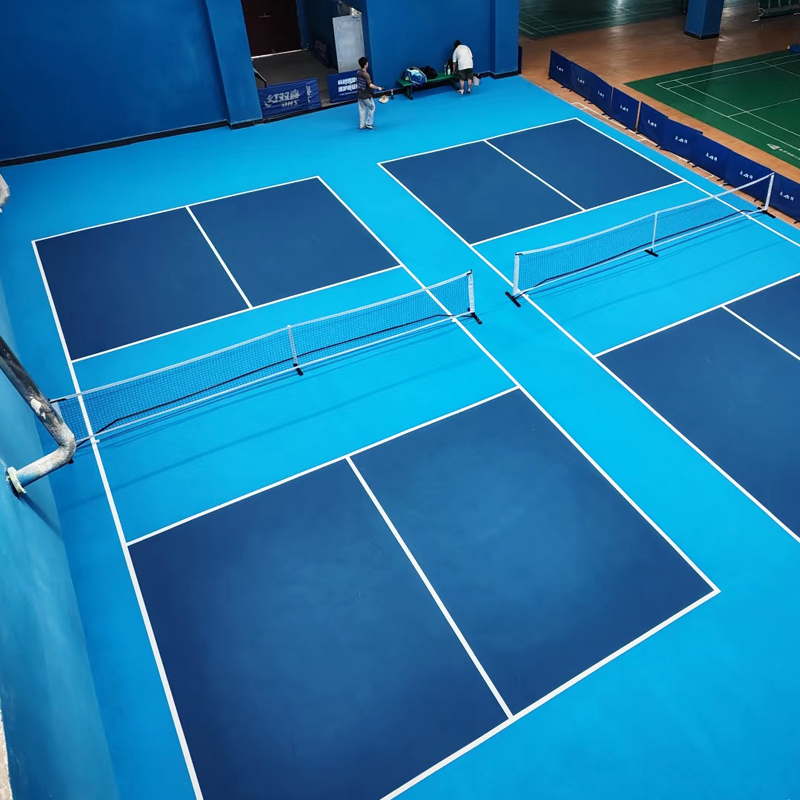
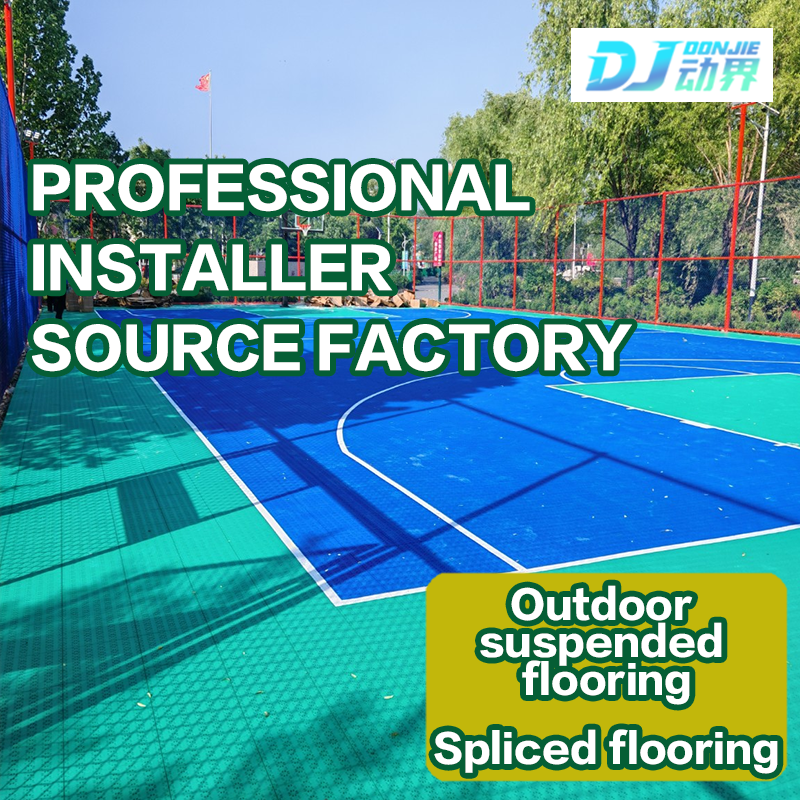
Sports tiles are a convenient flooring option that provides ease of installation and maintenance. These interlocking tiles are typically made from PVC or rubber materials and can be assembled without the need for adhesives. This makes them perfect for venues that require a quick and easy setup.
Sports tiles offer shock absorption, non-slip surfaces, and durability, making them a solid choice for schools, community centers, or recreational spaces. They are especially useful for areas where you may need to set up and remove the court regularly, such as in multi-purpose halls or temporary sports venues.
Comparing the Best Flooring Options for Table Tennis
To help you make the right decision, here’s a quick comparison of the different flooring options for table tennis:
-
PVC Flooring: Affordable, easy to maintain, and highly durable. Ideal for schools and recreational spaces.
-
Rubber Flooring: Excellent shock absorption and noise reduction. Perfect for gyms or multi-use spaces.
-
Wooden Flooring: High-end, professional option with superb ball control. Best for tournament or professional settings.
-
Vinyl Flooring: Cost-effective and low-maintenance. Suitable for indoor courts.
-
Sports Tiles: Easy to install and replace. Great for temporary setups or multi-purpose venues.
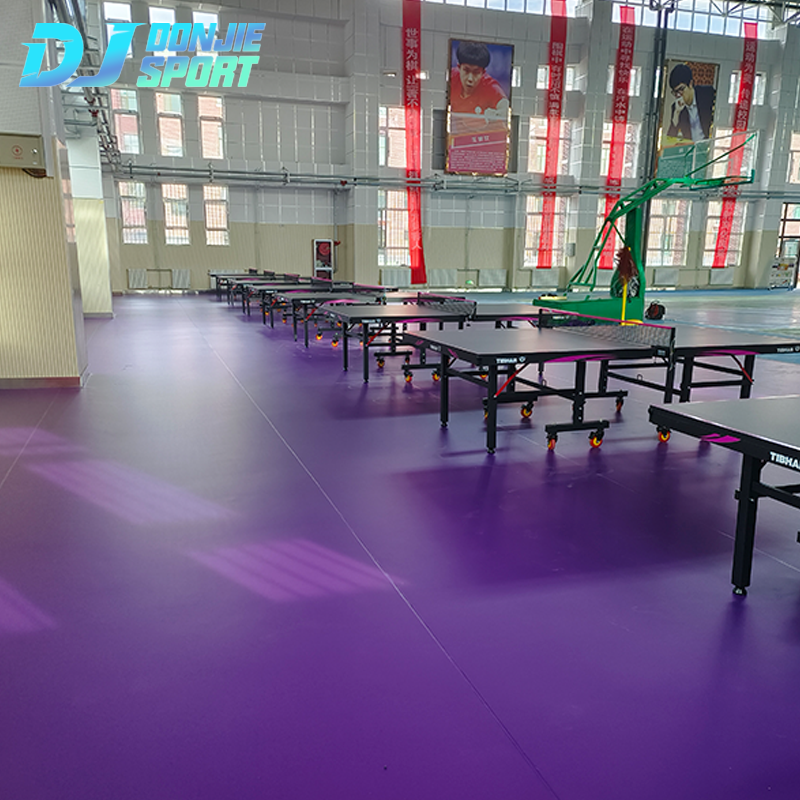
Installation Tips for Table Tennis Court Flooring
When it comes to installation, it’s important to follow best practices to ensure that your flooring performs optimally. Some flooring options, like PVC tiles or interlocking sports tiles, can be installed by DIY enthusiasts, while others, such as wooden floors, may require professional installation.
For DIY installations, make sure to carefully follow the manufacturer’s guidelines to ensure that the tiles or planks are aligned correctly. Professional installation might be necessary for larger venues or more complex flooring systems, especially for wooden floors, which require precision and expertise to avoid any gaps or uneven surfaces.
Maintaining Your Table Tennis Court Flooring
Proper maintenance is crucial to extending the life of your table tennis court flooring. For PVC, rubber, and vinyl floors, regular cleaning with mild detergents and a damp mop is usually sufficient to keep the surface in good condition. Wooden floors, on the other hand, may require periodic refinishing and protection from moisture to maintain their appearance and performance.
Conclusion
Choosing the best flooring for your table tennis court is essential for enhancing the performance of players and ensuring the longevity of the space. Each flooring option offers its own set of benefits, and the best choice depends on factors such as budget, usage frequency, and performance needs. By considering factors like shock absorption, surface texture, and durability, you can select a flooring solution that provides the ideal environment for table tennis.