
In the fast-paced world of table tennis, every aspect of the game counts, from the player’s skill to the condition of the court. While the right paddle and ball are essential, the type of flooring you choose for your court plays a pivotal role in determining both player performance and safety. A proper playing surface doesn’t just provide a foundation for the game, but it also impacts player movement, comfort, and even the accuracy of the ball’s bounce.
High-quality table tennis flooring is designed to support the unique demands of this sport. Whether you’re setting up a professional tournament arena or a recreational space, choosing the right flooring is crucial. In this post, we’ll explore why flooring matters, the types of flooring available, and how to select the best one to maximize court performance.

Understanding the Different Types of Table Tennis Flooring
When it comes to table tennis flooring, several options are available, each with unique benefits that cater to different needs. Choosing the right type of flooring for your court can significantly impact gameplay and player comfort. Here’s a breakdown of the most popular flooring materials used for table tennis courts:
Wooden Flooring
Wooden floors have been the traditional choice for table tennis courts for years, particularly in indoor environments. This type of flooring offers excellent grip and consistent bounce, which are crucial for competitive play. The natural texture of wood provides players with a reliable surface, while the material’s natural shock absorption helps reduce joint stress during long matches.
PVC Flooring
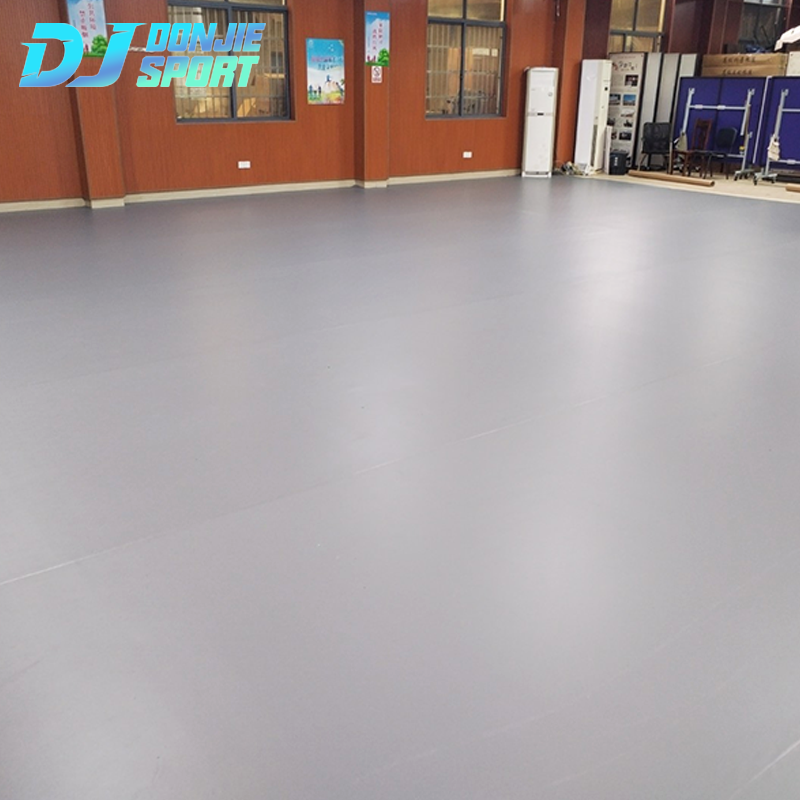
PVC flooring is one of the most popular choices for modern table tennis courts. It combines durability, low maintenance, and a consistent bounce, making it a top choice for high-traffic venues like schools and sports clubs. PVC floors are typically designed with cushioning layers to enhance comfort and prevent injuries. Their high durability ensures that they can withstand heavy use while maintaining optimal performance.
Rubber Flooring
Rubber flooring is another excellent option for table tennis courts, offering superior shock absorption. Its cushioned surface not only enhances comfort but also reduces the risk of fatigue and injury during extended play. Rubber floors are known for their ability to minimize impact, making them ideal for training facilities or environments where players practice for long hours.
Interlocking Flooring
Interlocking flooring tiles are increasingly popular for table tennis courts due to their easy installation and flexibility. These tiles can be assembled and disassembled quickly, making them ideal for multi-purpose sports facilities or temporary setups. Interlocking tiles provide a stable surface with good traction, though they may not offer the same level of consistency as solid flooring options like wood or PVC.
Key Features to Look for in Table Tennis Flooring
Selecting the right table tennis flooring is about more than just aesthetics or price. To maximize player performance, there are several key features to consider when choosing the best flooring for your court:
Grip and Traction
The surface of your court must offer the right level of grip and traction to ensure that players can move freely and with confidence. A flooring that is too slippery can result in dangerous slips and falls, while flooring that’s too grippy can cause players to struggle with foot movement. A balanced grip allows for quick footwork, sharp turns, and fast reactions during play.
Shock Absorption
Long matches or intense training sessions can put a strain on players’ joints. Flooring that offers proper shock absorption helps mitigate the impact on the body, reducing the risk of injuries such as knee or ankle strains. Look for flooring materials with cushioning layers to provide comfort without compromising performance.
Consistency in Bounce
The quality of the floor can affect how the ball bounces. For a fair and competitive game, it’s essential that the bounce is consistent across the entire surface of the court. High-quality flooring materials, such as PVC flooring, offer even bounce distribution, ensuring that the game is played according to standard rules.
Durability and Maintenance
Table tennis courts see a lot of activity, so durability is key. Opt for flooring that is not only strong enough to withstand heavy foot traffic but also easy to maintain. Materials like PVC and rubber are both durable and relatively easy to clean, making them ideal for sports venues where maintenance is crucial to maintaining performance.
Safety Features
Safety should always be a top priority. Non-slip surfaces are essential for preventing accidents and injuries. When selecting flooring, ensure that the material you choose provides a safe, stable surface for players, particularly for high-intensity play.
How Table Tennis Flooring Affects Player Performance
The right table tennis flooring can directly impact how players perform during matches. Flooring materials that provide good grip, consistent bounce, and sufficient cushioning can enhance a player’s ability to move quickly, react faster, and maintain comfort throughout the game.
Players will notice improvements in their overall performance when the court surface supports their natural movements. Whether it’s the ability to pivot quickly or to maintain a steady stance, high-quality flooring gives players the confidence to execute their best moves. In fact, feedback from professional players consistently highlights that the right flooring can make a significant difference in how they approach their game.
Choosing the Best Table Tennis Flooring for Your Court
Selecting the best flooring for your table tennis court involves several considerations. Factors such as budget, the type of venue, and the level of play will help guide your decision. Here are a few tips for making the right choice:
-
Budget: While wooden floors can be expensive, PVC flooring offers a more affordable yet high-performing alternative. Consider the long-term costs, including maintenance and installation, when setting your budget.
-
Facility Type: If you’re outfitting a professional venue or training facility, you may want to opt for wooden or PVC floors for the best performance. For schools or recreational spaces, interlocking flooring tiles may offer a cost-effective and flexible option.
-
Frequency of Use: For courts with heavy foot traffic, materials like PVC and rubber flooring that offer durability and low maintenance are ideal. If the court is used occasionally, you might opt for a premium wood surface to enhance aesthetics.
Installing and Maintaining Table Tennis Flooring
Once you’ve chosen the right table tennis flooring, the next step is ensuring proper installation and maintenance. For optimal performance, flooring must be installed according to manufacturer instructions. Improper installation can lead to issues such as uneven surfaces or compromised durability.
Regular cleaning and maintenance are crucial for maintaining the integrity of the flooring. PVC flooring and rubber flooring typically require minimal upkeep, but it’s essential to clean them regularly to avoid dirt buildup. For wooden floors, it’s important to polish the surface and check for wear and tear over time.
Investing in the Right Flooring for Long-Term Success
In conclusion, choosing the right table tennis flooring is essential for maximizing performance, comfort, and safety. Whether you opt for traditional wood, durable PVC, or cushioned rubber, each flooring material has its advantages depending on your specific needs. By considering factors like grip, bounce consistency, and durability, you can ensure that your players have the best possible experience on the court.
Investing in quality flooring not only improves gameplay but also reduces the risk of injury and supports long-term court performance. Ultimately, the right flooring will help elevate your game to new heights, providing a solid foundation for every match.



