When it comes to building or upgrading an outdoor basketball court, choosing the right flooring is crucial. Not only does it impact the aesthetics of the court, but it also directly affects player performance, safety, and the ease of maintenance. For facilities that host frequent games, tournaments, or casual play, selecting flooring that can withstand weather elements and heavy use is essential. The right flooring enhances the experience for athletes, reduces long-term repair costs, and ensures the court remains functional and visually appealing for years.
Key Factors to Consider When Choosing Outdoor Basketball Court Flooring
When deciding on the best outdoor basketball court flooring, several key factors should be considered to ensure long-term performance and safety:
Weather Resistance and Durability
Outdoor basketball courts are exposed to harsh environmental conditions such as rain, intense sunlight, and fluctuating temperatures. The flooring you choose should be capable of withstanding these elements without compromising performance. Materials like modular interlocking flooring and PVC sports flooring are known for their durability in challenging weather conditions.
Maintenance and Cleaning Requirements
The ease of maintenance is another important consideration. While some outdoor court flooring materials may require frequent cleaning or maintenance, others, such as PVC flooring, are designed to be low-maintenance and easy to clean, ensuring your court stays in top shape with minimal effort.
Cost Considerations
Budget plays a key role in flooring selection. Modular interlocking flooring is often more affordable and offers the flexibility of easy installation and repairs, while PVC flooring may have a higher upfront cost but offers greater durability and a longer lifespan, making it a solid investment for the long term.
Aesthetic Appeal and Customization Options
The look of the court is important, especially if it’s used for community events or professional games. Many modular flooring options allow for customization, letting you choose colors and designs that match your branding or aesthetic preferences.
Player Comfort and Safety
The quality of the flooring affects player comfort and safety. Surfaces with better shock absorption help reduce the risk of injuries, and both modular interlocking flooring and PVC flooring offer excellent cushioning and traction, allowing players to perform at their best.

How Modular Interlocking Flooring Enhances Outdoor Basketball Courts
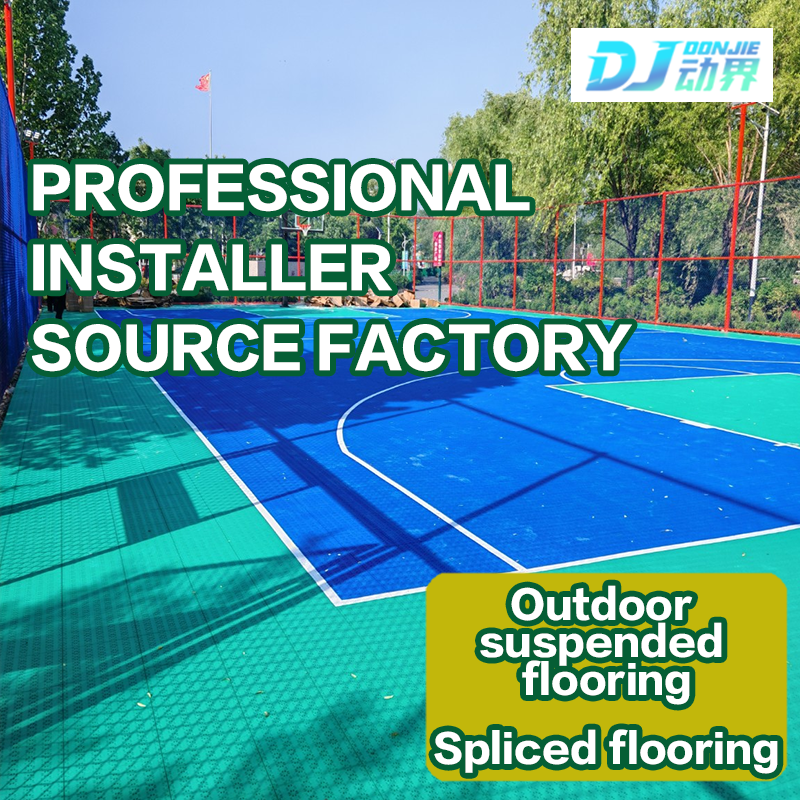
Modular interlocking flooring is a versatile and popular choice for outdoor basketball courts. Its interlocking tiles can be easily assembled without the need for adhesives, making installation straightforward. If any tile becomes damaged, it can be quickly replaced, ensuring minimal downtime for the court.
Additionally, modular flooring is designed to be weather-resistant, making it ideal for areas with extreme weather conditions. It provides an excellent level of grip and cushioning, which not only enhances player performance but also helps in reducing the risk of injury.
One of the key advantages of modular interlocking flooring is its adaptability. It can be used on various surfaces, whether you are renovating an existing outdoor court or building a new one. The tiles are typically made from high-quality polypropylene, offering both durability and flexibility.
Why PVC Sports Flooring is a Top Choice for Outdoor Basketball Courts
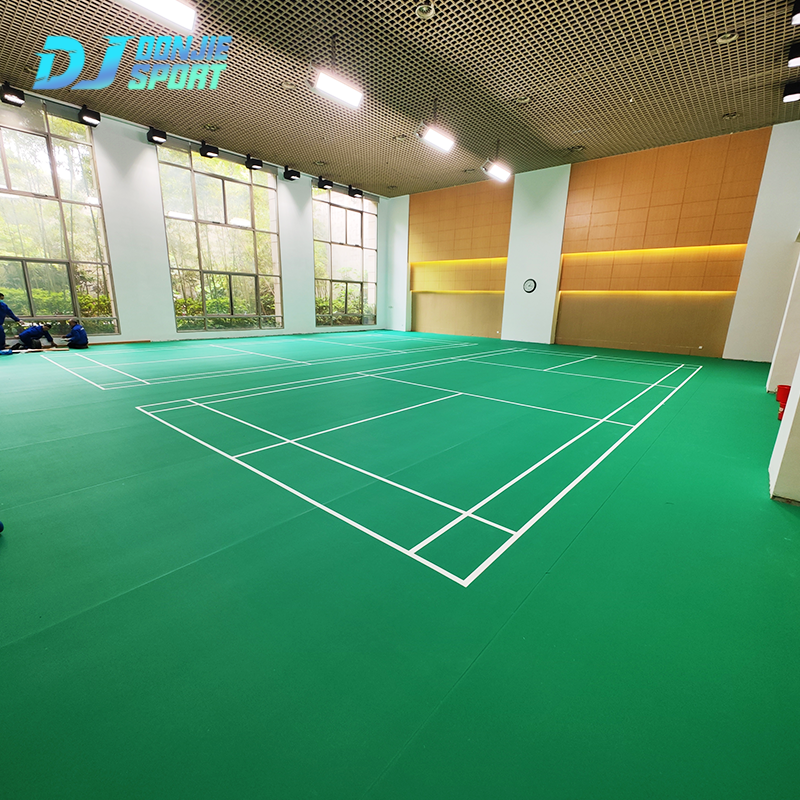
PVC sports flooring is another excellent option for outdoor basketball courts. It is highly durable and resistant to harsh outdoor conditions, including UV exposure, water, and temperature changes. This flooring material is known for its resilience and longevity, making it an ideal choice for courts that will see heavy foot traffic and intense play.
PVC sports flooring is also designed with player safety and comfort in mind. Its shock-absorbing qualities help reduce the impact on players’ joints, making it a preferred choice for facilities that host long hours of play. Additionally, PVC flooring requires less maintenance compared to other materials like asphalt or concrete, as it can be easily cleaned with a mop or pressure washer.
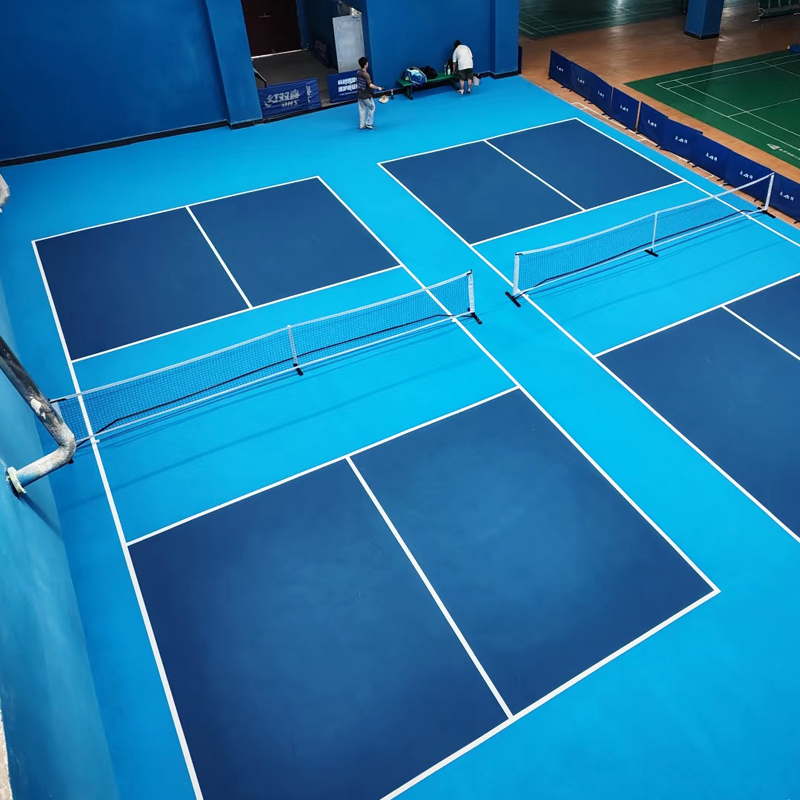
Another major benefit of PVC sports flooring is its versatility. It is available in a variety of colors and textures, allowing you to customize the look of your court. Whether you are building a court for professional athletes or a recreational facility, PVC flooring offers both functionality and aesthetics.
Additional Flooring Options for Outdoor Basketball Courts
While modular interlocking flooring and PVC sports flooring are two of the most popular choices for outdoor basketball courts, it’s important to consider other flooring materials depending on your specific needs and budget.
Asphalt Flooring
Asphalt is a common choice for outdoor basketball courts due to its affordability and availability. It provides a solid, durable surface but lacks the shock-absorbing properties of modular or PVC flooring. Asphalt is also prone to cracking over time, especially in areas with extreme weather conditions. Maintenance can be costly if cracks and damage occur frequently, making it a less ideal option for high-traffic courts.
Concrete Flooring
Concrete is another widely used option for outdoor basketball courts. It offers a durable, smooth surface but can be very hard on players’ joints, especially during prolonged games or practices. Concrete courts often require additional coatings or treatments to enhance traction and reduce slipperiness. Like asphalt, concrete is also subject to weather-related wear and tear and may require periodic maintenance to keep it in good condition.
Rubber Flooring
Rubber flooring is gaining popularity in some outdoor court installations due to its shock-absorbing qualities. While it’s an excellent choice for protecting players’ joints, rubber surfaces may not provide the same level of grip or stability as modular interlocking or PVC sports flooring. Furthermore, rubber surfaces can be more expensive and may degrade over time when exposed to UV rays.
Making the Right Decision: Comparing All Options
Now that we’ve explored the various flooring options, it’s essential to compare the benefits and drawbacks of modular interlocking flooring and PVC sports flooring to determine which is best suited for your outdoor basketball court.
Pros and Cons of Modular Interlocking Flooring
Pros:
-
Easy and quick installation
-
Highly durable and weather-resistant
-
Customizable colors and designs
-
Low maintenance with easy tile replacement
-
Non-slip surface for enhanced player safety
Cons:
-
May require periodic cleaning depending on usage
-
Higher initial cost compared to basic materials like asphalt or concrete
Pros and Cons of PVC Sports Flooring
Pros:
-
Extremely durable and resistant to harsh outdoor elements
-
Provides excellent shock absorption and player comfort
-
Low maintenance with easy cleaning
-
Long lifespan, making it a good investment for high-traffic facilities
Cons:
-
Higher upfront cost compared to other flooring materials
-
Installation may require professional help for optimal results
Cost-Benefit Analysis
When choosing the best outdoor basketball court flooring for your facility, it’s essential to balance the initial cost with the long-term benefits. Modular interlocking flooring provides an affordable option for facilities on a tighter budget, especially if you plan to replace individual tiles as needed. On the other hand, PVC flooring, though more expensive initially, offers superior durability and lower maintenance costs over time.
If you prioritize player comfort and safety and are willing to invest in a long-lasting solution, PVC sports flooring is an excellent choice. However, for a more budget-friendly option that provides solid performance, modular interlocking flooring is a great alternative.
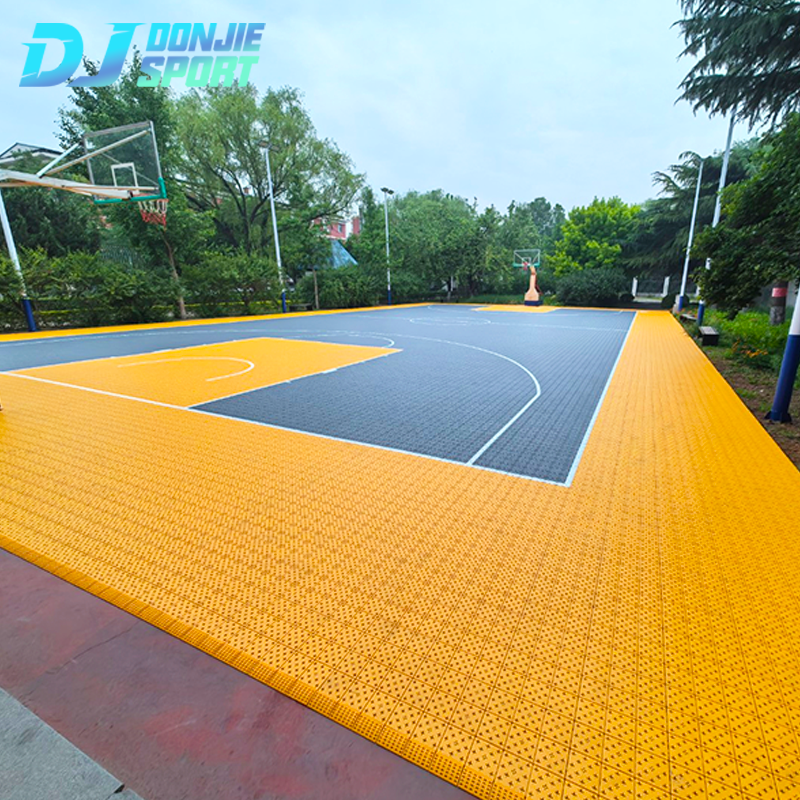
How to Choose the Best Outdoor Basketball Court Flooring for Your Facility
Choosing the best outdoor basketball court flooring for your facility ultimately depends on several factors, including budget, usage, and performance requirements. Both modular interlocking flooring and PVC sports flooring offer exceptional benefits that cater to different needs. Modular interlocking flooring provides an affordable, easy-to-install, and low-maintenance solution, making it ideal for facilities with frequent updates or limited budgets. On the other hand, PVC sports flooring is built to last, offering superior durability, comfort, and safety for players.
By understanding the advantages and limitations of each flooring option, you can make an informed decision that aligns with your facility’s long-term goals, ensuring optimal performance, player safety, and minimal maintenance costs. Whether you choose modular interlocking flooring or PVC sports flooring, both options promise to enhance the experience of players and elevate the quality of your basketball court.