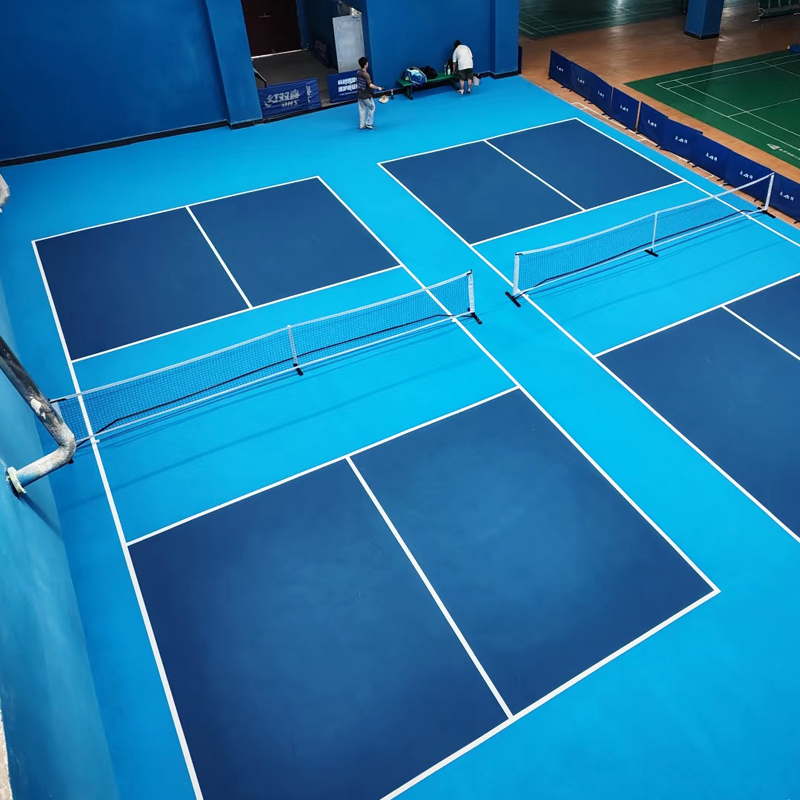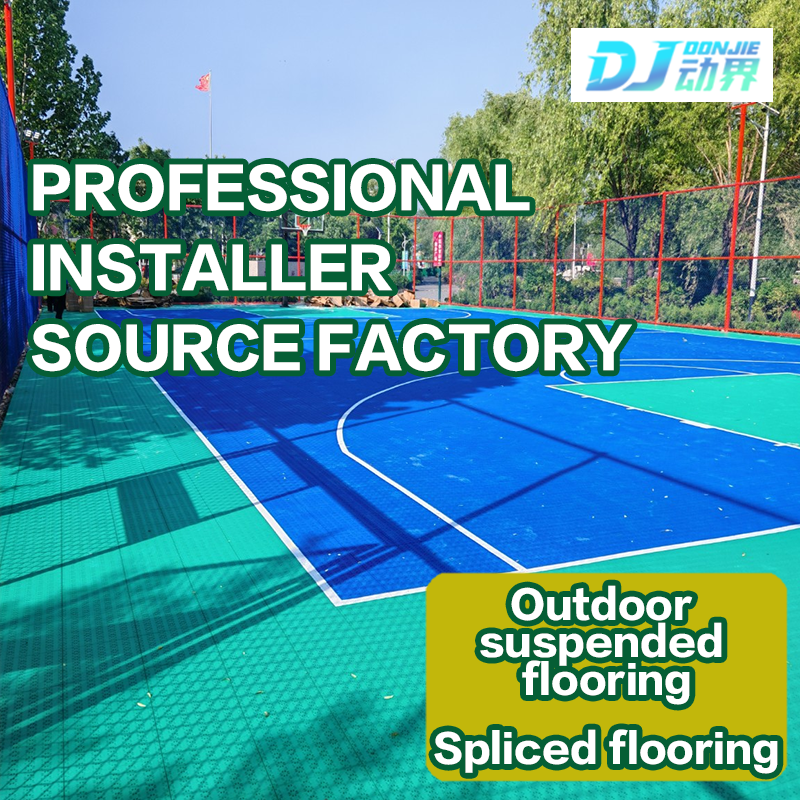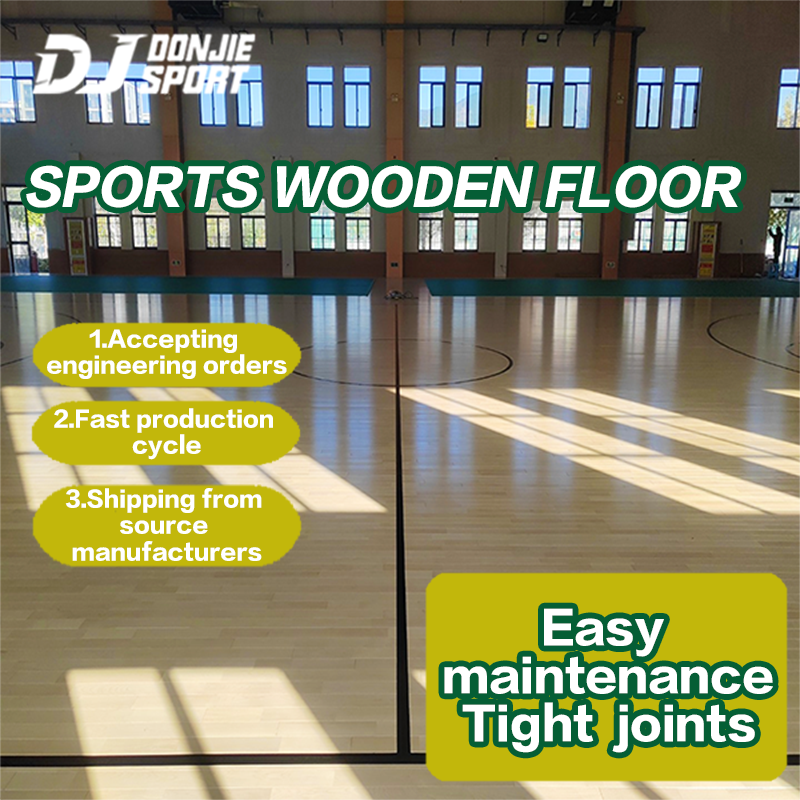
When it comes to outdoor basketball courts, the surface plays a crucial role in shaping the quality of the game. Not only does it affect how the ball bounces, but it also impacts player safety and comfort. Whether you’re setting up a court for recreational use or designing a professional-grade facility, understanding the different types of outdoor basketball court surfaces and their features is essential.
Choosing the right surface can enhance the playability of the court, providing players with the optimal grip, bounce, and protection from injury. Furthermore, the durability of the surface ensures that your investment lasts through various weather conditions, allowing for consistent performance over time. Let’s dive into the factors that make the right outdoor basketball court surface a game-changer.
Understanding Outdoor Basketball Court Surfaces
Outdoor basketball court surfaces are designed with different materials, each offering unique benefits and challenges. The choice of material can affect gameplay characteristics such as ball bounce, player grip, and overall court maintenance. Let’s explore the most popular types of outdoor basketball court surfaces:
Asphalt and Concrete
Asphalt and concrete are among the most common and traditional choices for outdoor basketball courts. They are durable, cost-effective, and offer a solid playing surface. However, these surfaces tend to be harder and can cause more impact on players’ joints. The ball bounces consistently on these surfaces, but there’s little cushioning, making them less forgiving than more advanced options.
Modular Court Tiles
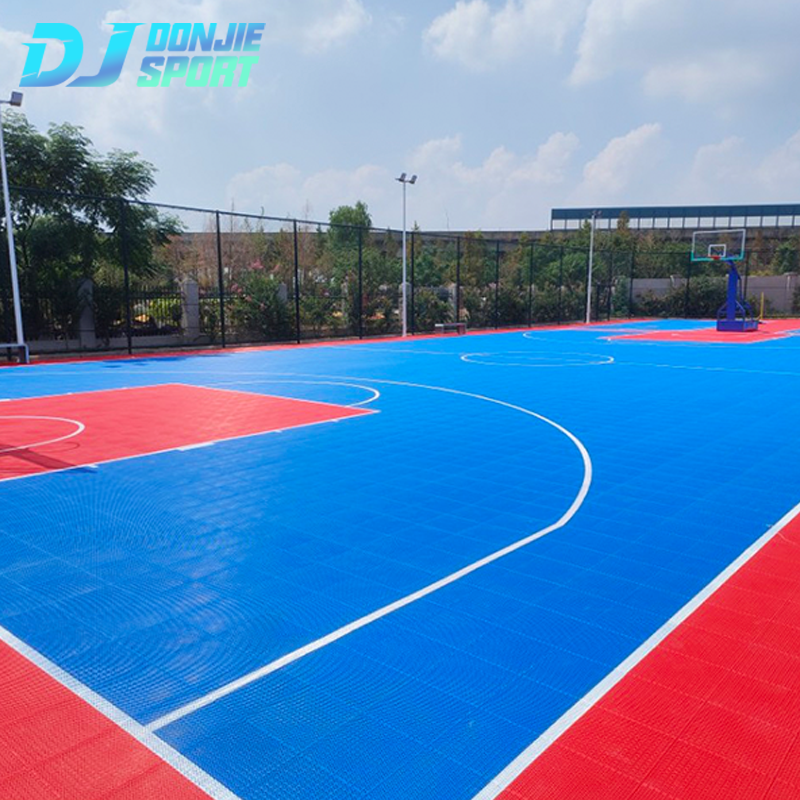
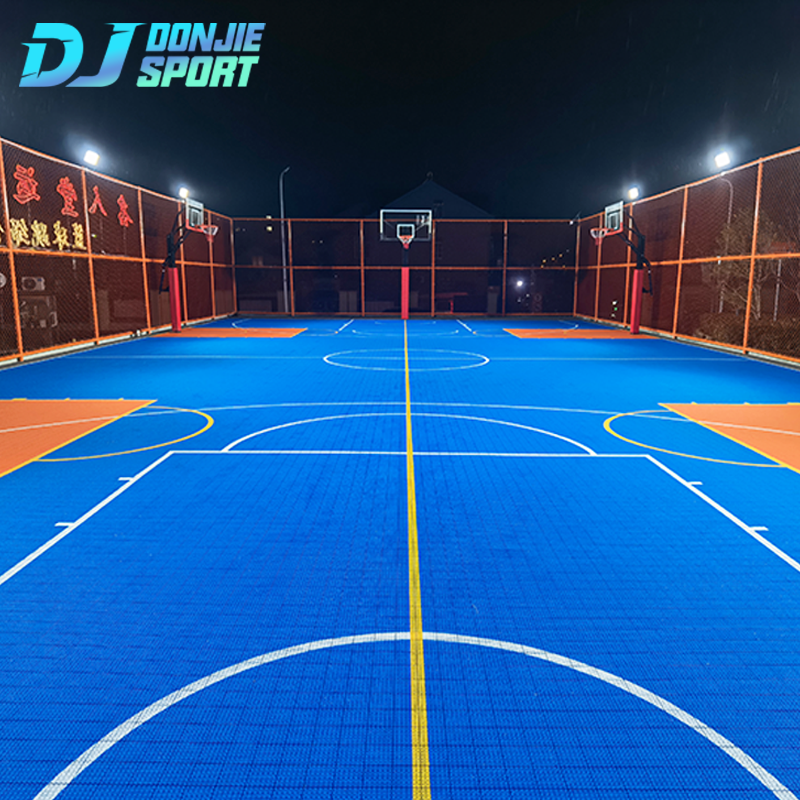
Modular court tiles are interlocking tiles made of materials like polypropylene. These tiles are easy to install and provide a customizable surface for your outdoor court. They offer excellent grip and shock absorption, making them a great choice for both recreational and professional play. The modular design allows for quick repairs and maintenance, as damaged tiles can be replaced individually without replacing the entire surface.
Rubber and Synthetic Options
Rubberized surfaces and synthetic options are becoming increasingly popular for outdoor basketball courts due to their shock-absorbent properties. Rubber flooring provides cushioning to reduce the impact on players’ joints, which can be beneficial for long games or frequent use. Synthetic surfaces, such as polyurethane or acrylic, are engineered to deliver consistent performance, offering a balance of durability, traction, and cushioning. These surfaces are often found on high-performance basketball courts and offer excellent resistance to outdoor elements like UV rays and moisture.
Key Factors to Consider for Playability
When selecting an outdoor basketball court surface, several factors can directly influence the playability of the court. Each of these aspects contributes to both the performance of the game and the safety of the players.
Durability
Outdoor courts are exposed to a variety of weather conditions, including rain, heat, and cold. Choosing a durable material is crucial to ensure that the surface lasts through these elements. Asphalt and concrete are tough and resilient, but modular tiles and synthetic surfaces are often designed specifically to withstand harsh weather without cracking or fading.
Traction
Traction is critical in outdoor basketball games. A surface that provides good grip helps players perform quick directional changes without risking slipping or falling. Surfaces like rubberized flooring and interlocking modular tiles are designed to enhance traction, while concrete or asphalt may require additional coatings to prevent it from becoming slippery when wet.
Shock Absorption
Injuries from impact can be a concern, especially for players who spend a lot of time on the court. Shock absorption in the flooring can reduce the likelihood of joint and muscle strain. Rubber and synthetic surfaces excel in this area, providing a softer playing experience that minimizes the impact on players’ knees, ankles, and back.
Weather Resistance
The weather is a major factor in the longevity and playability of an outdoor court. The surface needs to be resistant to the damaging effects of UV exposure, moisture, and temperature fluctuations. Materials like synthetic coatings or rubberized surfaces are often formulated to handle these challenges, making them ideal for outdoor environments.
How Different Surfaces Enhance the Game
Each surface type offers distinct benefits that can influence the quality of play and the overall experience on the court. Let’s dive deeper into how specific surfaces enhance the game.
Asphalt and Concrete
While asphalt and concrete are not as cushioned as other options, they are still highly durable and offer excellent bounce characteristics. They provide a firm, consistent playing field, which is especially beneficial for competitive play. These surfaces are ideal for areas with limited budget or where longevity is a priority, though they can be harder on players’ bodies due to their lack of shock absorption.
Modular Tiles
Modular tiles are perfect for courts that require a quick installation with minimal maintenance. The interlocking design not only simplifies setup but also ensures the tiles remain securely in place during heavy use. They offer superior grip and are customizable to suit different playing styles, making them popular for both recreational players and professional athletes. The ability to replace damaged tiles without disrupting the entire court is a major advantage.
Rubberized Flooring
Rubberized surfaces offer exceptional comfort for players due to their shock-absorbing properties. They minimize the risk of injury and provide a smoother, softer experience during play. These surfaces are great for those looking to reduce strain during longer games or practices. Moreover, they are often quieter and more forgiving than harder surfaces, improving overall player satisfaction.
Synthetic Sports Surfaces
Synthetic surfaces, such as polyurethane, are engineered for high performance. These materials are often used in professional-level basketball courts because they offer excellent grip, bounce, and durability. Synthetic surfaces maintain consistent playability, even in extreme weather conditions. They are ideal for facilities where consistent, high-level performance is necessary, such as in arenas or training centers.
Maintenance Tips for Optimal Playability
To ensure that your outdoor basketball court surface maintains its playability, regular maintenance is necessary. Here are some tips for caring for different types of surfaces:
Asphalt and Concrete
Regular cleaning is essential for asphalt and concrete courts. Sweeping away dirt and debris will prevent buildup that can cause slippage. Periodic sealing can help protect the surface from water damage and extend its lifespan. Cracks should be repaired promptly to avoid further deterioration.
Modular Tiles
Modular tiles require less maintenance, but it’s still important to clean them regularly. Use a mild detergent and water to clean the tiles and remove any stains. If any tiles become damaged, replace them as soon as possible to prevent uneven play.
Rubber and Synthetic Floors
Rubber and synthetic floors are easy to maintain but should be cleaned regularly to prevent dirt and grime buildup. Use non-abrasive cleaners to avoid damaging the surface. For rubber surfaces, occasional resealing may be necessary to protect the surface from UV damage. Check for any signs of wear or damage, especially at seams or edges, and make repairs when necessary.
The Future of Outdoor Basketball Court Surfaces
As outdoor basketball courts continue to evolve, the technology behind the surfaces is improving as well. Emerging trends include the development of eco-friendly materials that offer durability without harming the environment. Some surfaces now feature smart technology integration, such as embedded sensors to track performance metrics like speed and jump height. These advancements will continue to enhance the player experience and help design courts that are both sustainable and high-performing.
Choosing the Best Outdoor Basketball Court Surface
Choosing the right outdoor basketball court surface is an important decision that impacts both the quality of play and player safety. Whether you choose traditional asphalt, modular tiles, rubber, or synthetic surfaces, each option offers unique benefits that cater to different needs. By considering factors such as durability, traction, shock absorption, and weather resistance, you can ensure a long-lasting and enjoyable playing experience.
When making your decision, think about the specific needs of your players and the type of play the court will support. With the right surface, you’ll create a court that enhances the game and provides a safer, more enjoyable experience for all players.