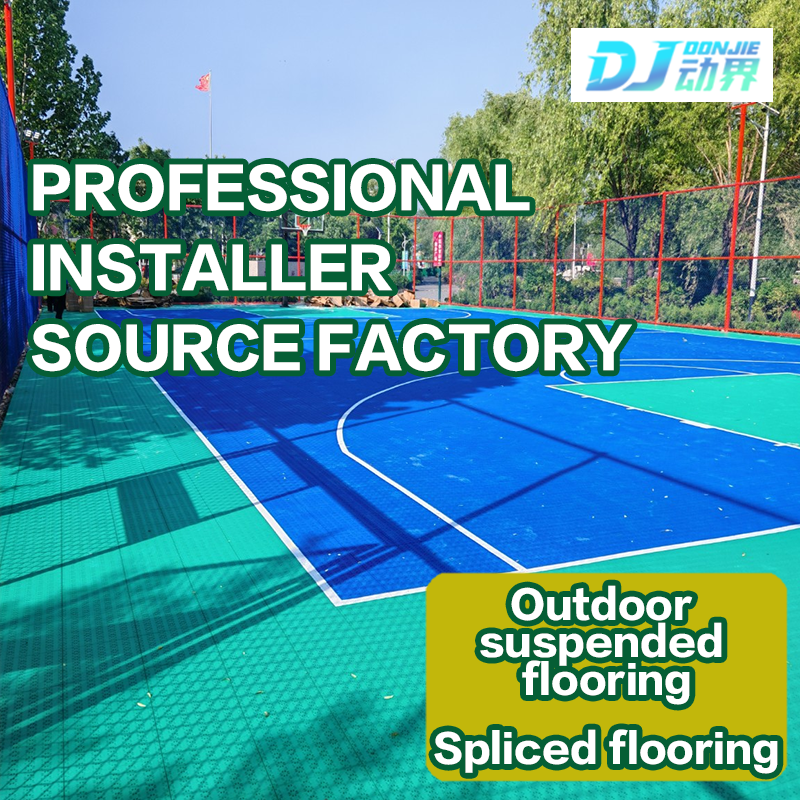
When it comes to creating the perfect basketball court, the foundation of the court is just as important as the game itself. Outdoor basketball flooring plays a pivotal role in ensuring safety, durability, and performance. Installing the right flooring not only enhances the gameplay experience but also helps in extending the lifespan of the court. Whether you’re a homeowner, sports facility manager, or DIY enthusiast, this step-by-step guide will walk you through the process of installing outdoor basketball flooring, ensuring a smooth and professional finish.

Step 1: Prepare the Ground for Installation
The first and most crucial step in installing outdoor basketball flooring is preparing the ground. A solid foundation will ensure that your flooring remains level and durable over time. Follow these steps to properly prepare the installation area:
-
Clear the Installation Area
Begin by removing any debris, rocks, or existing flooring. Ensure the entire court area is free of obstacles. If there’s any existing grass or weeds, remove them thoroughly to prevent growth underneath the new flooring. -
Ensure Proper Drainage
Outdoor basketball courts must be designed to withstand different weather conditions, especially water drainage. Make sure the area slopes slightly (about 1-2% gradient) to allow water runoff and prevent pooling. -
Level the Ground
After clearing the area, use a shovel or rake to level the ground. This ensures that the flooring sits evenly without any bumps or dips that could cause instability while playing.
Step 2: Gather Necessary Tools and Materials
Before diving into installation, it’s essential to gather all the necessary tools and materials. Here’s what you will need:
-
Tools:
-
Tape measure
-
Rubber mallet (for modular tiles)
-
Circular saw or jigsaw (for cutting flooring pieces)
-
Chalk line (for marking straight lines)
-
Leveling tools (spirit level or laser level)
-
Utility knife (for trimming edges)
-
-
Materials:
-
Outdoor basketball flooring (choose between modular tiles or roll-out surfaces)
-
Base layer material (gravel, sand, or crushed stone)
-
Weed barrier or moisture barrier sheet
-
Optional: Adhesive for securing flooring
-
-
Flooring Options:
-
Modular Tiles: These interlocking tiles are easy to install and can be customized for different court sizes.
-
Roll-out Flooring: Available in large rolls, this type of flooring is ideal for covering large areas quickly but may require more cutting and preparation.
-
-
Ensure You Have Enough Material
Measure your court’s dimensions and purchase a bit more flooring material than required to account for cutting errors or adjustments during installation.
Step 3: Lay the Foundation for Outdoor Basketball Flooring
A solid base will prevent shifting or sinking of the flooring tiles over time. Here’s how to build a solid foundation:
-
Install a Base Layer
Begin by spreading a layer of gravel, sand, or crushed stone across the court area. This base layer helps with drainage, preventing water accumulation beneath the flooring, which could lead to mold or damage. -
Place a Weed Barrier or Moisture Barrier
Lay down a weed barrier fabric or a moisture-resistant sheet to keep weeds from growing under your flooring and to prevent moisture from seeping into the tiles. -
Compact the Foundation
Use a compactor to firmly press down the gravel or sand base. This will ensure a stable and level foundation that won’t shift under the weight of the tiles.
Step 4: Start Installing the Flooring
Now that your base is prepared, it’s time to start laying down the flooring. This is where your modular tiles or roll-out flooring comes into play.
-
Lay the First Tile or Roll
Start at one corner of the court and place the first tile or roll of flooring. For modular tiles, begin from the center and work your way outward to ensure proper alignment. For roll-out flooring, unroll it along one side of the court, ensuring it is smooth and flat. -
Align Tiles Properly
Ensure each tile clicks securely into place or that the flooring rolls out evenly. Use a rubber mallet to gently tap the tiles into position, ensuring there are no gaps. -
Continue Adding Tiles or Roll Sections
Work your way across the court, continuing to align each piece tightly. If using modular tiles, make sure the edges are interlocked, and no tile is out of alignment.
Step 5: Cut Flooring Pieces to Fit
Once you’ve laid down most of the flooring, you’ll need to cut tiles or sections of roll-out flooring to fit the edges and corners.
-
Measure and Mark for Cuts
Measure the remaining gaps along the edges of the court and mark the flooring where cuts need to be made. A chalk line can be helpful to ensure straight cuts. -
Cutting the Flooring
Use a circular saw, jigsaw, or utility knife to cut the tiles or roll sections to fit the edges. Make sure to wear protective equipment, such as goggles and gloves, to avoid injury. -
Smooth Edges
After cutting, smooth out any rough edges to ensure that the tiles fit snugly against the perimeter of the court and do not present a tripping hazard.
Step 6: Finalize the Installation
After cutting and fitting all flooring pieces, it’s time for the final checks and finishing touches.
-
Check for Alignment
Inspect the entire court to ensure that all tiles are properly aligned and that there are no uneven spots. Make any necessary adjustments by repositioning tiles or trimming edges. -
Install Corner Trims and Line Markings
Add corner trims around the edges for a professional, polished look. If required, mark out the basketball court lines using paint or tape, depending on your flooring type. -
Clean the Court
Clean any dust, dirt, or debris from the surface and give it a final once-over to ensure it’s ready for play.
Step 7: Maintenance Tips for Outdoor Basketball Flooring
To prolong the life of your outdoor basketball flooring and maintain its appearance and performance, regular upkeep is essential:
-
Routine Cleaning
Sweep the court regularly to remove dirt and debris. Use a garden hose or pressure washer to clean the tiles as needed. -
Weatherproofing
Consider applying a protective sealant to protect the flooring from the elements, particularly if you live in an area with extreme weather conditions. -
Repairs and Replacement
Periodically inspect the flooring for signs of wear and tear, and replace damaged tiles promptly. This helps maintain the integrity of the court and ensures a safe playing surface.
Conclusion
Installing outdoor basketball flooring may seem like a challenging task, but with the right preparation, tools, and a step-by-step approach, you can transform any outdoor space into a professional-quality basketball court. By following this guide, you can ensure that your flooring is not only durable but also enhances the performance of the players. Whether you’re building for fun or for competition, a well-installed court will provide years of enjoyment.